
Dried Peach Fruit Bi Tao Gan 250g Traditional Chinese Herb for Decoctions and Herbal Teas
Price range: $5.81 through $7.98
Description
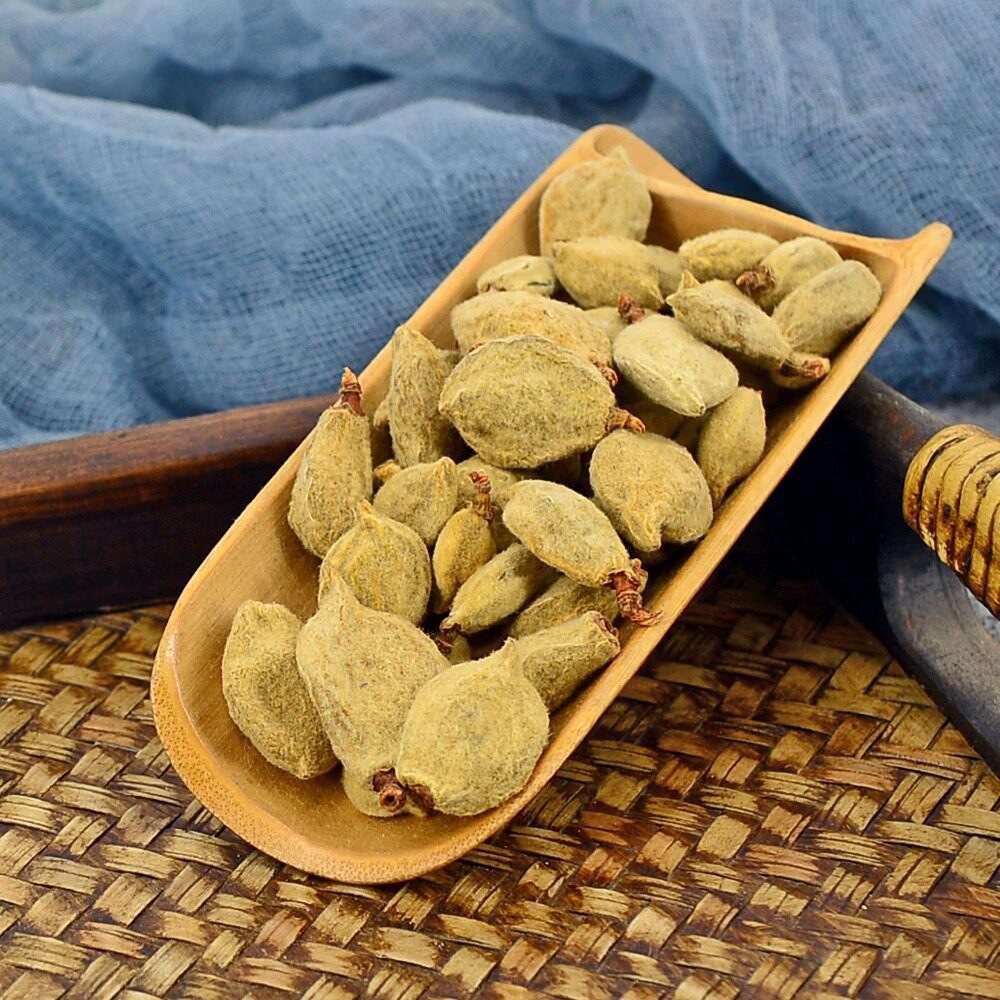
Dried Peach Fruit, known in TCM as Bi Tao Gan (碧桃干), also called Tao Nu (桃奴), from Prunus persica. This listing uses immature or shriveled peach fruits harvested before full ripening and shade-dried or sun-dried whole. In TCM theory it is traditionally associated with astringent and stabilizing properties. Traditionally prepared in decoctions or herbal teas. Not suitable for pregnant women.

Key Selling Points
- Traditional TCM herb made from immature dried peach fruit
- Botanical source Prunus persica with Chinese name Bi Tao Gan 碧桃干
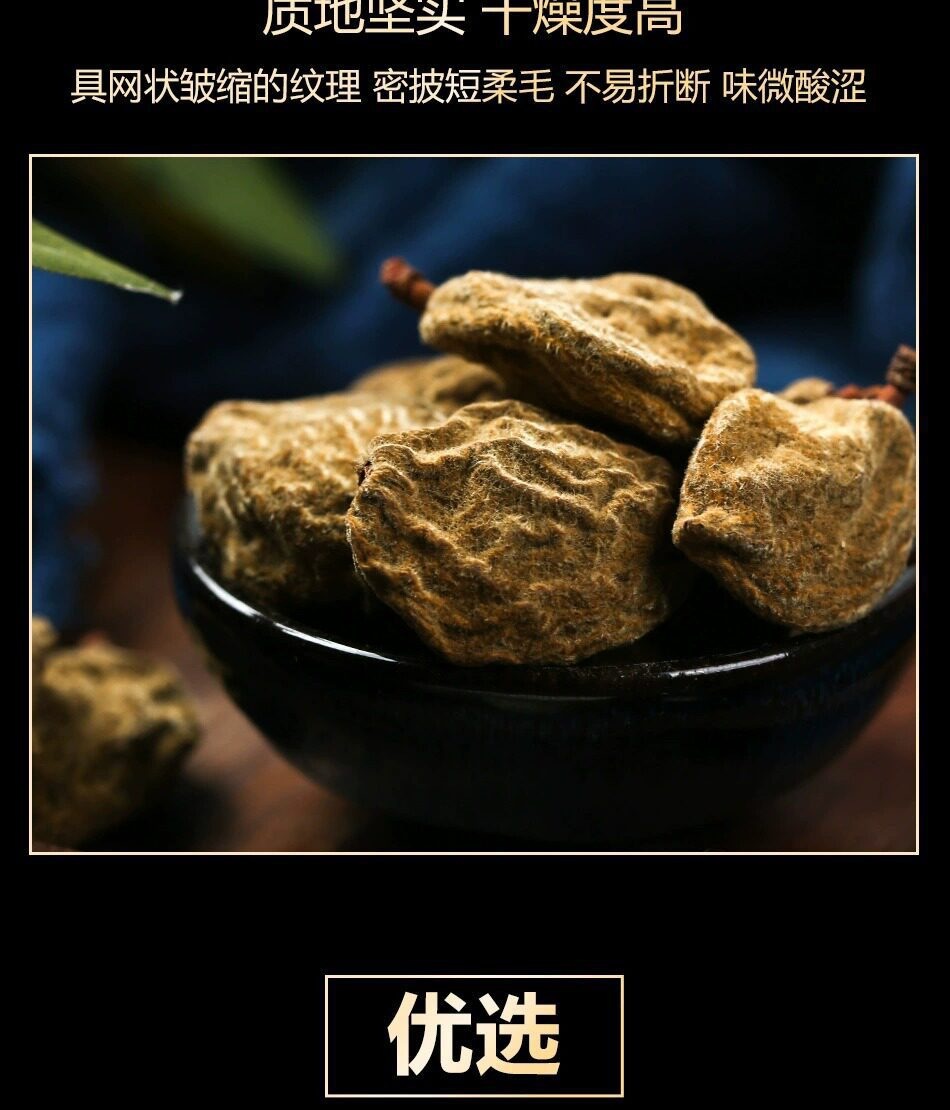
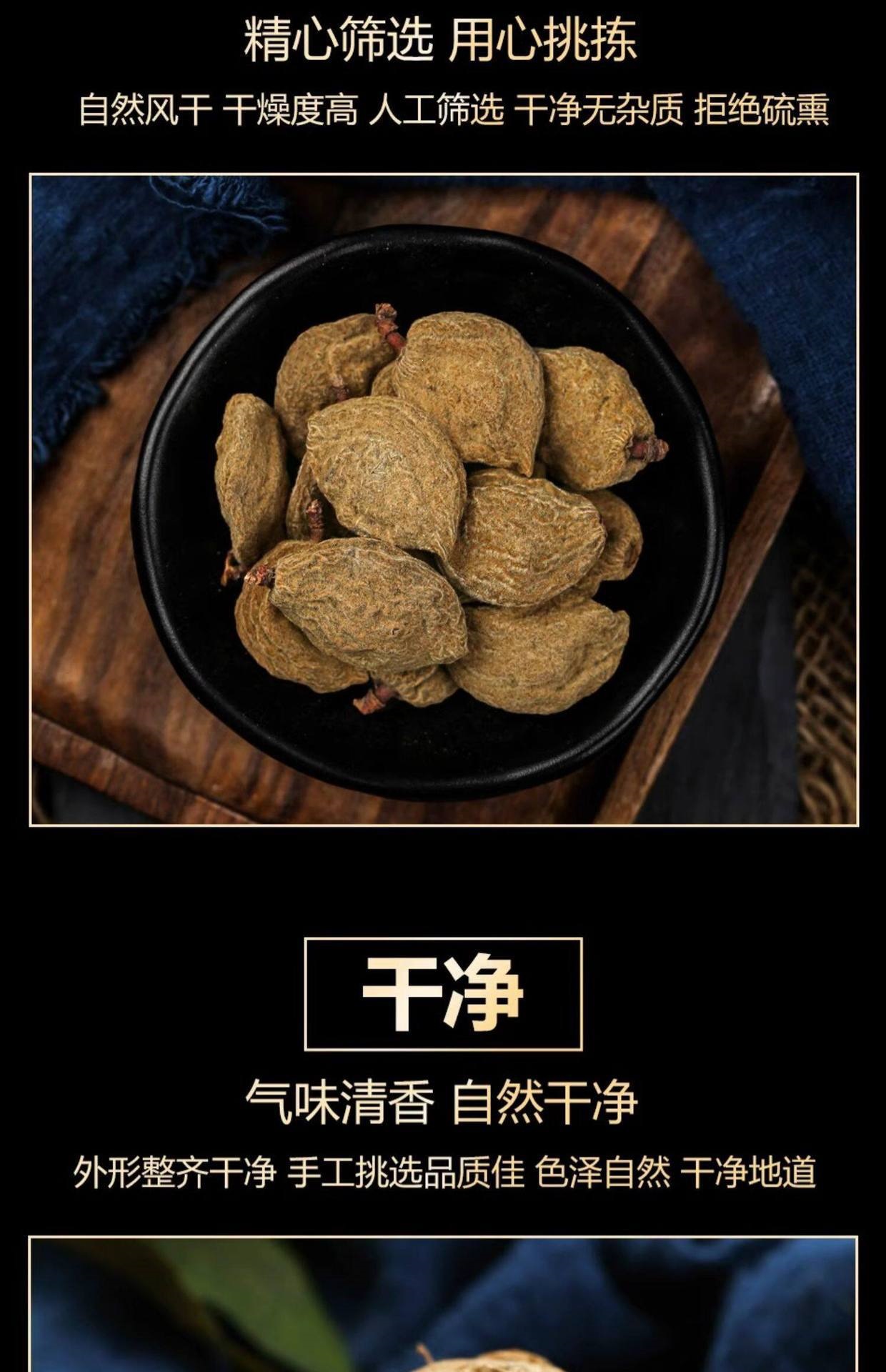
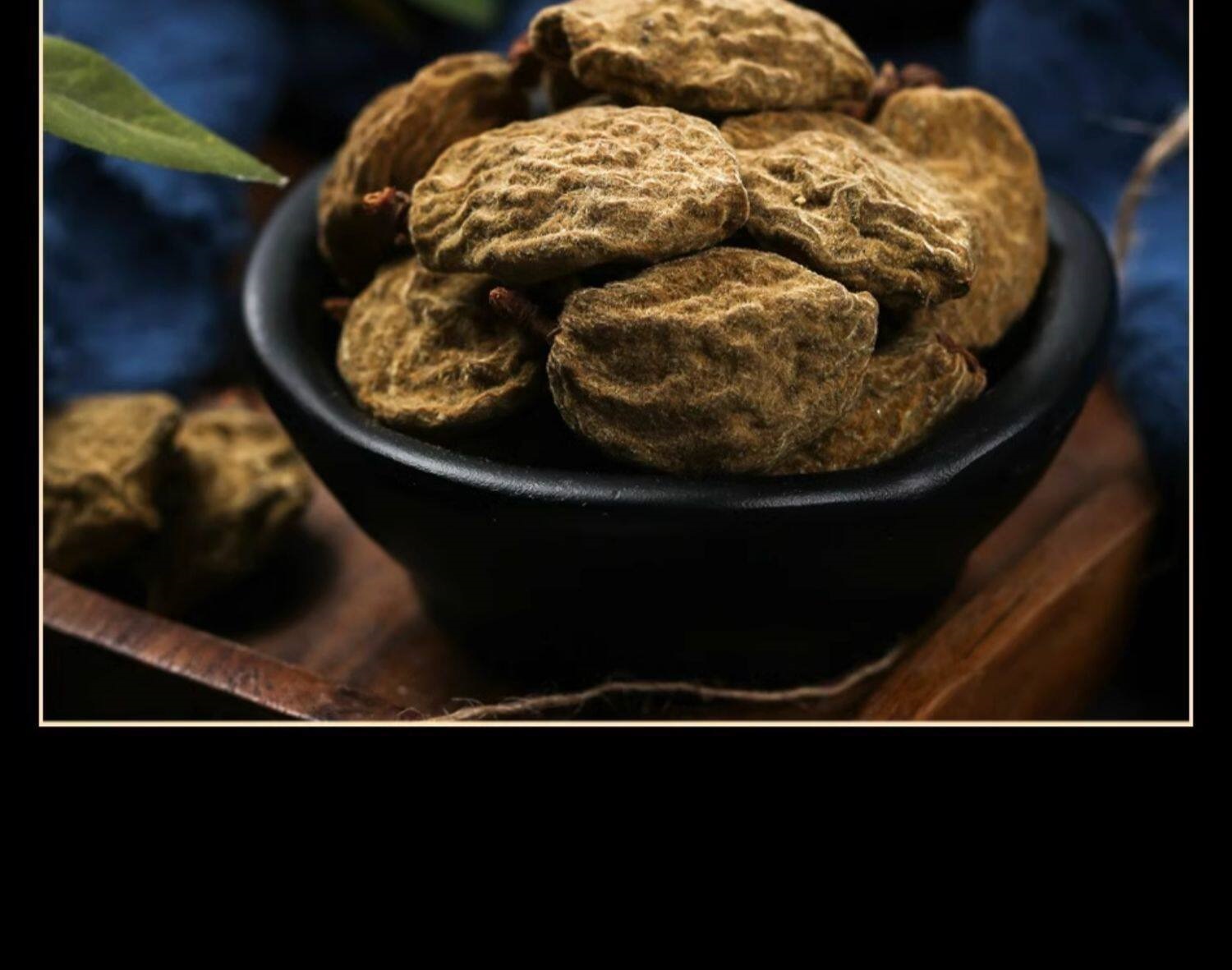
- Shade-dried whole fruit pieces with natural shriveled texture
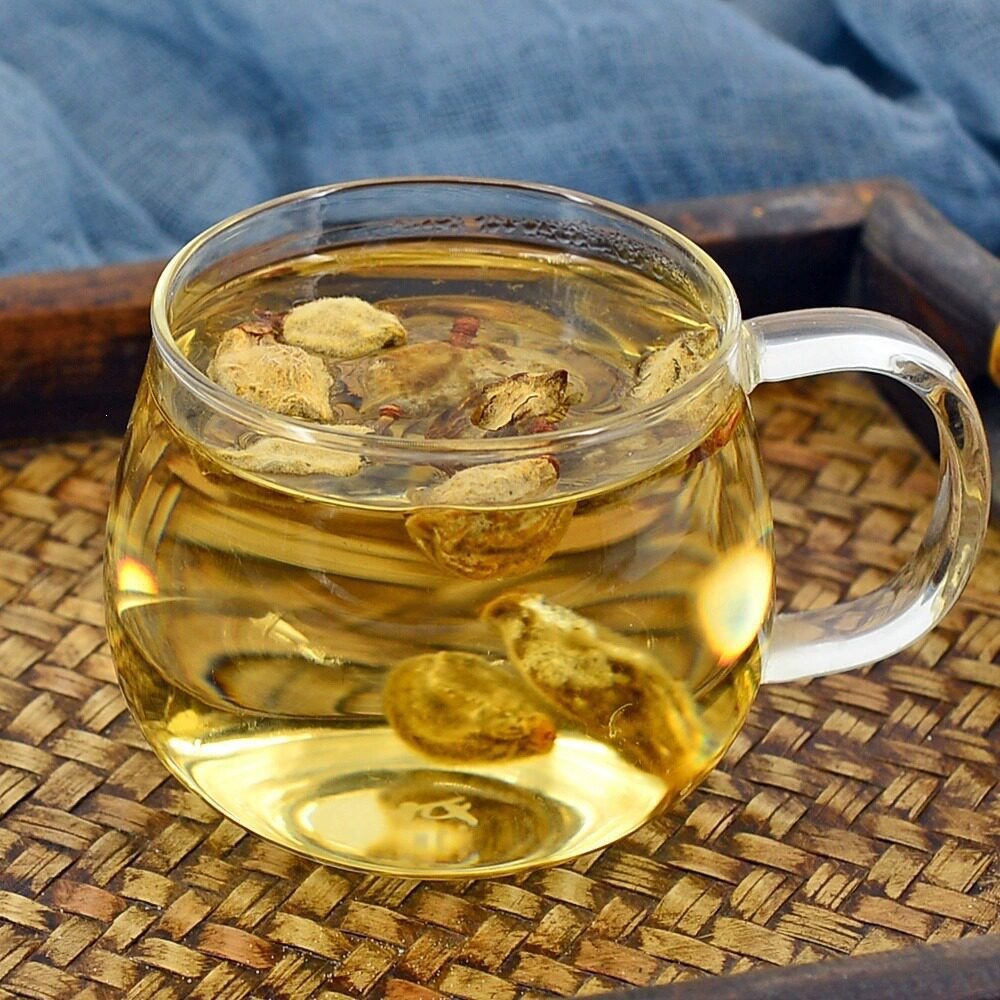
- Commonly simmered in decoctions or steeped as a mild herbal tea
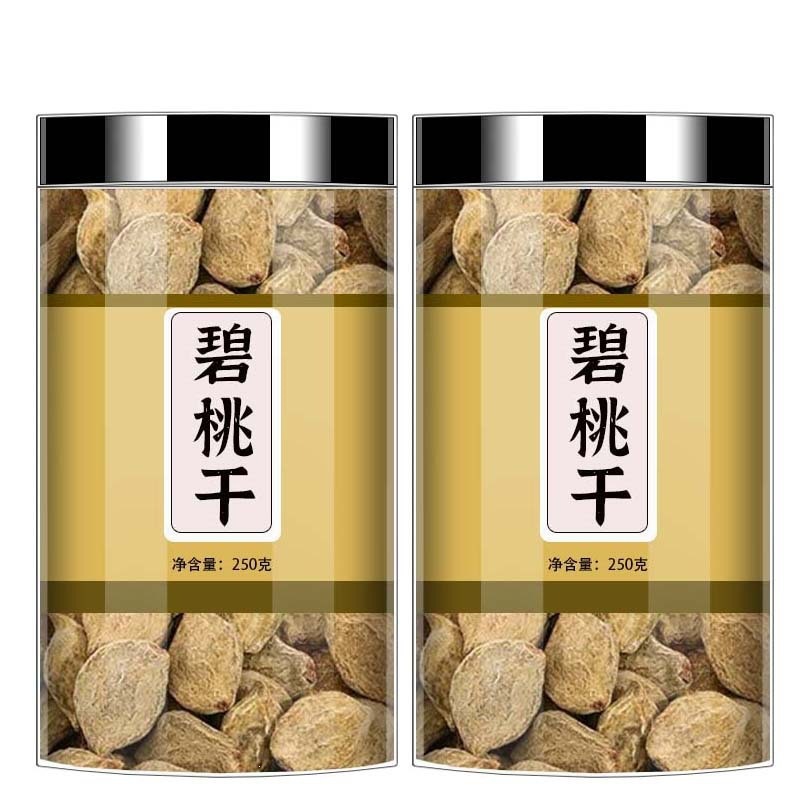
- Sold as edible agricultural produce in a 250g sealed can
Quality & Sensory
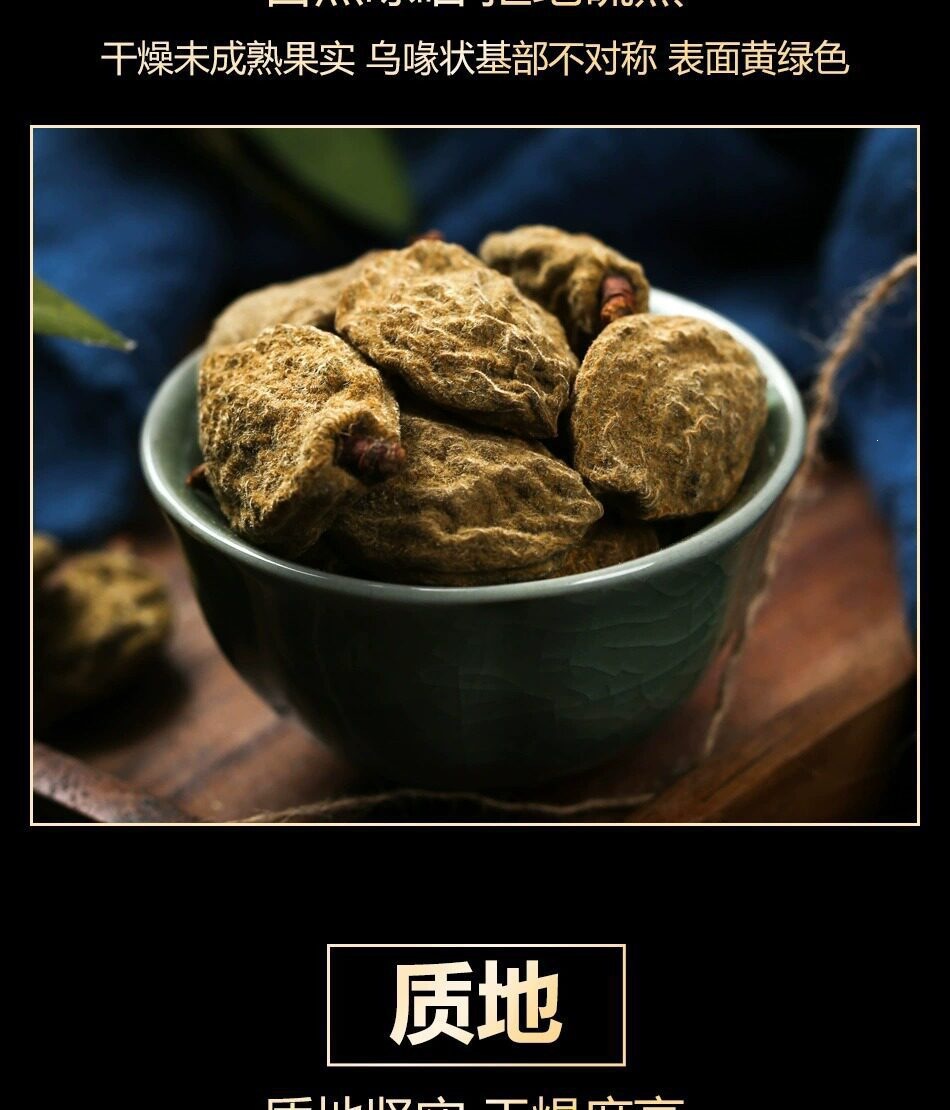
Typically grayish-green to brownish, shriveled and firm, with a faint fruity-herbal aroma. When decocted, the liquid is typically light amber with a mildly astringent, slightly sweet herbal taste.
Technical Specifications
| Product Type | Dried TCM herb |
|---|---|
| Chinese Name | 碧桃干 |
| Pinyin | Bi Tao Gan |
| Botanical Name | Prunus persica |
| Plant Part | Immature fruit |
| Net Weight | 250g per can |
Usage Scenarios
- Simmered in traditional herbal decoctions
- Steeped as a mild daily herbal tea
- Added to herbal soup blends
- Used in seasonal folk herbal preparations
Traditional Uses
In TCM practice, Bi Tao Gan is traditionally associated with astringent and stabilizing actions and has been used in folk formulas, often combined with other herbs in decoctions. It is also occasionally steeped alone or with other mild herbs as a seasonal tea. Preparation typically involves simmering the dried fruit in water.
FAQ Q&A
Q: What is this product?
A: It is Bi Tao Gan (碧桃干), the dried immature fruit of Prunus persica, a traditional Chinese herb sold as edible agricultural produce.
Q: What is it traditionally used for?
A: In TCM theory it is traditionally associated with astringent and stabilizing properties and is used in decoctions and folk herbal formulas.
Q: How is it commonly prepared?
A: It is typically simmered in water for a decoction or steeped as a mild herbal tea, sometimes combined with other herbs.
Additional information
| Weight | N/A |
|---|---|
| Dimensions | N/A |
| Packaging specifications | 1 can Dried walnuts 250g 1 can, 2 cans Dried walnuts 250g 2 cans, 3 cans Dried walnuts 250g 3 cans, 4 cans Dried walnuts 250g 4 cans |
Related products
-
Ningxia Goji Berries Gou Qi Zi 500g Dried Red Wolfberry for Tea Soup and Snacking
Price range: $7.20 through $16.44 -
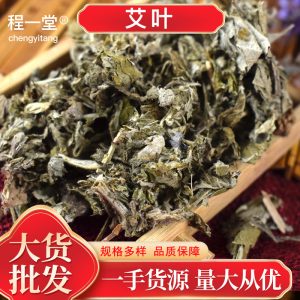
Dried Mugwort Leaf Ai Ye 500g Chinese Herbal Bath Foot Soak and Smoke Cleansing Herb
Price range: $4.77 through $5.25 -
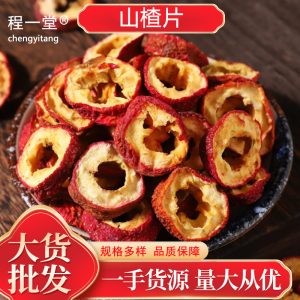
Dried Hawthorn Slices Shan Zha 500g Seedless Hollow Rings Freeze Dried Hawthorn for Tea and Culinary Use
Price range: $4.44 through $7.04 -
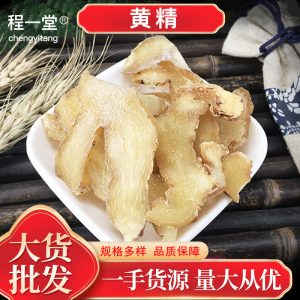
Dried Huang Jing Slices Polygonatum Rhizome Chicken Head Huang Jing 500g Bulk Herbal Tea and Soup Ingredient
Price range: $9.14 through $18.87
Reviews
There are no reviews yet.