
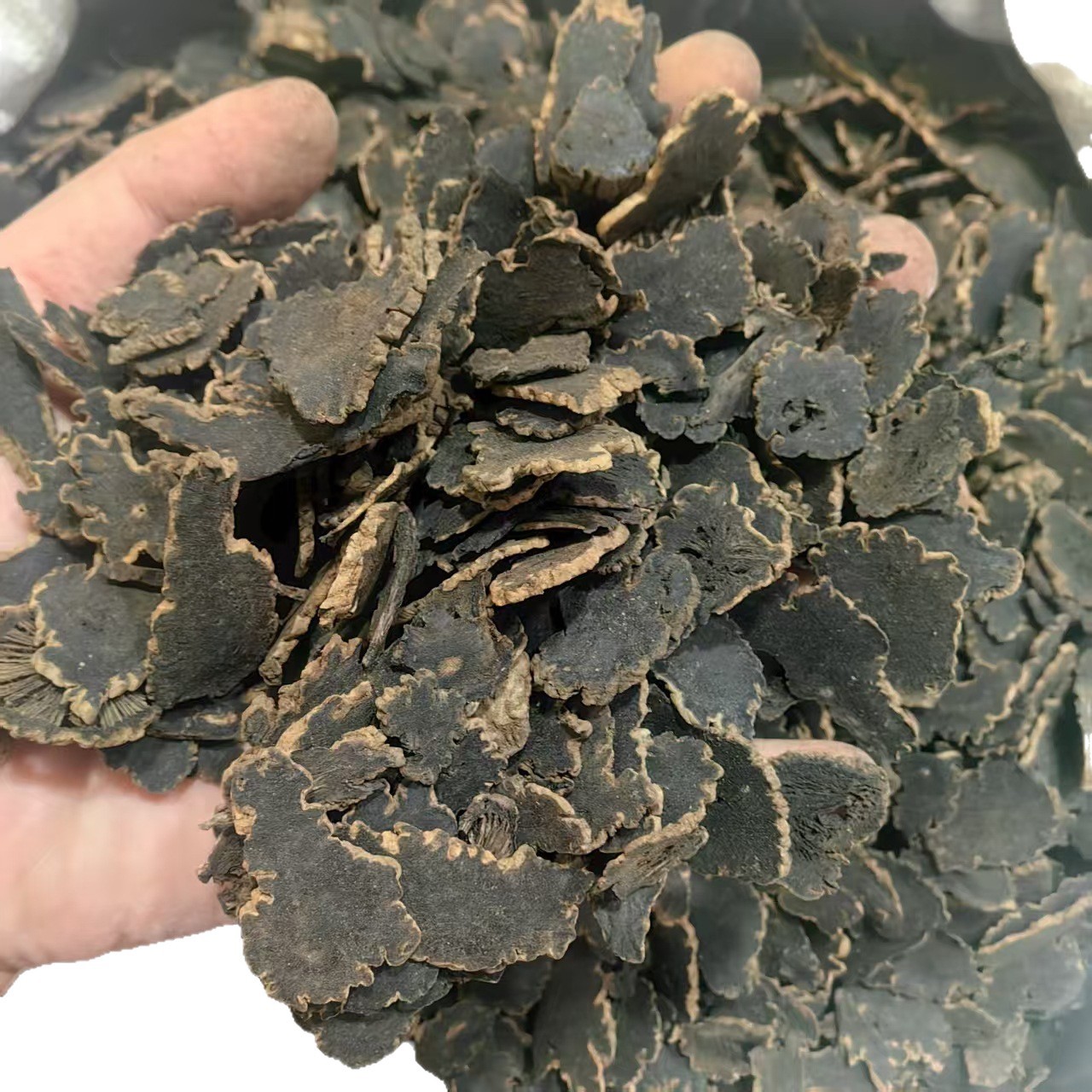
Xuan Shen Figwort Root Powder 500g Traditional Chinese Herb Scrophularia ningpoensis
Price range: $7.13 through $8.32
Description
Xuan Shen (玄参), Figwort Root Powder, from Scrophularia ningpoensis, is a dried root ground into fine powder. In TCM theory it is traditionally associated with sweet, bitter, and salty flavors and a cold nature, entering the lung, stomach, and kidney channels. Traditionally valued in herbal formulas, it is commonly used in decoctions or as directed by a practitioner. This is a food-grade raw botanical powder, not a health supplement.
Key Selling Points
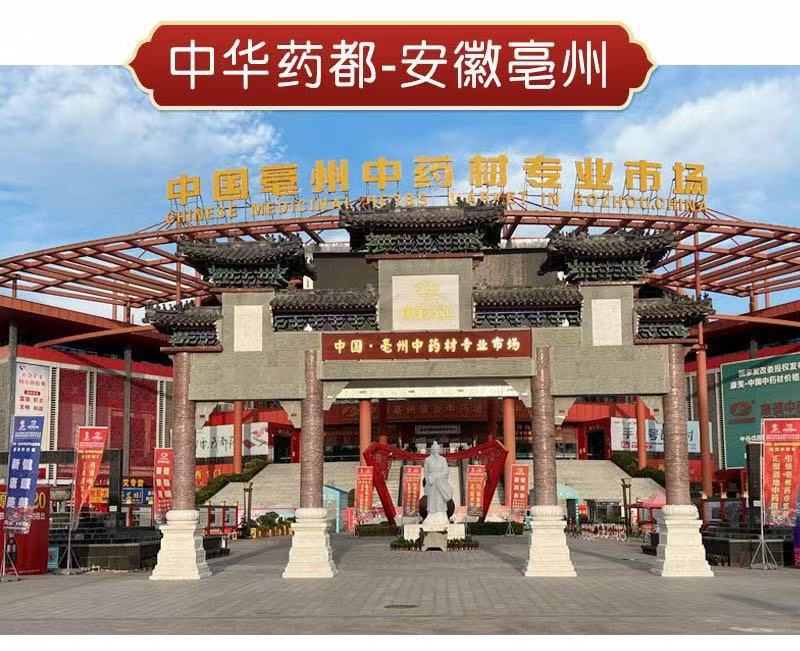
- Authentic Xuanshen (玄参) root powder from Bozhou, Anhui, a recognized daodi herb region
- Botanical source Scrophularia ningpoensis, dried root traditionally used in TCM practice
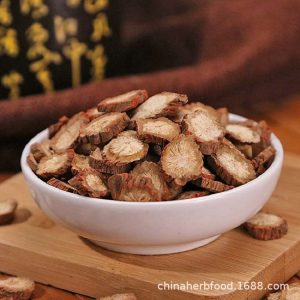
- Sun-dried and sulfur-free processing with uniform grade quality
- Fine loose powder suitable for decoction blending or practitioner-directed formulas
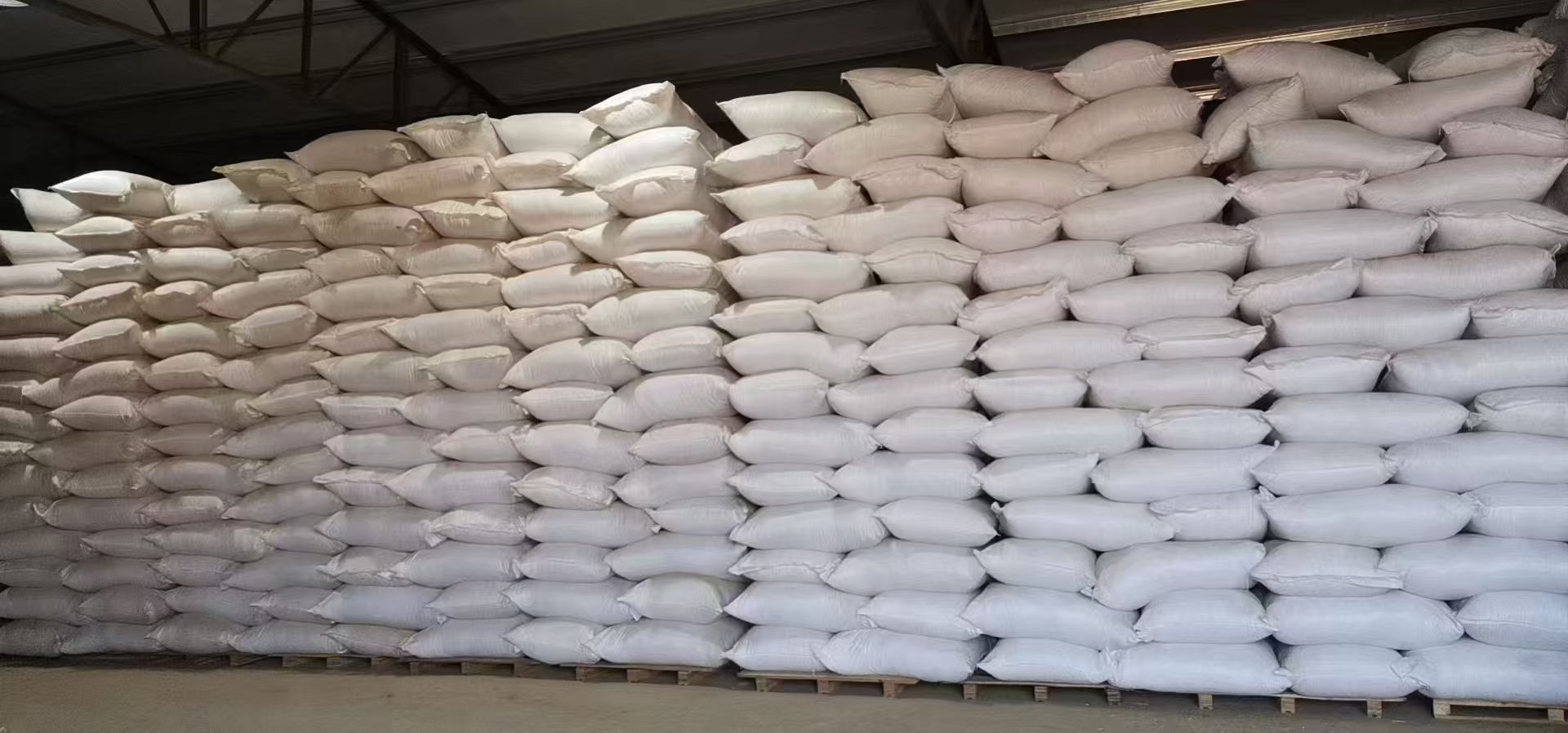
- Direct-from-origin supply with 500g resealable pack and 18-month shelf life
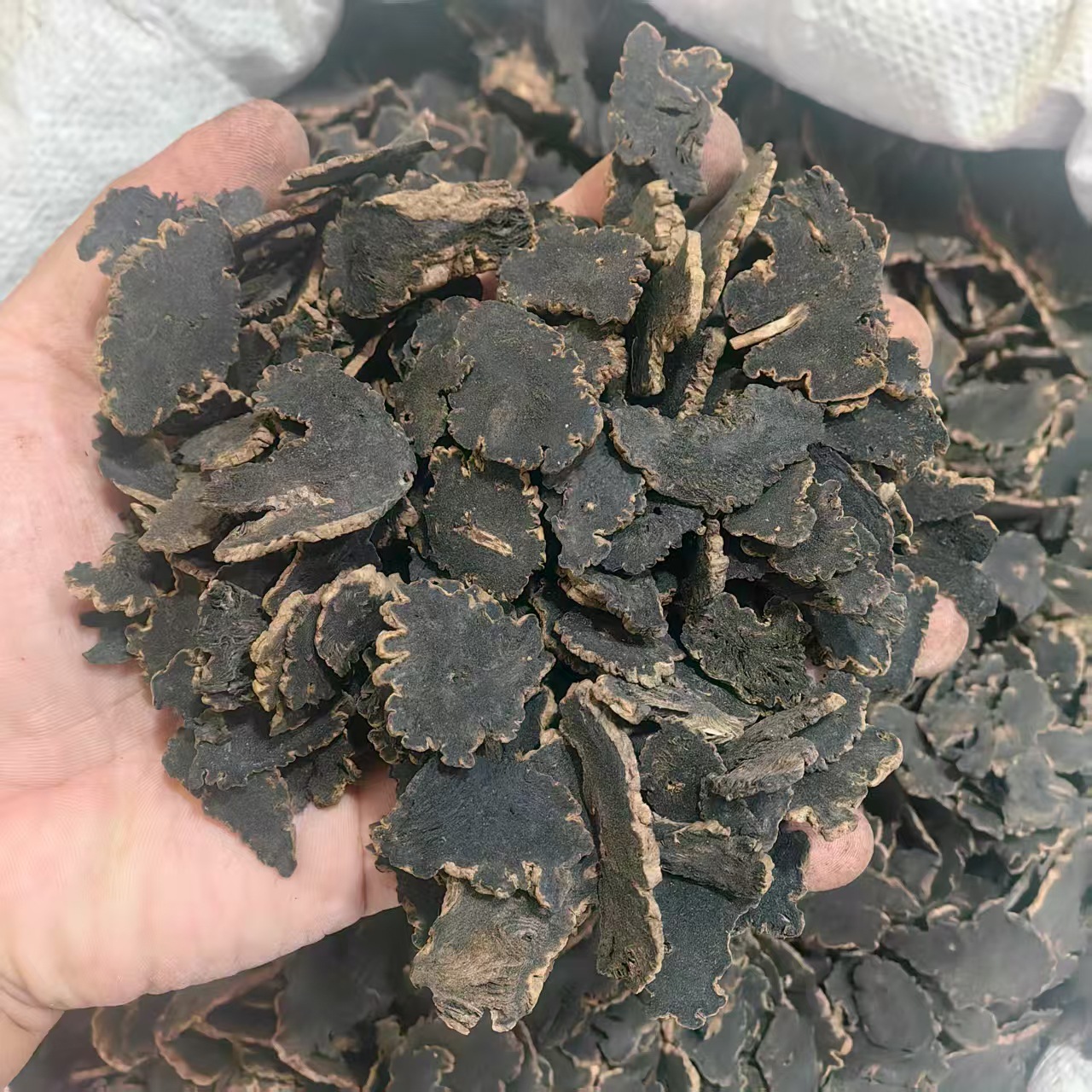
Quality & Sensory
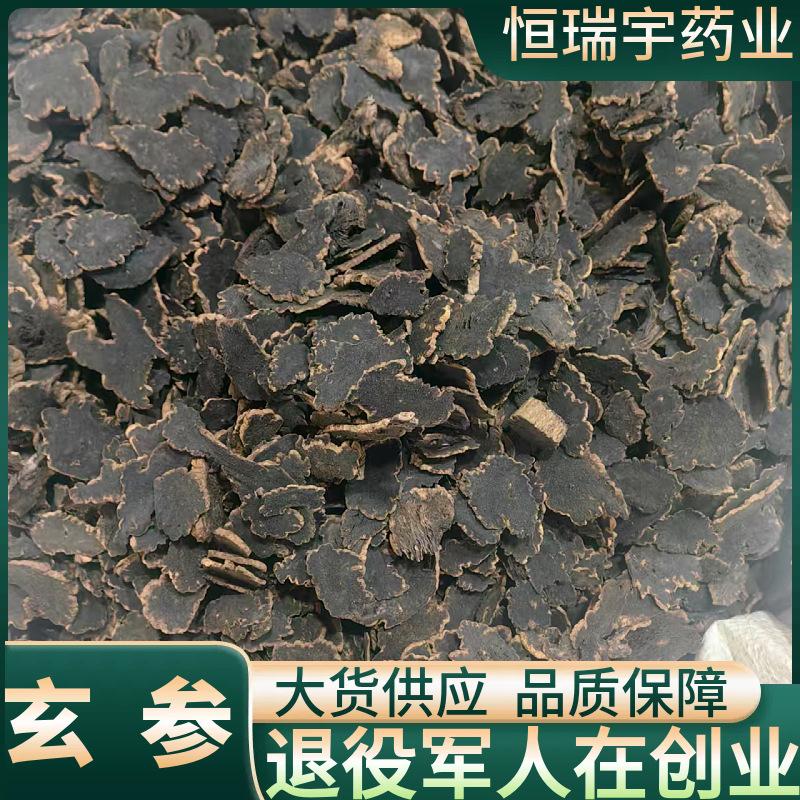
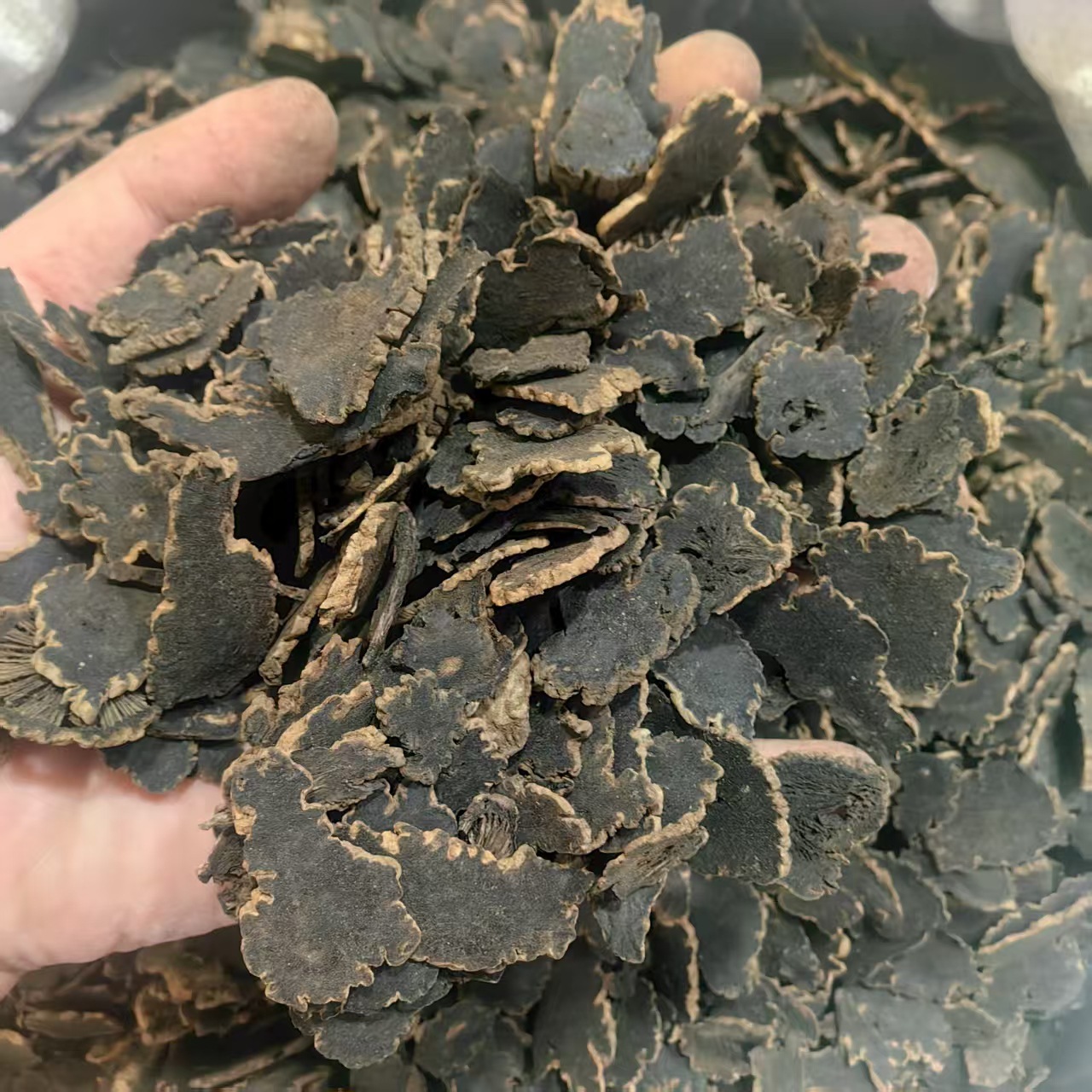
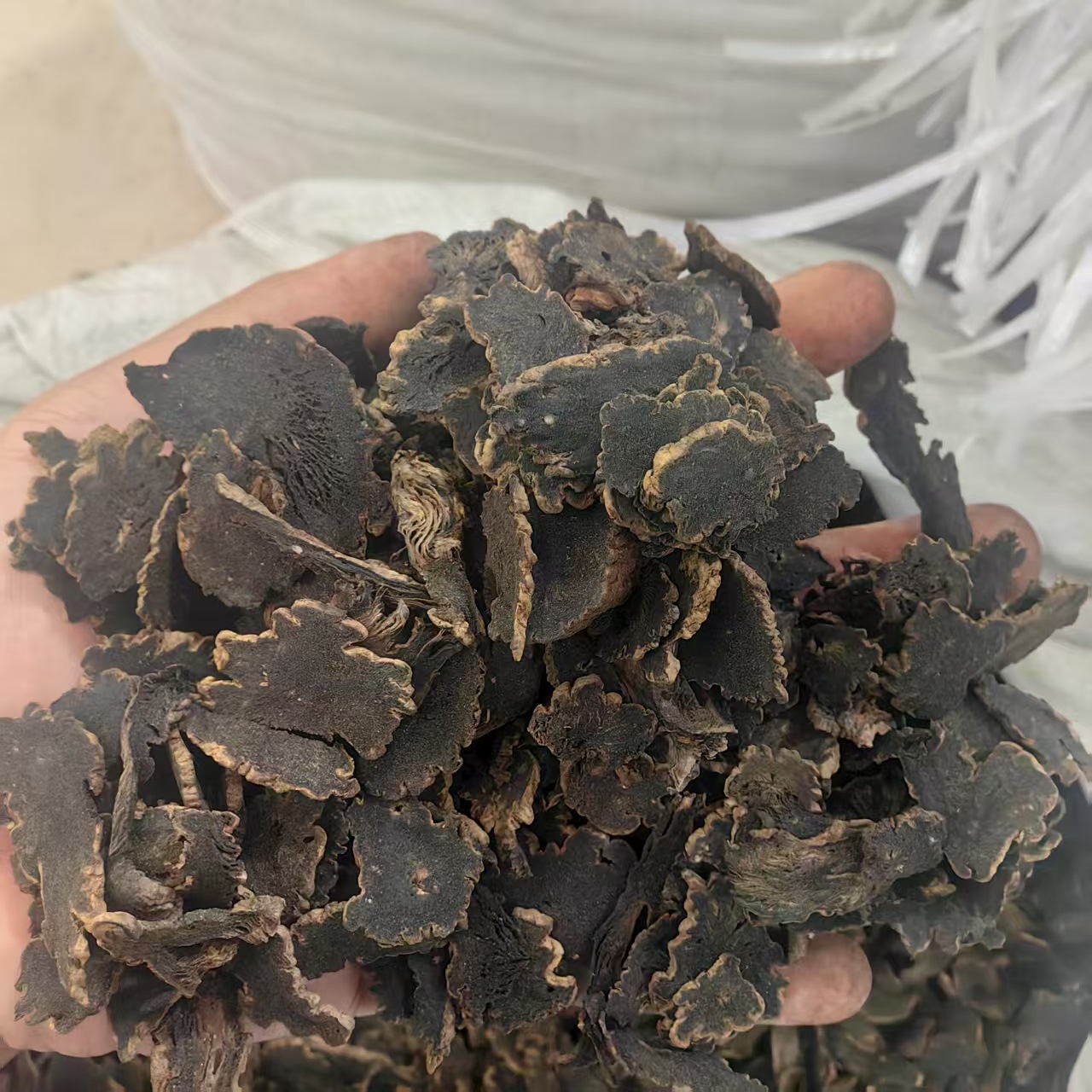
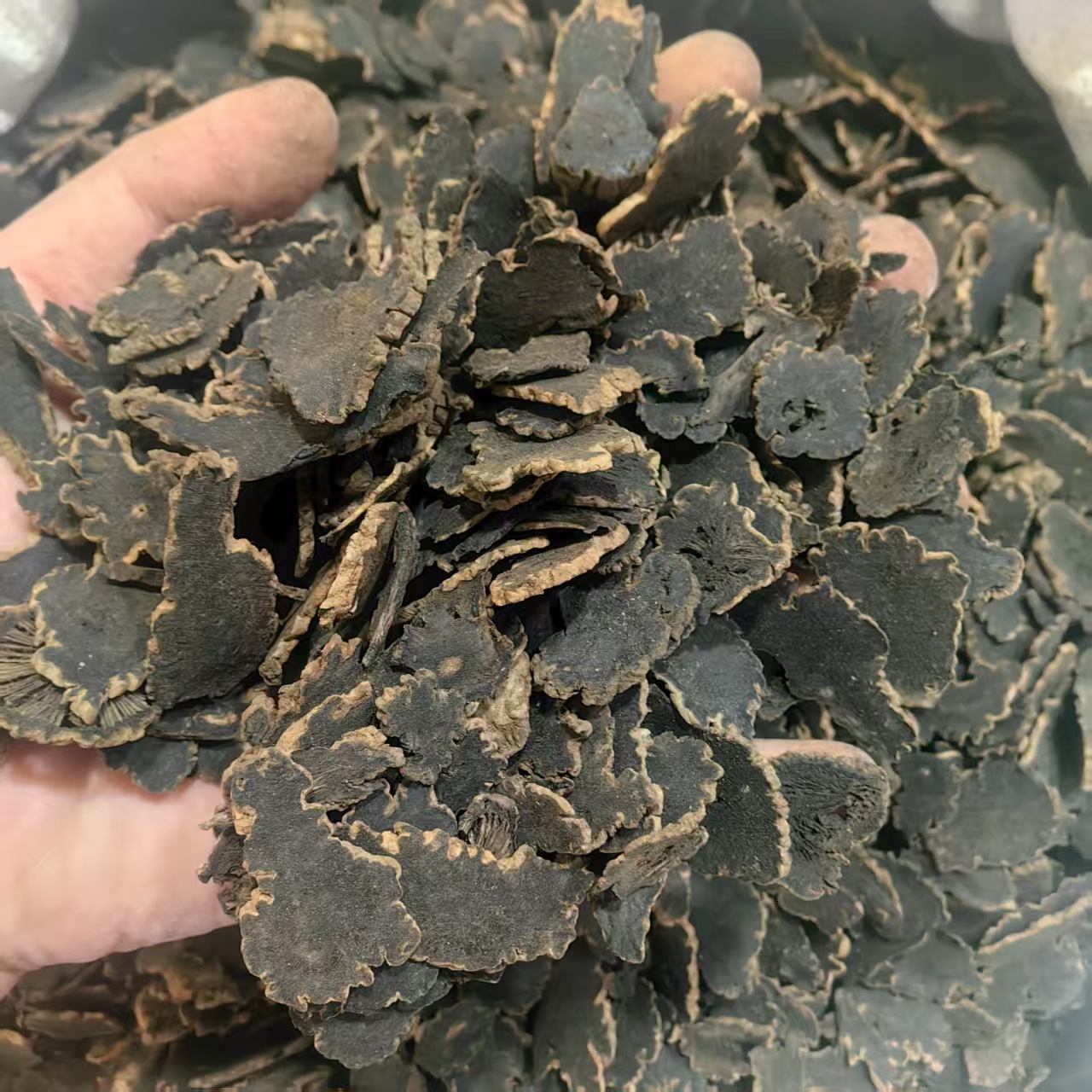
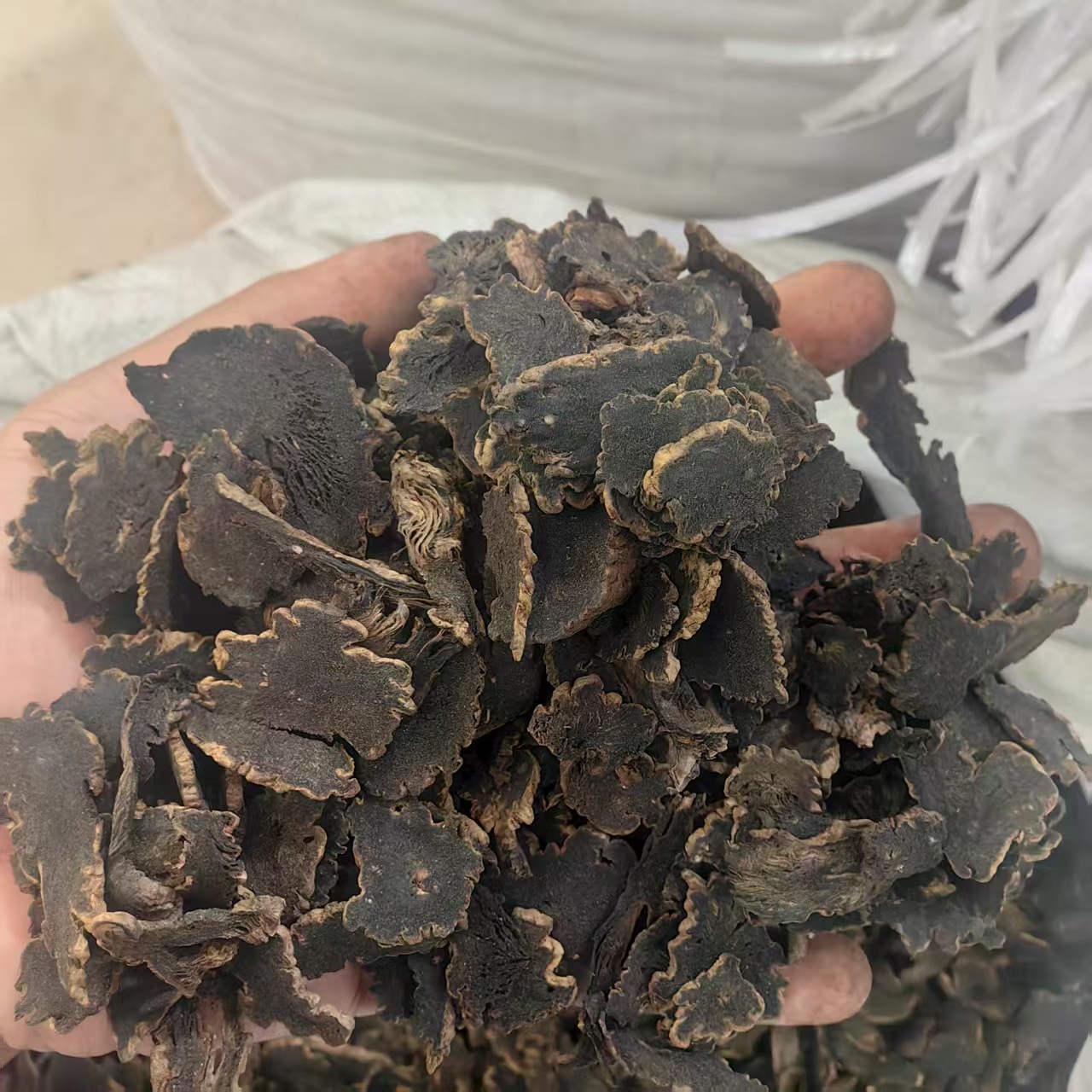
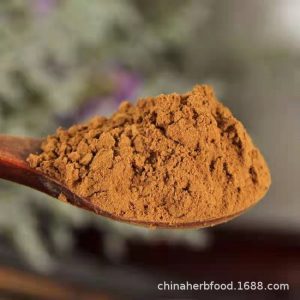
The powder is typically dark brown to blackish with a fine, dry, free-flowing texture. It carries a faint characteristic herbal aroma and a traditionally described sweet-bitter taste when prepared in warm water or decoction.
Technical Specifications
| Product Type | Raw herbal powder |
|---|---|
| Chinese Name | 玄参 |
| Pinyin | Xuan Shen |
| Botanical Name | Scrophularia ningpoensis |
| Plant Part | Root |
| Net Weight | 500 g |
Usage Scenarios
- Simmer into traditional herbal decoctions as directed by a TCM practitioner
- Blend into customized herbal powder formulas
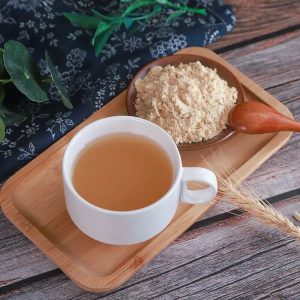
- Incorporate into herbal teas or warm infusions under professional guidance
- Use in seasonal wellness cooking such as herbal soups
Traditional Uses
In traditional Chinese medicine, Xuanshen has long been included in cooling formulas, often paired with herbs such as Mai Dong (Ophiopogon) and Sheng Di (Rehmannia) in classic decoctions. It was traditionally used in autumn and winter herbal preparations and is still commonly decocted or ground for formula use under practitioner guidance.
FAQ Q&A
Q: What is this product?
A: It is 500g of pure Xuanshen (玄参) root powder, Scrophularia ningpoensis, sun-dried and ground from daodi herbs grown in Anhui.
Q: What is its traditional value?
A: In TCM theory Xuanshen is sweet, bitter, salty, and cold, traditionally associated with the lung, stomach, and kidney channels and used in classic cooling formulas.
Q: How is it commonly prepared?
A: It is typically simmered in decoctions or blended into custom powder formulas; follow the guidance of a qualified practitioner.
Additional information
| Weight | N/A |
|---|---|
| Dimensions | N/A |
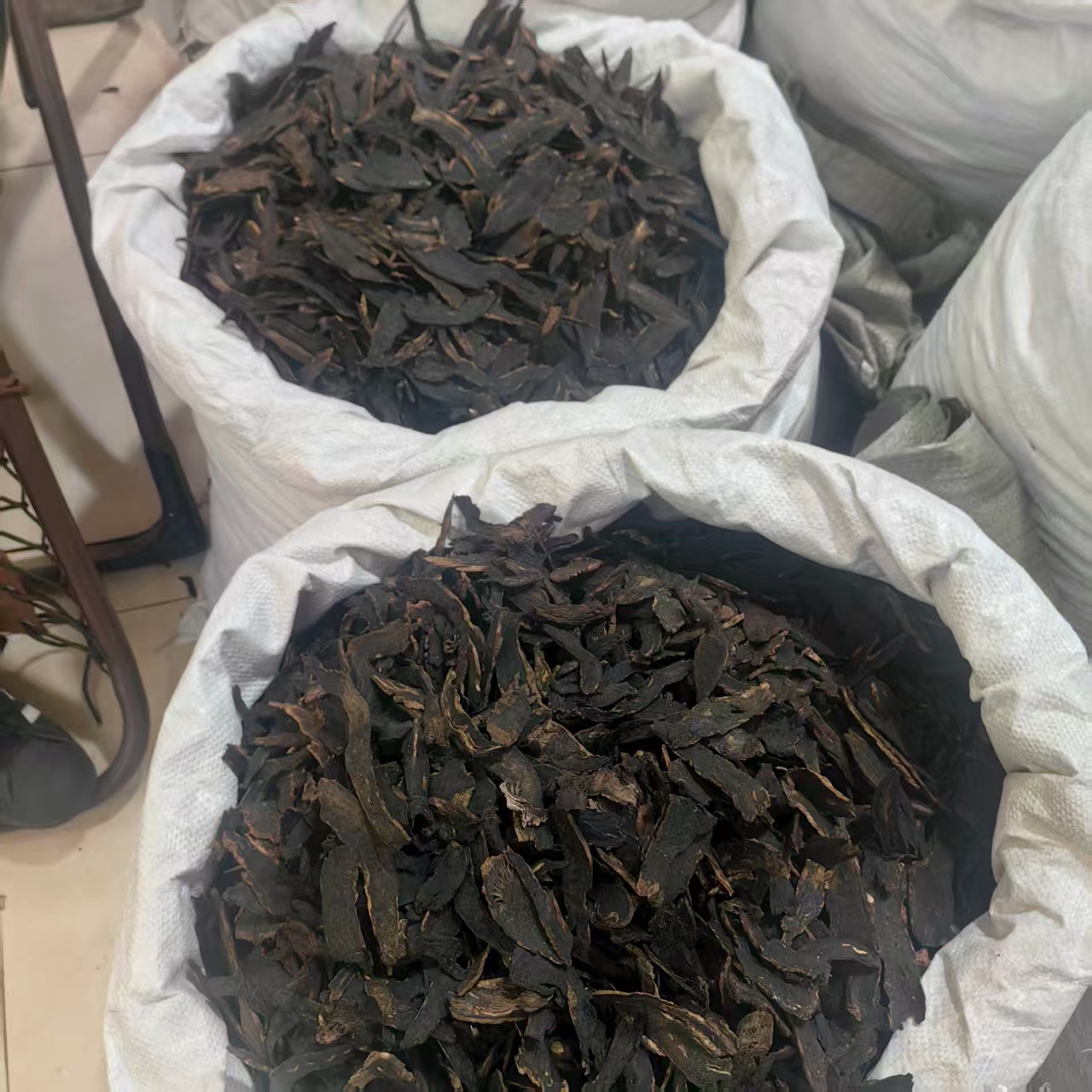
| Packaging specifications | 1 500g optional scrophularia root slices quality assurance for veterans, 1 500g radix scrophulariae slices quality guaranteed for veterans, 1 500g scrophularia ningpo powder quality assurance for veterans |
Related products
-
Dan Shen Powder 500g Premium Fine Salvia Root Powder Salvia miltiorrhiza Traditional Herbal Supplement
$6.55 -
Hou Tou Gu Powder 500g Lion’s Mane Mushroom Meal Replacement Powder from Northeast China
$9.79 -
Cynomorium Powder Suo Yang 500g Premium Chinese Herbal Powder for Tea and Decoction Use
$8.66 -
Cordyceps Powder Dong Chong Xia Cao 10g Dried Caterpillar Fungus Ground Herb for Daily Herbal Use
$66.67
Reviews
There are no reviews yet.