
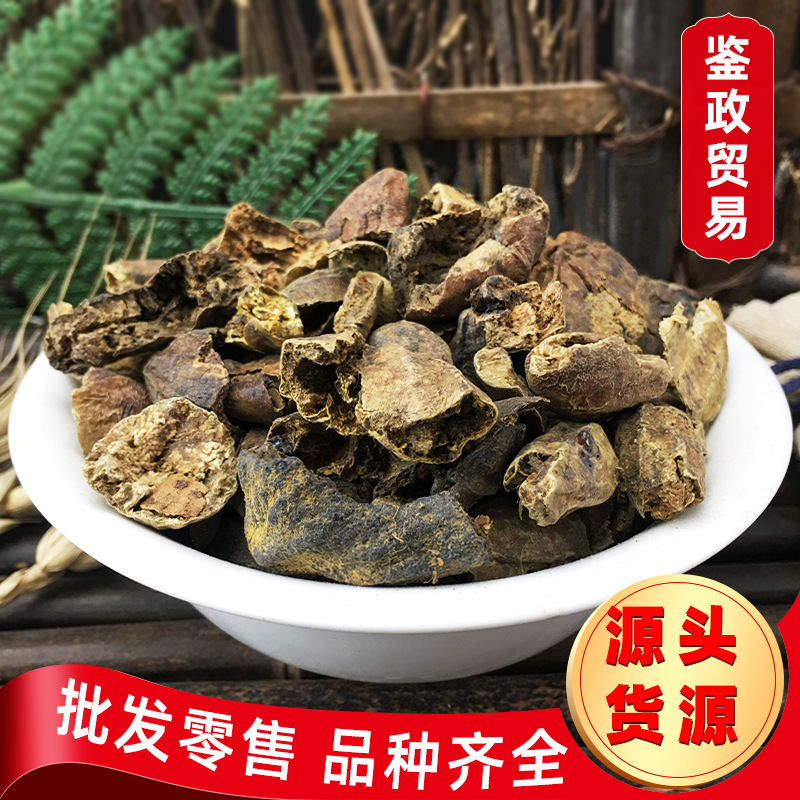
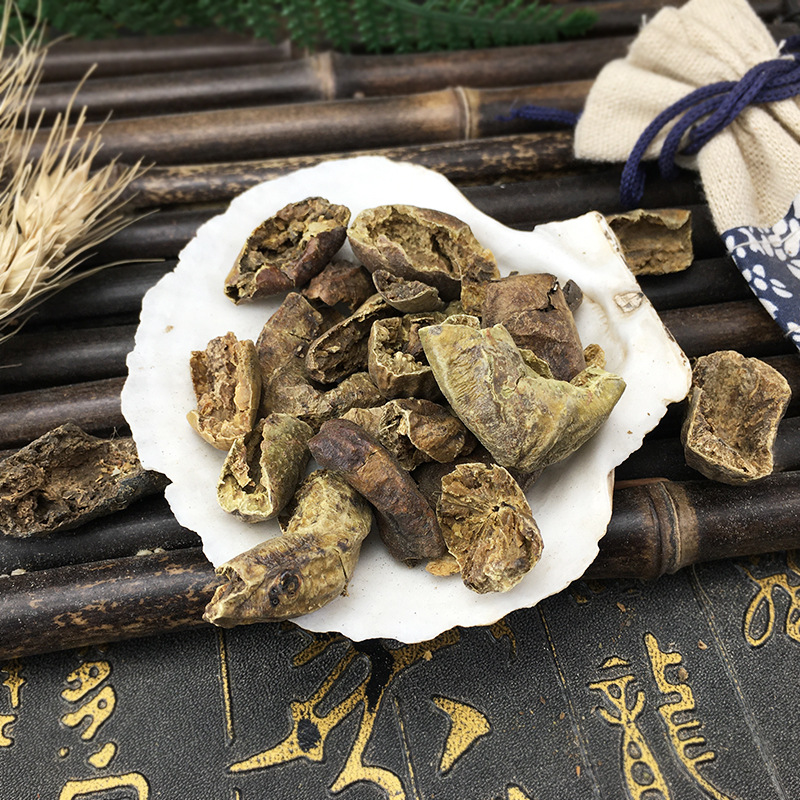
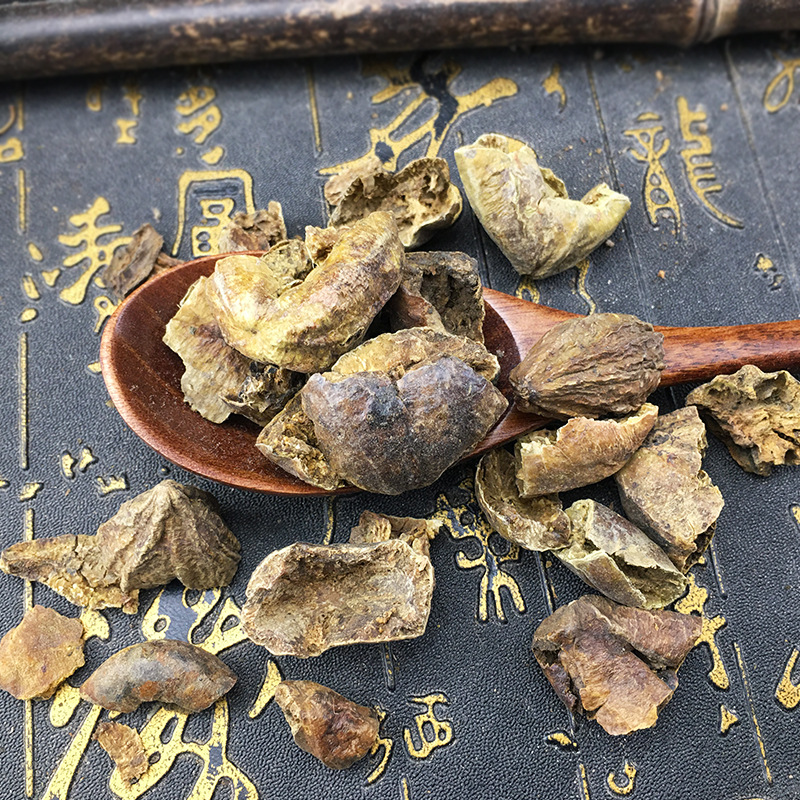
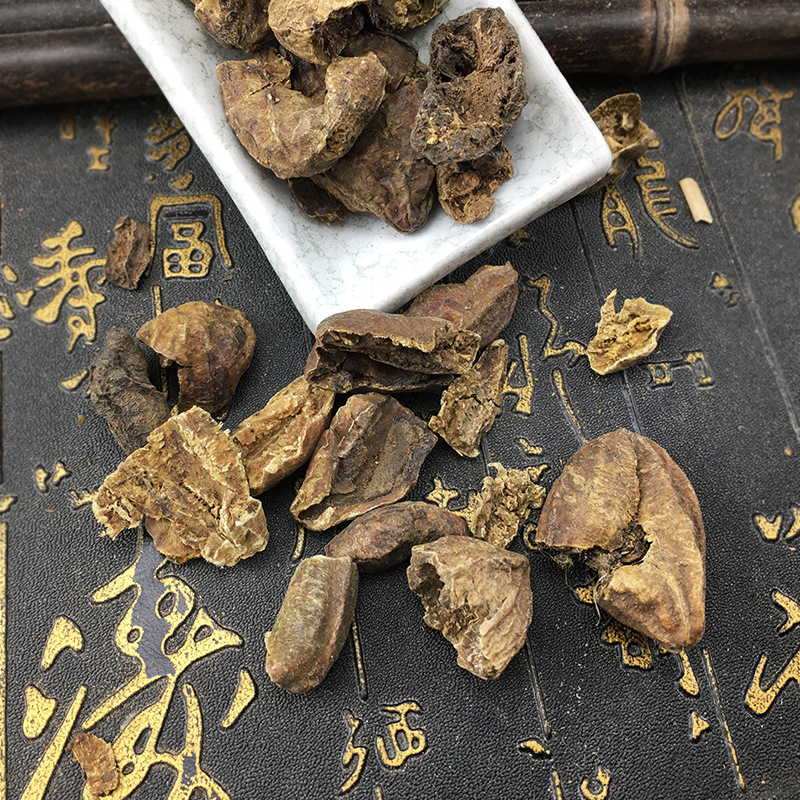
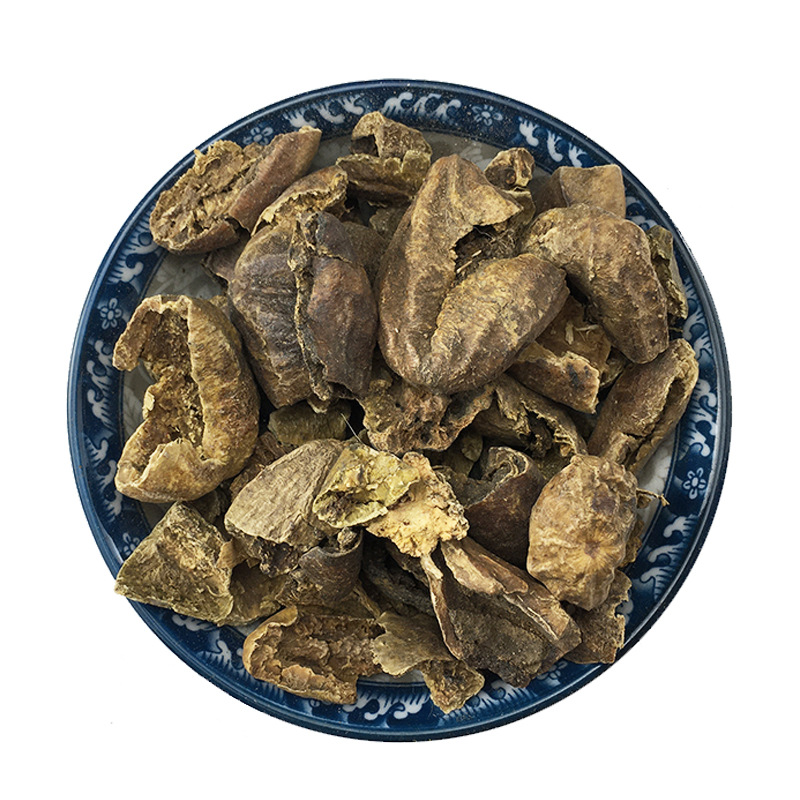
Dried Chebula Fruit He Zi 诃子肉 Terminalia chebula Traditional TCM Herb 500g
$6.96
13190 in stock
Description
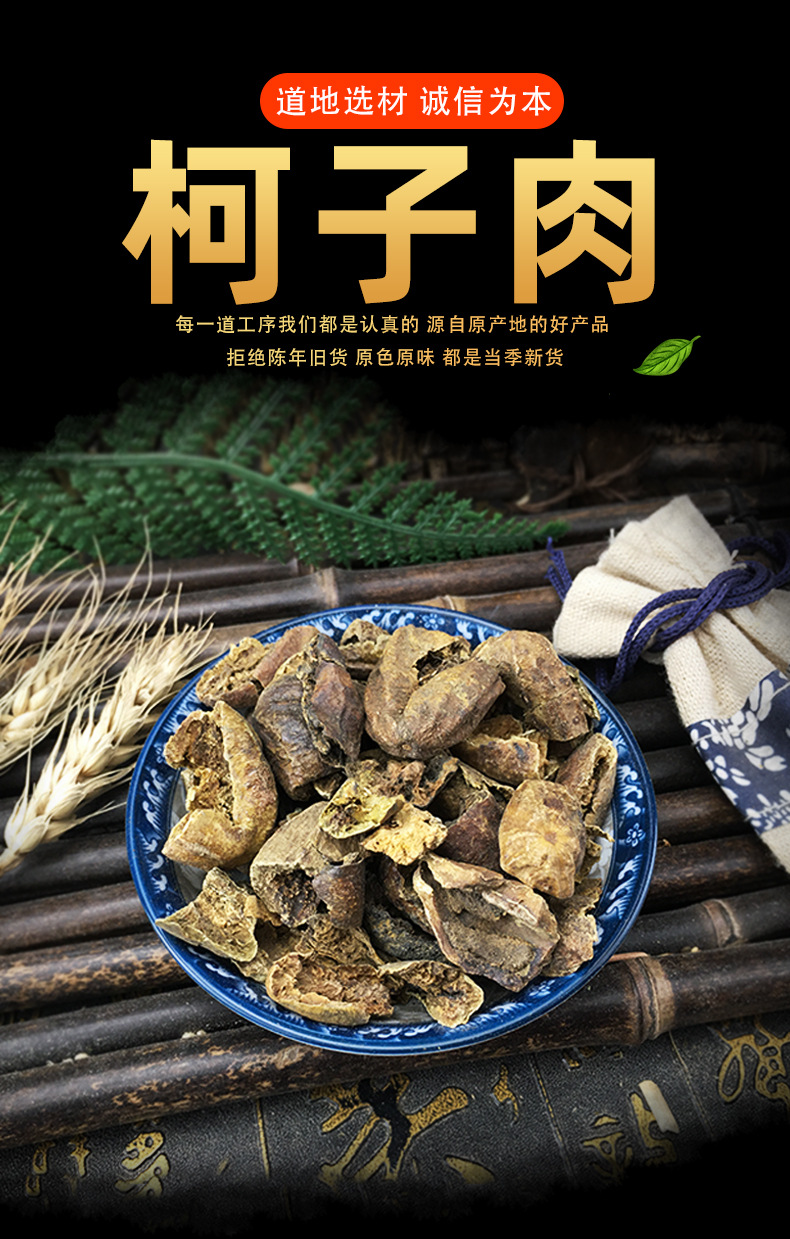
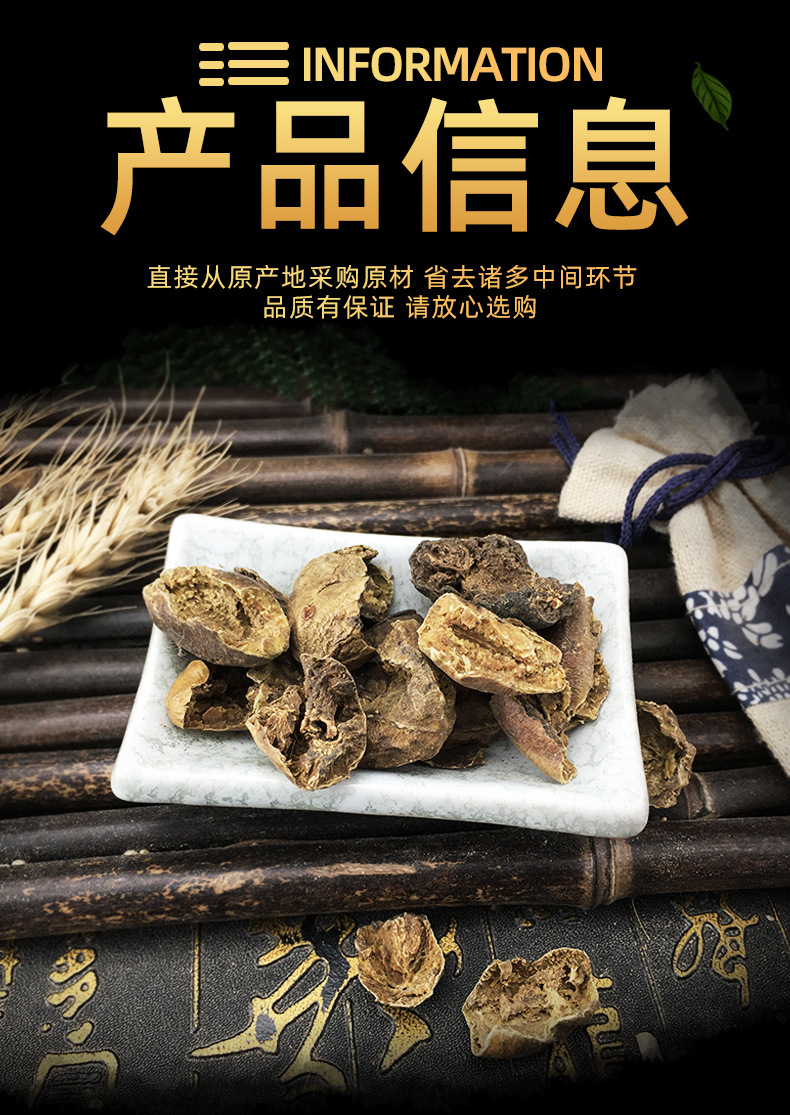
Dried Chebula Fruit, known in TCM as He Zi (诃子肉), from Terminalia chebula. These sun-dried fruit pieces are a classic Tibetan-sourced botanical traditionally valued for their astringent nature. In TCM theory, He Zi is considered bitter, sour, and neutral, traditionally associated with the lung and large intestine channels. Sold as a raw edible agricultural product for decoction, tea, or culinary use.


Key Selling Points
- Authentic He Zi 诃子肉 dried chebula fruit pieces from Tibet
- Botanical source Terminalia chebula, a respected classic TCM herb
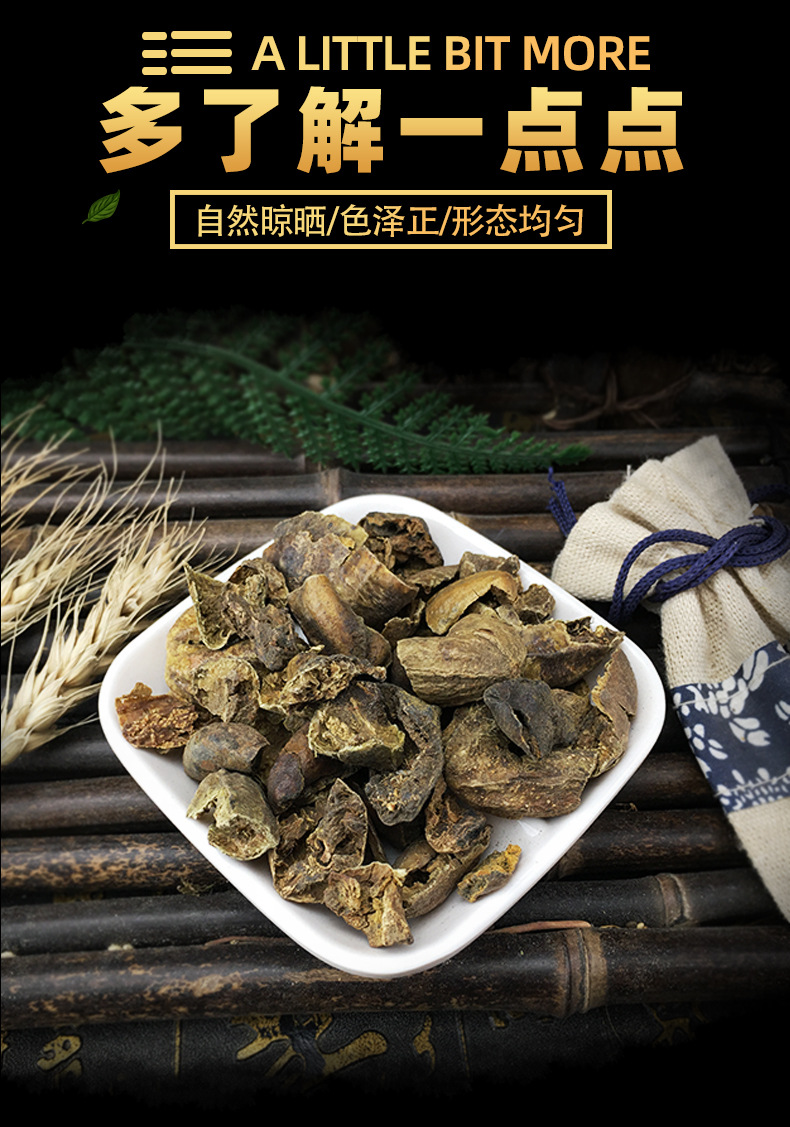
- Sun-dried and naturally processed with no further refining
- Traditionally used in decoctions and herbal formulas
- Sold by weight as a raw edible agricultural product
Quality & Sensory
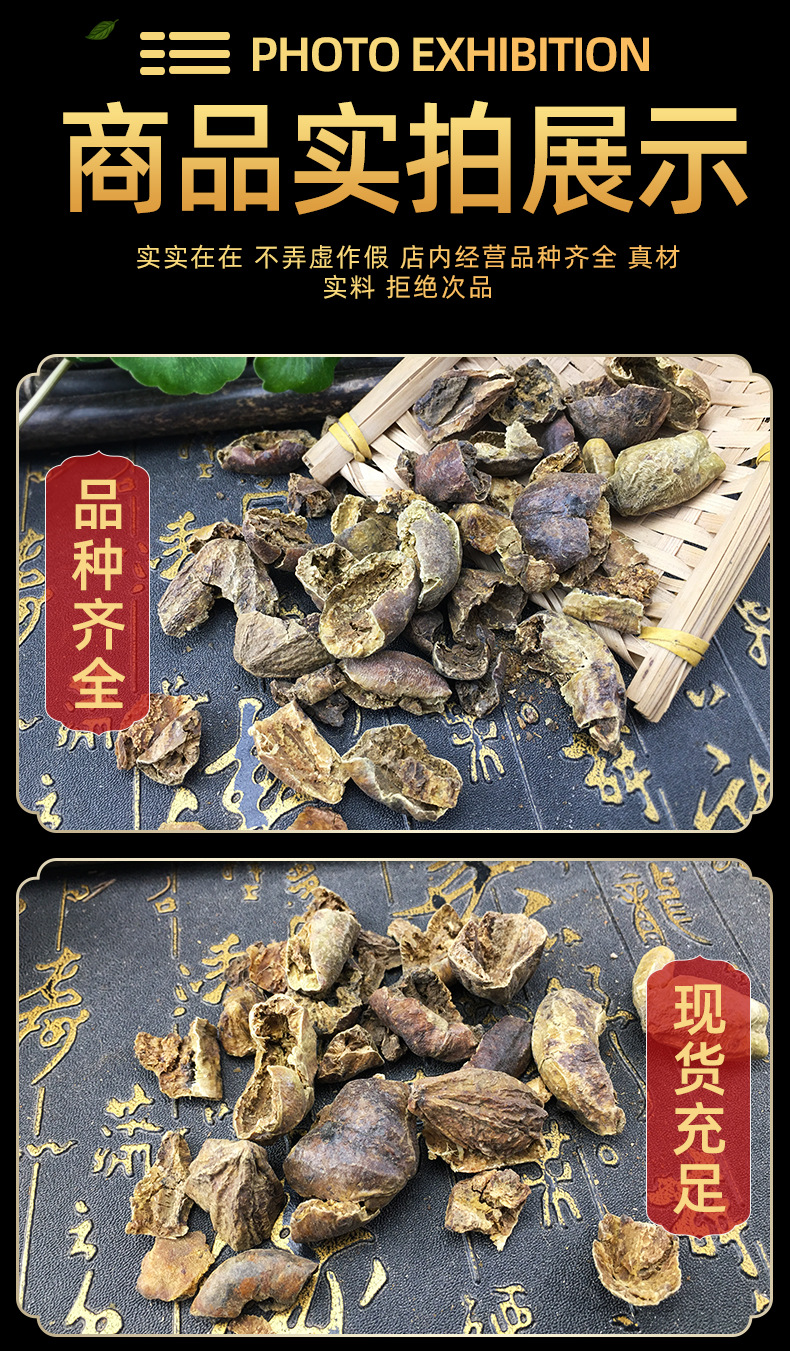
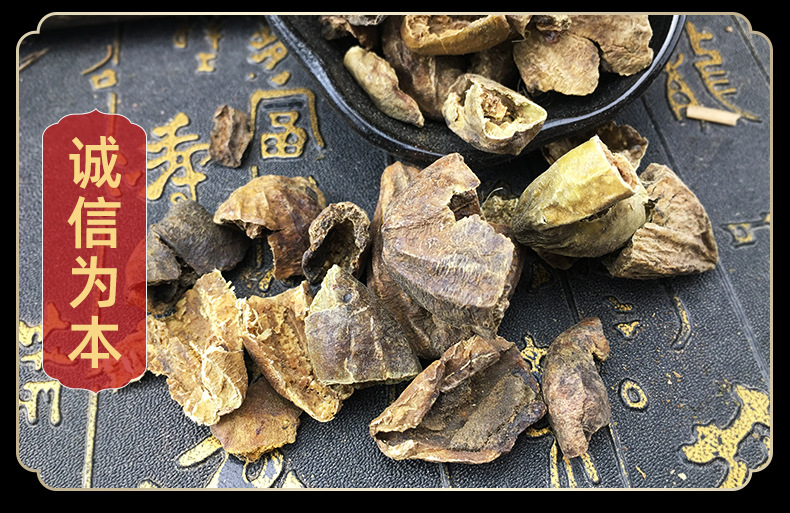
Typically yellowish-brown to dark brown fruit pieces with a wrinkled, firm texture and a faintly astringent aroma. When decocted, the liquid typically takes on a mild, sour-bitter taste characteristic of this astringent fruit.

Technical Specifications
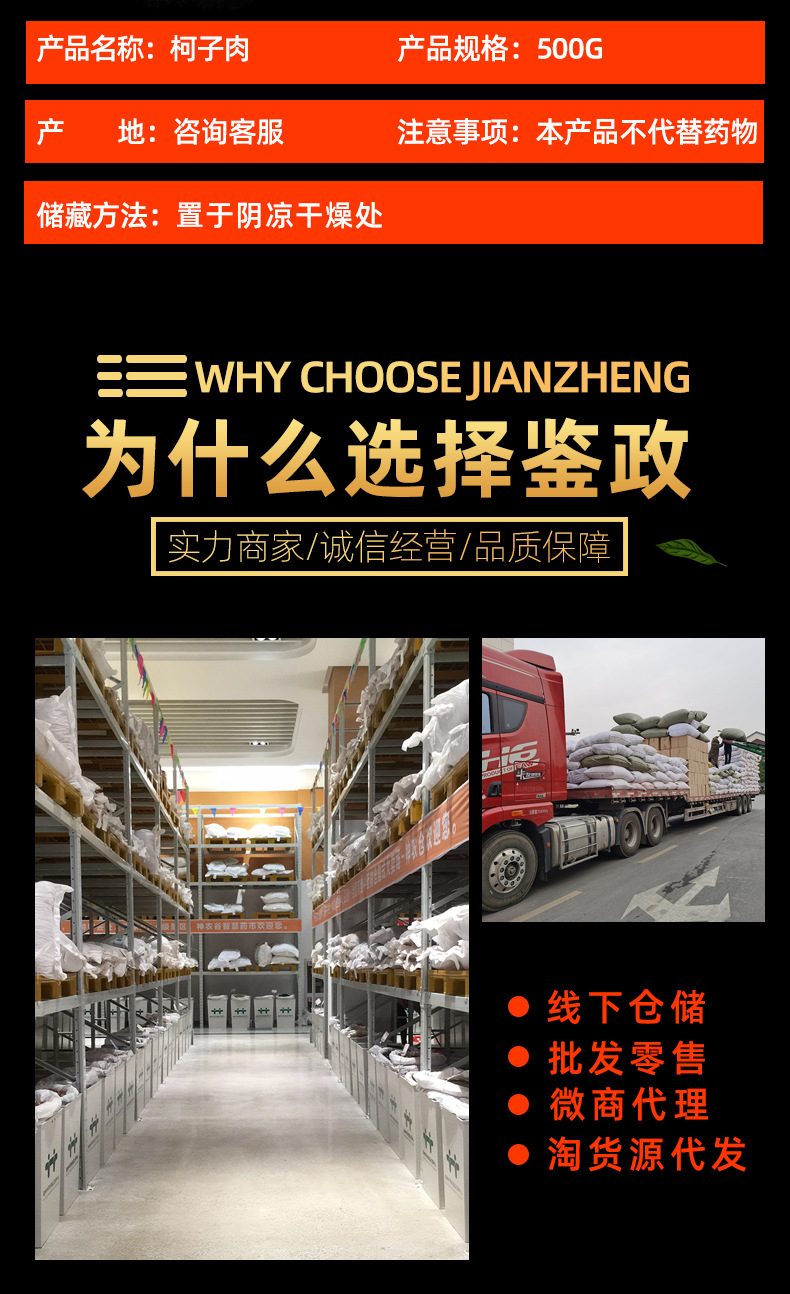
| Product Type | Raw herb decoction pieces |
|---|---|
| Chinese Name | 诃子肉 |
| Pinyin | He Zi |
| Botanical Name | Terminalia chebula |
| Plant Part | Fruit flesh |
| Net Weight | 500 g (1 jin) |
Usage Scenarios
- Simmer in herbal decoctions with other botanicals
- Brew as a single-herb traditional tea
- Add to soup or congee recipes in small amounts
- Use in seasonal herbal food preparations
Traditional Uses
In TCM practice, He Zi is traditionally used in decoctions and formulas, often paired with herbs such as Gan Cao or Bai Zhu depending on the intended traditional function. It is a classic astringent herb in materia medica texts and is also seen in Tibetan herbal traditions. Traditionally prepared by simmering the dried fruit pieces in water.
FAQ Q&A
Q: What is this product?
A: This is dried He Zi 诃子肉, the fruit flesh of Terminalia chebula, sold as a raw edible agricultural product from Tibet.
Q: What is it traditionally valued for?
A: In TCM theory it is bitter, sour, and neutral, and is traditionally associated with the lung and large intestine channels as an astringent herb.
Q: How is it commonly prepared?
A: It is typically simmered in decoctions or brewed as a tea, and may also be added to soups or congee in small amounts.

Additional information
| Weight | 0.55 kg |
|---|---|
| Dimensions | 20 × 15 × 8 cm |
Related products
-
Dried Mugwort Leaf Ai Ye 500g Chinese Herbal Bath Foot Soak and Smoke Cleansing Herb
Price range: $4.77 through $5.25 -
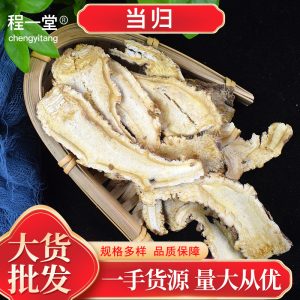
Dried Angelica Sinensis Slices Dang Gui 当归 500g Gansu Raw Herb for Decoction Soup and Tea
Price range: $16.44 through $35.88 -
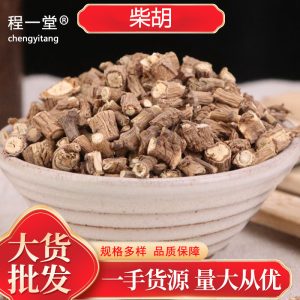
Chai Hu Bupleurum Root Dried Herb 500g Traditional TCM Decoction Herb
Price range: $9.14 through $16.44 -
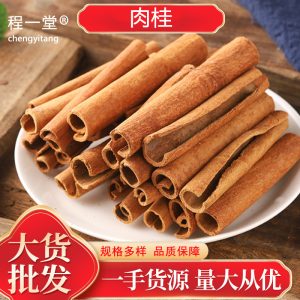
Dried Cinnamon Bark Rou Gui 500g Whole Peeling Culinary Spice and Traditional Herbal Ingredient
Price range: $5.58 through $8.33
Reviews
There are no reviews yet.