
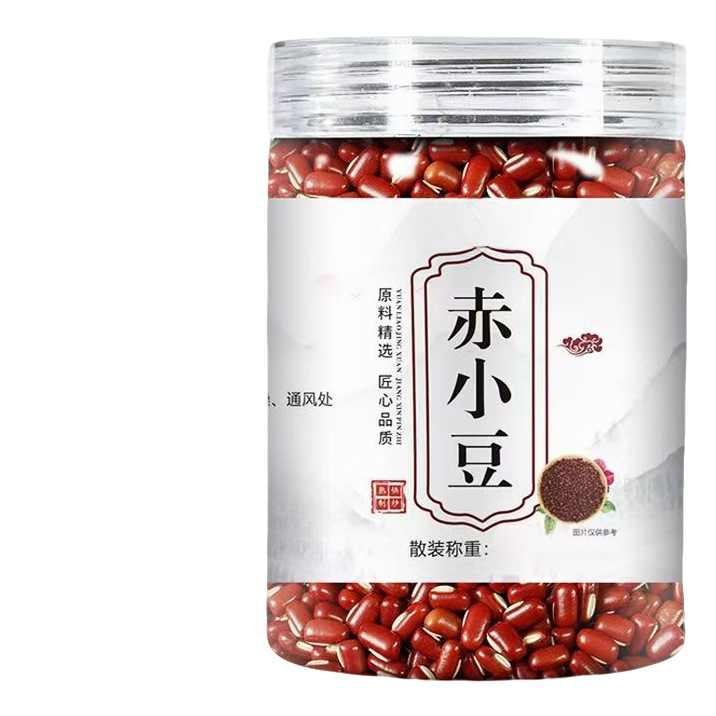
Adzuki Bean Chi Xiao Dou Whole Grains for Congee and Daily Wellness Cooking
$4.88
Out of stock
Description
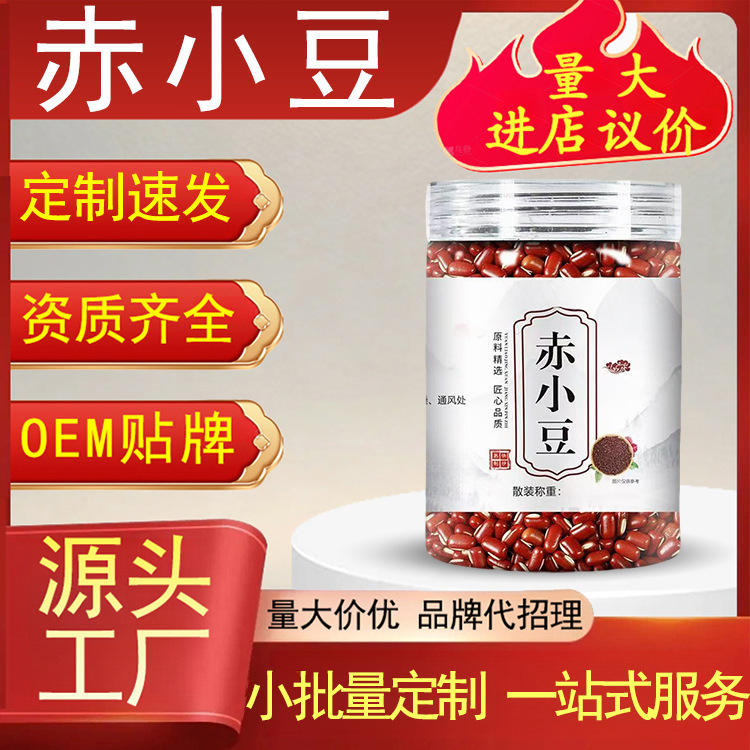
Adzuki Bean, known in TCM as Chi Xiao Dou (赤小豆), from Vigna angularis, offered as whole dried seeds for culinary use. In TCM theory, adzuki bean is considered sweet and sour in flavor and slightly cold in nature, traditionally associated with the spleen and small intestine channels. These long-grain beans are hand-selected and suited for congee, soups, and everyday nourishing cooking. This is a food product and not a substitute for medicine.


Key Selling Points
- Whole dried adzuki beans sold as edible agricultural produce
- Known in TCM as Chi Xiao Dou (赤小豆) from Vigna angularis
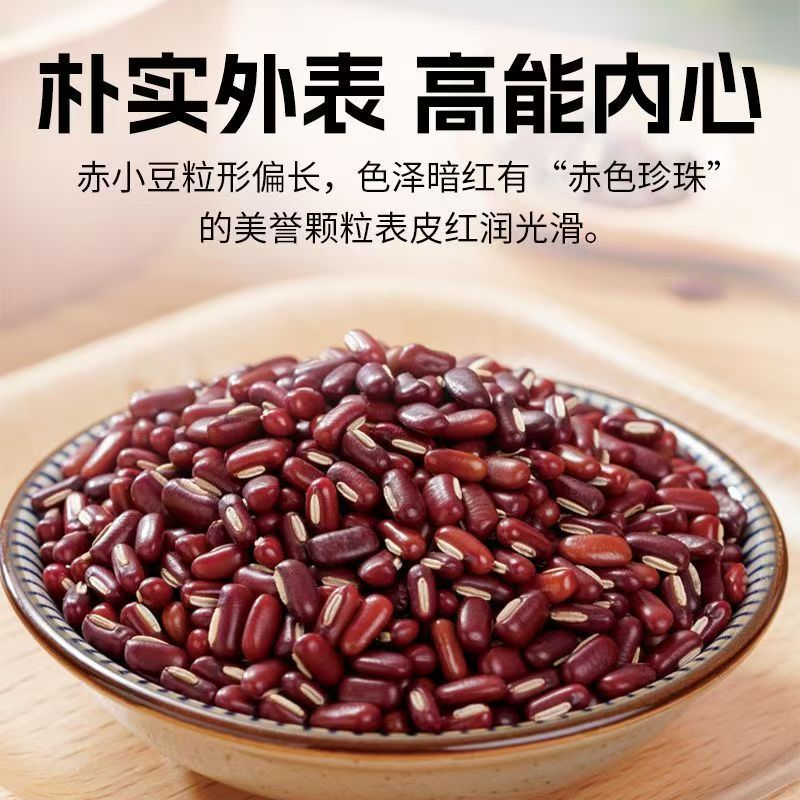
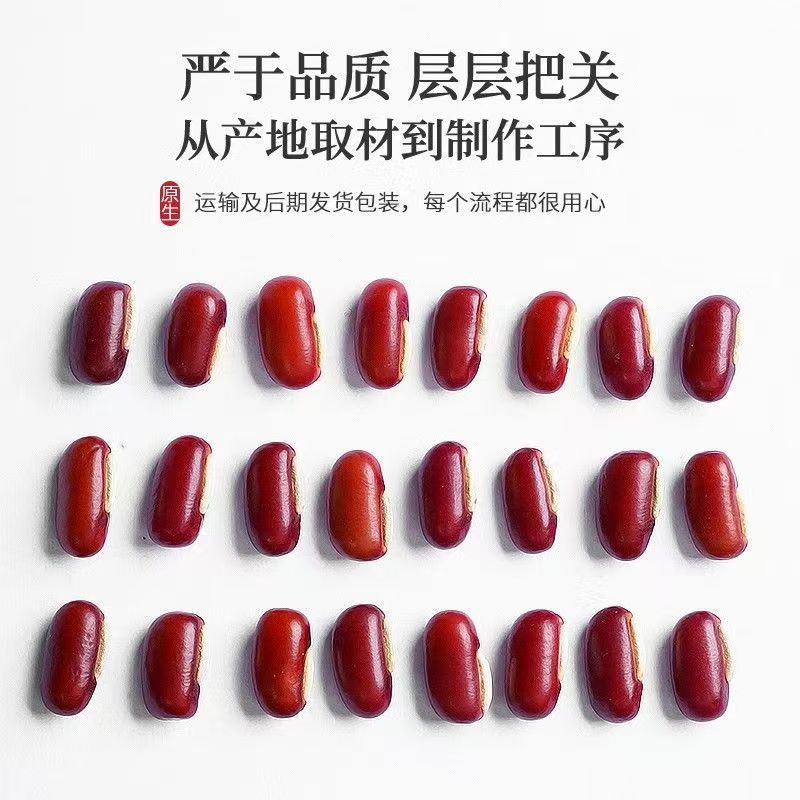
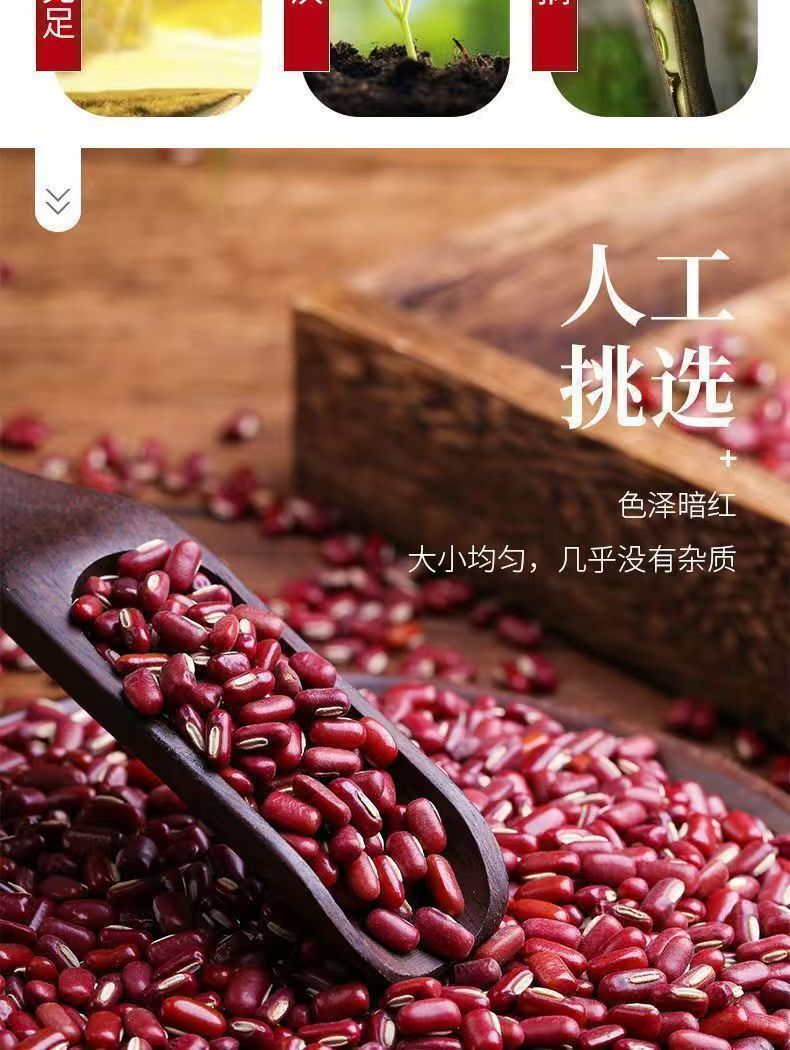
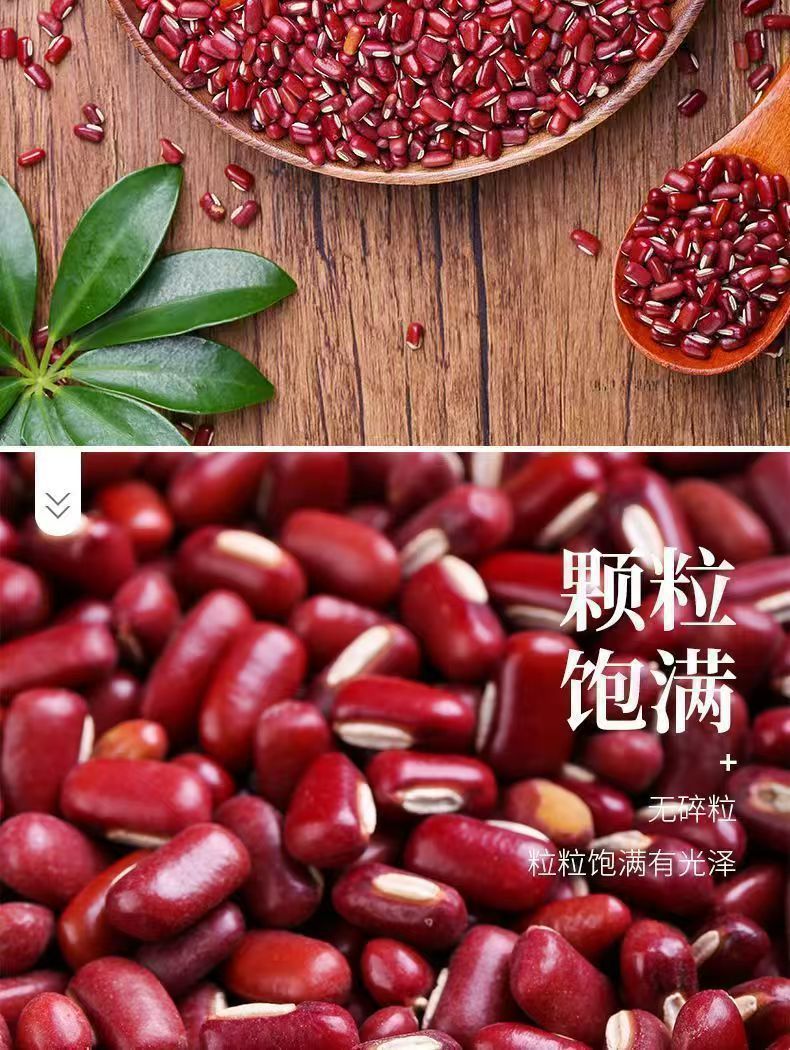
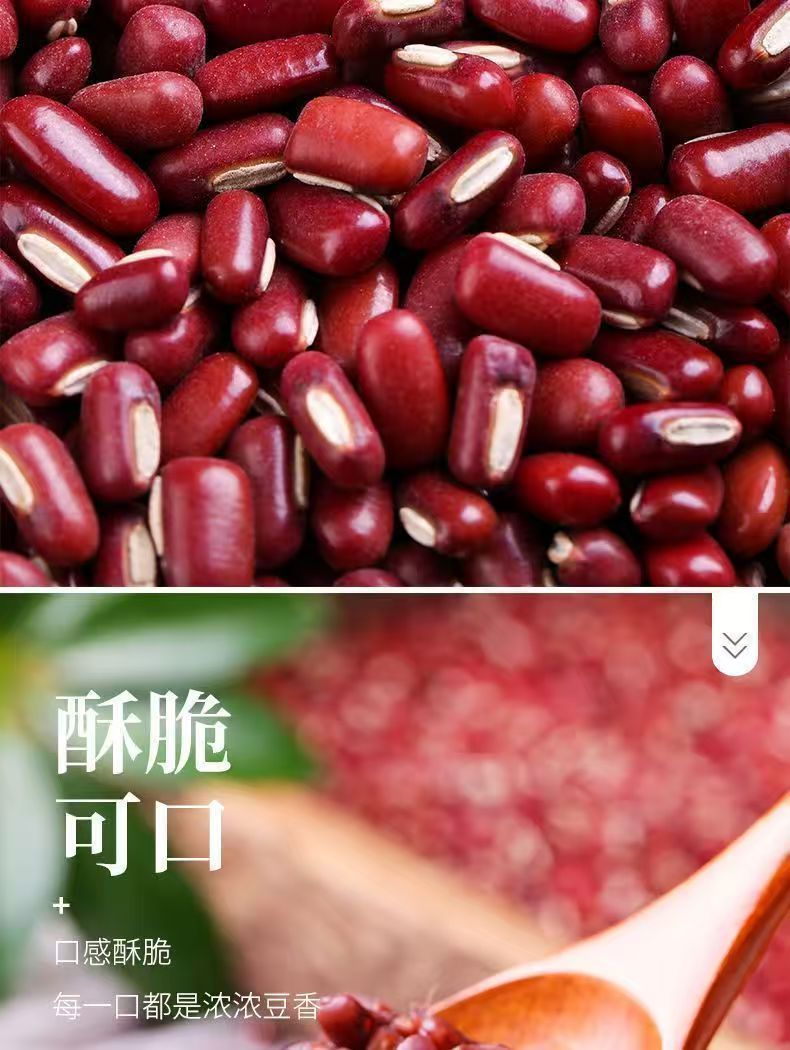
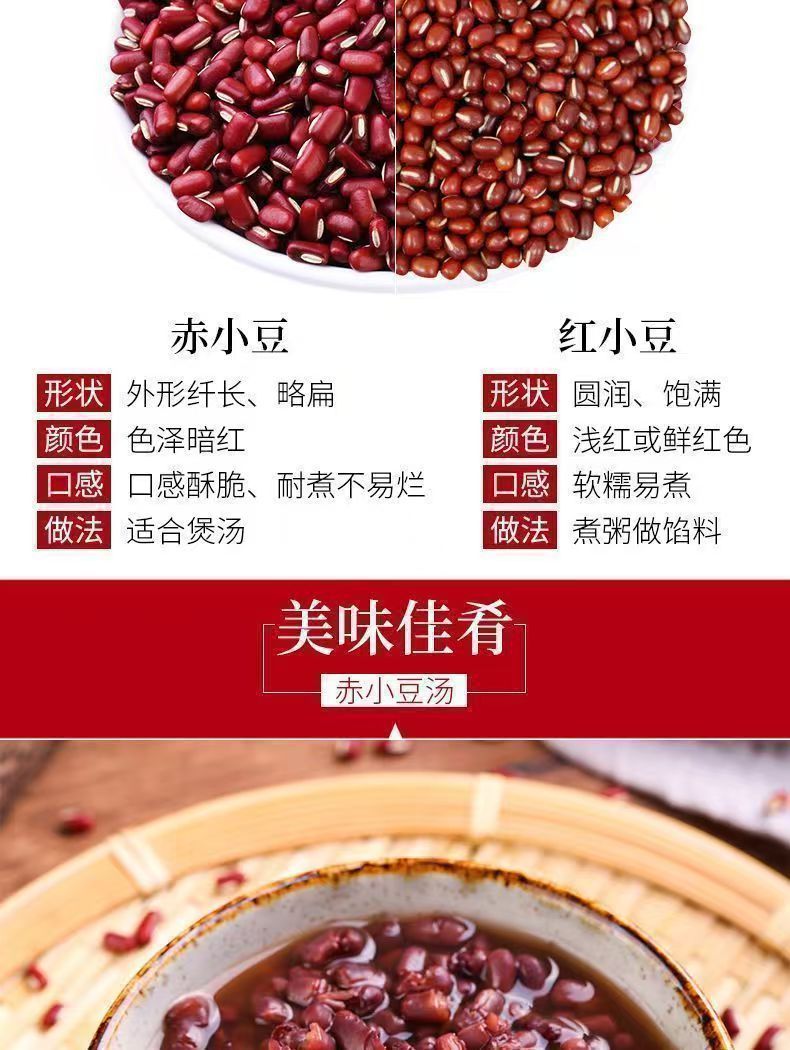
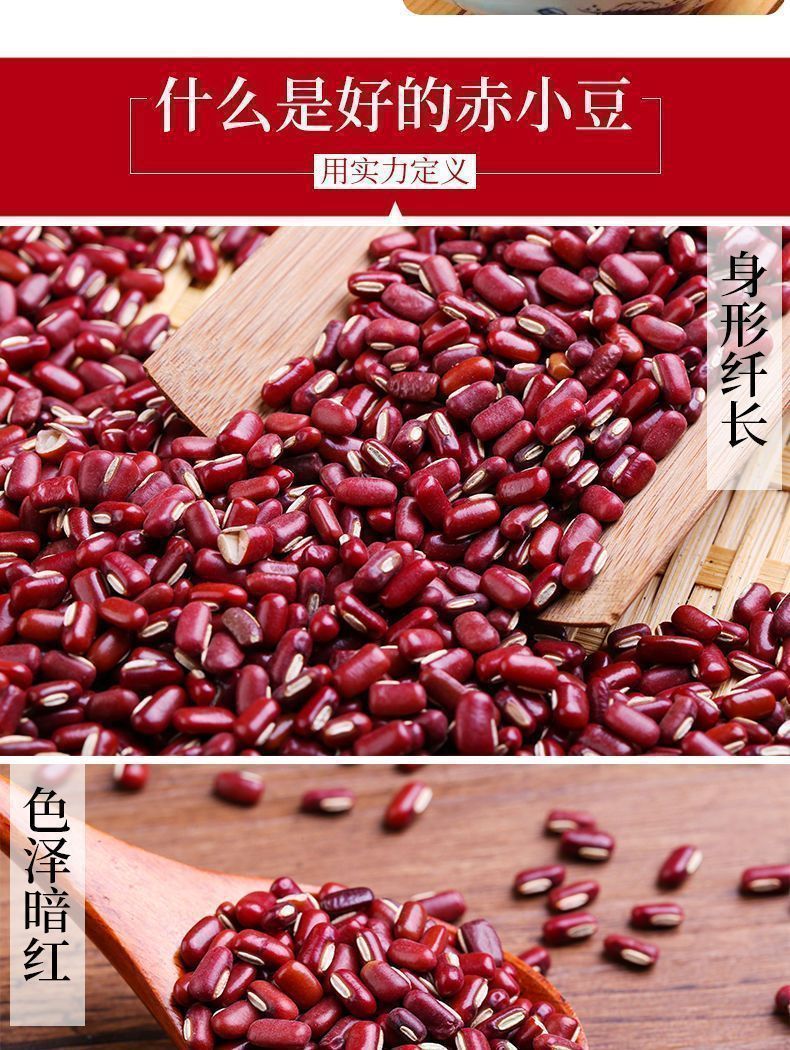
- Long-grain seeds hand-selected for uniform quality
- Traditionally used in TCM for congee and nourishing dishes
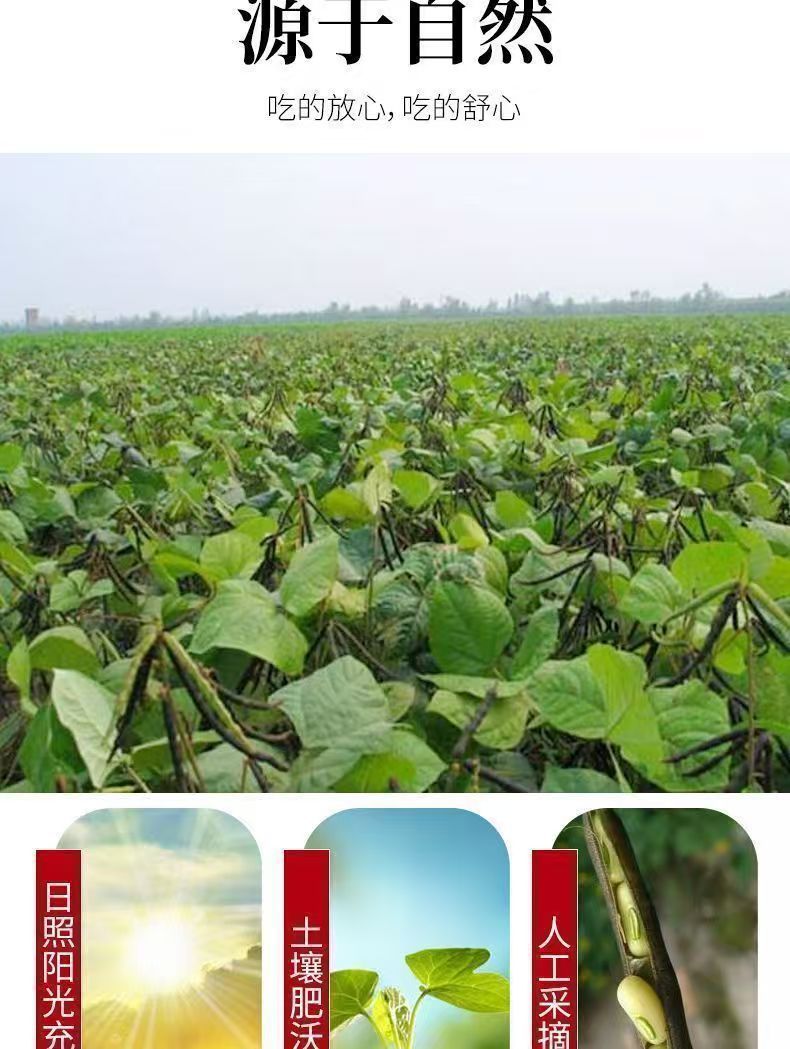
- Sourced from Anhui and stored best in a cool dry place
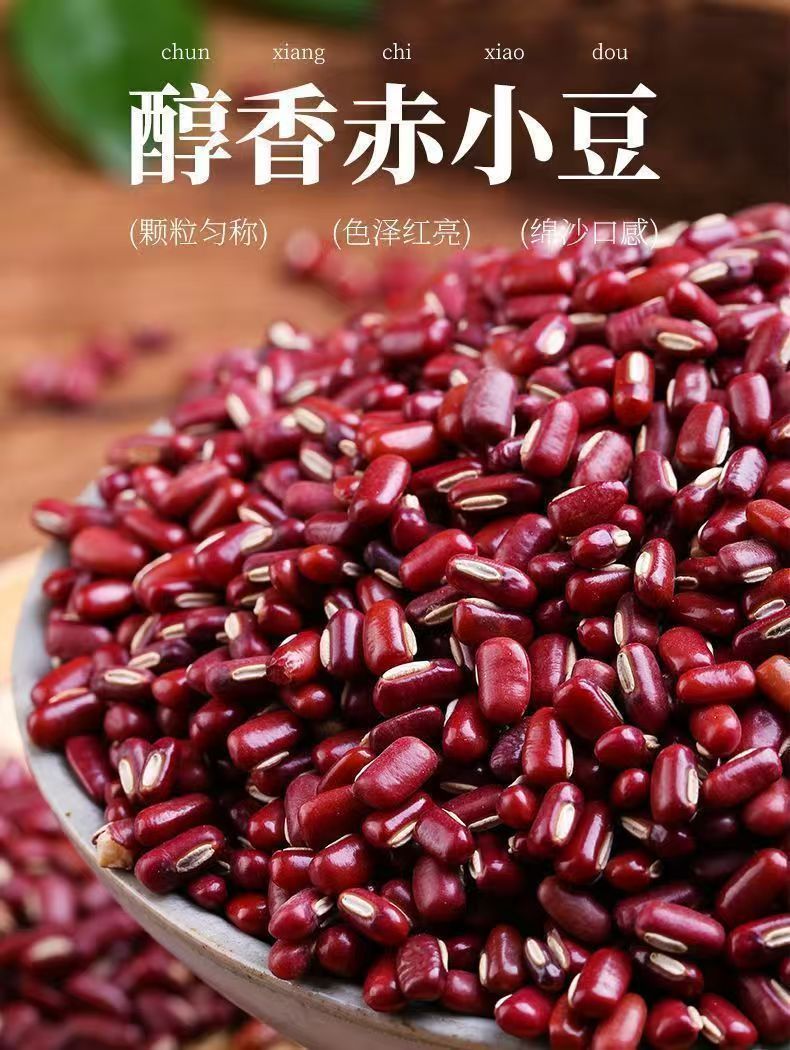
Quality & Sensory
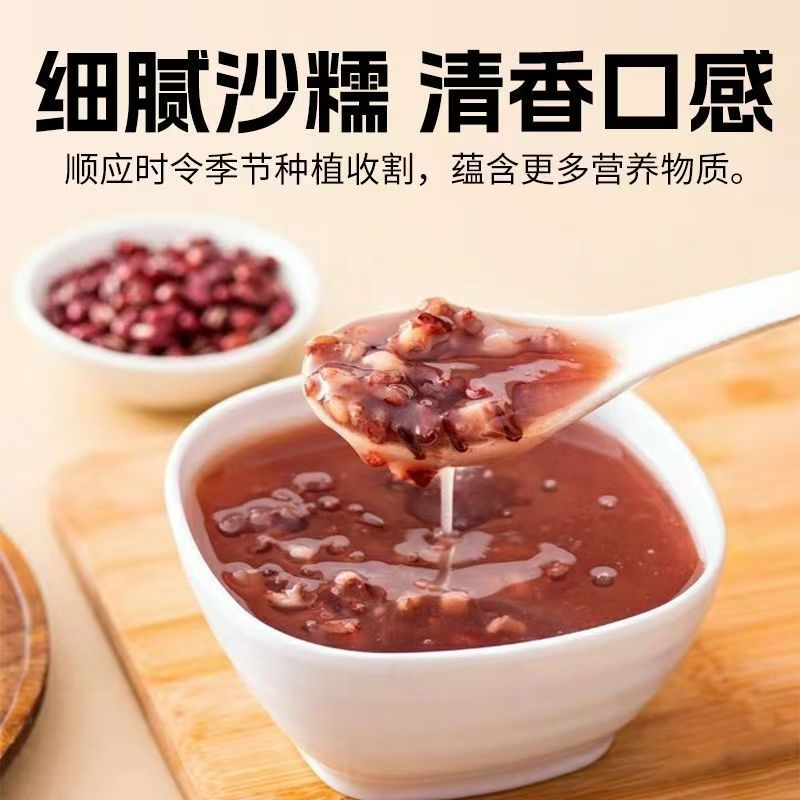
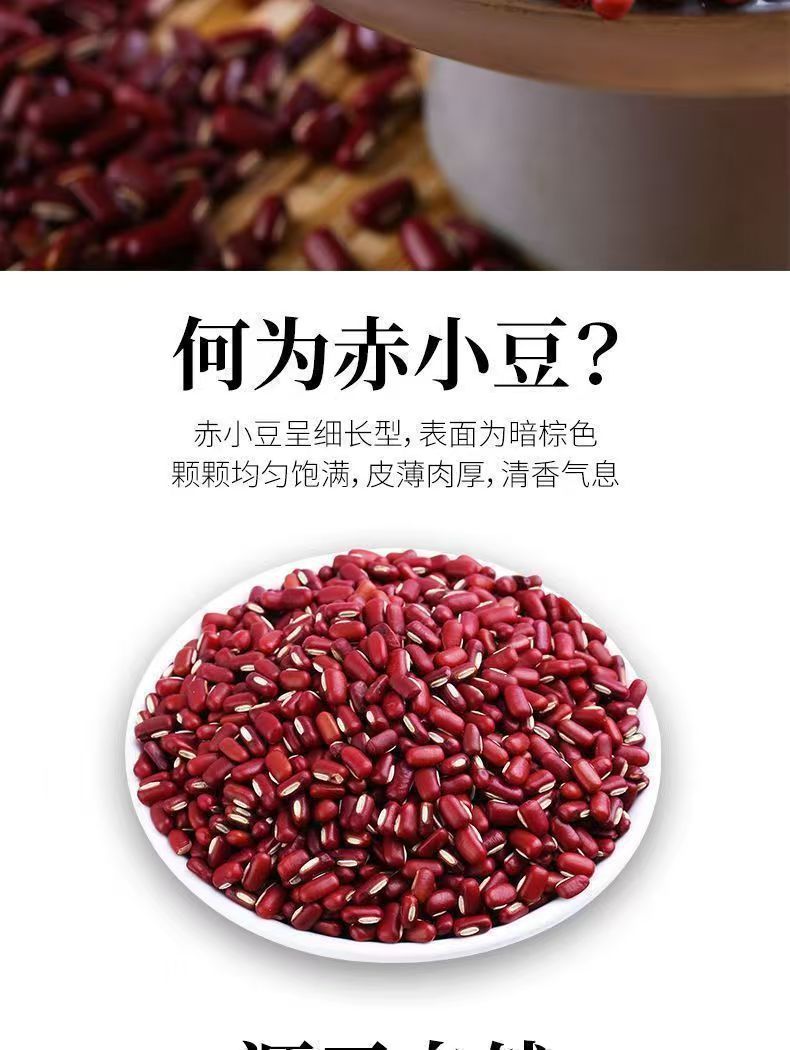
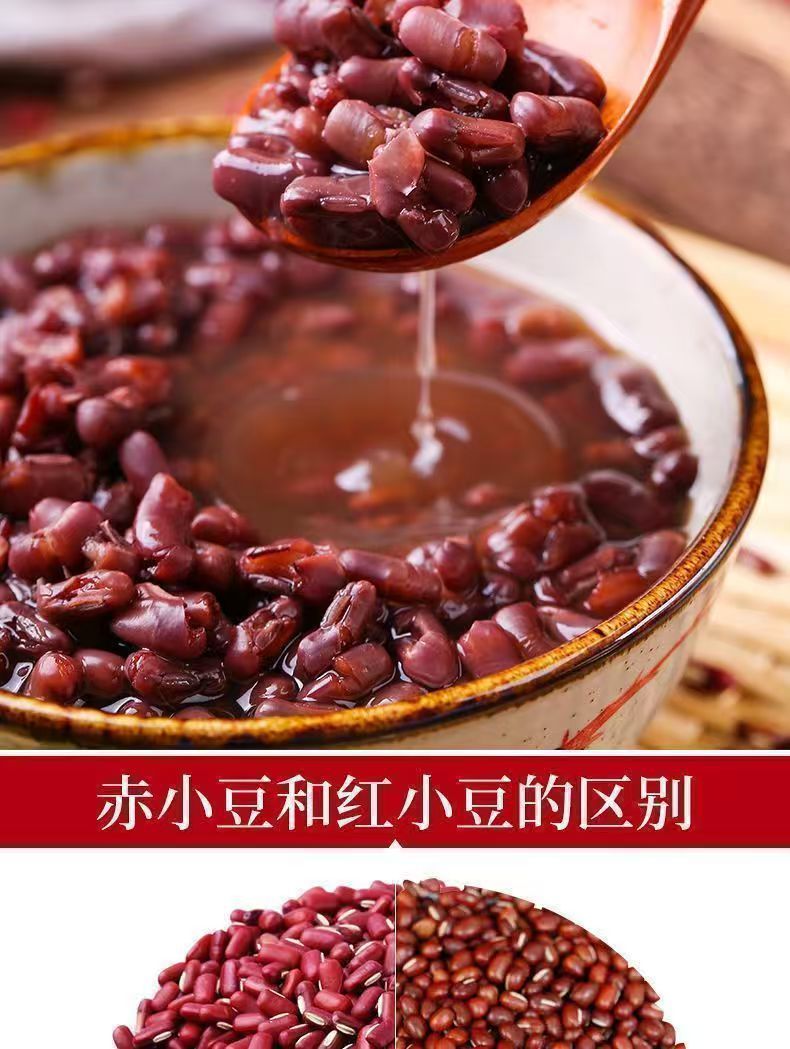
Typically deep reddish-brown with a slim elongated shape and smooth firm texture. The beans have a mild earthy aroma, and when simmered they typically turn tender with a subtly sweet, starchy taste.
Technical Specifications
| Product Type | Dried adzuki beans |
|---|---|
| Chinese Name | 赤小豆 |
| Pinyin | Chi Xiao Dou |
| Botanical Name | Vigna angularis |
| Plant Part | Seeds |
| Processing | Hand-selected |
Usage Scenarios
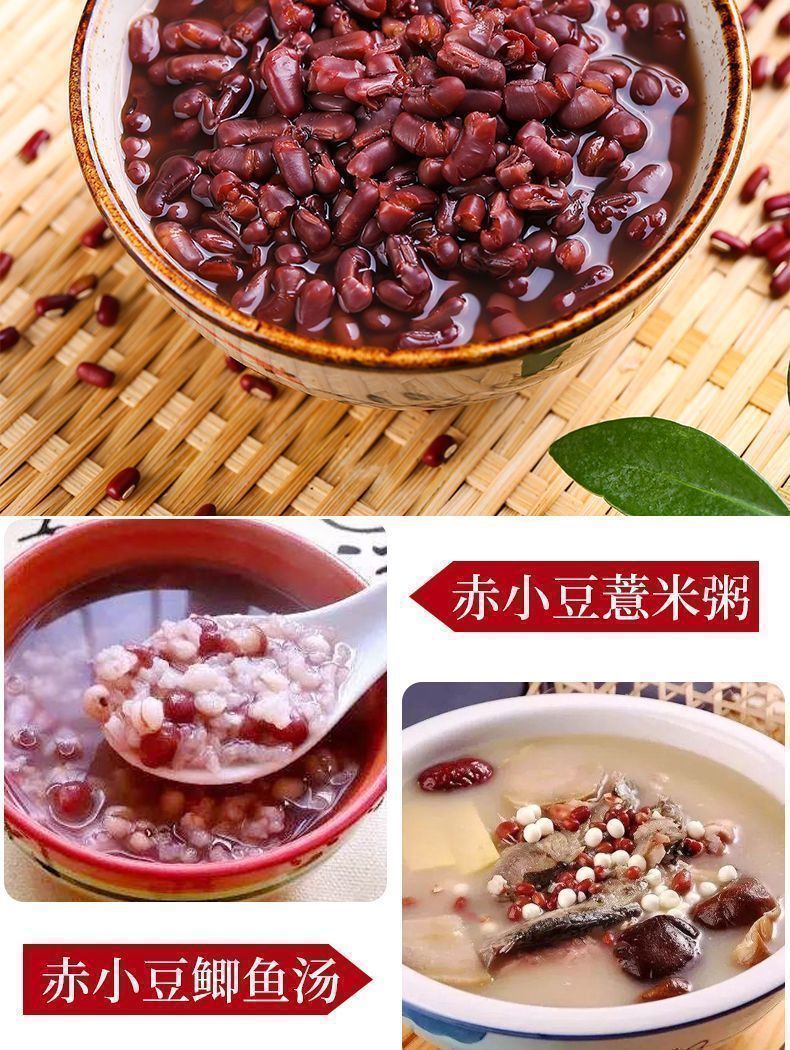
- Simmer into red bean congee for breakfast
- Add to soups and herbal grain mixes
- Cook with lotus seed or coix seed in traditional recipes
- Use in seasonal red bean desserts and pastes
Traditional Uses
In TCM practice, Chi Xiao Dou is traditionally used in congee and decoctions, often paired with coix seed (Yi Yi Ren) or lotus seed in dampness-supporting food recipes. It is a common ingredient in summer red bean drinks and everyday nourishing soups, valued in folk cooking for its mild sweet-sour character.
FAQ Q&A
Q: What is this product?
A: It is whole dried adzuki bean seeds, known in TCM as Chi Xiao Dou (赤小豆), sold as edible agricultural produce from Anhui.
Q: What is its traditional value?
A: In TCM theory it is sweet and sour with a slightly cold nature, traditionally associated with the spleen and small intestine channels and used in nourishing congee and soups.
Q: How is it commonly prepared?
A: Rinse and simmer the beans until tender for congee, soups, or traditional red bean dishes; it is not a substitute for medicine.
Additional information
| Weight | 0.6 kg |
|---|---|
| Dimensions | 15 × 12 × 12 cm |
Related products
-
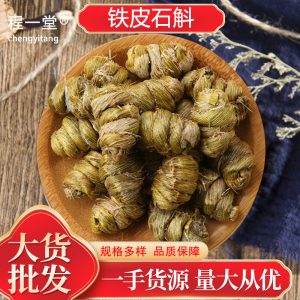
Tie Pi Shi Hu Dried Dendrobium Stems 500g Huoshan Fengdou for Soup and Tea
Price range: $35.88 through $108.80 -
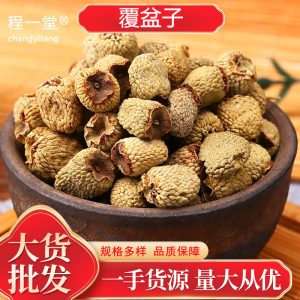
Dried Raspberry Fruit Fu Pen Zi 500g Whole Berries for Herbal Tea and Wine Infusion
Price range: $14.00 through $16.44 -
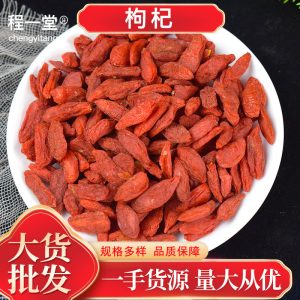
Ningxia Goji Berries Gou Qi Zi 500g Dried Red Wolfberry for Tea Soup and Snacking
Price range: $7.20 through $16.44 -
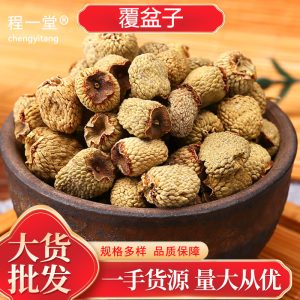
Dried Raspberry Fruit Fu Pen Zi Whole Berries for Herbal Tea and Wine Infusion 500g
Price range: $15.63 through $18.06
Reviews
There are no reviews yet.