
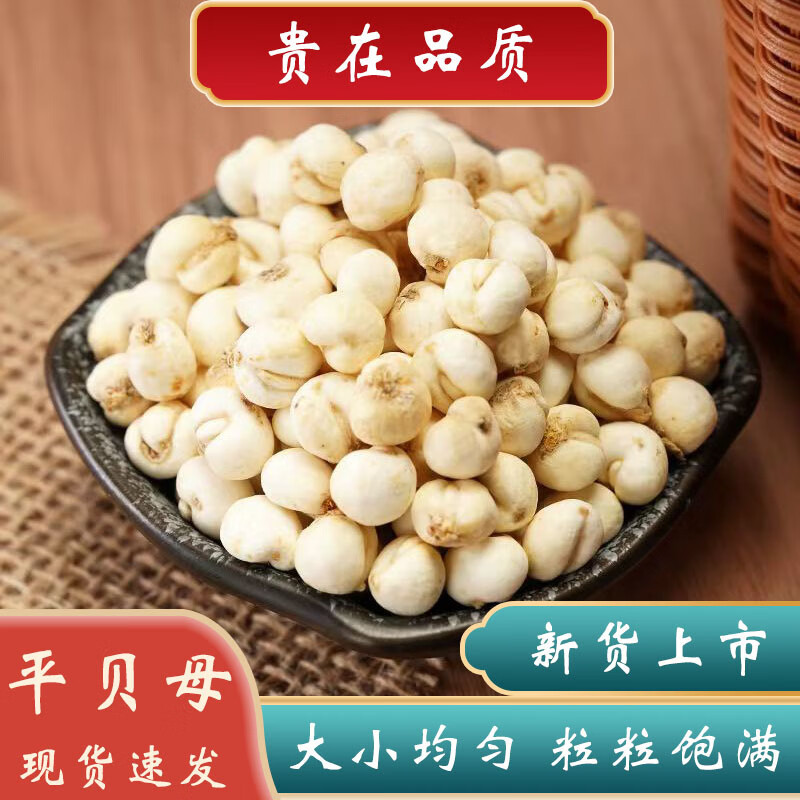
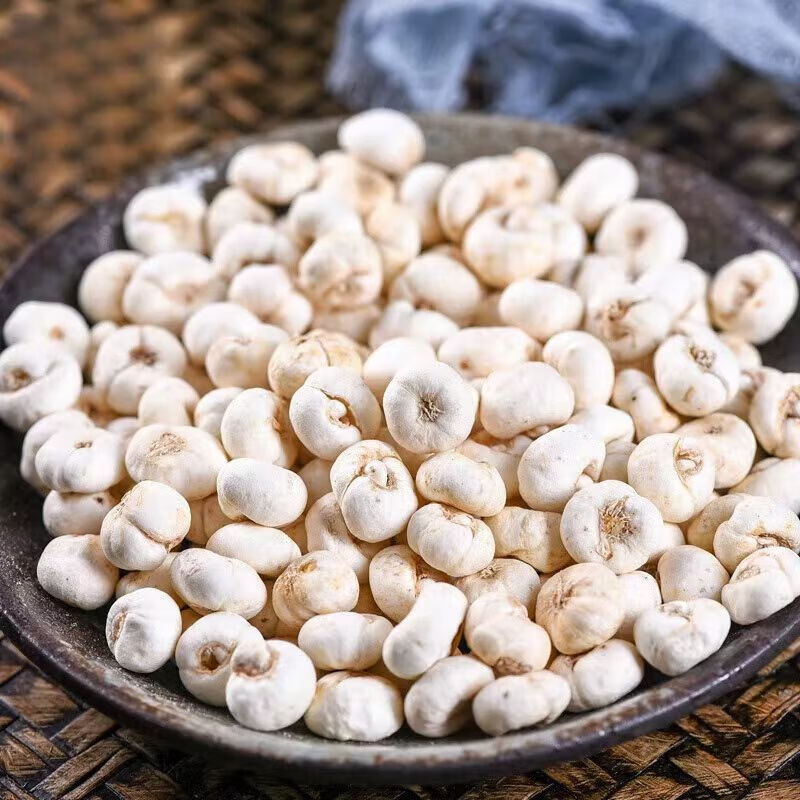
Ping Bei Mu Dried Fritillaria Bulbs 500g TCM Herbal Decoction Ingredient for Pear Soup and Herbal Tea
Price range: $31.55 through $54.26
Description
Dried Fritillaria Bulbs, known in TCM as Ping Bei Mu (平贝母), from Fritillaria ussuriensis, a small bulbous herb. In TCM theory it is bitter and slightly cold, traditionally associated with the Lung meridian. These selected whole bulbs are commonly simmered in pear soup or herbal decoctions. Store refrigerated and use as part of traditional herbal preparations.
Key Selling Points
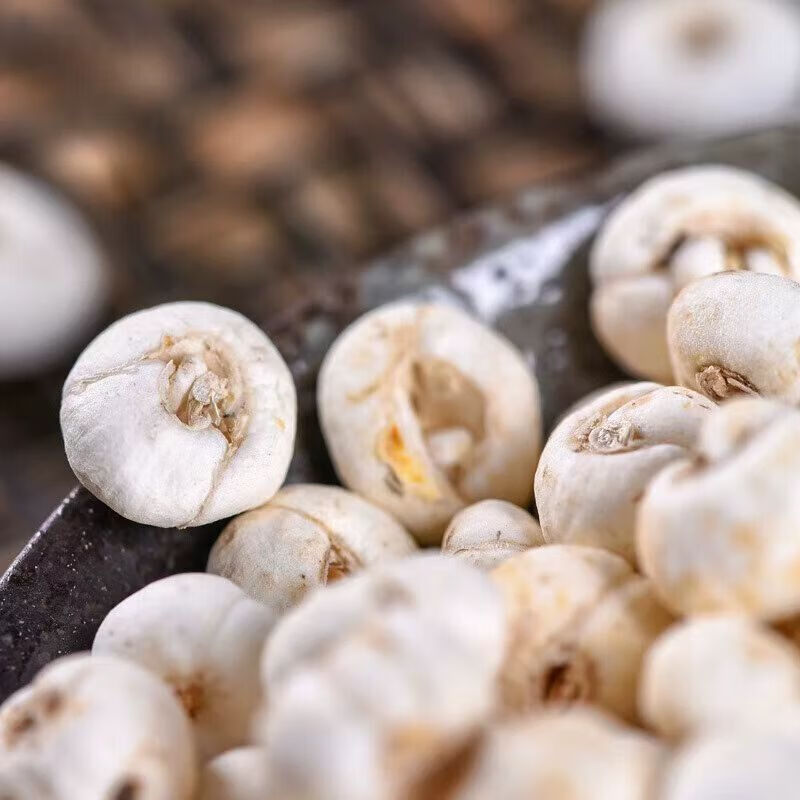
- Selected whole Ping Bei Mu bulbs, a classic TCM bulbous herb
- Botanical source Fritillaria ussuriensis, plant part is the dried bulb
- Traditionally associated with the Lung meridian in TCM theory
- 500g value pack of small uniform dried bulbs
- Commonly paired with snow pear and loquat in traditional home recipes
Quality & Sensory
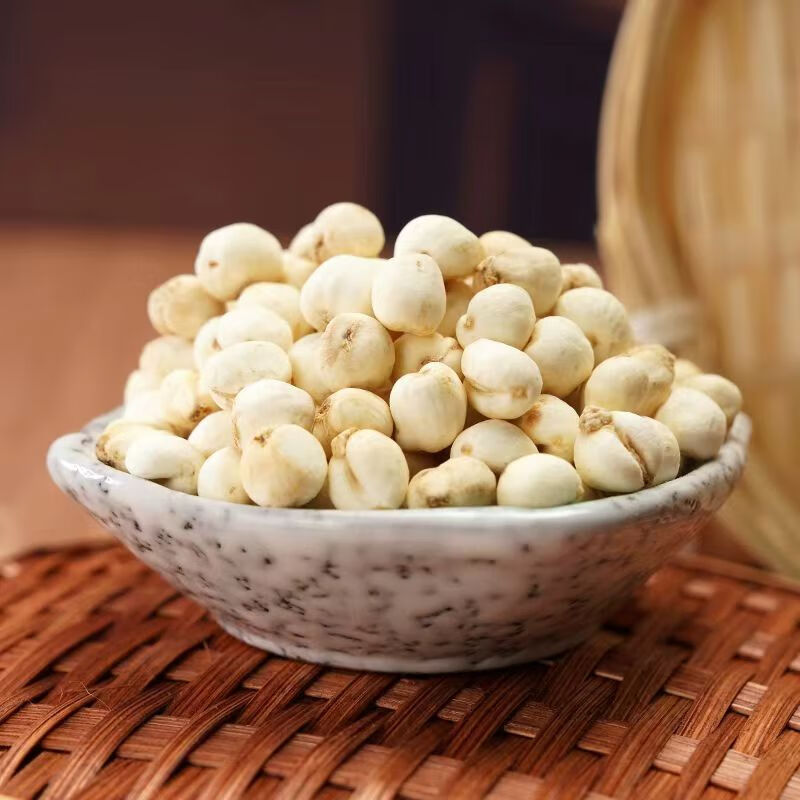
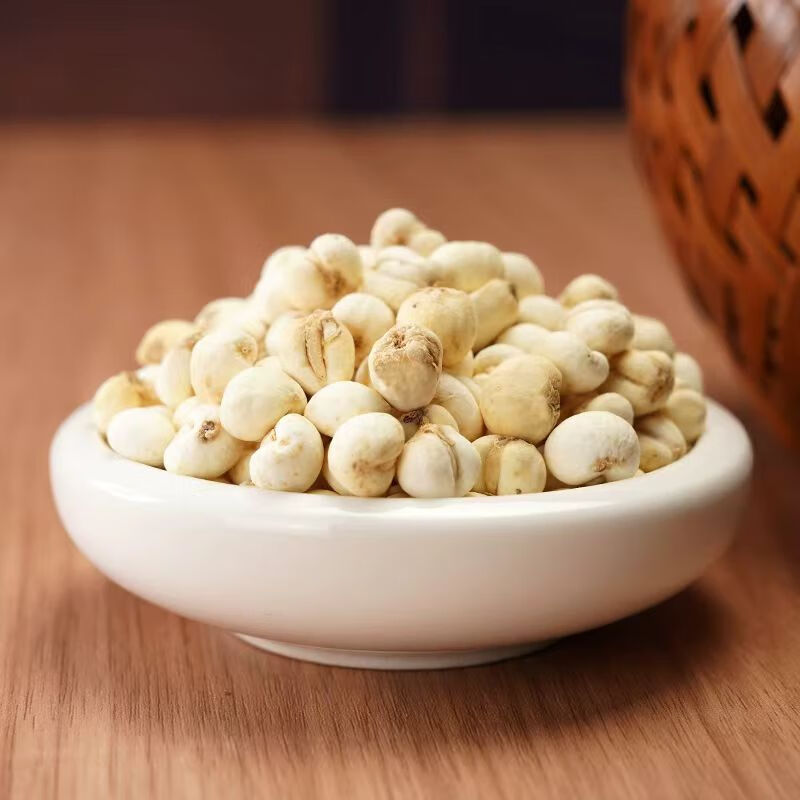
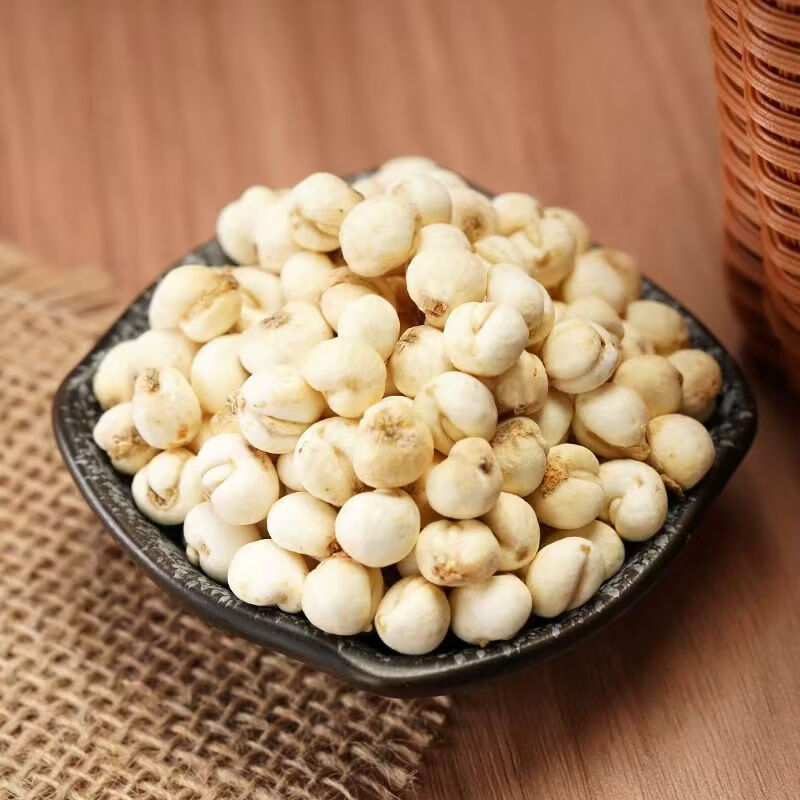
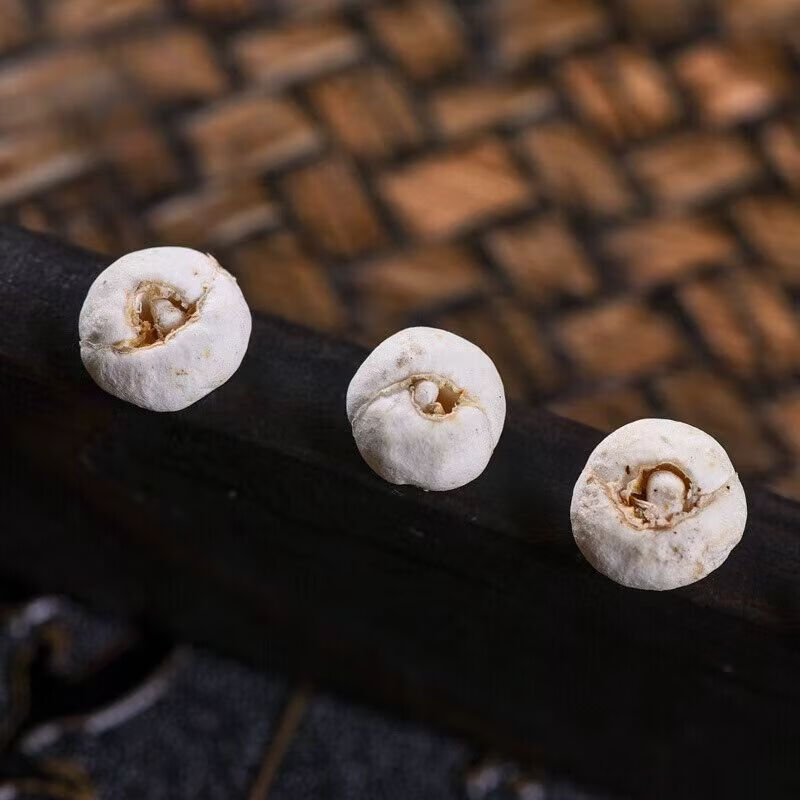
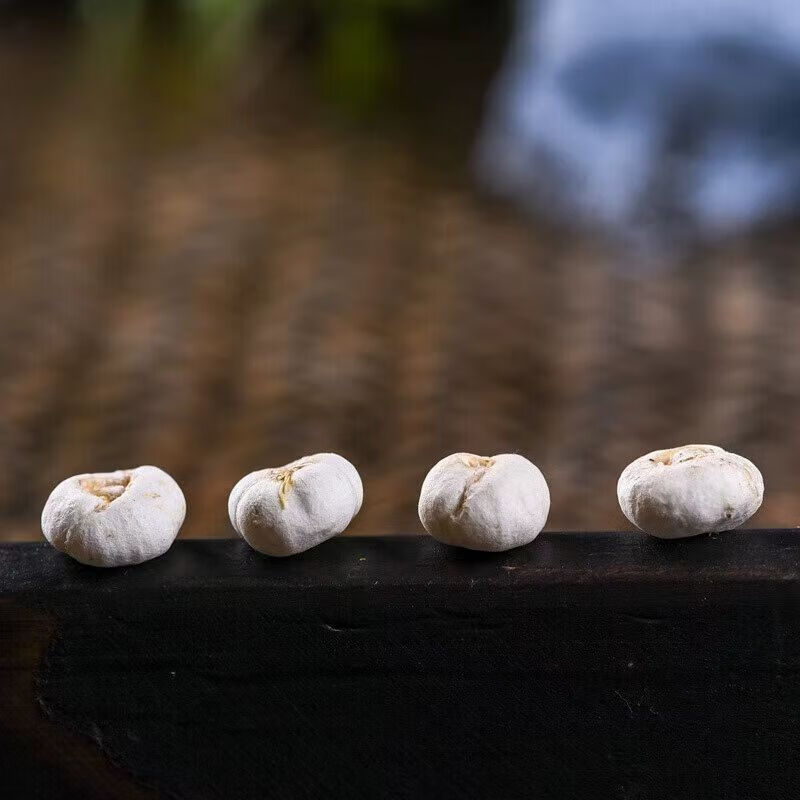
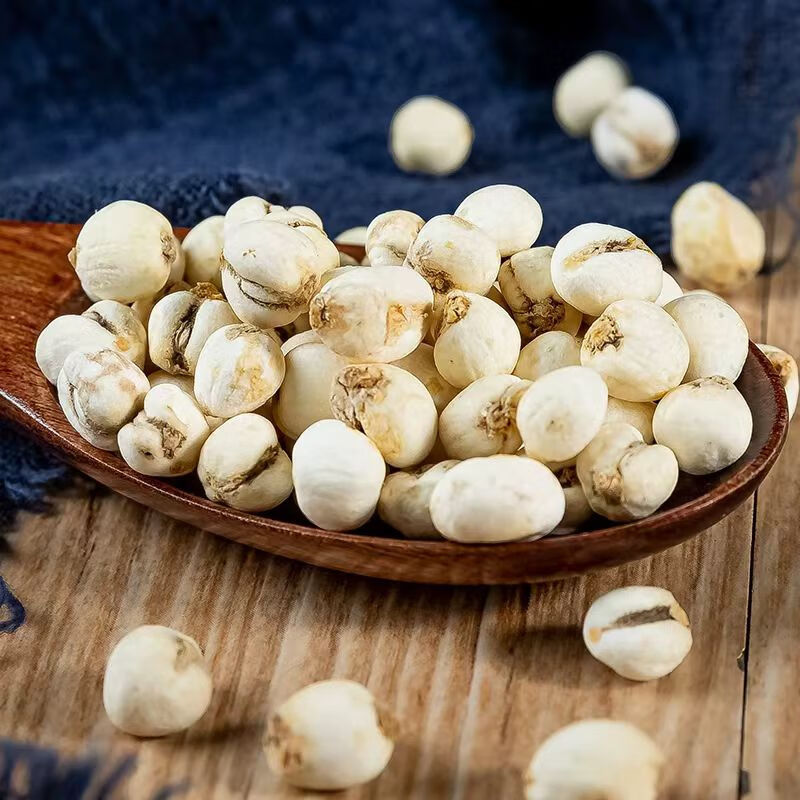
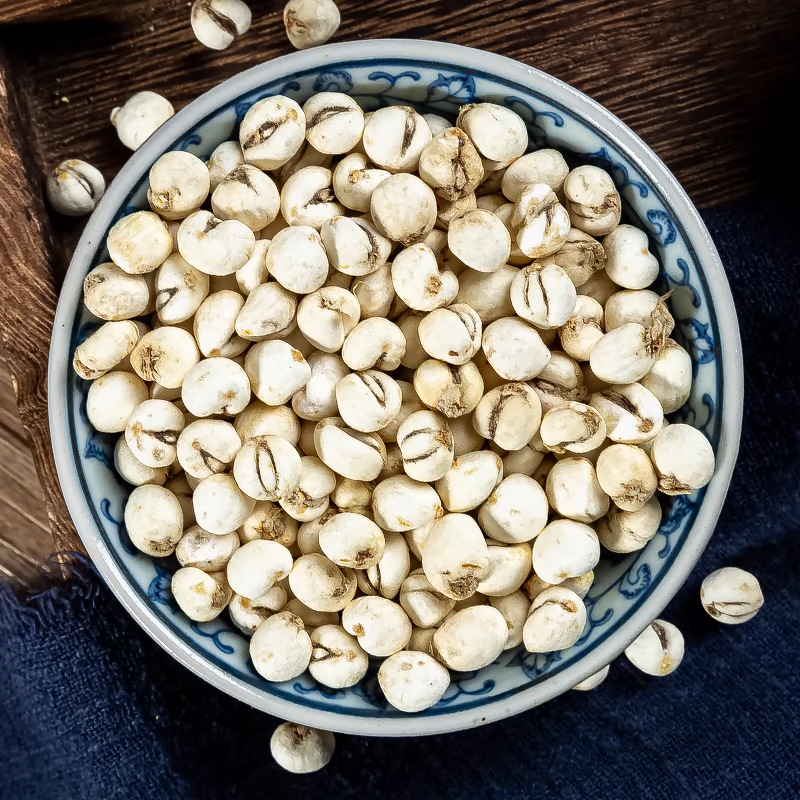
The bulbs are typically small, rounded, and pale whitish to light yellow with a firm, starchy texture. They have a faint herbal aroma and a characteristically bitter taste when simmered or decocted.
Technical Specifications
| Product Type | Dried TCM herb |
|---|---|
| Chinese Name | 平贝母 |
| Pinyin | Ping Bei Mu |
| Botanical Name | Fritillaria ussuriensis |
| Plant Part | Dried bulb |
| Net Weight | 500g |
Usage Scenarios
- Simmered into snow pear soup as a traditional seasonal recipe
- Added to herbal decoctions prepared at home
- Cooked into congee with other mild herbs
- Used in traditional herbal tea blends
Traditional Uses
In traditional Chinese practice, Ping Bei Mu is a well-known bulb herb often simmered with snow pear or paired with loquat leaf in home-style decoctions, especially during dry seasons. It is traditionally prepared by steaming or slow simmering with rock sugar, and is a familiar ingredient in family herbal kitchens for seasonal wellness recipes.
FAQ Q&A
Q: What is this product?
A: It is 500g of selected dried Ping Bei Mu (平贝母) bulbs, a traditional Chinese herb from Fritillaria ussuriensis.
Q: What is its traditional value?
A: In TCM theory it is bitter and slightly cold and traditionally associated with the Lung meridian. It has long been used in seasonal home recipes.
Q: How is it commonly prepared?
A: It is typically simmered with snow pear and rock sugar or added to herbal decoctions and congee. Follow traditional recipes or professional guidance for preparation.
Additional information
| Weight | N/A |
|---|---|
| Dimensions | N/A |
| Packaging specifications | Selected flat fritillary 500g, Selected flat fritillary 1000g |
Related products
-
Tie Pi Shi Hu Dried Dendrobium Stems 500g Huoshan Fengdou for Soup and Tea
Price range: $35.88 through $108.80 -
Astragalus Root Slices Huang Qi 500g Dried Herb for Soups and Teas
Price range: $7.36 through $22.11 -
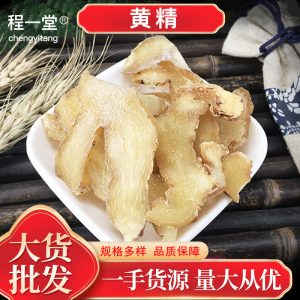
Dried Huang Jing Slices Polygonatum Rhizome Chicken Head Huang Jing 500g Bulk Herbal Tea and Soup Ingredient
Price range: $9.14 through $18.87 -
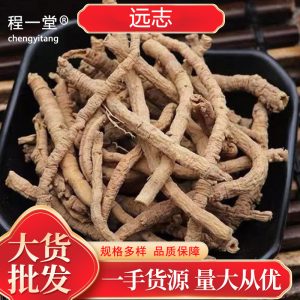
Dried Polygala Root Yuan Zhi 500g Traditional Chinese Herb for Decoction
Price range: $18.87 through $24.54
Reviews
There are no reviews yet.