
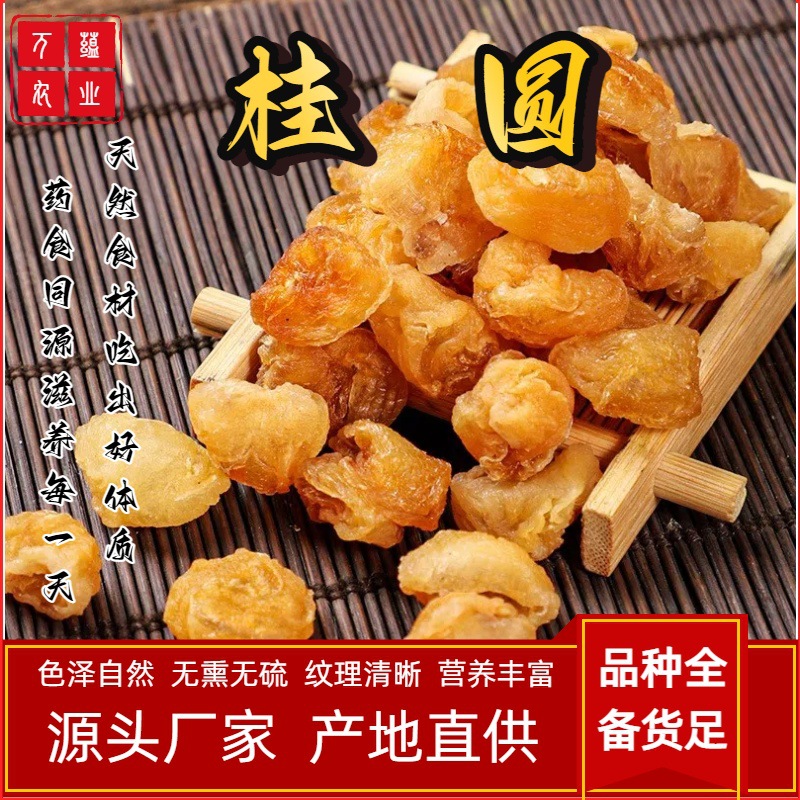
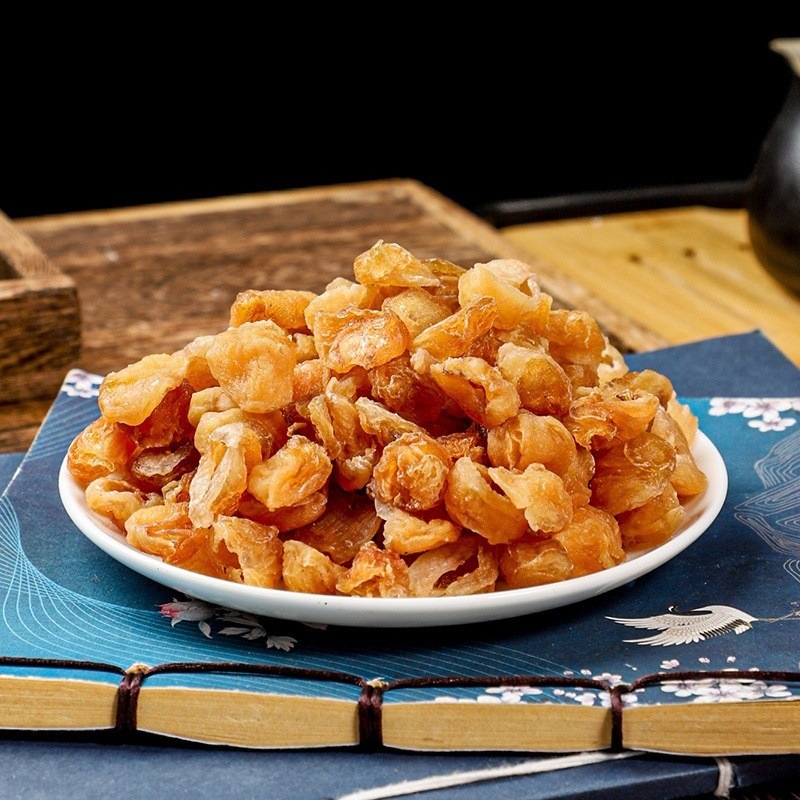
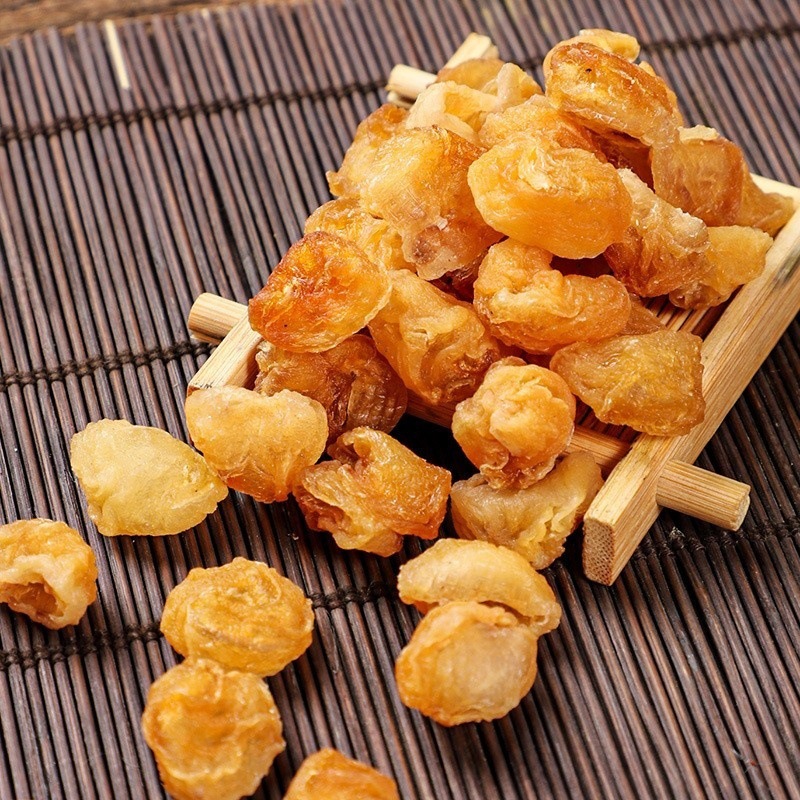
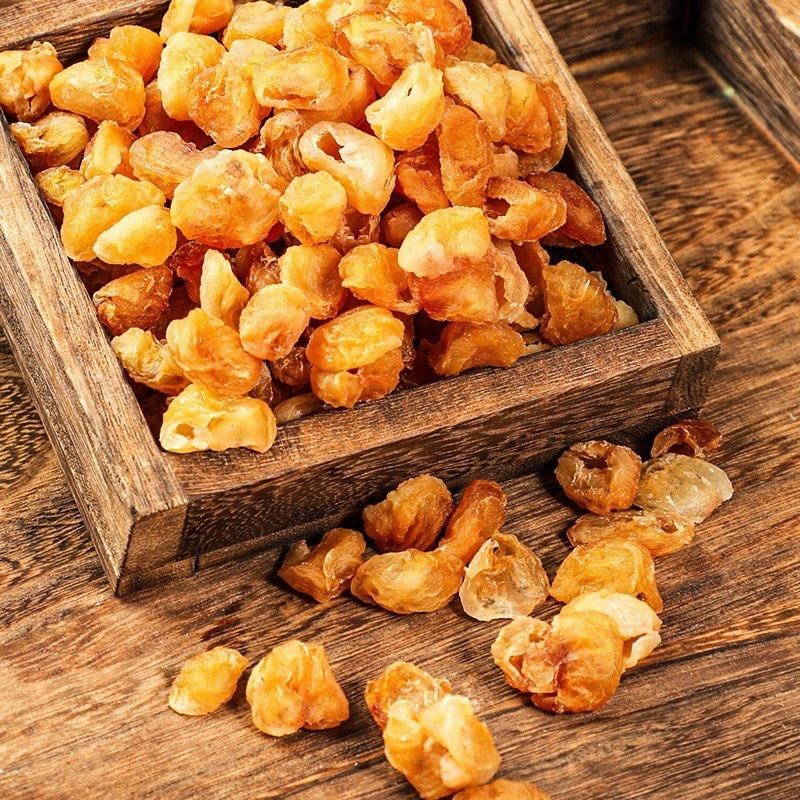
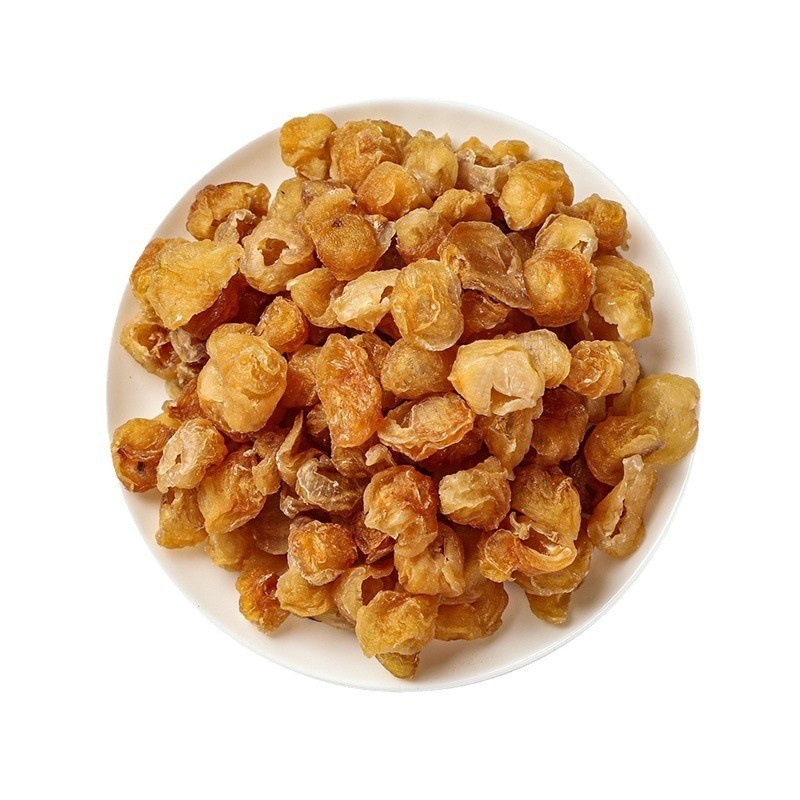
Dried Longan Fruit Gui Yuan 500g Old Tree Fujian Style Sulphur Free for Congee Soup and Tea
Price range: $6.65 through $15.84
Description
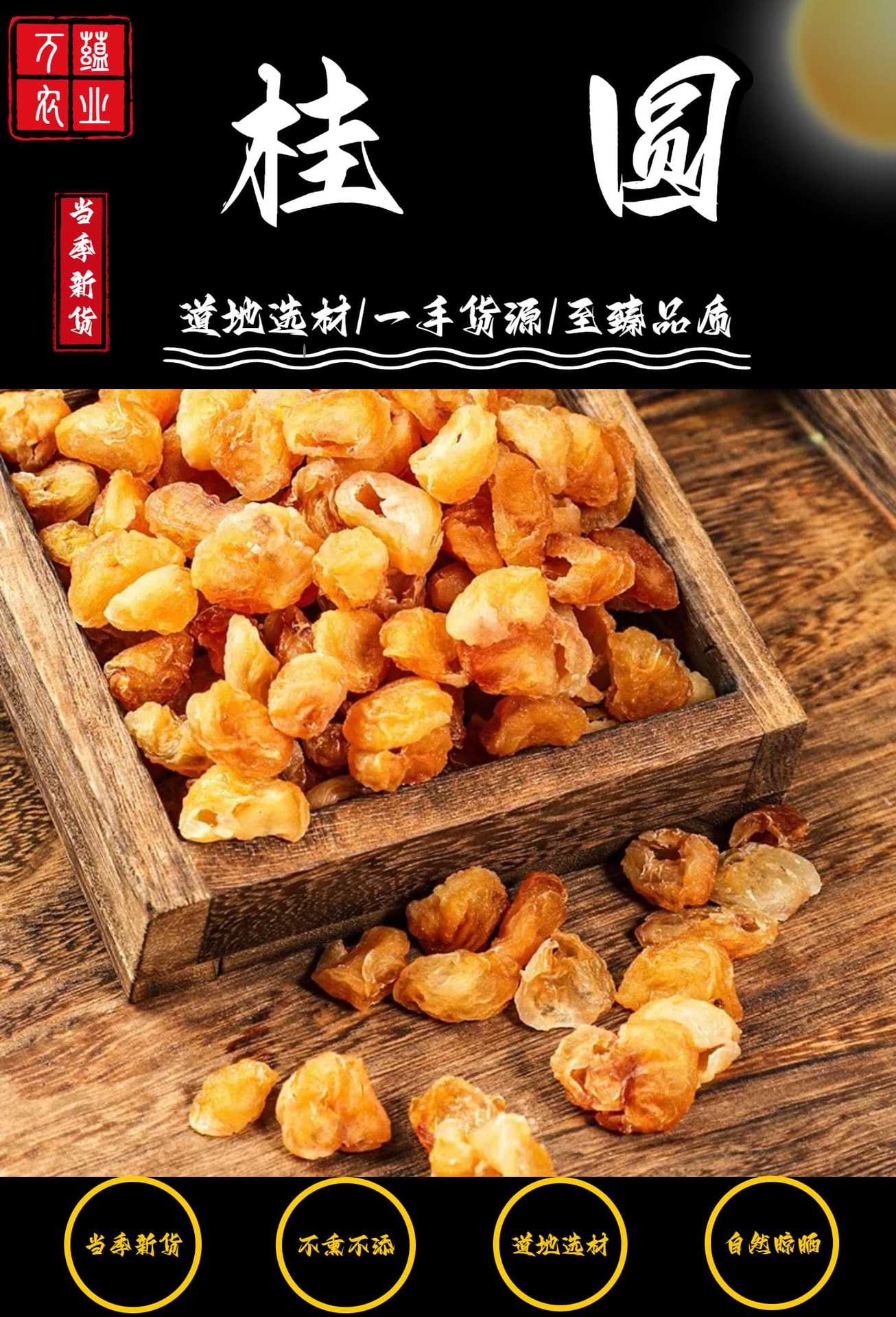
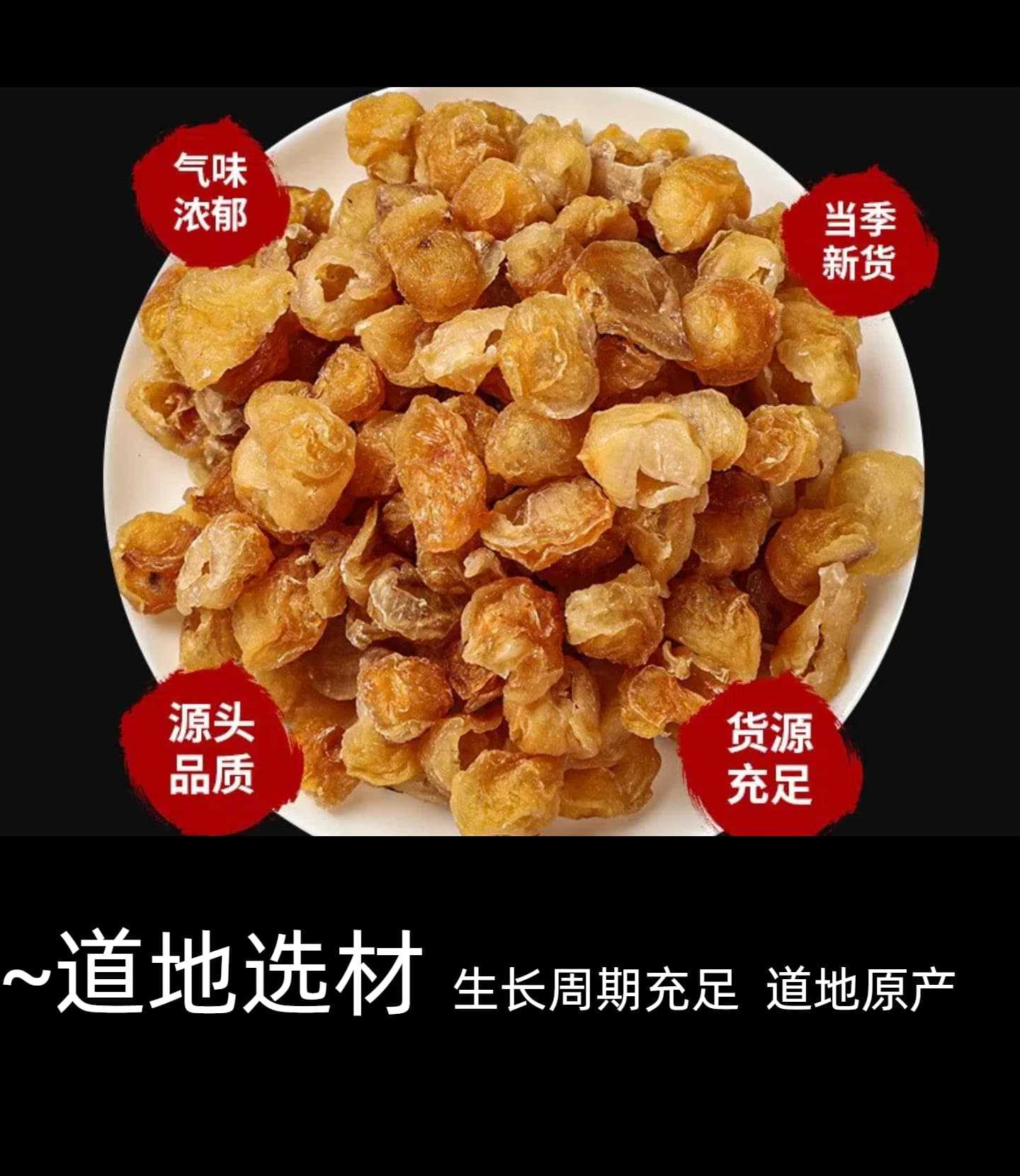
Dried Longan Fruit, known in TCM as Gui Yuan (桂圆), from Dimocarpus longan, is the dried aril of ripe longan fruit. Traditionally associated with nourishing heart and spleen in TCM theory, it is naturally sweet and warm. This sulphur-free dried fruit is a common kitchen botanical for congee, soups, and herbal teas. Store sealed in a cool dry place and refrigerate after opening.
Key Selling Points
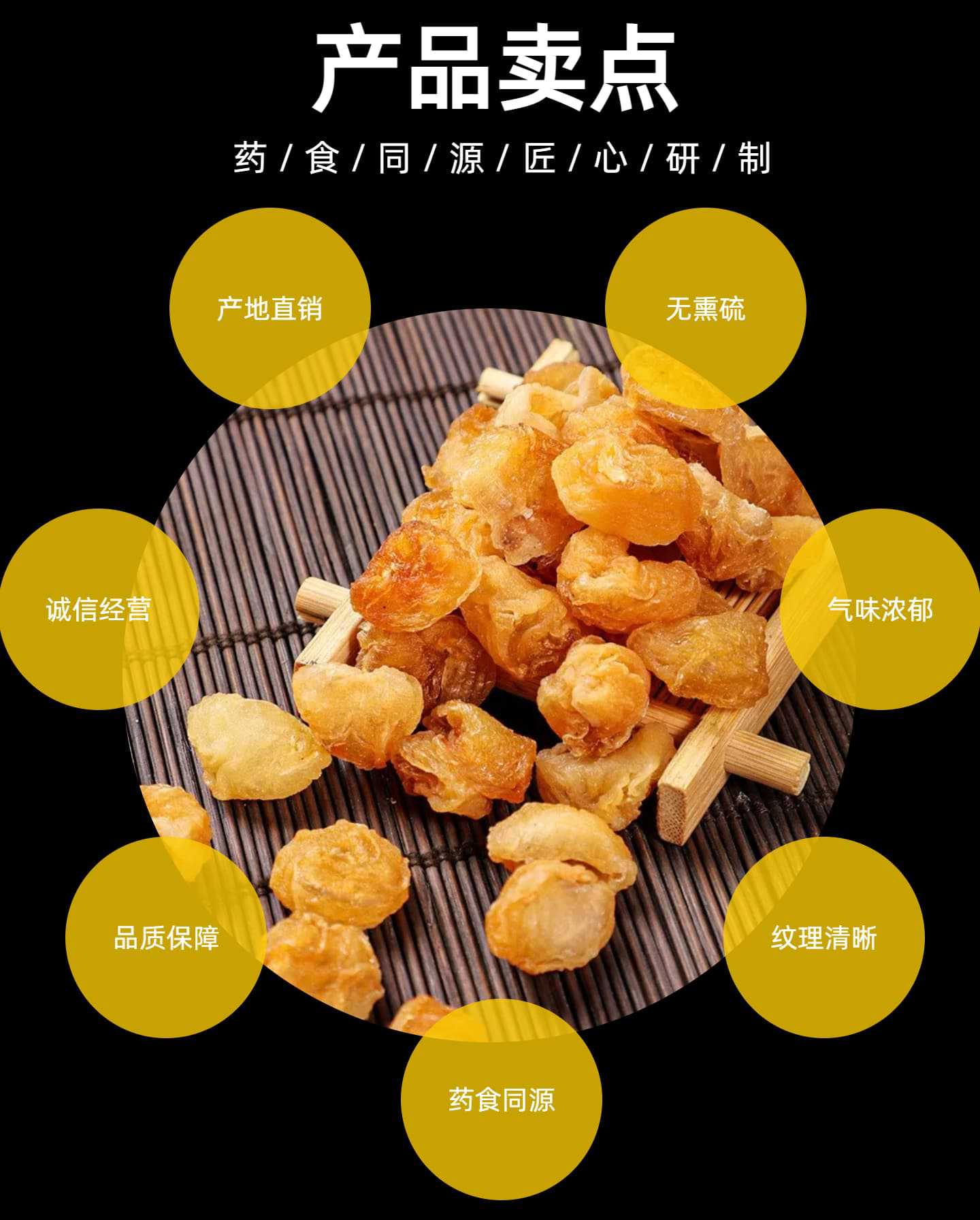
- Dried longan aril known in TCM as Gui Yuan (桂圆)
- Botanical source Dimocarpus longan, dried fruit flesh
- Sulphur-free and additive-free processing
- Naturally sweet and chewy texture for cooking
- Suitable for congee, soups, and herbal teas
Quality & Sensory
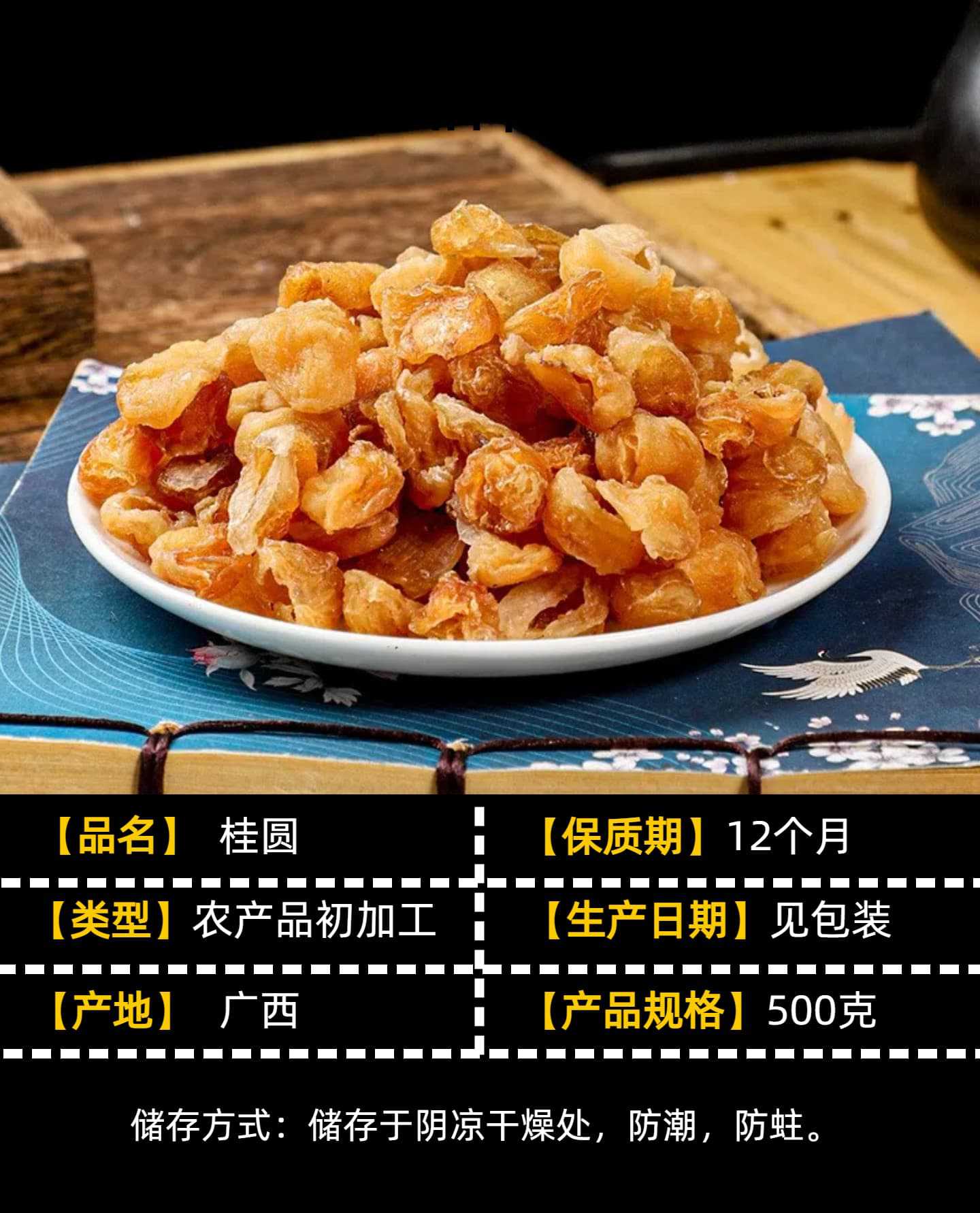
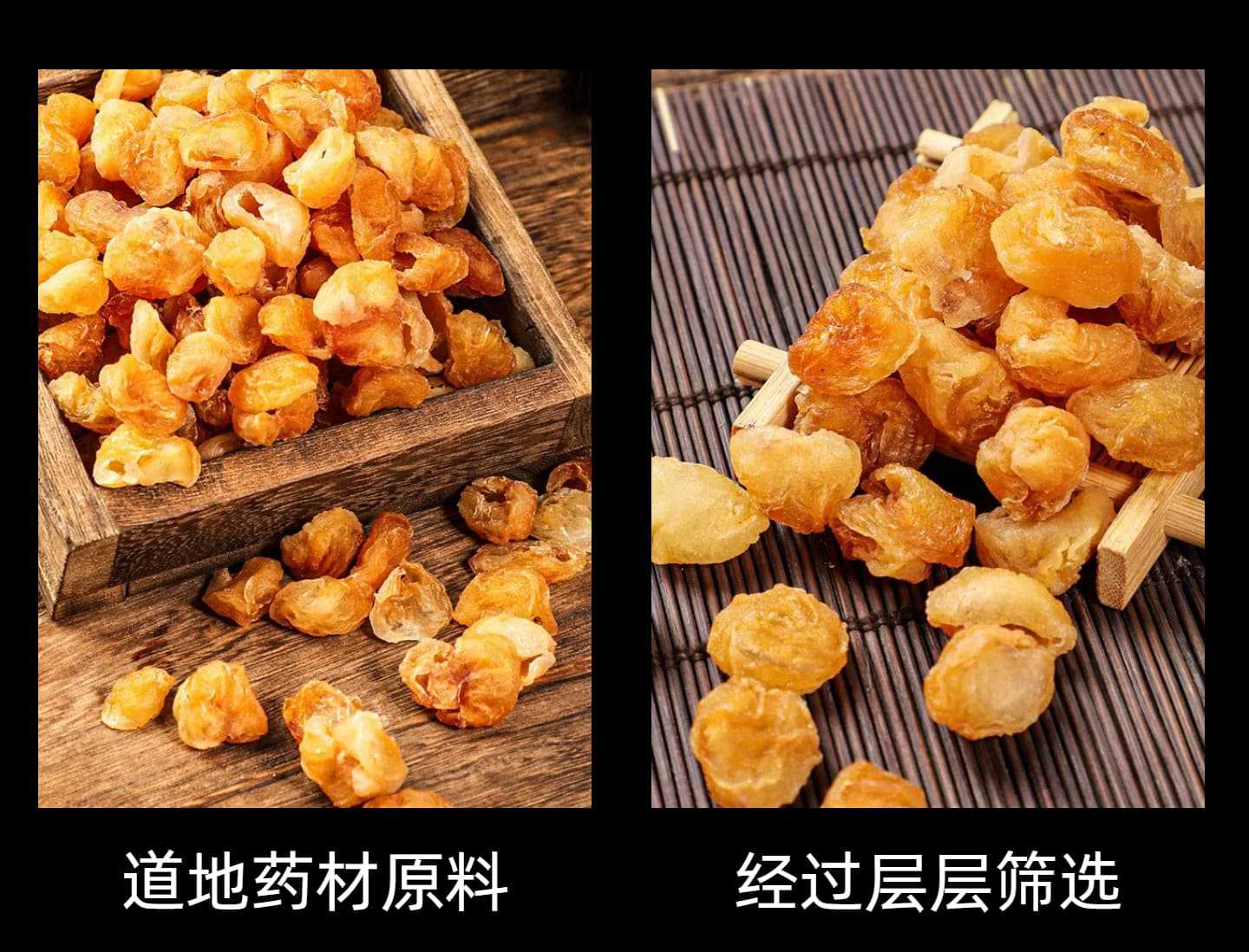
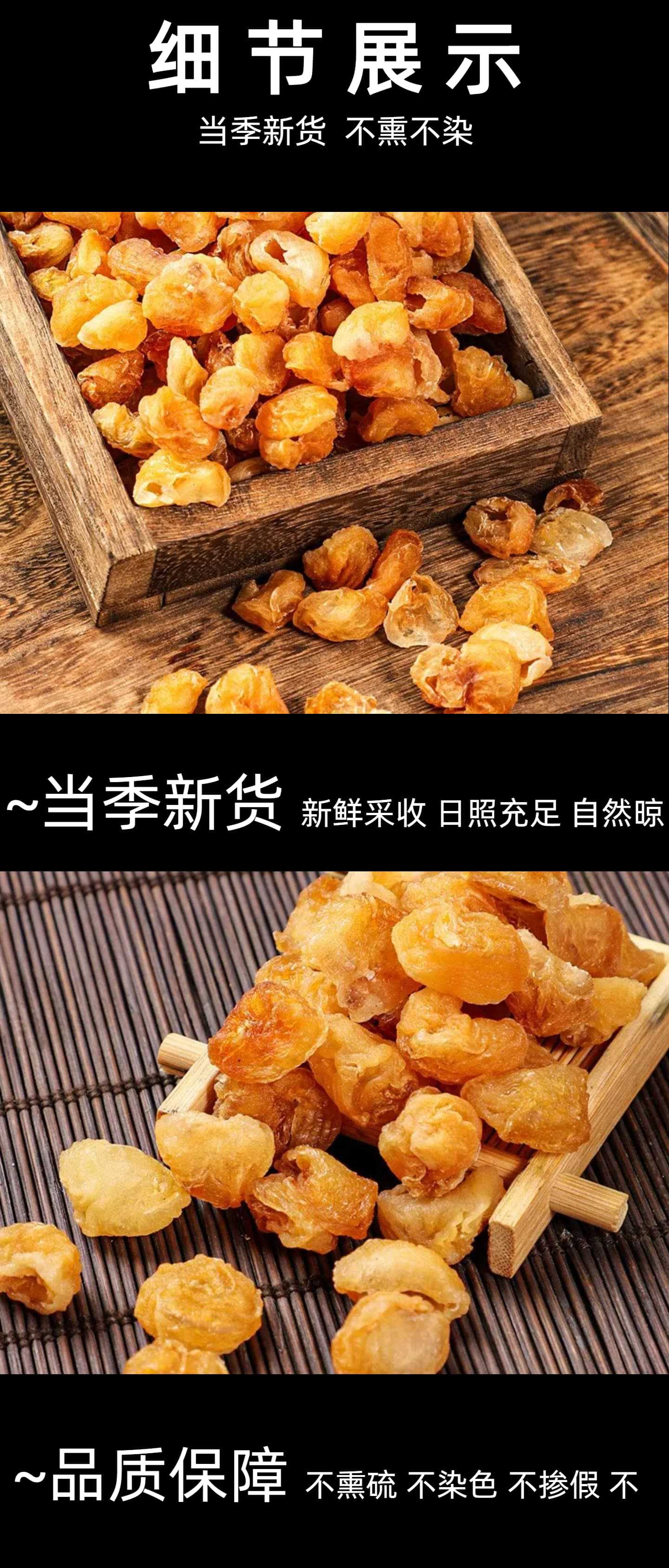
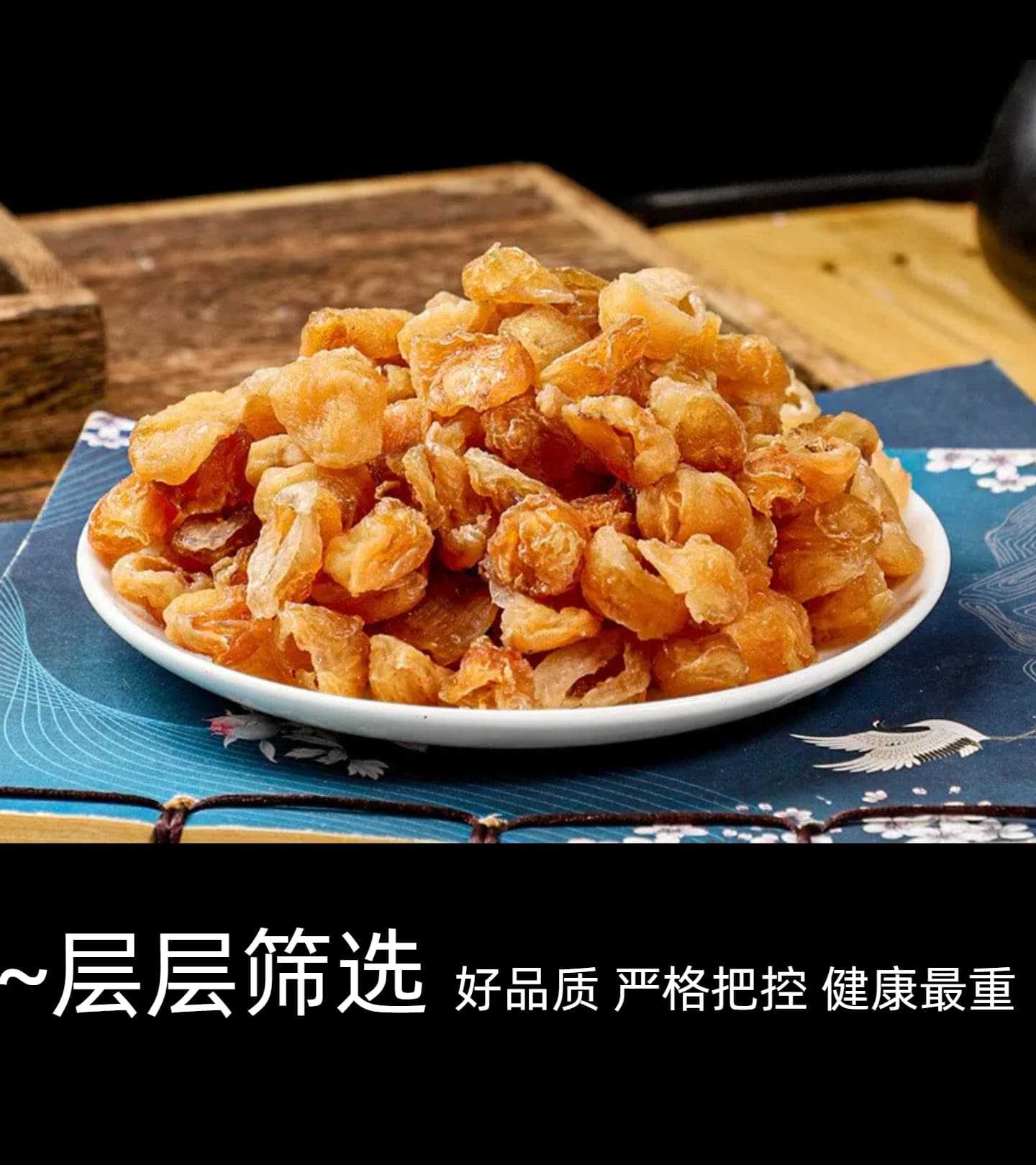
Typically golden to amber brown with a soft, sticky, chewy texture and a rich caramel-like sweetness. When simmered, it typically releases a mellow, honeyed aroma and a naturally sweet, warming taste.
Technical Specifications
| Product Type | Dried edible fruit |
|---|---|
| Chinese Name | 桂圆 |
| Pinyin | Gui Yuan |
| Botanical Name | Dimocarpus longan |
| Plant Part | Dried fruit aril |
| Net Weight | 500g, 250g, or 50g per bag |
Usage Scenarios
- Simmer into sweet congee with rice and red dates
- Add to nourishing soups and slow-cooked broths
- Steep in hot water as a naturally sweet herbal tea
- Use in desserts and seasonal sweet soups
Traditional Uses
In TCM theory, Gui Yuan is considered sweet and warm and traditionally associated with the heart and spleen channels. It is a classic ingredient in household soups, congee, and sweet tonics, often paired with red dates, goji berries, or lotus seeds. Traditionally used in daily cooking during autumn and winter or whenever a warming, nourishing dish is desired.
FAQ Q&A
Q: What is this product?
A: It is dried longan fruit aril, known in TCM as Gui Yuan (桂圆), from Dimocarpus longan. It is sold as a sulphur-free edible agricultural product in resealable bags.
Q: What is its traditional value?
A: In TCM theory it is sweet and warm and traditionally associated with nourishing the heart and spleen. It is a common kitchen ingredient for warming, nourishing dishes.
Q: How is it commonly used?
A: Simmer it in congee or soups, or steep a few pieces in hot water as a sweet herbal tea. It also works well in desserts and sweet soups.
Additional information
| Weight | N/A |
|---|---|
| Dimensions | N/A |
| Packaging specifications | Longan selection 500g bag, Longan selection 250g bag, Longan general goods 500g bag, Longan mixed goods 250g bag, Longan selection 50g bag |
Related products
-
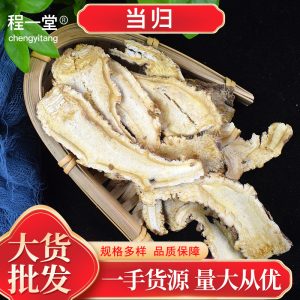
Dried Angelica Sinensis Slices Dang Gui 当归 500g Gansu Raw Herb for Decoction Soup and Tea
Price range: $16.44 through $35.88 -
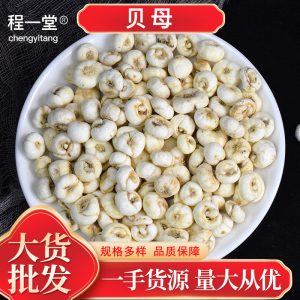
Fritillaria Bulb Chuan Bei Mu Dried Chinese Herbal Bulbs for Decoction and Traditional Use 500g
Price range: $18.06 through $94.21 -
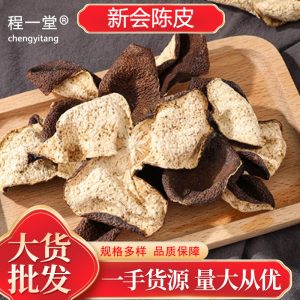
Xinhui Chenpi Dried Tangerine Peel 500g Sun Dried Aged Peel for Soup and Tea
Price range: $60.19 through $116.90 -
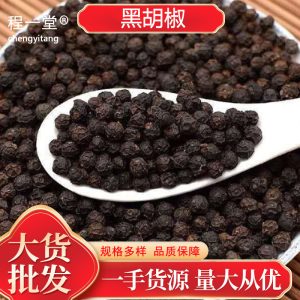
Black Pepper Whole Peppercorns Hu Jiao 500g Bulk Culinary Spice for Cooking and Seasoning
Price range: $8.33 through $9.14
Reviews
There are no reviews yet.