
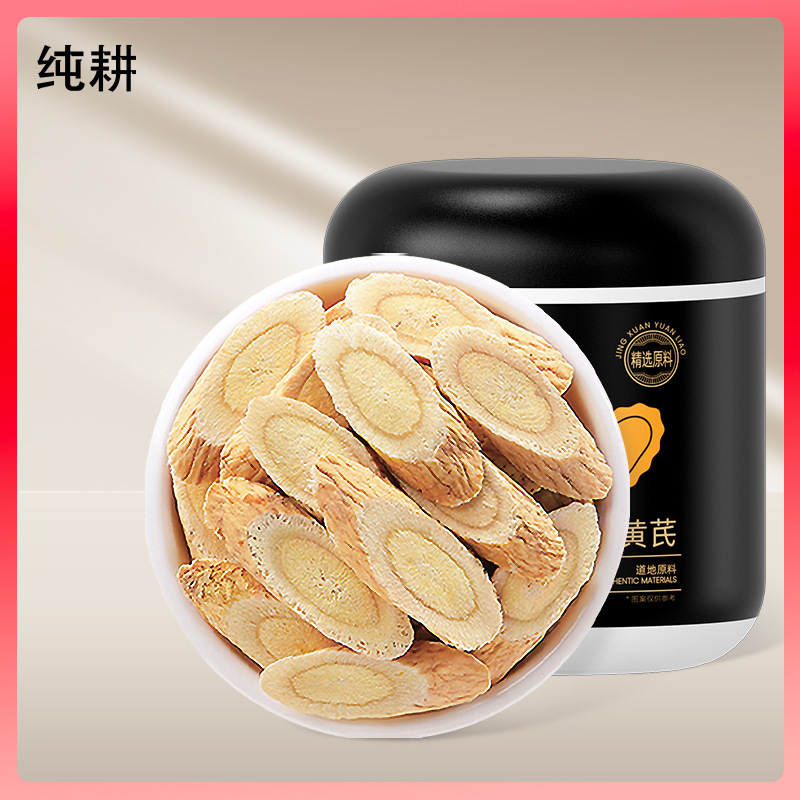
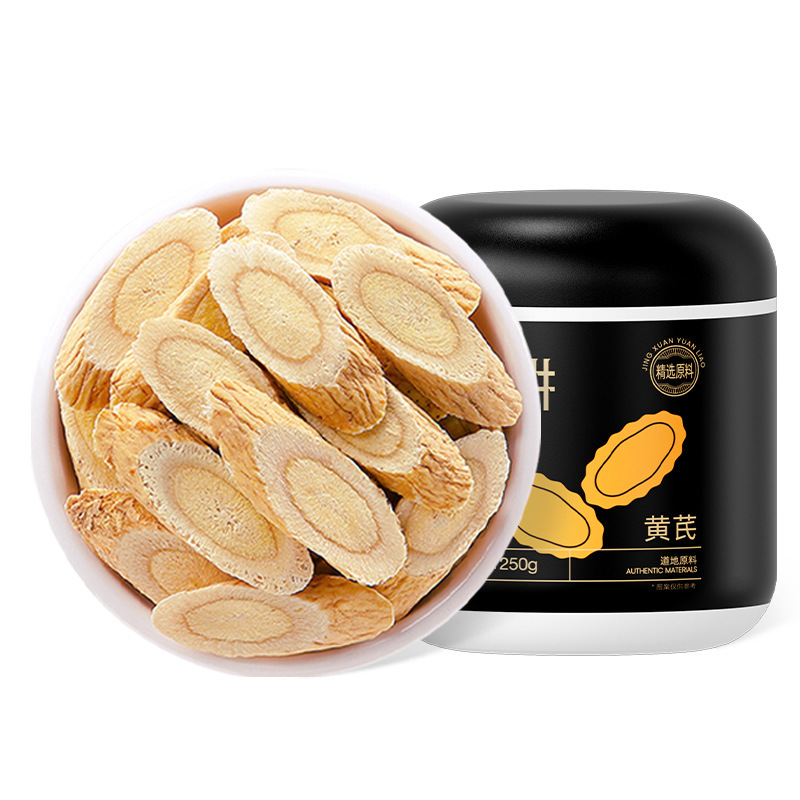
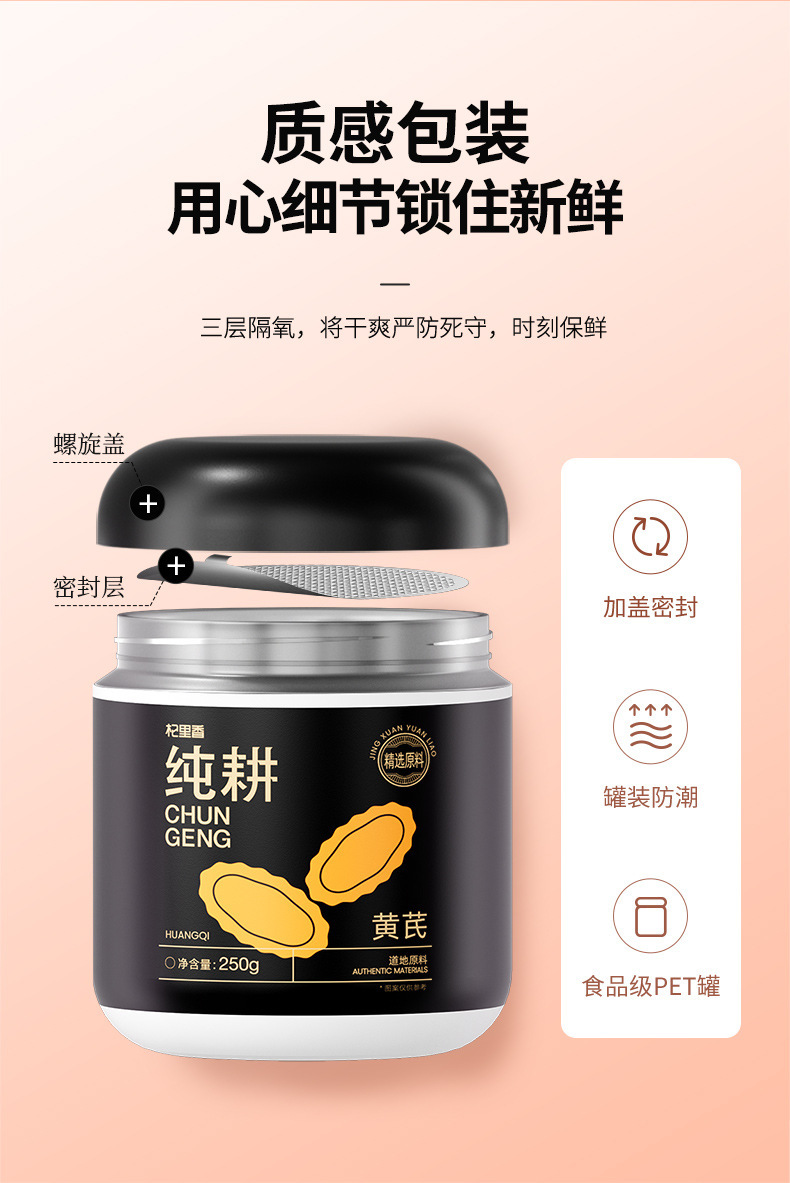
Astragalus Root Slices Huang Qi 250g Bottle Gansu Minxian Large Mature Root
$11.76
975 in stock
Description
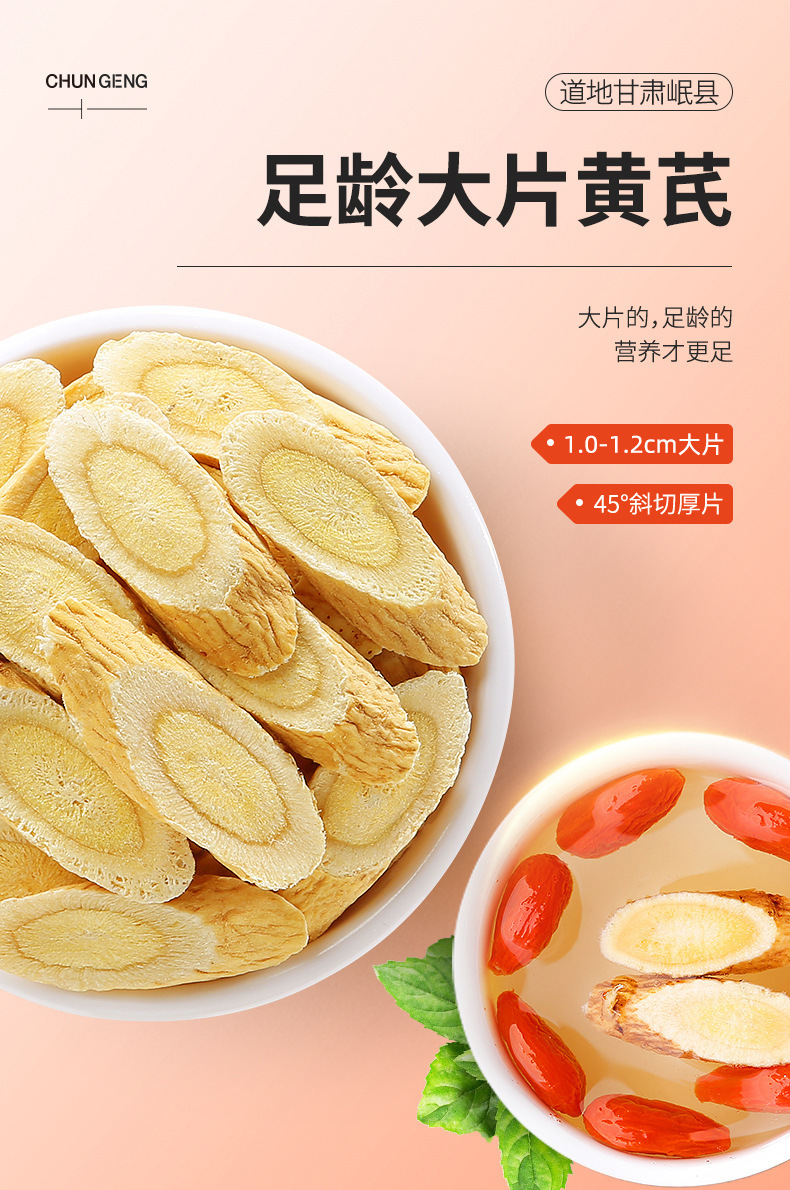
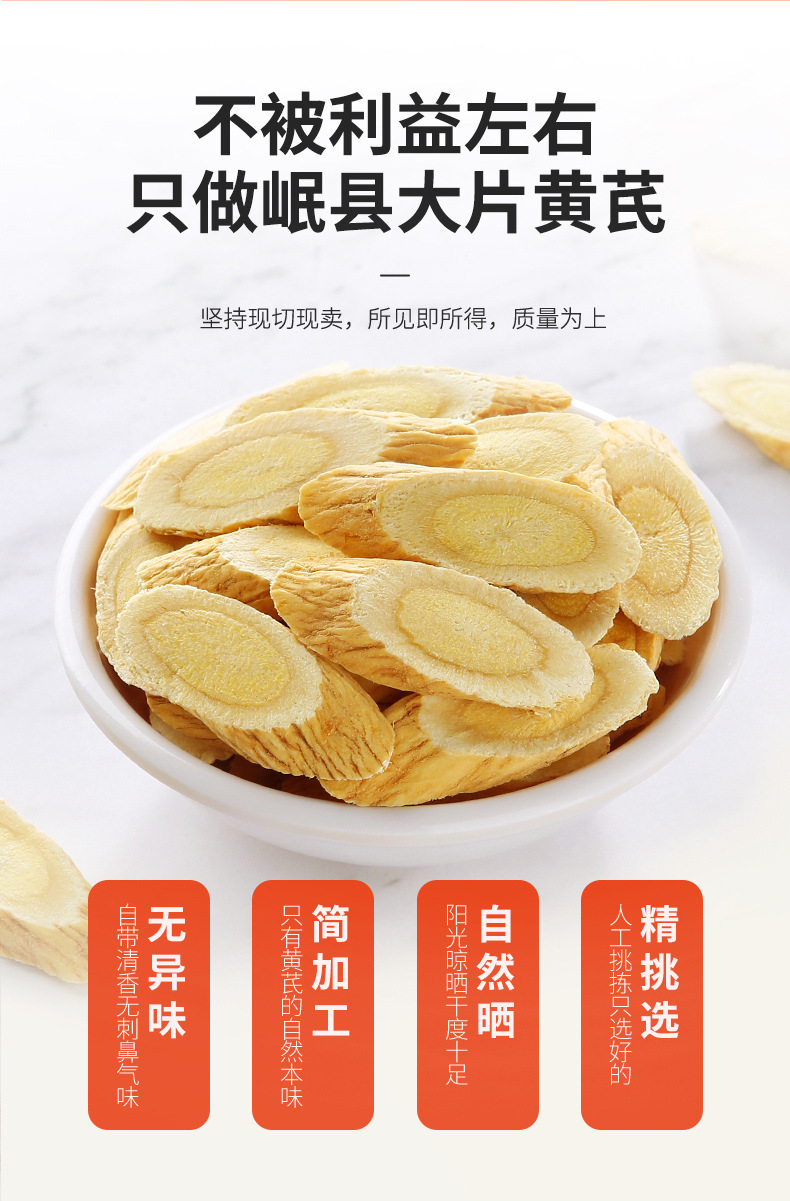
Dried Astragalus Root Slices, known in TCM as Huang Qi (黄芪), from Astragalus membranaceus. These large slices are cut from mature main roots sourced from Minxian, Gansu, a well-known growing region. In TCM theory, Huang Qi is sweet in flavor and slightly warm in nature, traditionally associated with the Spleen and Lung channels. It is commonly simmered in soups, decoctions, and congee as a supportive daily herb.
Key Selling Points
- Single-herb product: dried Astragalus membranaceus root slices
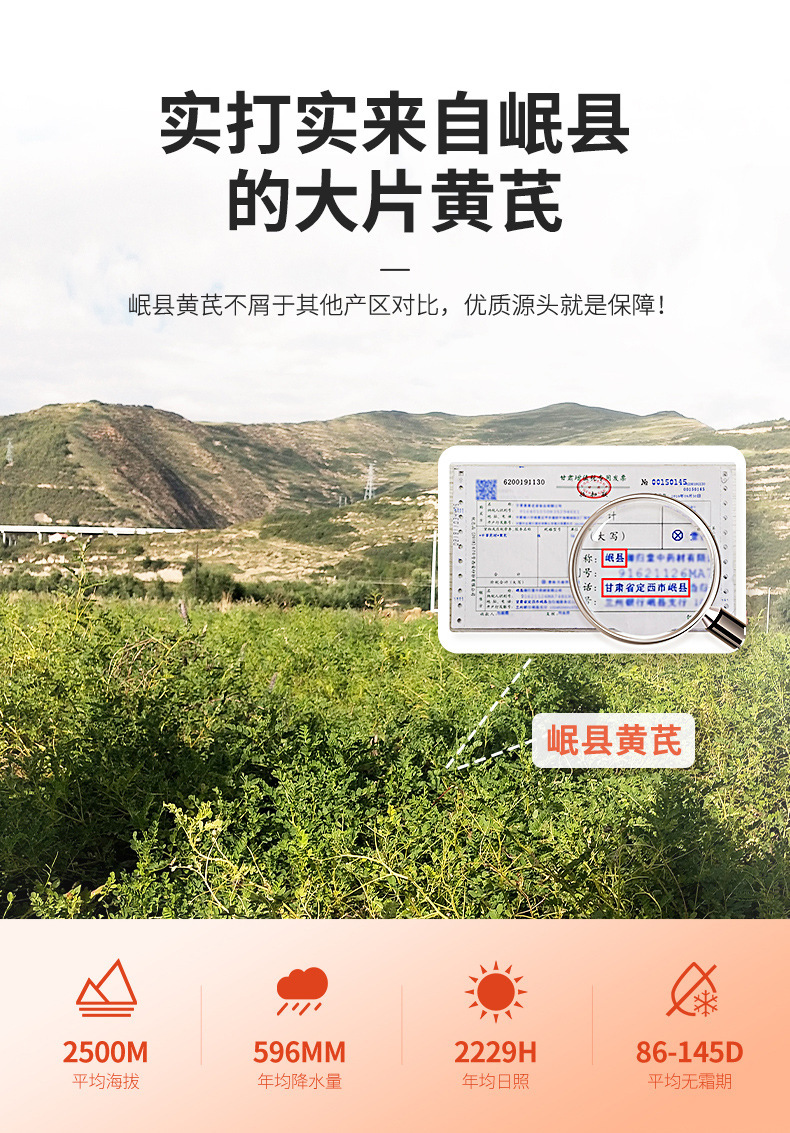
- Sourced from Minxian, Gansu, a recognized astragalus growing area
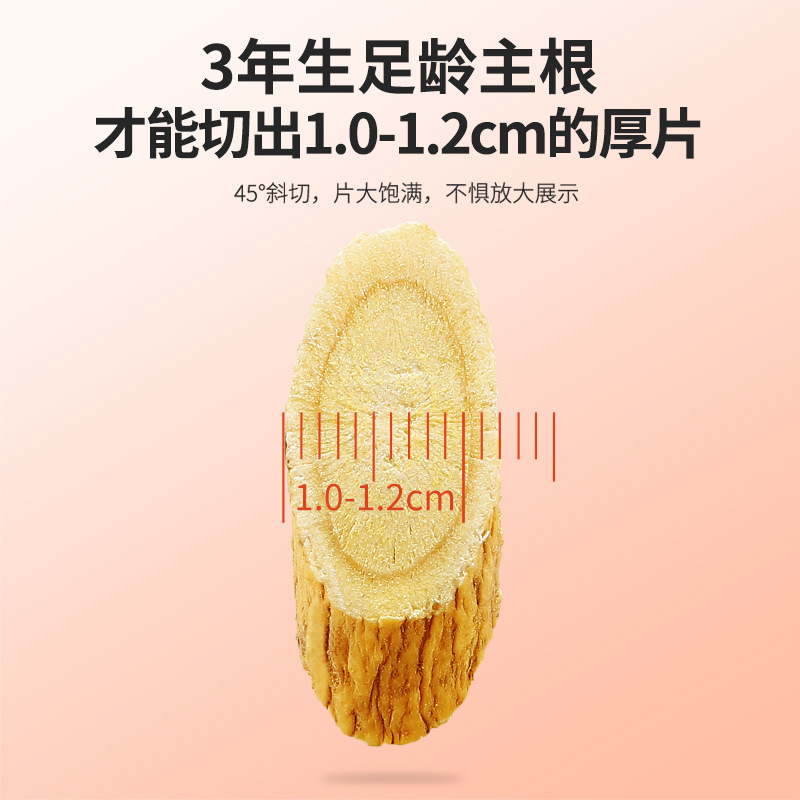
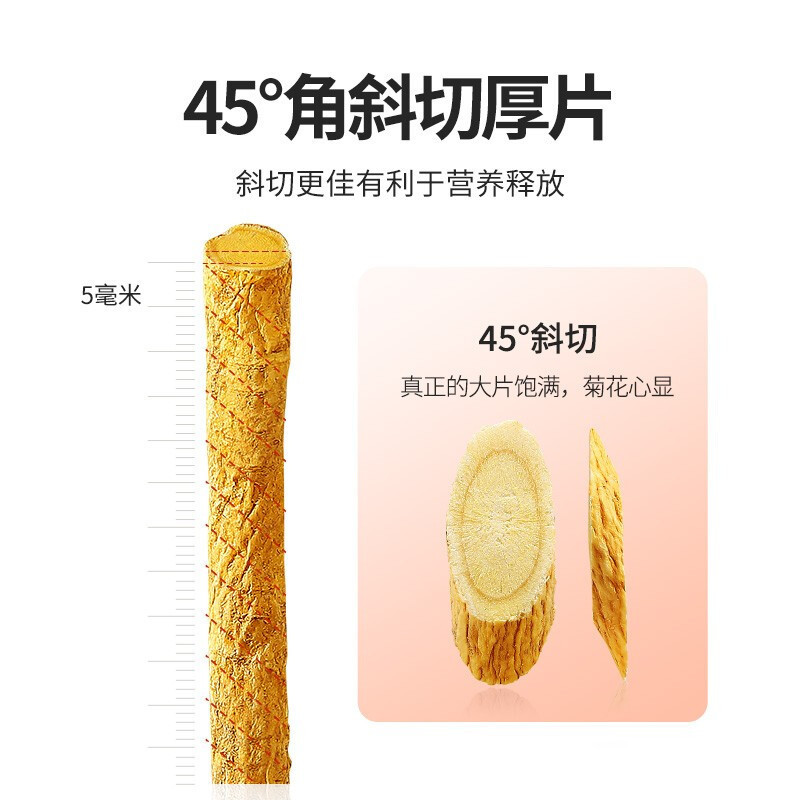
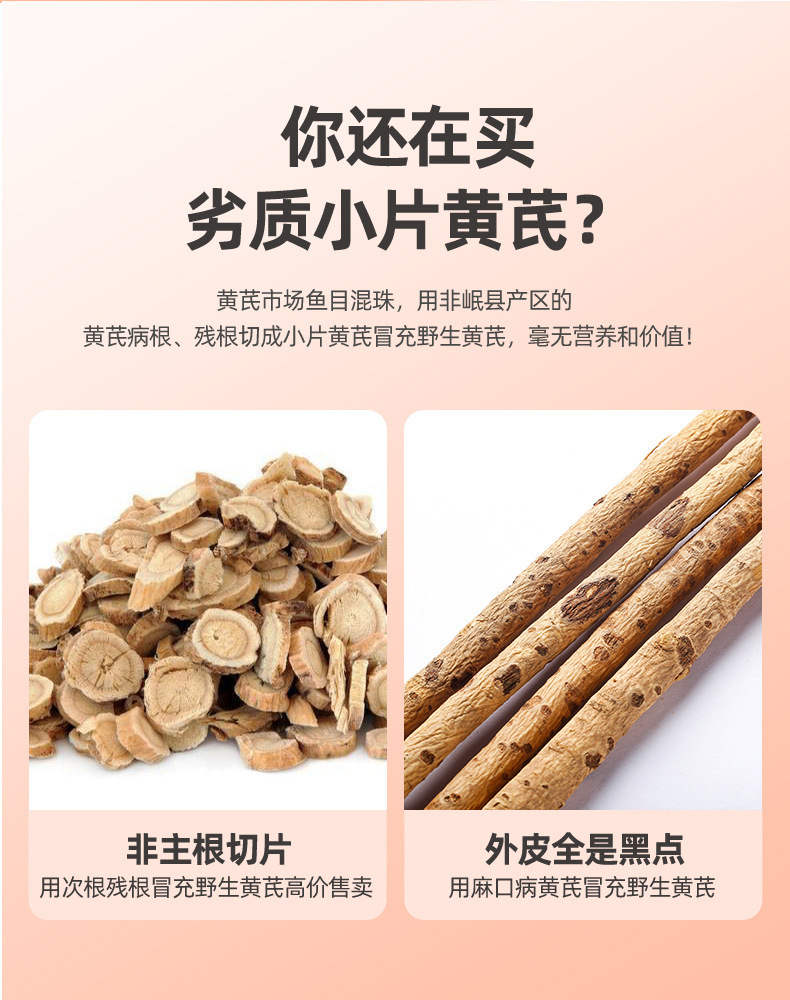
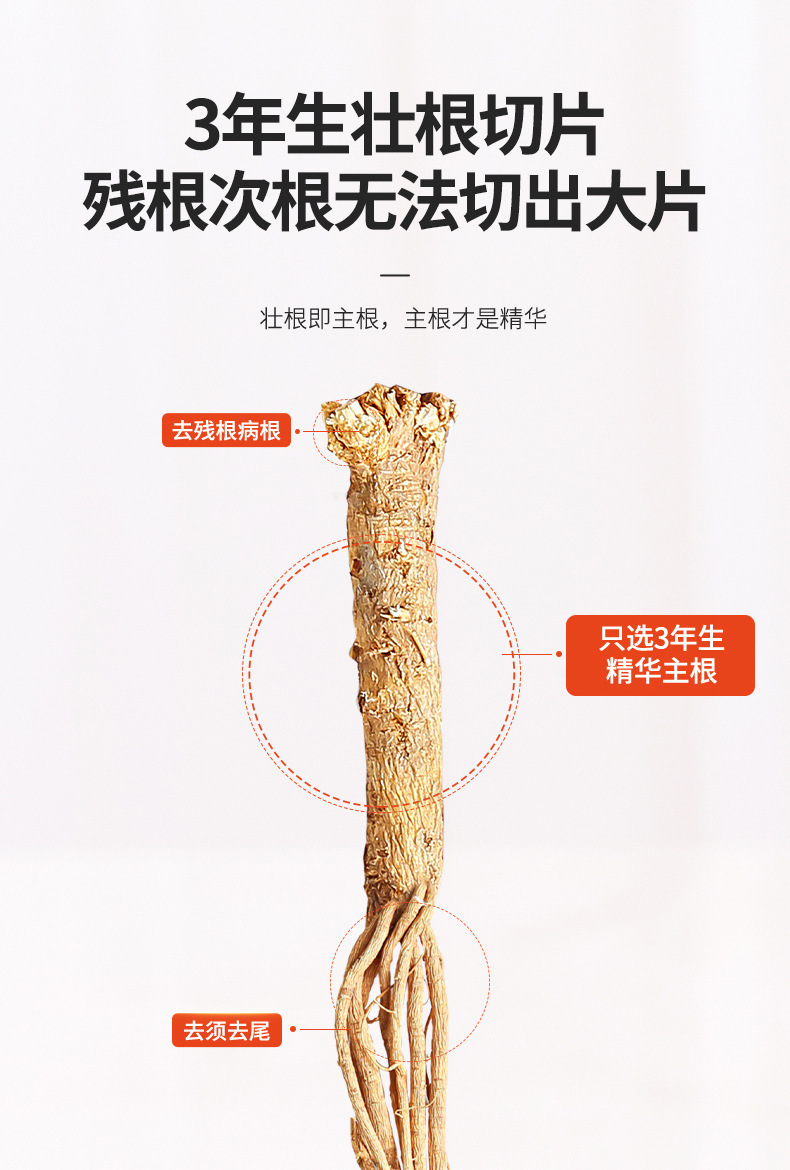
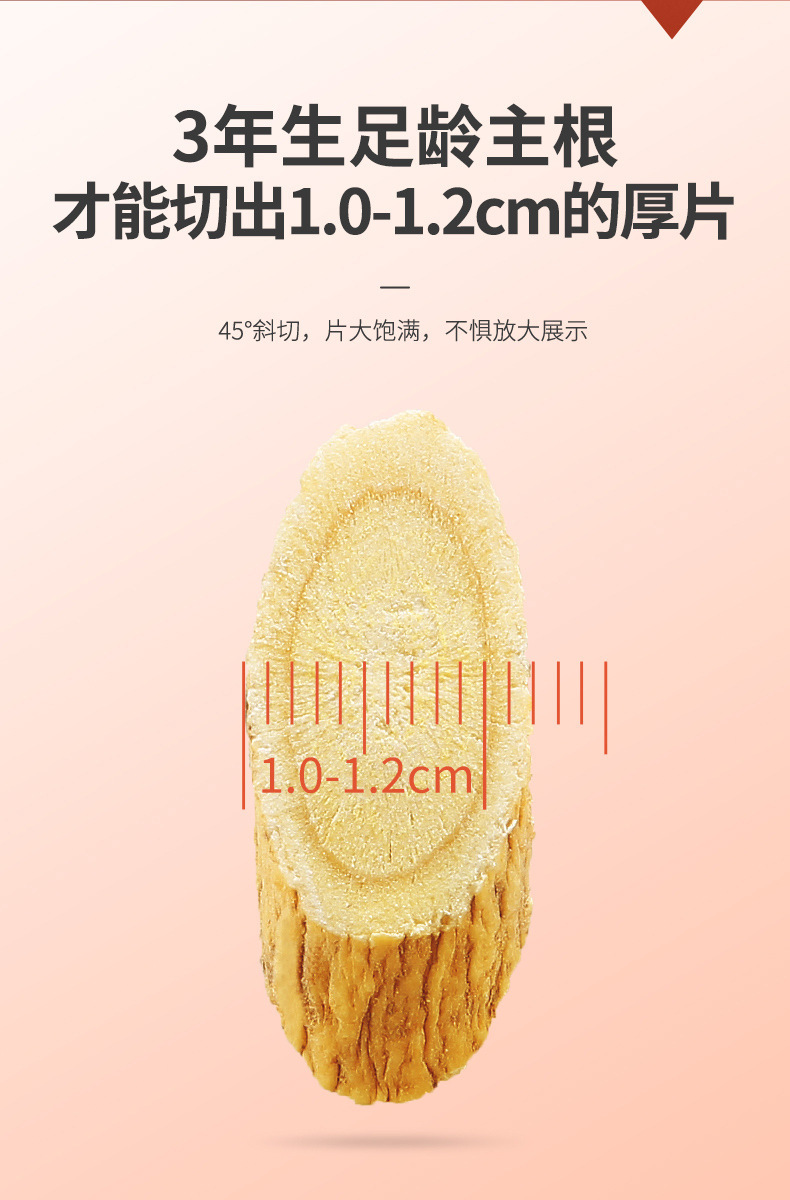
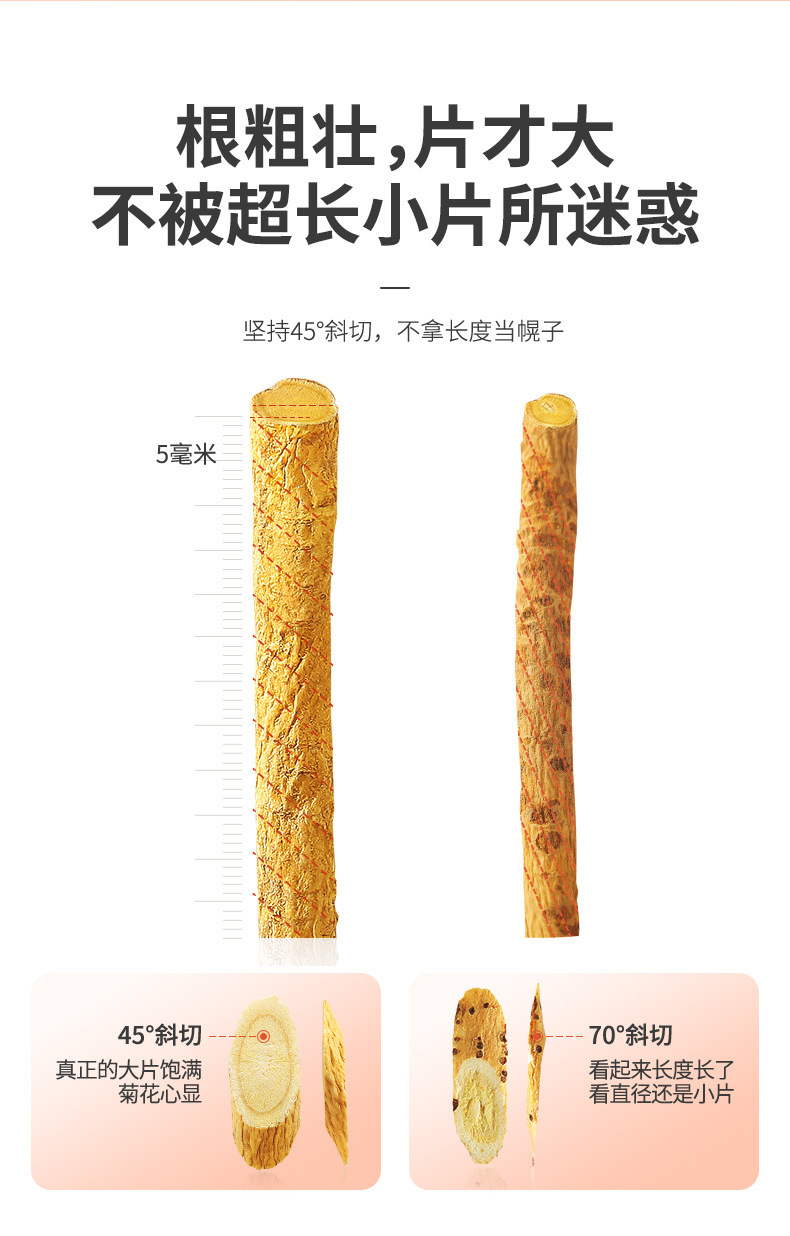
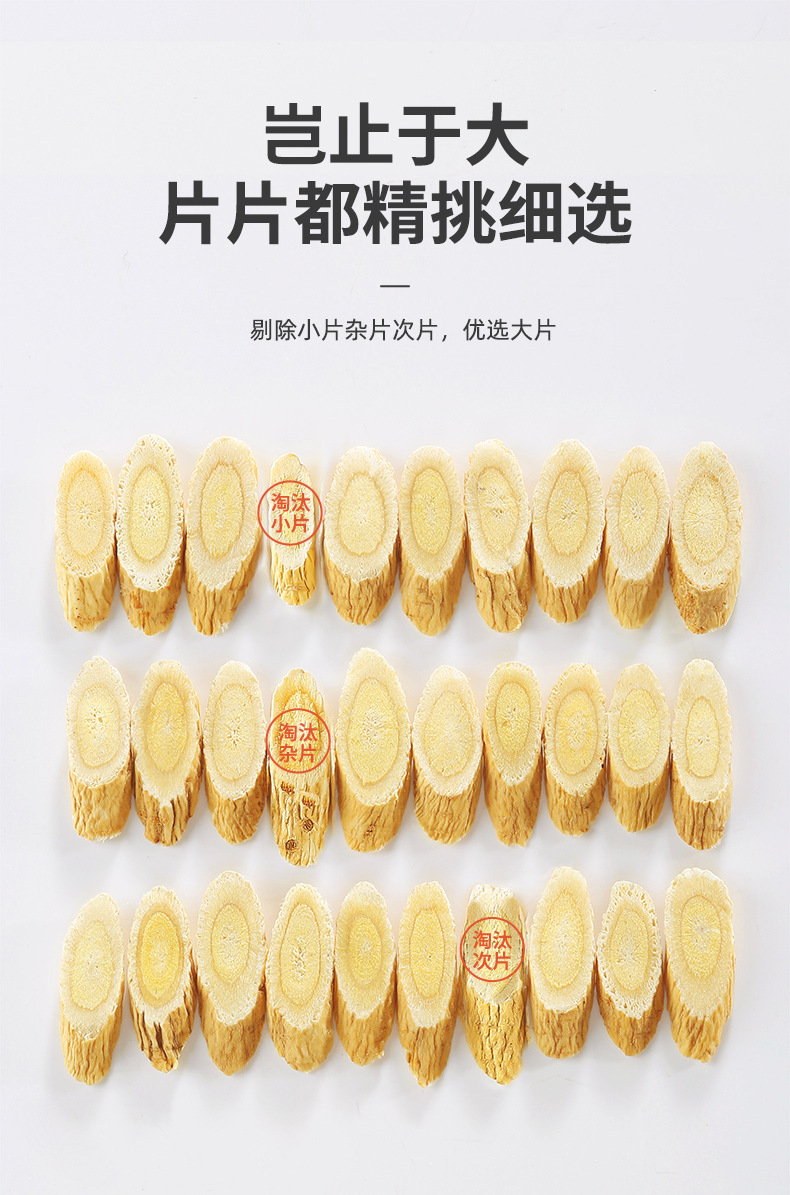
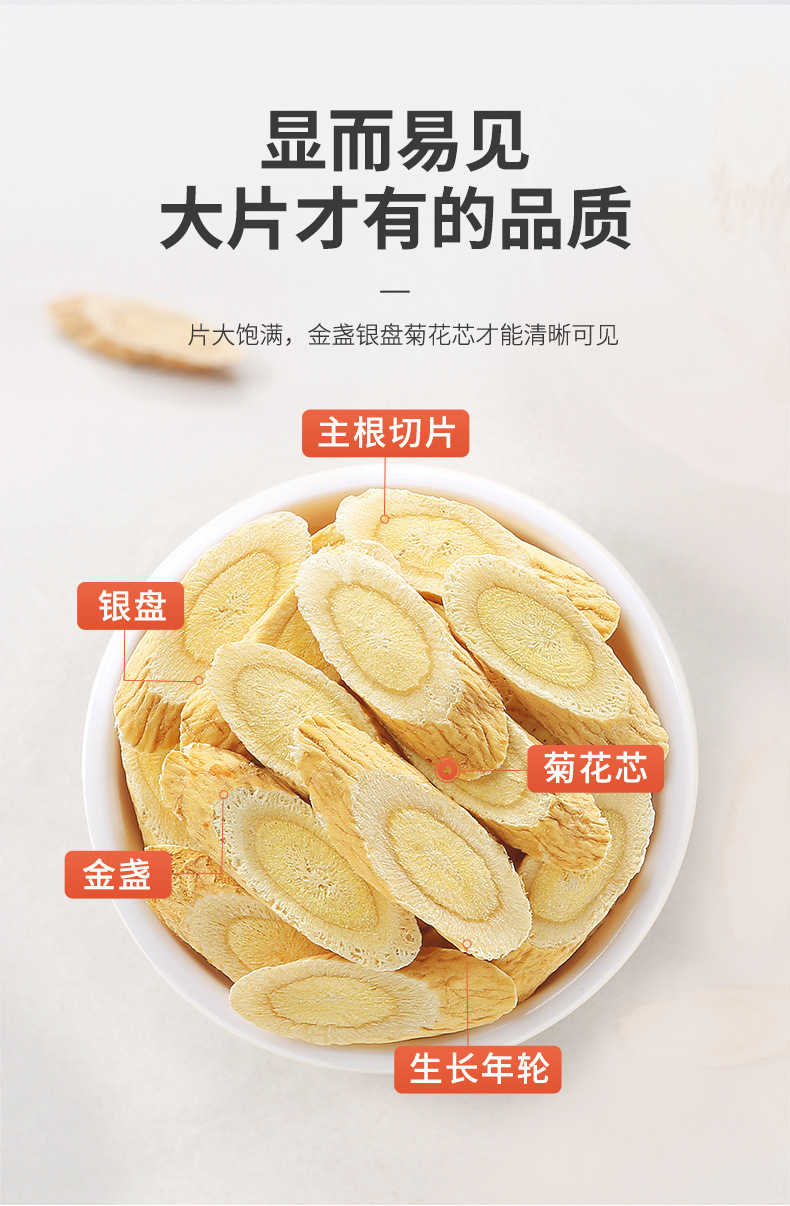
- Cut from mature main roots into large flat slices
- Sweet, slightly warm herb traditionally linked to Spleen and Lung channels
- 250g bottle format suited for regular soup and decoction use
Quality & Sensory
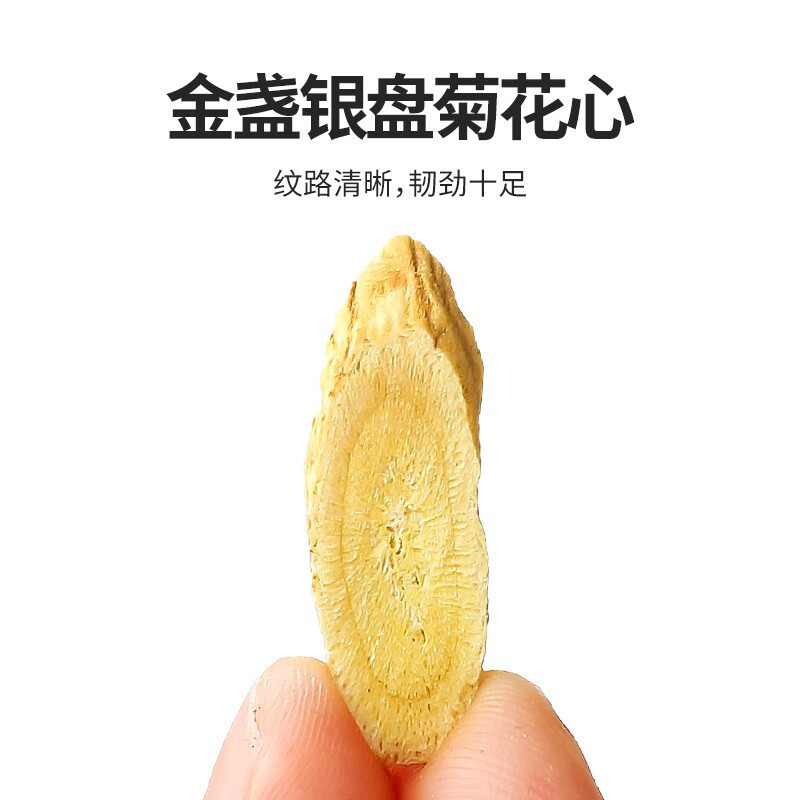
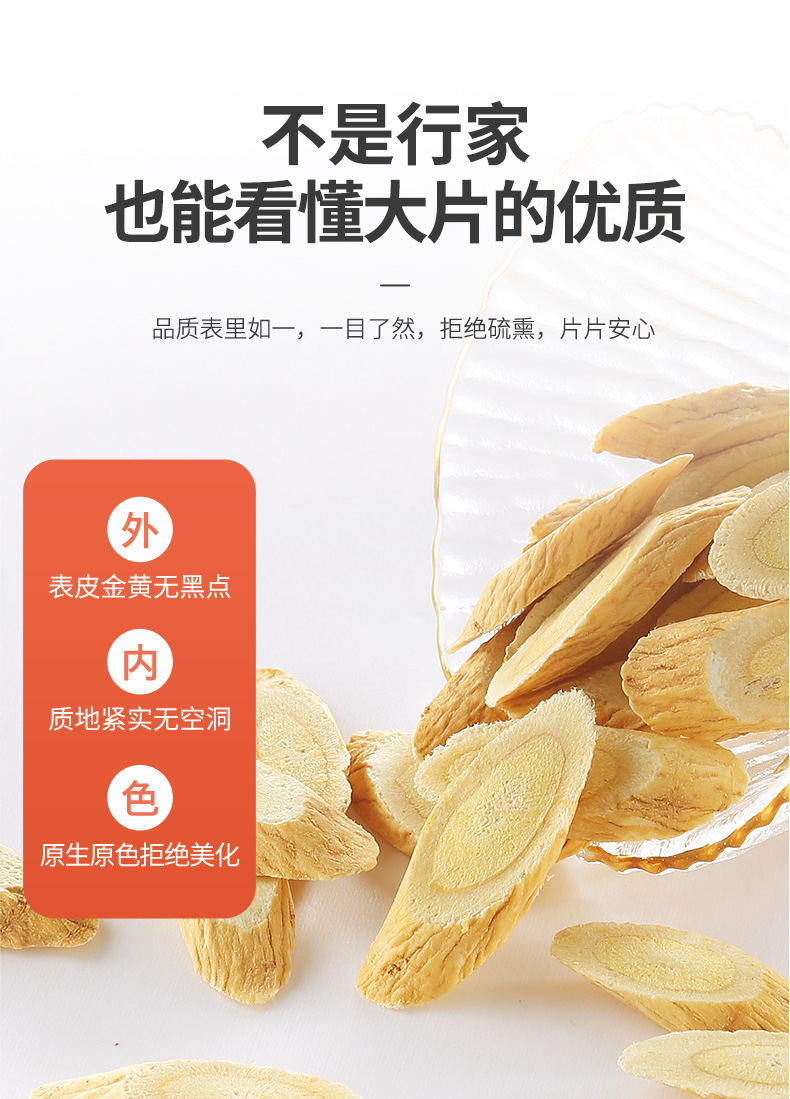
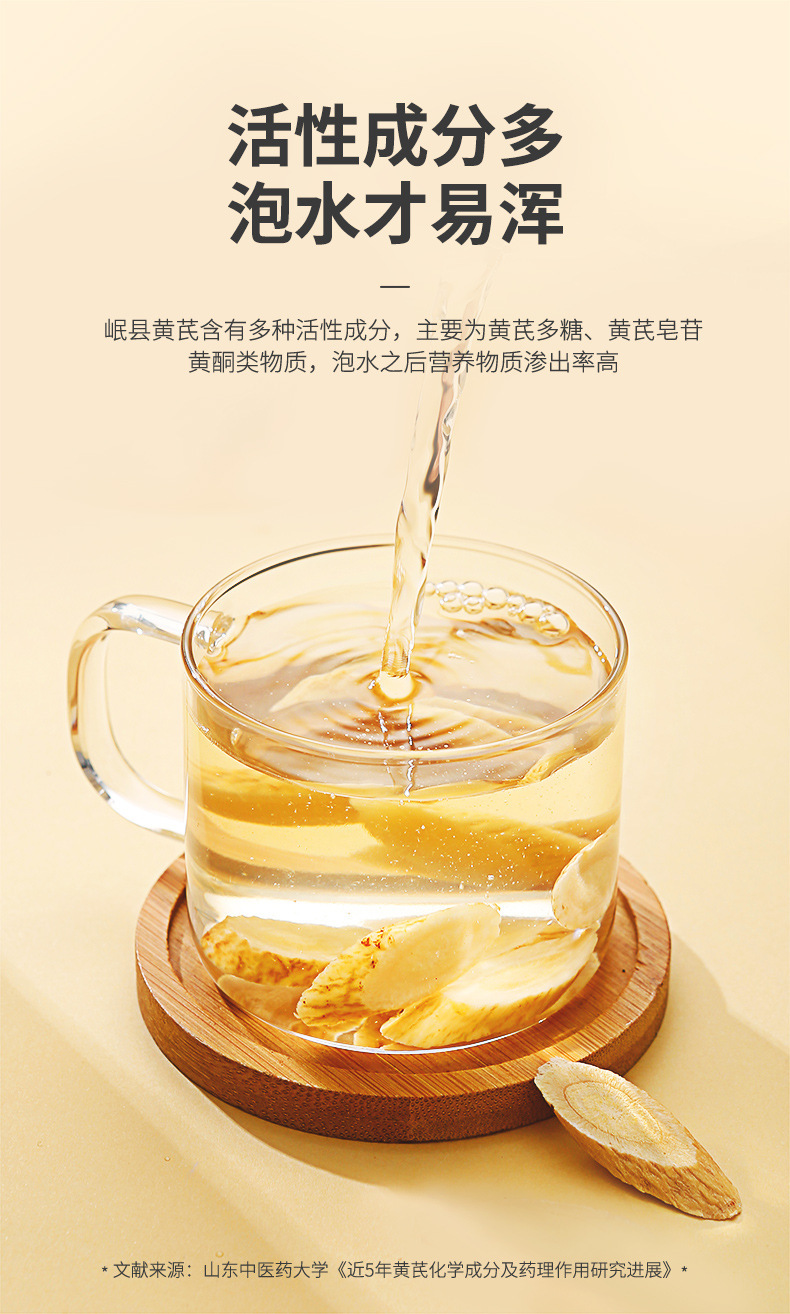
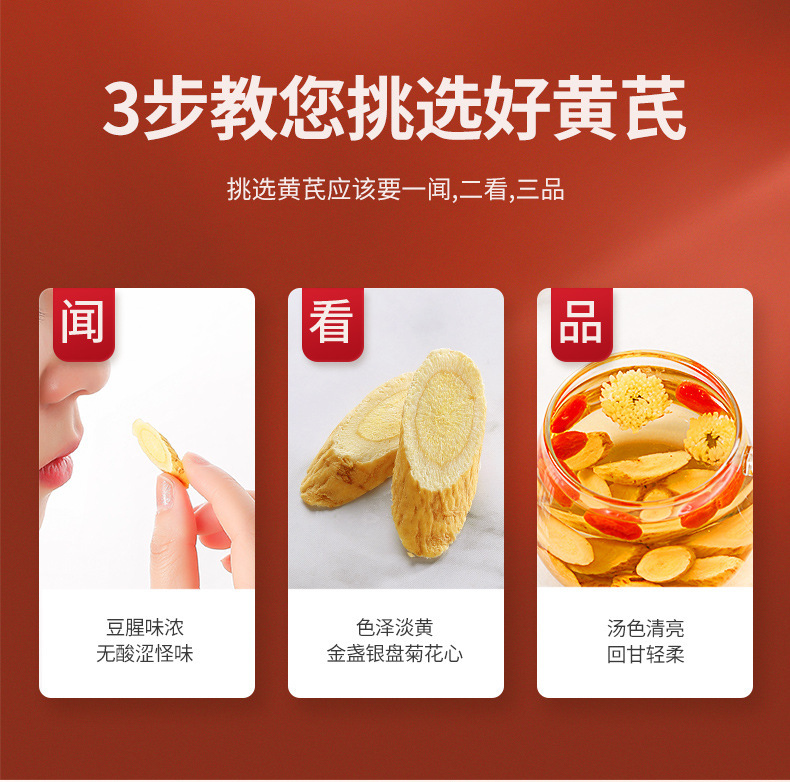
Slices are typically pale yellow to light brown with a firm, woody texture and a faint earthy sweetness. The aroma is mild and hay-like. After simmering, the decoction is typically light golden with a gentle sweet taste and subtle herbal notes.
Technical Specifications
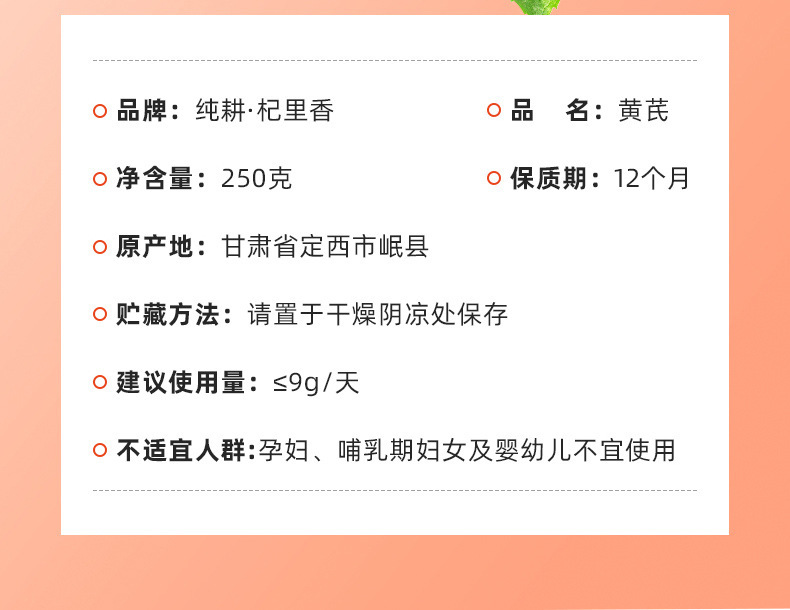
| Product Type | Dried herbal root slices |
|---|---|
| Chinese Name | 黄芪 |
| Pinyin | Huang Qi |
| Botanical Name | Astragalus membranaceus |
| Plant Part | Root |
| Net Weight | 250g |
Usage Scenarios
- Simmered in herbal soups with other ingredients
- Added to daily decoctions
- Cooked into congee
- Used in traditional tonic broths
Traditional Uses
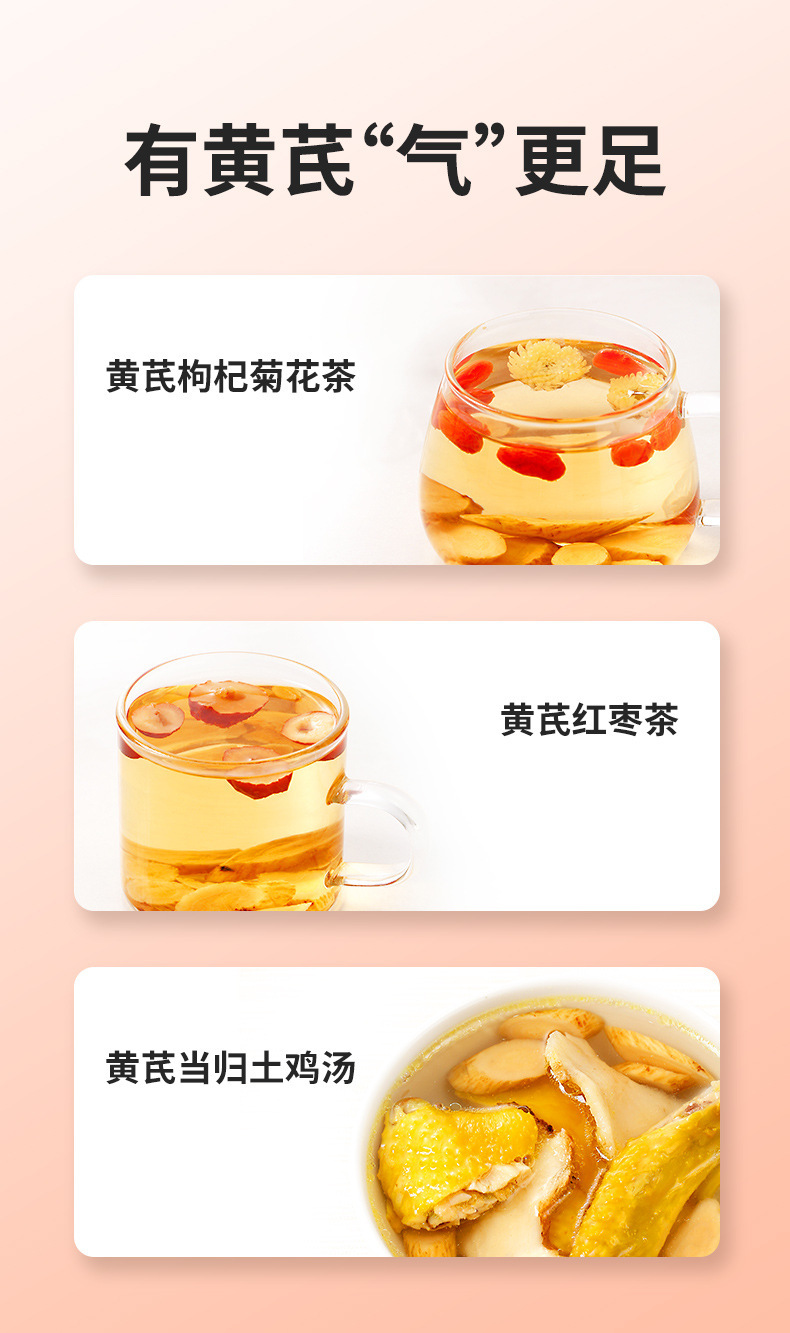
In TCM theory, Huang Qi is traditionally used in decoctions and soups to support qi and vitality. It is often simmered with ingredients such as Chinese yam, goji berries, or jujube dates. Common preparations include long-simmered soups, congee, and daily herbal teas. It is also a frequent component of traditional seasonal tonic formulas.
FAQ Q&A
Q: What is this product?
A: It is dried Astragalus membranaceus root, known in TCM as Huang Qi (黄芪), cut into large slices and packaged in a 250g bottle.
Q: What is Huang Qi traditionally associated with?
A: In TCM theory, it is sweet and slightly warm, traditionally linked to the Spleen and Lung channels and used to support qi.
Q: How is it commonly prepared?
A: It is typically simmered in soups, decoctions, or congee. It can also be combined with other herbs such as goji berries or jujube dates.
Additional information
| Weight | 0.5 kg |
|---|---|
| Dimensions | 15 × 10 × 10 cm |
Related products
-
Dried Hawthorn Slices Shan Zha 500g Seedless Hollow Rings Freeze Dried Hawthorn for Tea and Culinary Use
Price range: $4.44 through $7.04 -
Ningxia Goji Berries Gou Qi Zi 500g Dried Red Wolfberry for Tea Soup and Snacking
Price range: $7.20 through $16.44 -
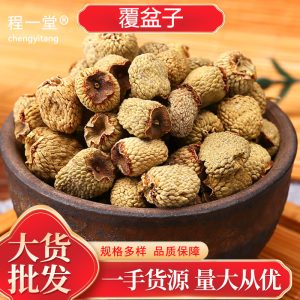
Dried Raspberry Fruit Fu Pen Zi Whole Berries for Herbal Tea and Wine Infusion 500g
Price range: $15.63 through $18.06 -
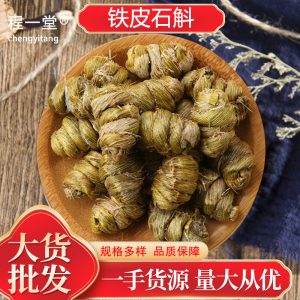
Tie Pi Shi Hu Dried Dendrobium Stems 500g Huoshan Fengdou for Soup and Tea
Price range: $35.88 through $108.80
Reviews
There are no reviews yet.