
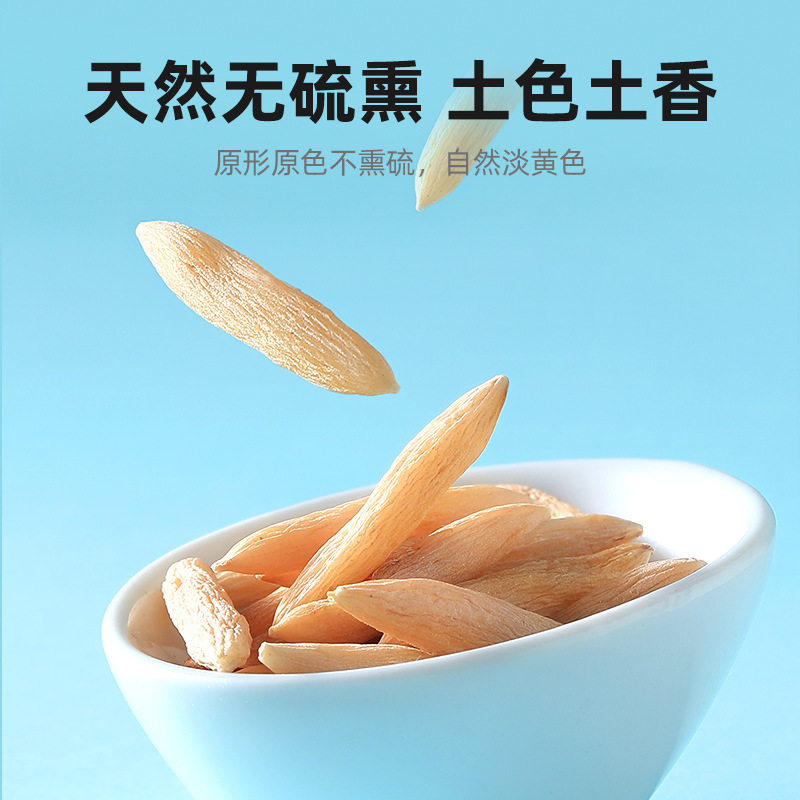
Sichuan Ophiopogon Root 250g Jar Unsulfured Dried Herb for Tea and Soup
$18.01
99497 in stock
Description
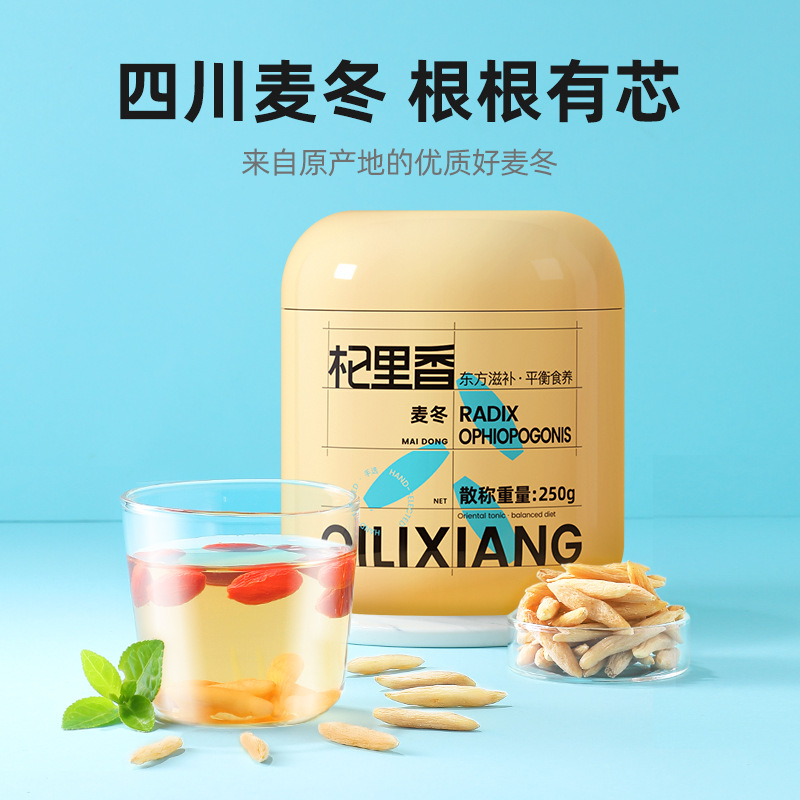
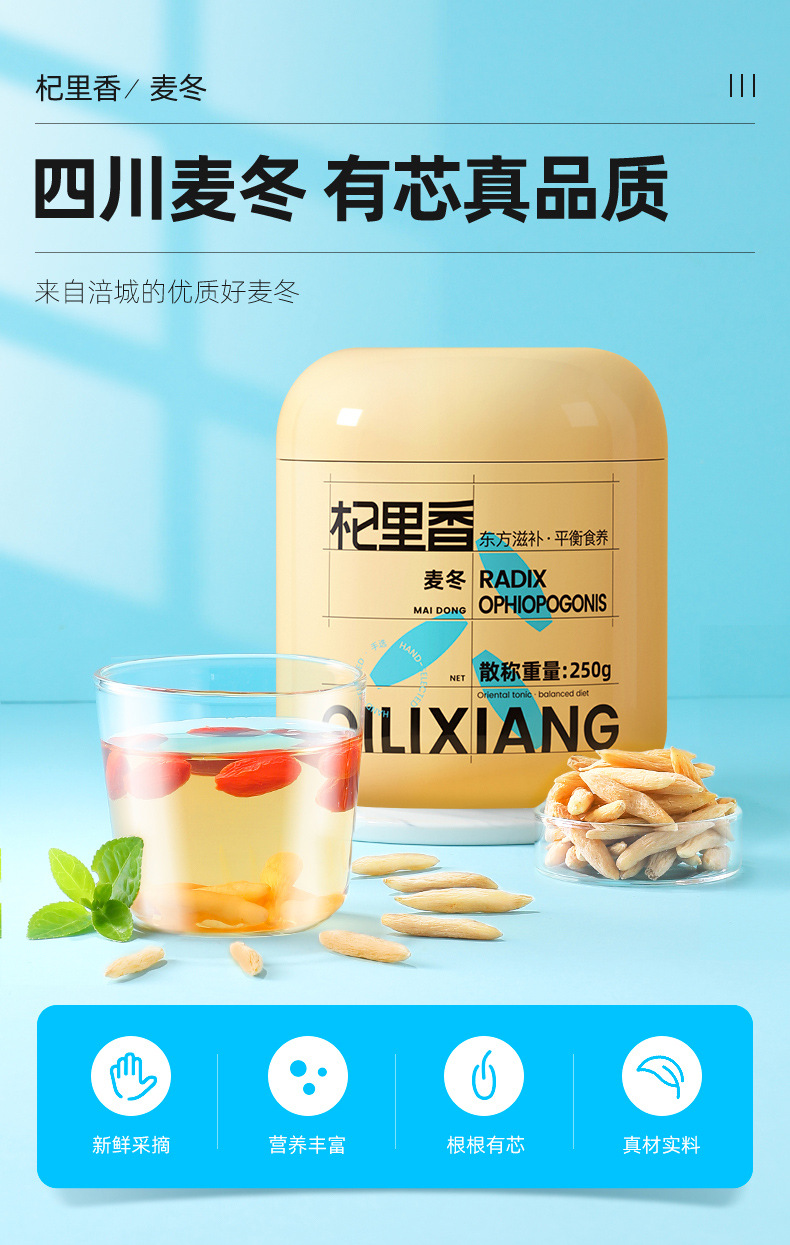
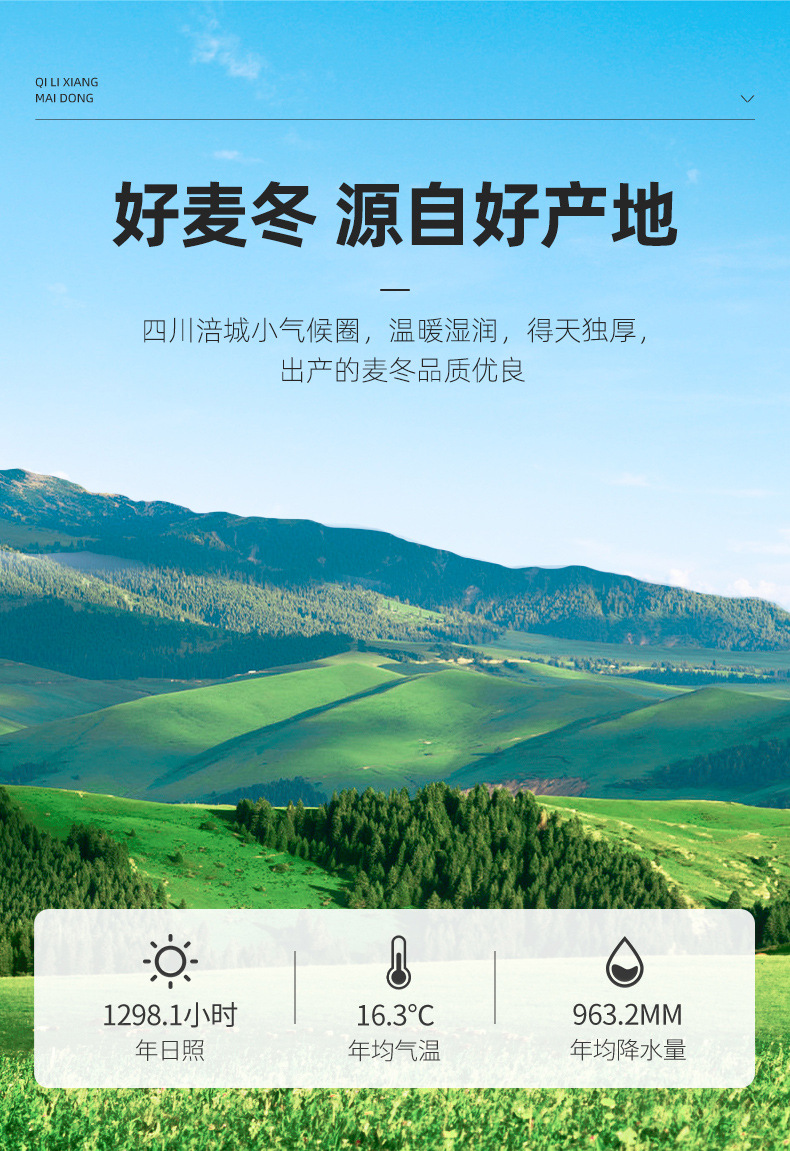
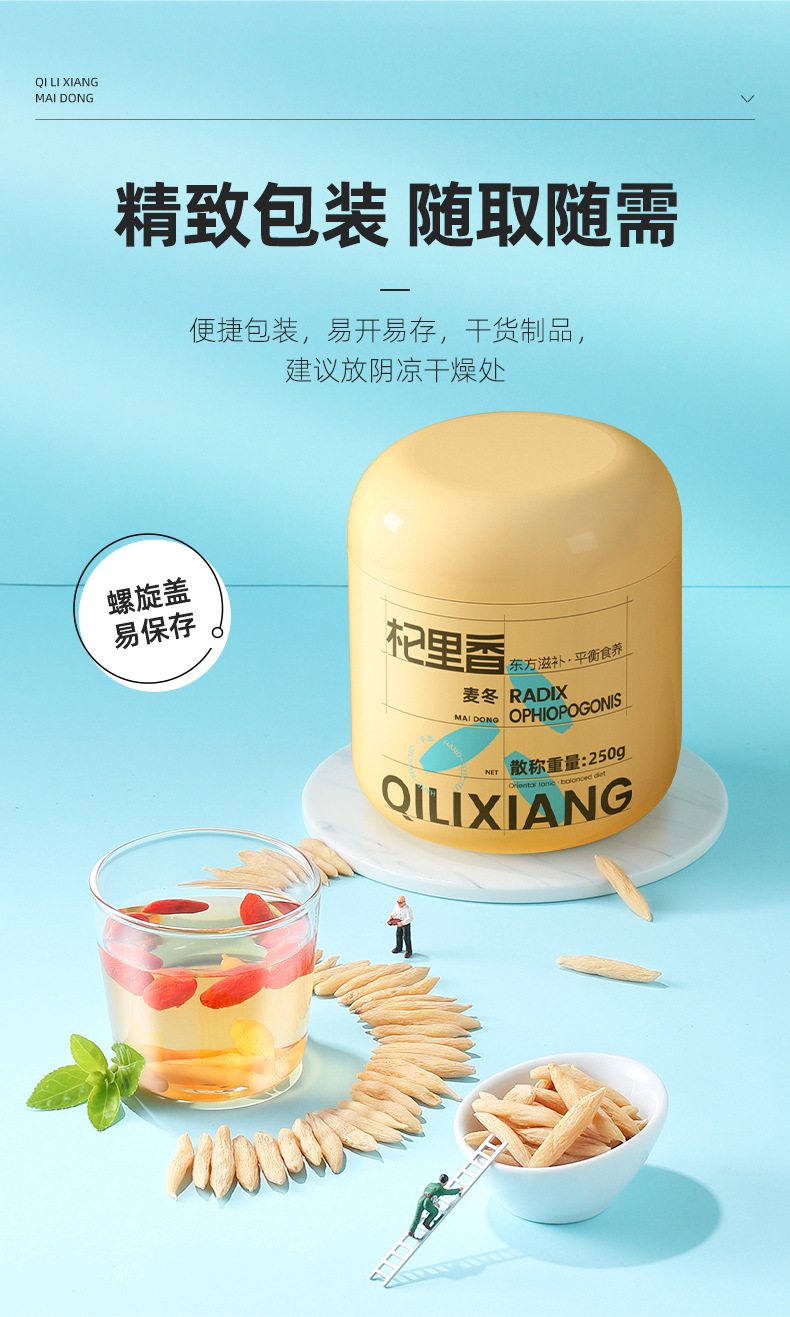
Sichuan Ophiopogon Root, known in TCM as Mai Dong (麦冬), from Ophiopogon japonicus, is a dried root tuber prized in traditional herbal practice. In TCM theory it is sweet and slightly cold, entering the Heart, Lung, and Stomach channels, and is traditionally used to nourish yin and moisten dryness. Supplied as unsulfured dried root in a 250g jar, it is commonly simmered in water, added to soups, or combined with goji berries for daily herbal tea.
Key Selling Points
- Dried root tuber of Ophiopogon japonicus from Sichuan
- Known in TCM as Mai Dong (麦冬)
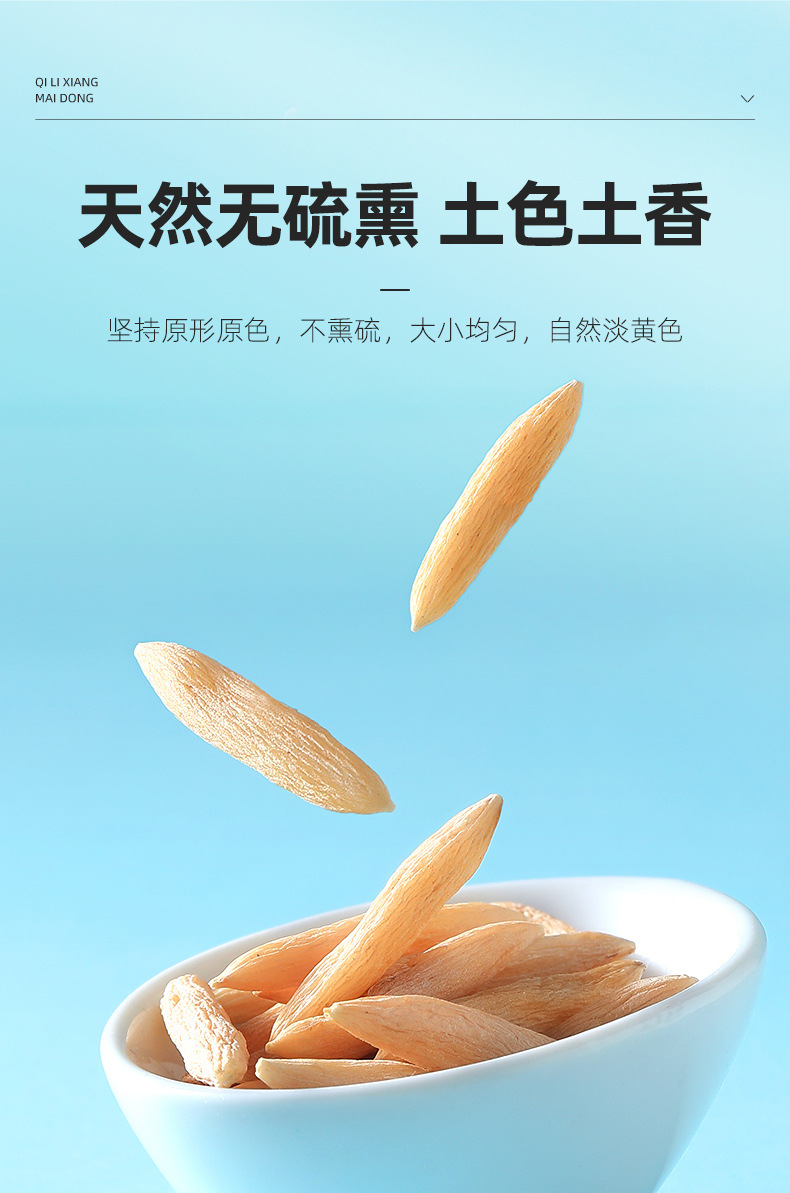
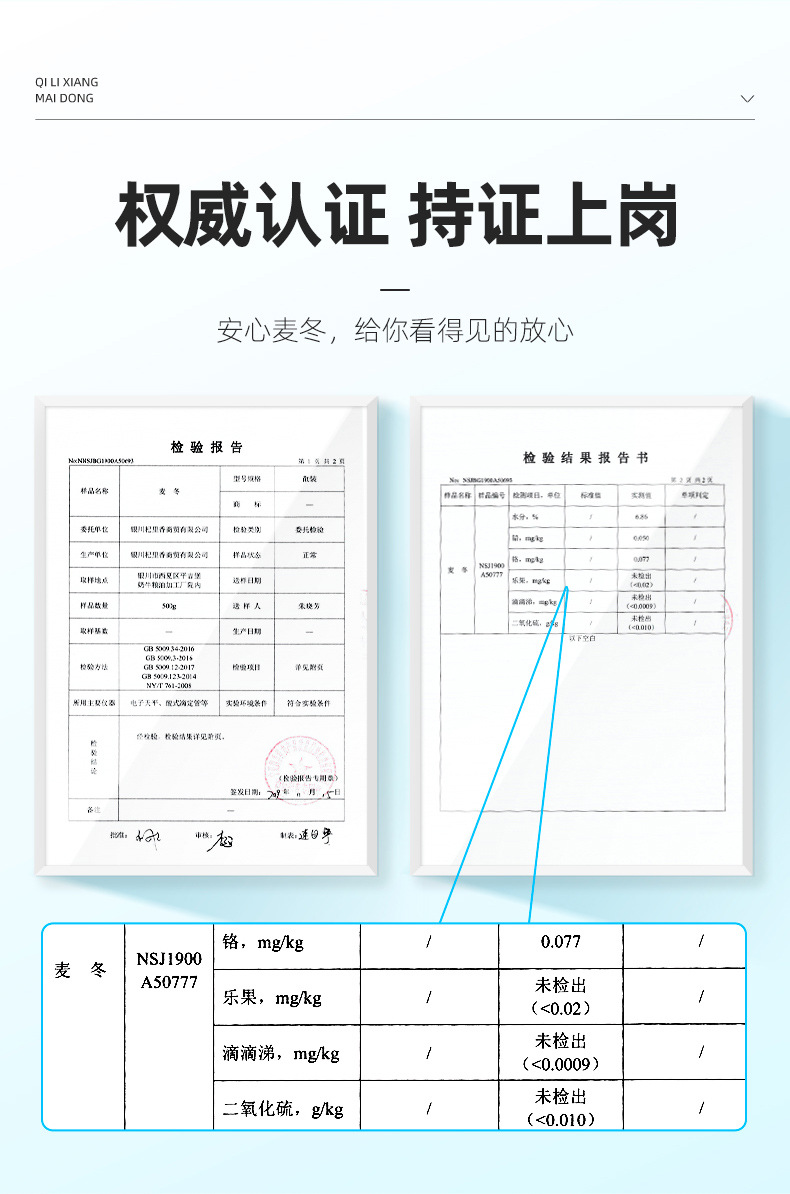
- Unsulfured processing with no sulfur fumigation
- 250g jar suitable for tea, soup, and decoction
- Traditionally used to nourish yin and moisten dryness

Quality & Sensory
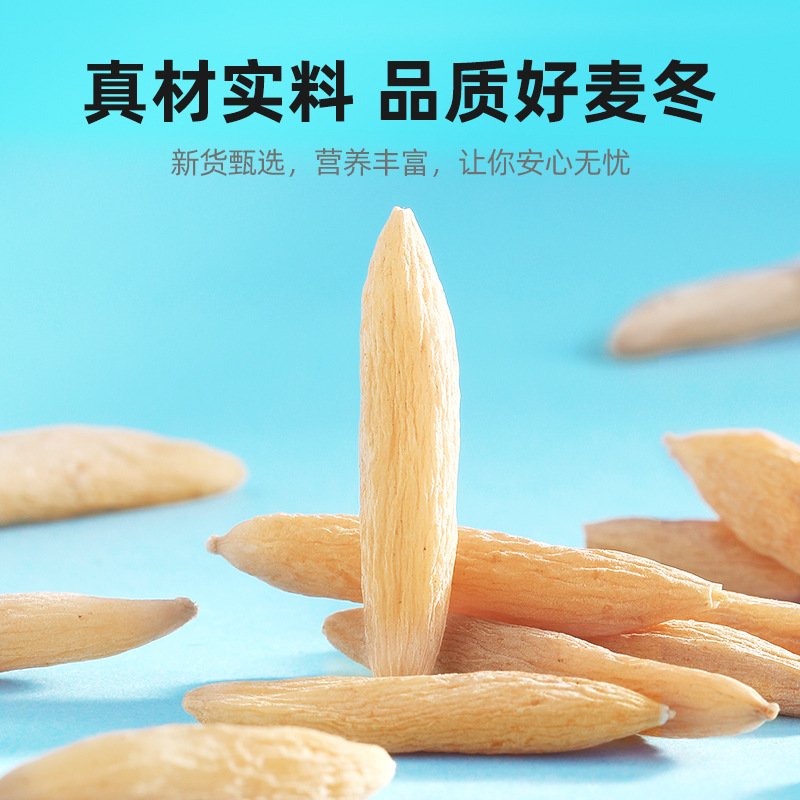
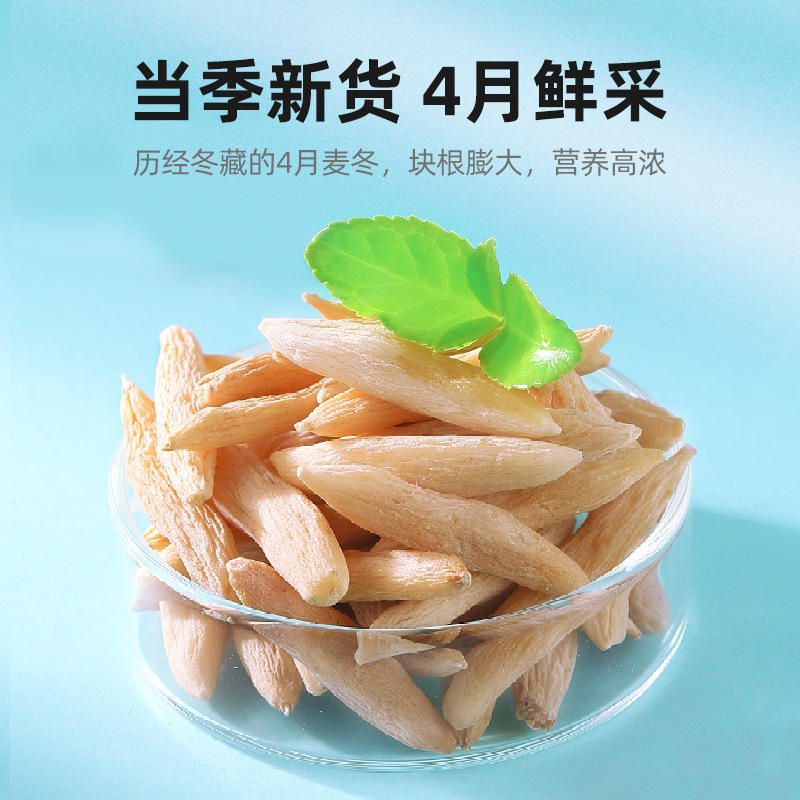
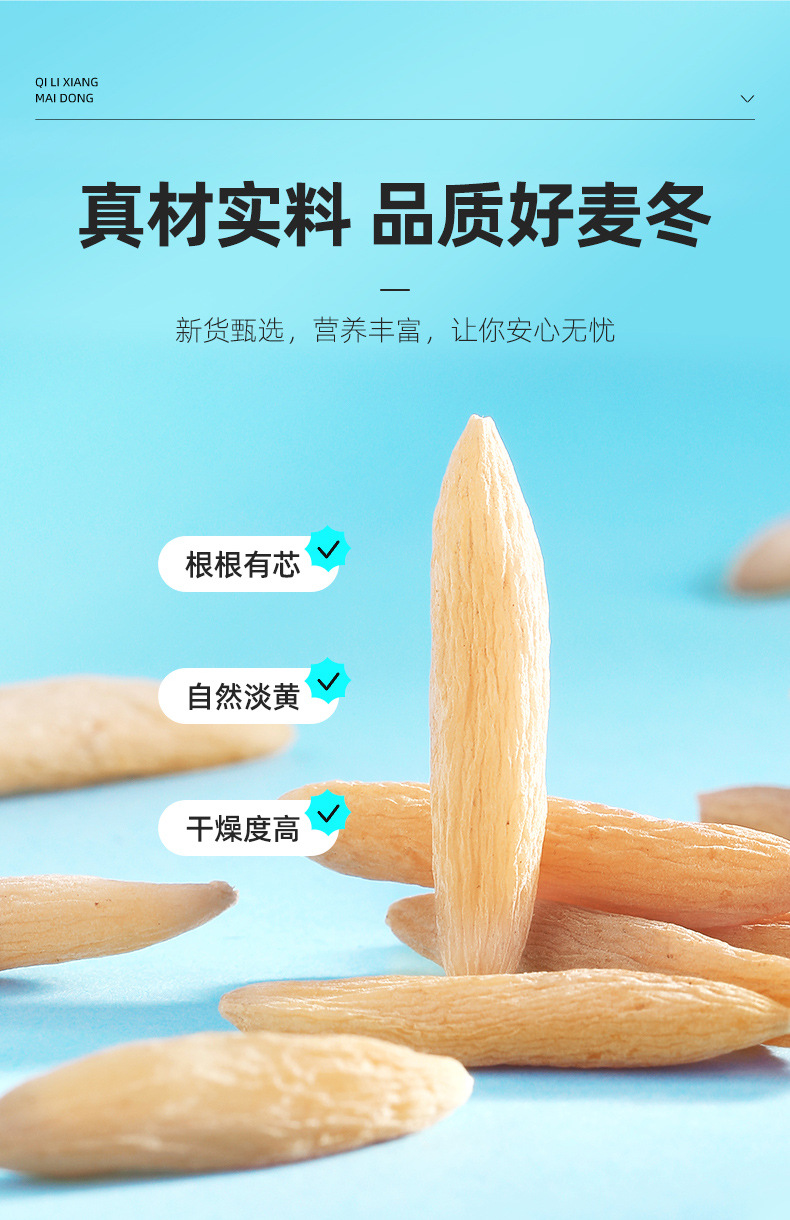
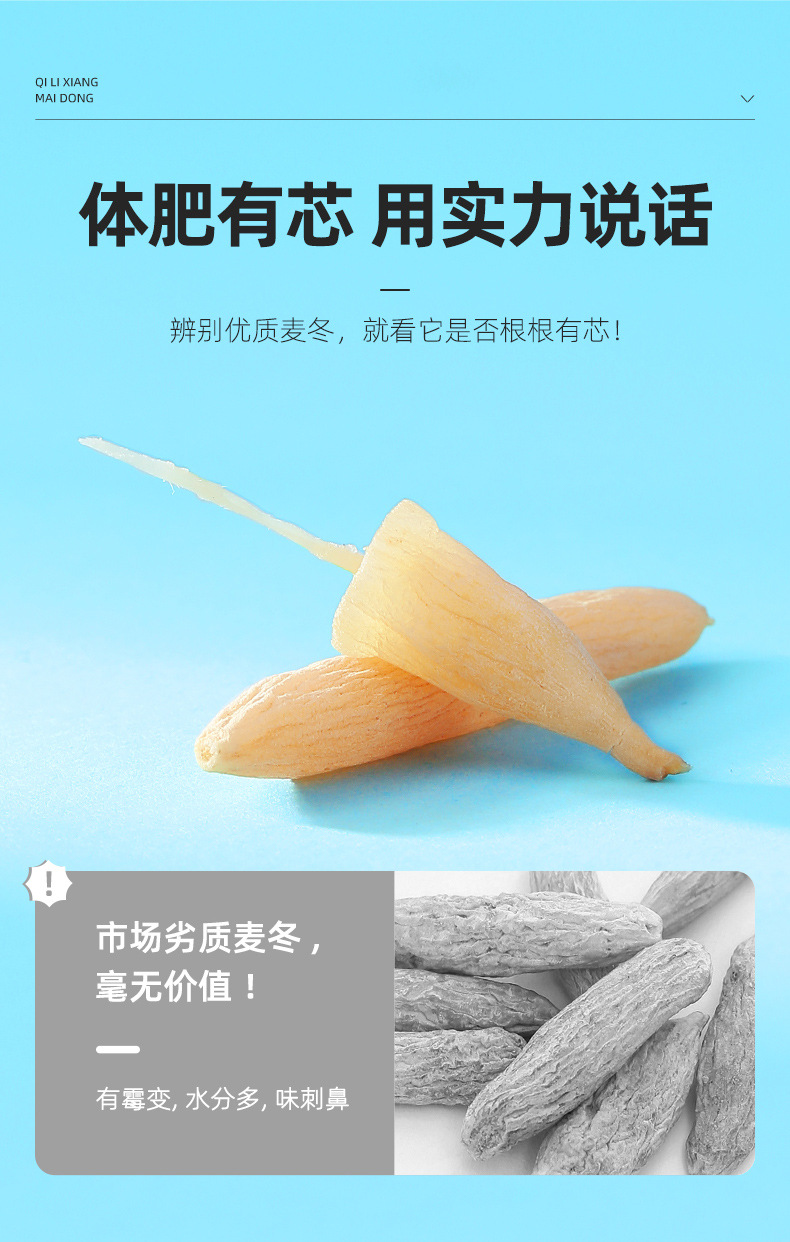
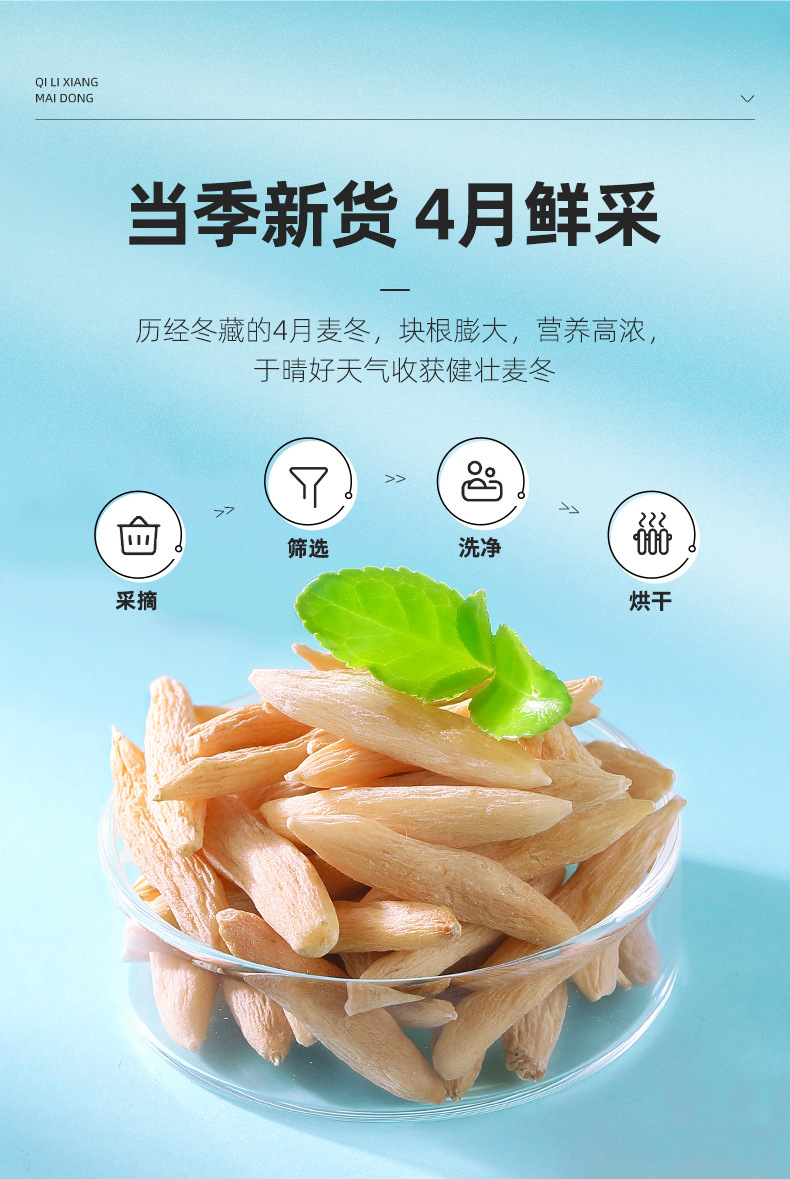
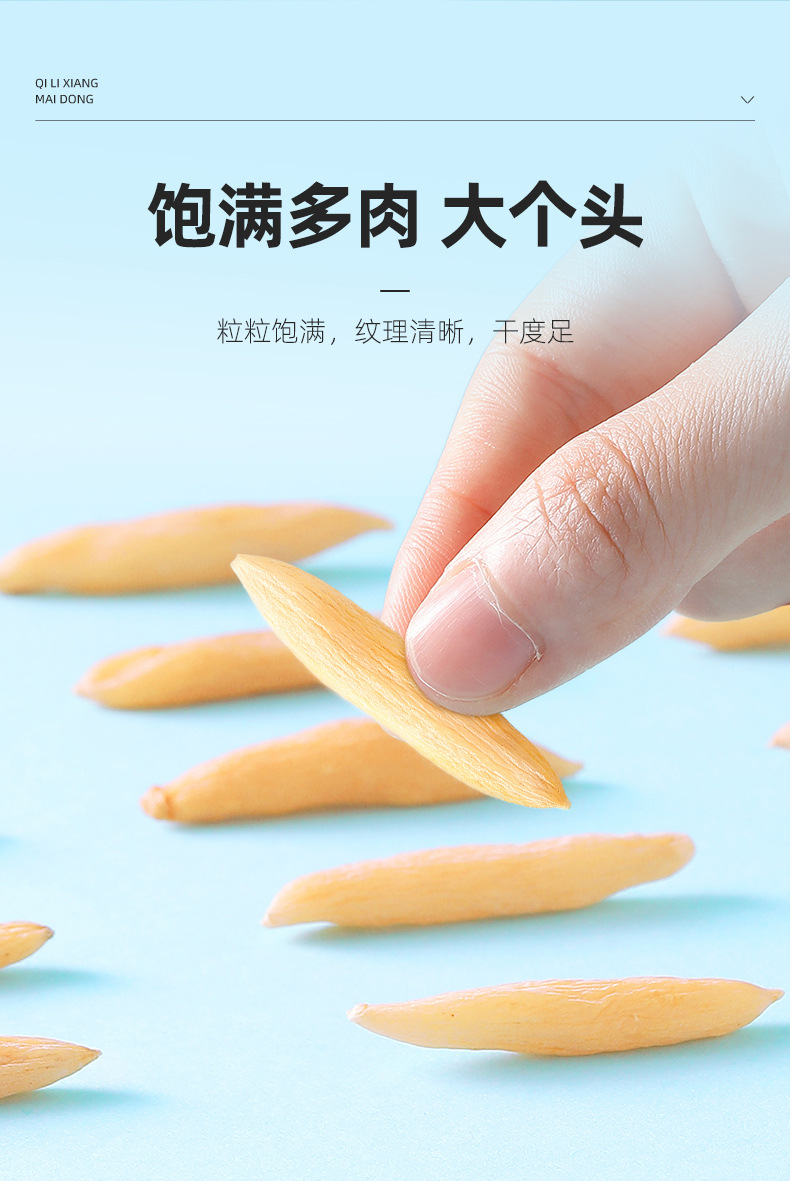
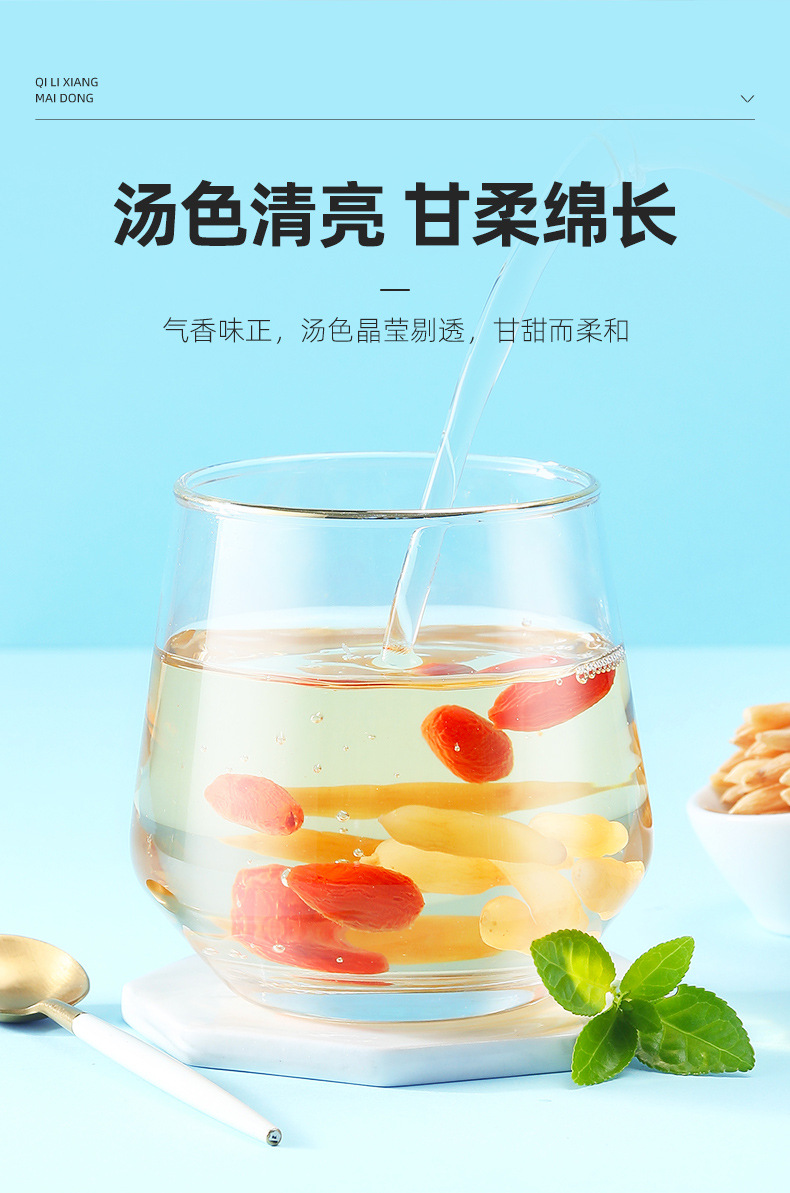
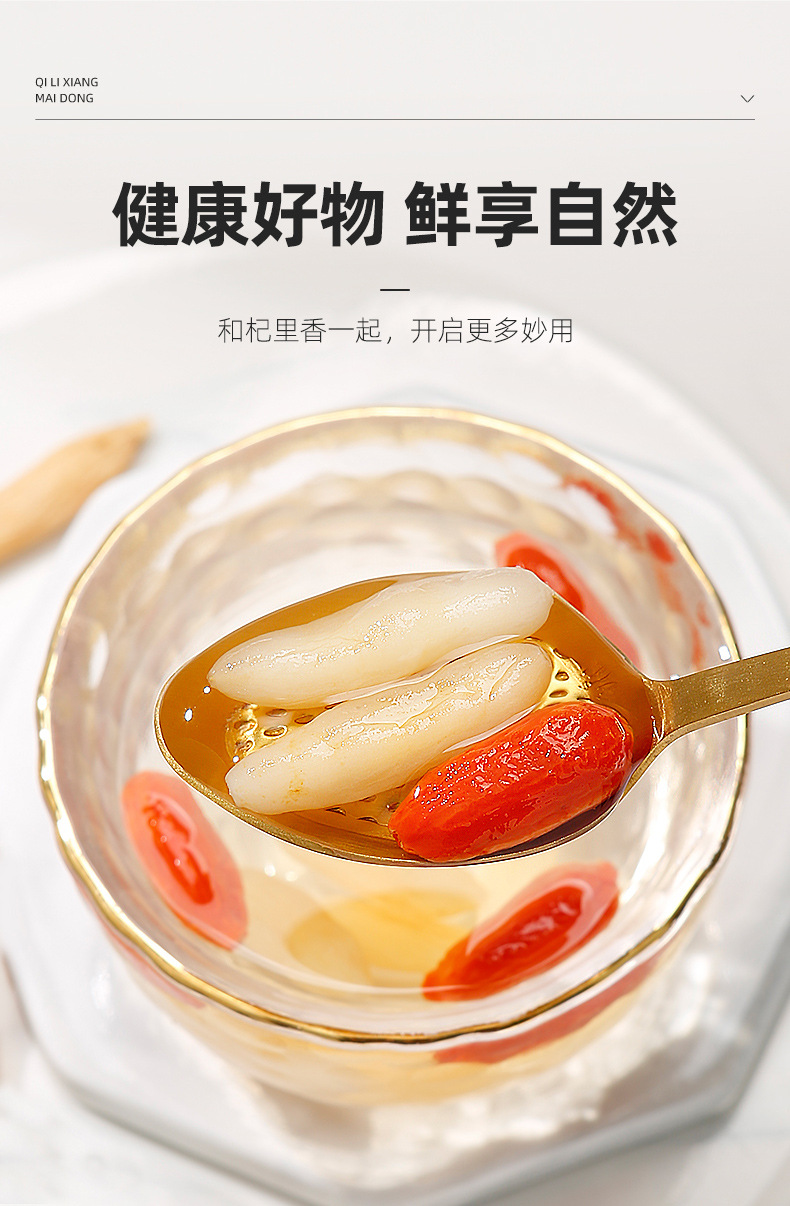
The dried root tubers are typically pale yellowish to light brown, firm and slightly plump with a smooth surface. They have a mild, faintly sweet earthy aroma. When simmered or brewed, the liquid is typically light amber with a gentle sweet taste and soft, chewable texture.
Technical Specifications
| Product Type | Dried herbal root |
|---|---|
| Chinese Name | 麦冬 |
| Pinyin | Mai Dong |
| Botanical Name | Ophiopogon japonicus |
| Plant Part | Root tuber |
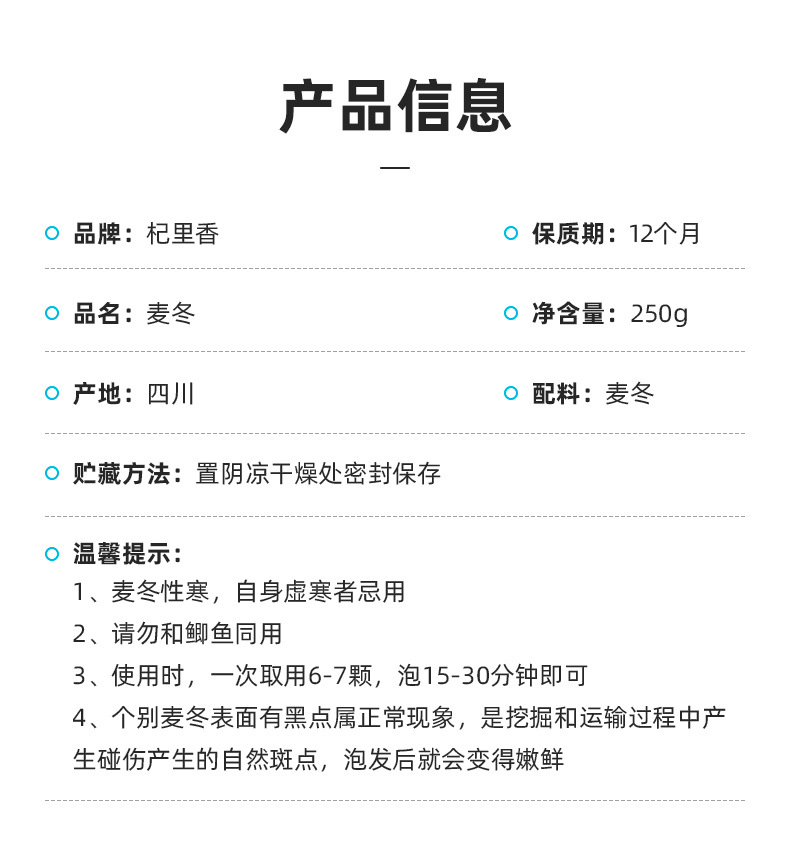
| Net Weight | 250g |
Usage Scenarios
- Simmered as a solo herbal tea or decoction
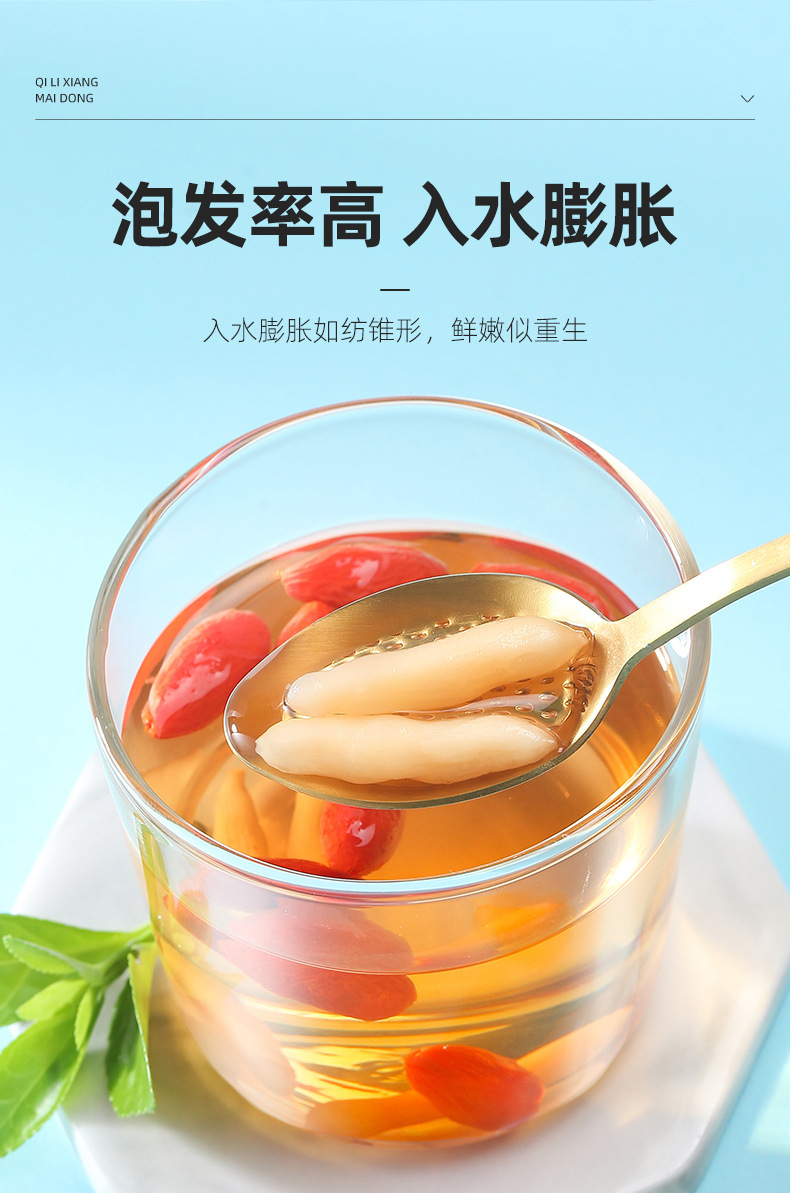
- Combined with goji berries in daily tea
- Added to soups and congee
- Used in seasonal cooling herbal blends
Traditional Uses
In TCM theory, Mai Dong is traditionally used to nourish yin, moisten the Lungs, and support fluid production. It is commonly simmered alone or paired with herbs such as goji berries, lily bulb, or American ginseng in teas, soups, and congee. Folk practice often uses it in autumn and dry-season preparations to support throat and lung comfort.
FAQ Q&A
Q: What is Sichuan Ophiopogon Root?
A: It is the dried root tuber of Ophiopogon japonicus, known in TCM as Mai Dong (麦冬), sourced from Sichuan and sold as a 250g jar.
Q: What is it traditionally used for?
A: In TCM theory it is traditionally used to nourish yin and moisten dryness, and is often prepared in teas, soups, or congee.
Q: How is it commonly prepared?
A: It is typically simmered in water as a tea or decoction, or added to soups and congee. It can also be combined with goji berries.
Additional information
| Weight | 0.54 kg |
|---|---|
| Dimensions | 15 × 15 × 12 cm |
Related products
-
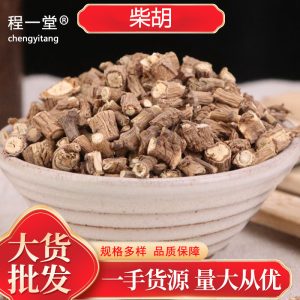
Chai Hu Bupleurum Root Dried Herb 500g Traditional TCM Decoction Herb
Price range: $9.14 through $16.44 -
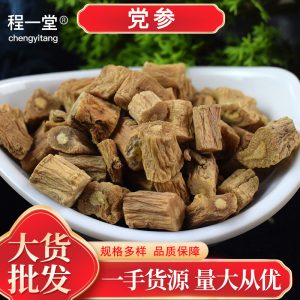
Dried Codonopsis Root Slices Dang Shen 500g Bulk Supply for Soups and Herbal Decoctions
Price range: $10.28 through $18.06 -
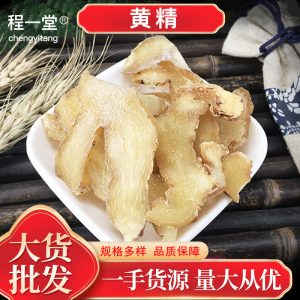
Dried Huang Jing Slices Polygonatum Rhizome Chicken Head Huang Jing 500g Bulk Herbal Tea and Soup Ingredient
Price range: $9.14 through $18.87 -
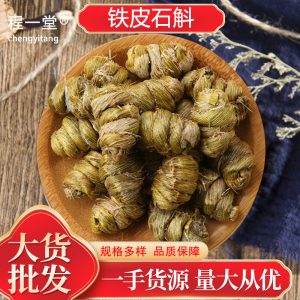
Tie Pi Shi Hu Dried Dendrobium Stems 500g Huoshan Fengdou for Soup and Tea
Price range: $35.88 through $108.80
Reviews
There are no reviews yet.