
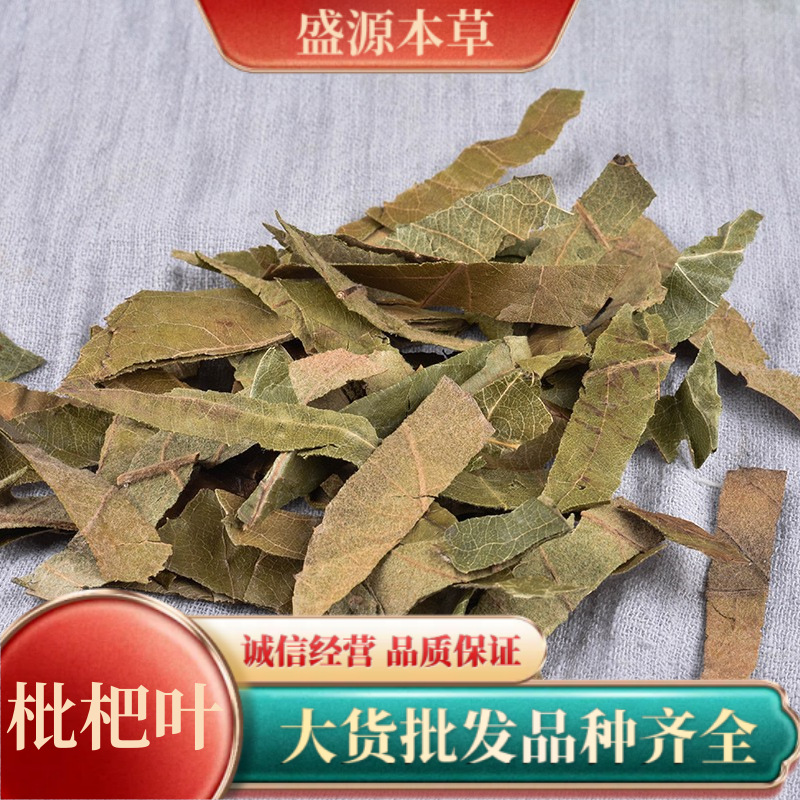
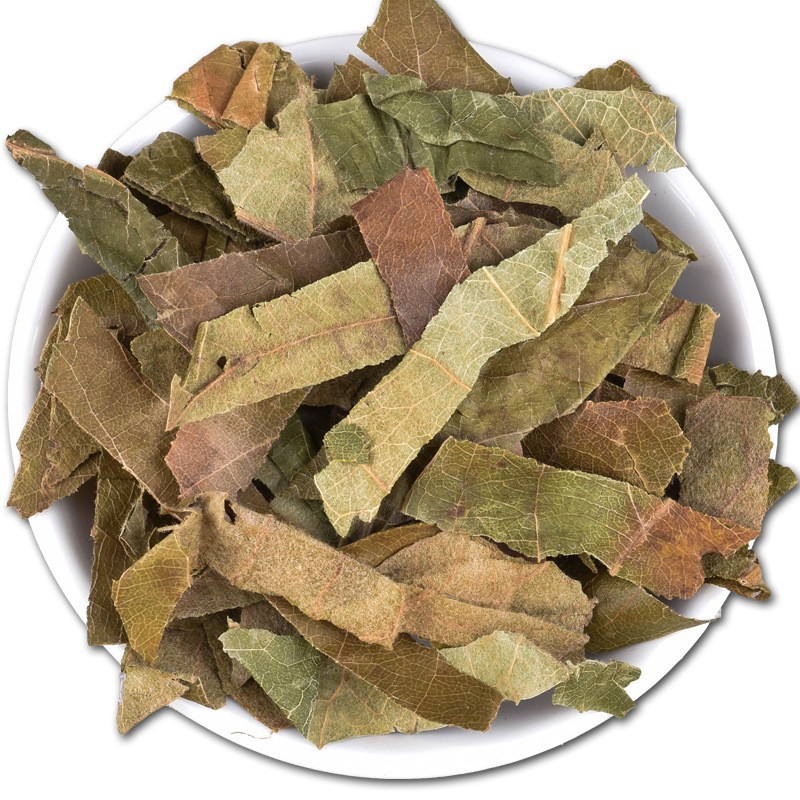
Dried Loquat Leaf Pi Pa Ye 500g Natural Sun Dried Chinese Herbal Tea Ingredient
$5.51
96510 in stock
Description
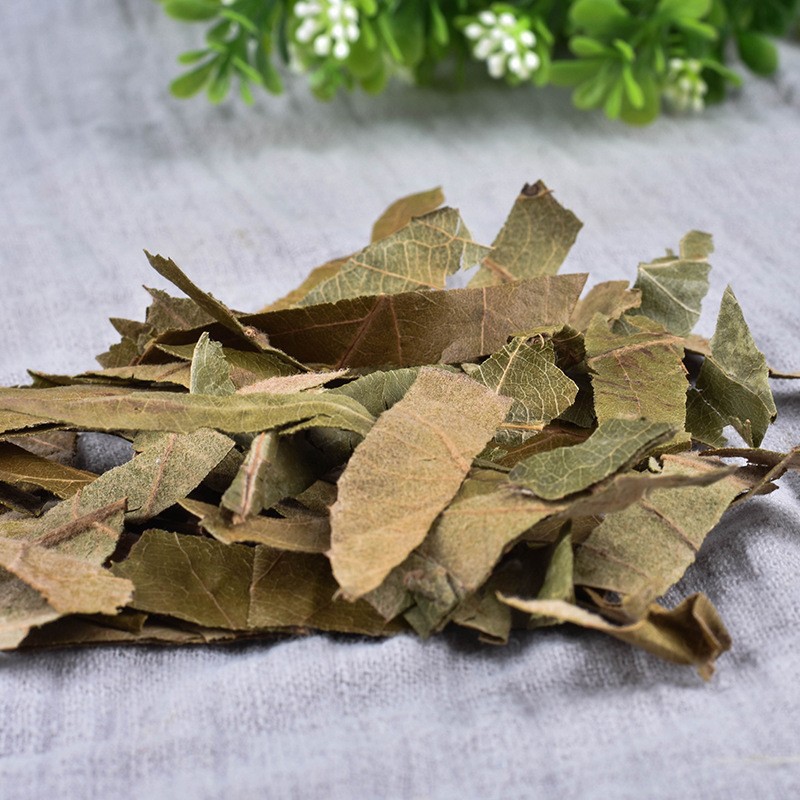
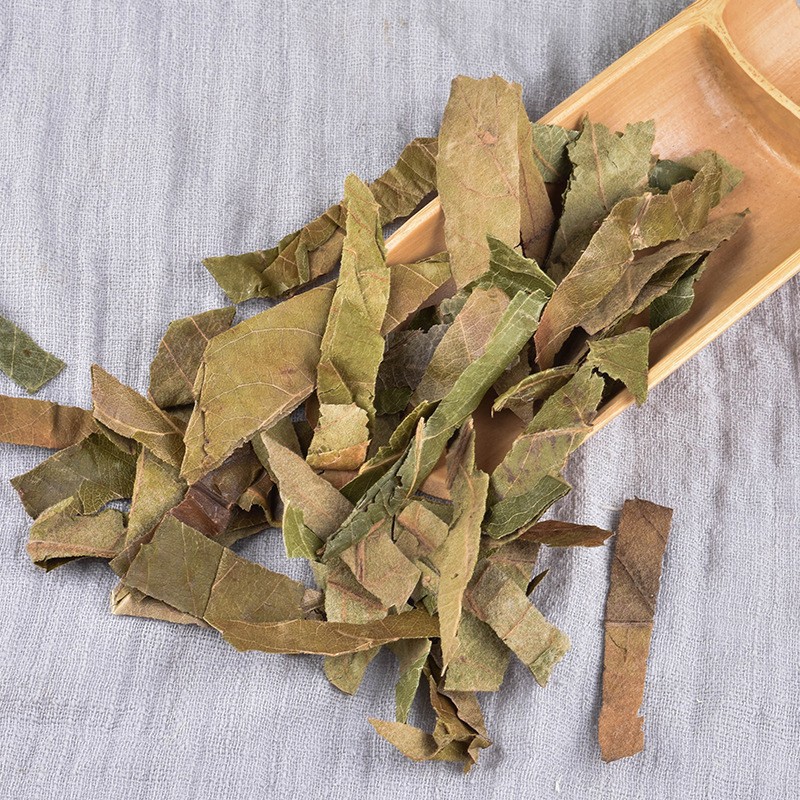
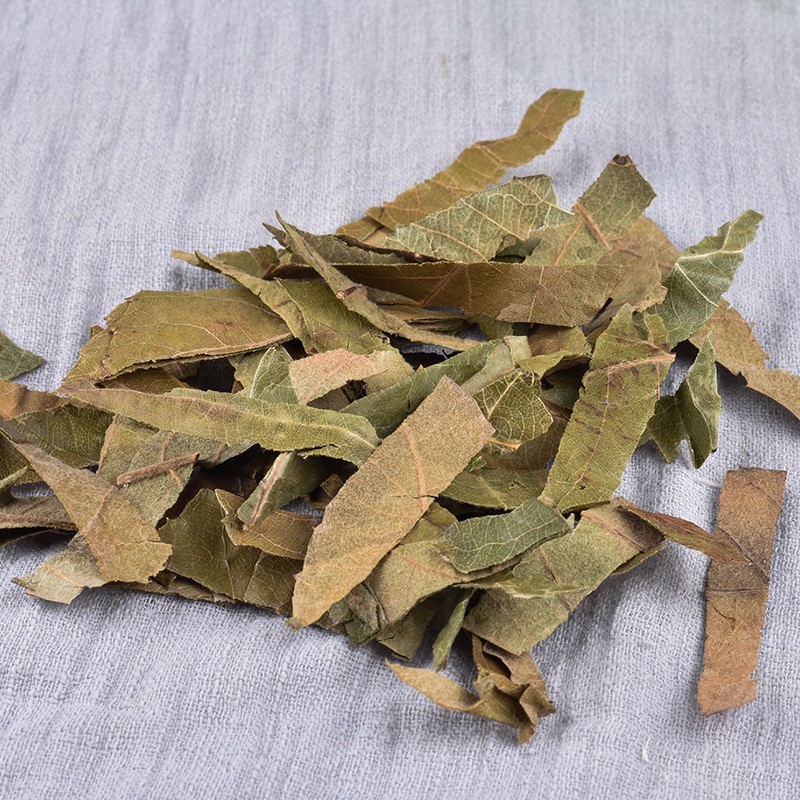
Dried Loquat Leaf, known in TCM as Pi Pa Ye (枇杷叶), from Eriobotrya japonica. These whole dried leaves are naturally sun dried and sold as a raw edible-grade botanical. In TCM theory, loquat leaf is bitter in flavor and slightly cold in nature, traditionally associated with the Lung and Stomach channels. It is commonly simmered as a decoction or brewed as a simple herbal tea. Store in a cool dry place away from moisture.

Key Selling Points
- Whole dried loquat leaf supplied as a raw Chinese herbal botanical
- Botanical source Eriobotrya japonica known in TCM as Pi Pa Ye 枇杷叶
- Naturally sun dried with no further processing
- Traditionally associated with the Lung and Stomach channels in TCM theory
- Suitable for decoctions herbal teas and culinary simmering
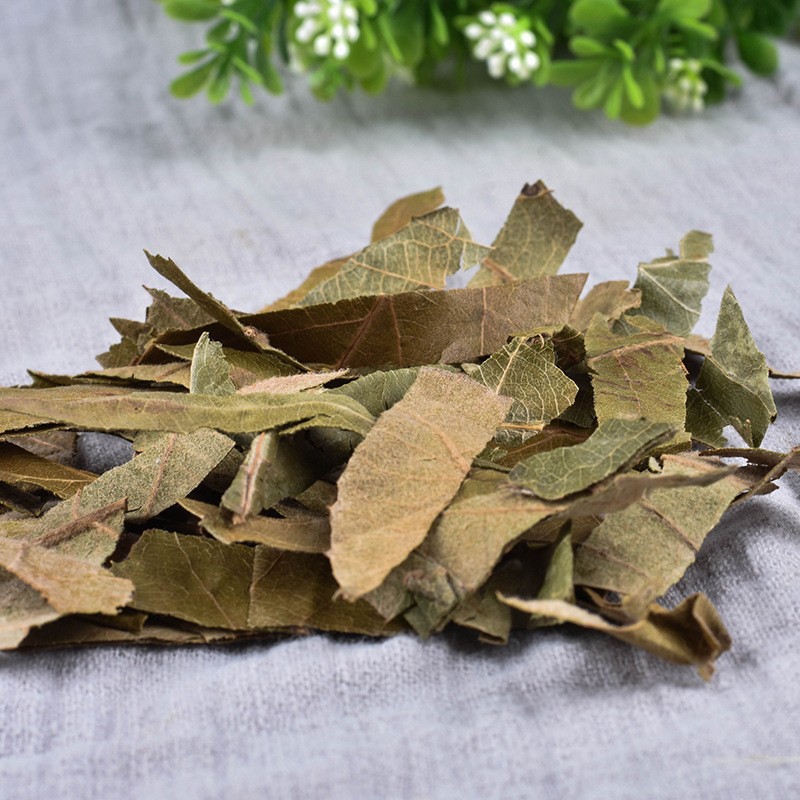
Quality & Sensory
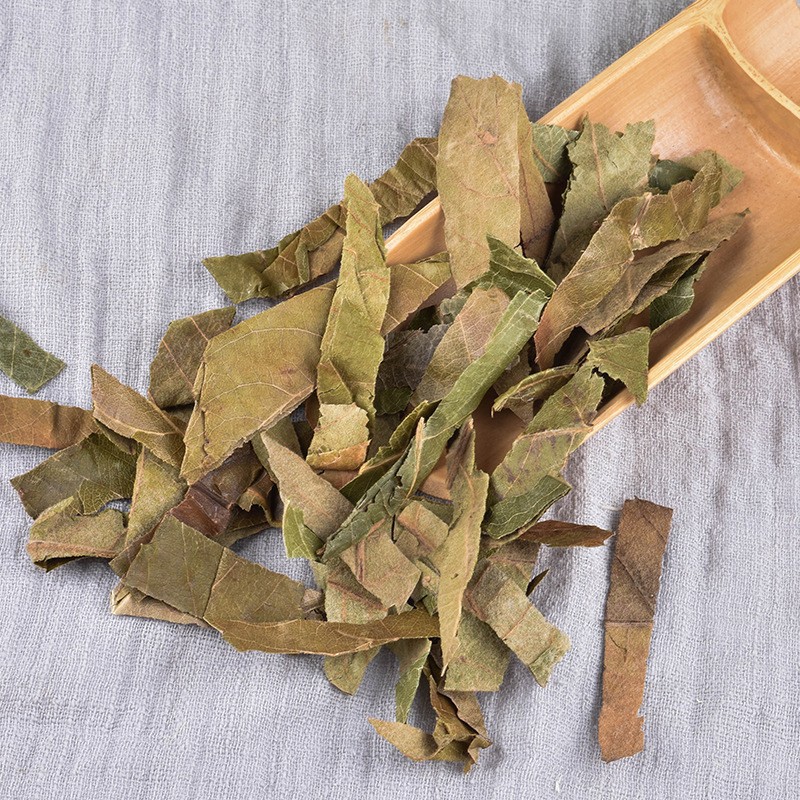
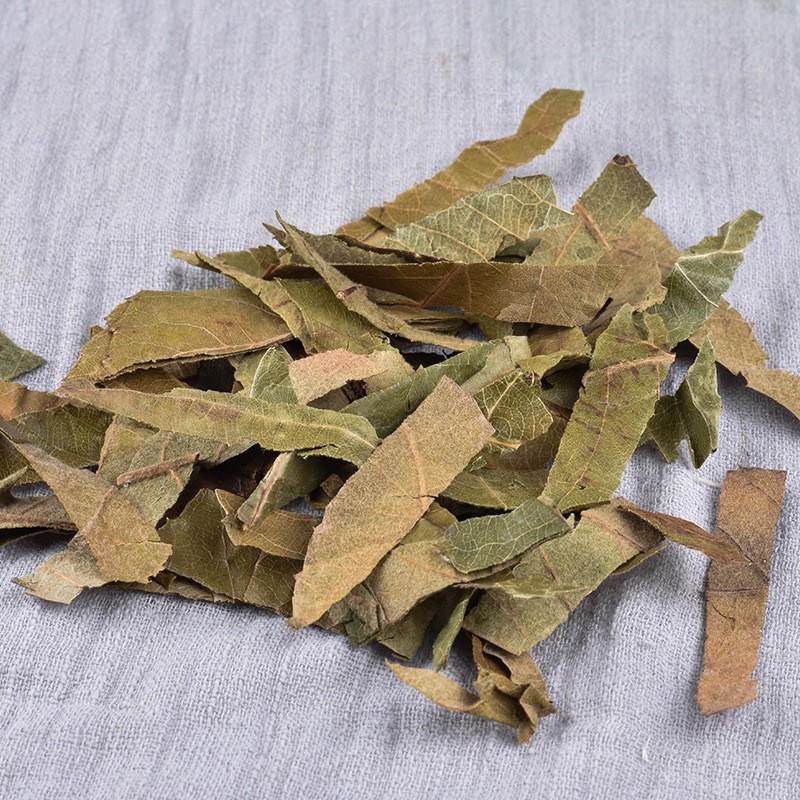
Typically the dried leaves are grayish green to brownish green with a leathery texture and visible veins. They carry a mild grassy aroma, and when simmered the liquor typically tastes lightly bitter with a clean herbal finish.
Technical Specifications
| Product Type | Raw Chinese herbal botanical |
|---|---|
| Chinese Name | 枇杷叶 |
| Pinyin | Pi Pa Ye |
| Botanical Name | Eriobotrya japonica |
| Plant Part | Leaf |
| Net Weight | 500 g |
Usage Scenarios
- Simmer into a traditional loquat leaf decoction
- Brew as a simple daily herbal tea
- Add to herbal soup simmering blends
- Combine with other TCM botanicals in seasonal formulas
Traditional Uses
In TCM practice, Pi Pa Ye is traditionally used in decoctions and is often paired with herbs such as mulberry leaf or apricot kernel in classic seasonal formulas. Folk households commonly simmer the leaves with rock sugar or pear as a traditional home preparation. It has long been included in cooling herbal teas enjoyed during warm seasons.
FAQ Q&A
Q: What is this product?
A: It is 500g of whole dried loquat leaf, a raw Chinese herbal botanical known in TCM as Pi Pa Ye, from Eriobotrya japonica.
Q: What is its traditional value?
A: In TCM theory it is bitter and slightly cold and traditionally associated with the Lung and Stomach channels. It has long been used in traditional decoctions and herbal teas.
Q: How is it commonly prepared?
A: The leaves are typically rinsed and simmered in water for a decoction, or brewed as a tea, often with rock sugar or pear in traditional home preparations.
Additional information
| Weight | 0.55 kg |
|---|---|
| Dimensions | 25 × 18 × 6 cm |
Related products
-
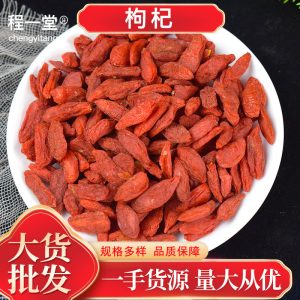
Ningxia Goji Berries Gou Qi Zi 500g Dried Red Wolfberry for Tea Soup and Snacking
Price range: $7.20 through $16.44 -
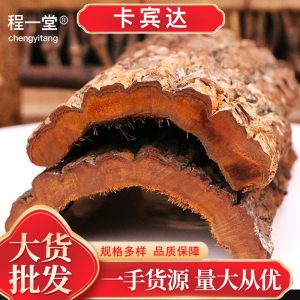
Cabinda Bark Dried Herb 500g Traditional Herbal Infusion Ingredient
Price range: $12.38 through $37.50 -
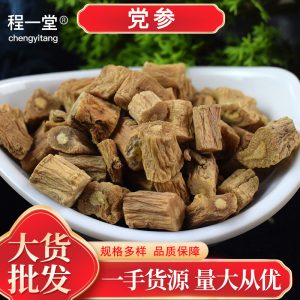
Dried Codonopsis Root Slices Dang Shen 500g Bulk Supply for Soups and Herbal Decoctions
Price range: $10.28 through $18.06 -
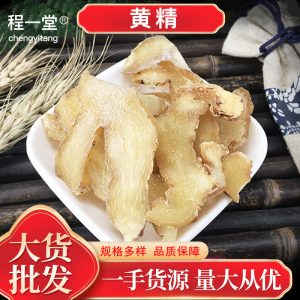
Dried Huang Jing Slices Polygonatum Rhizome Chicken Head Huang Jing 500g Bulk Herbal Tea and Soup Ingredient
Price range: $9.14 through $18.87
Reviews
There are no reviews yet.