
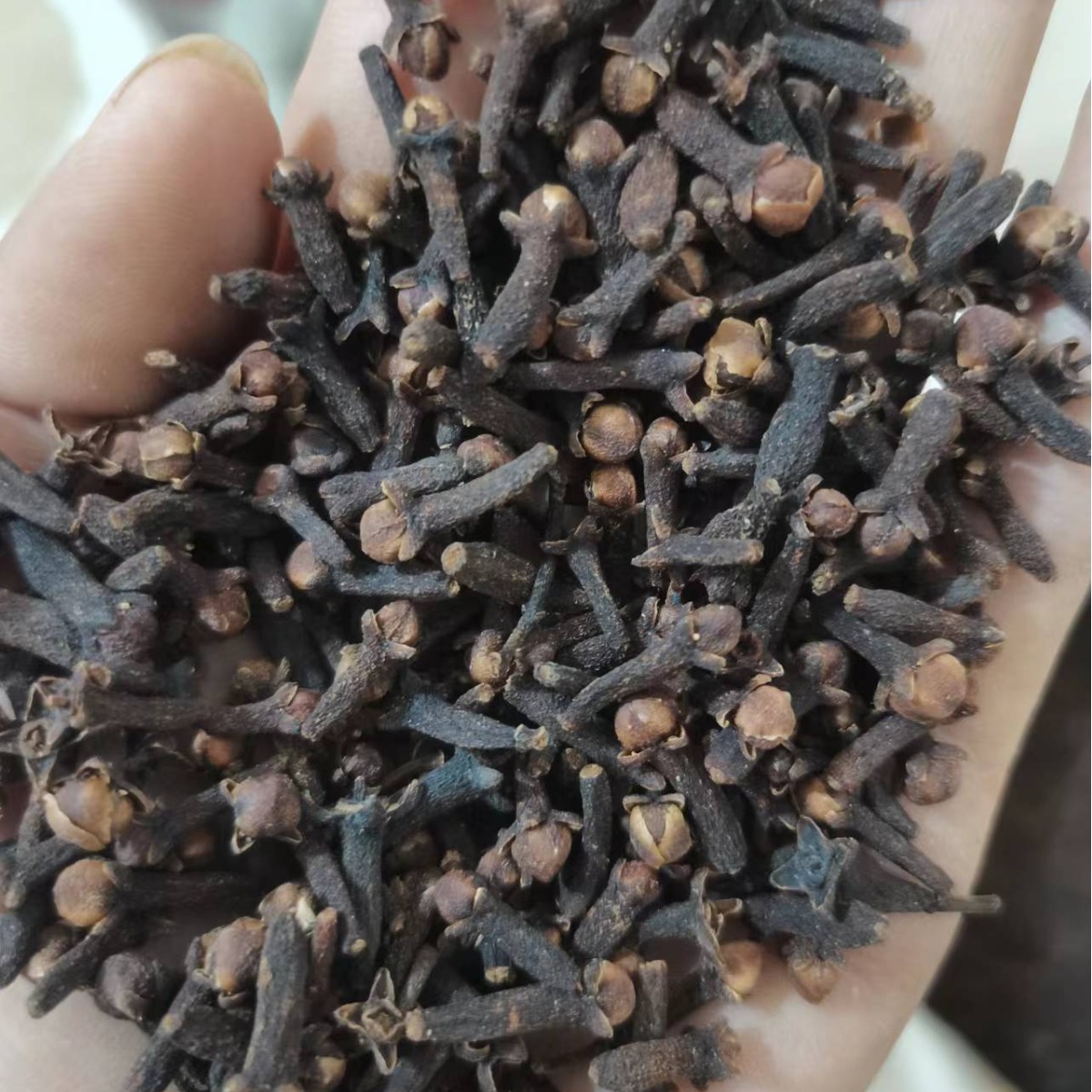
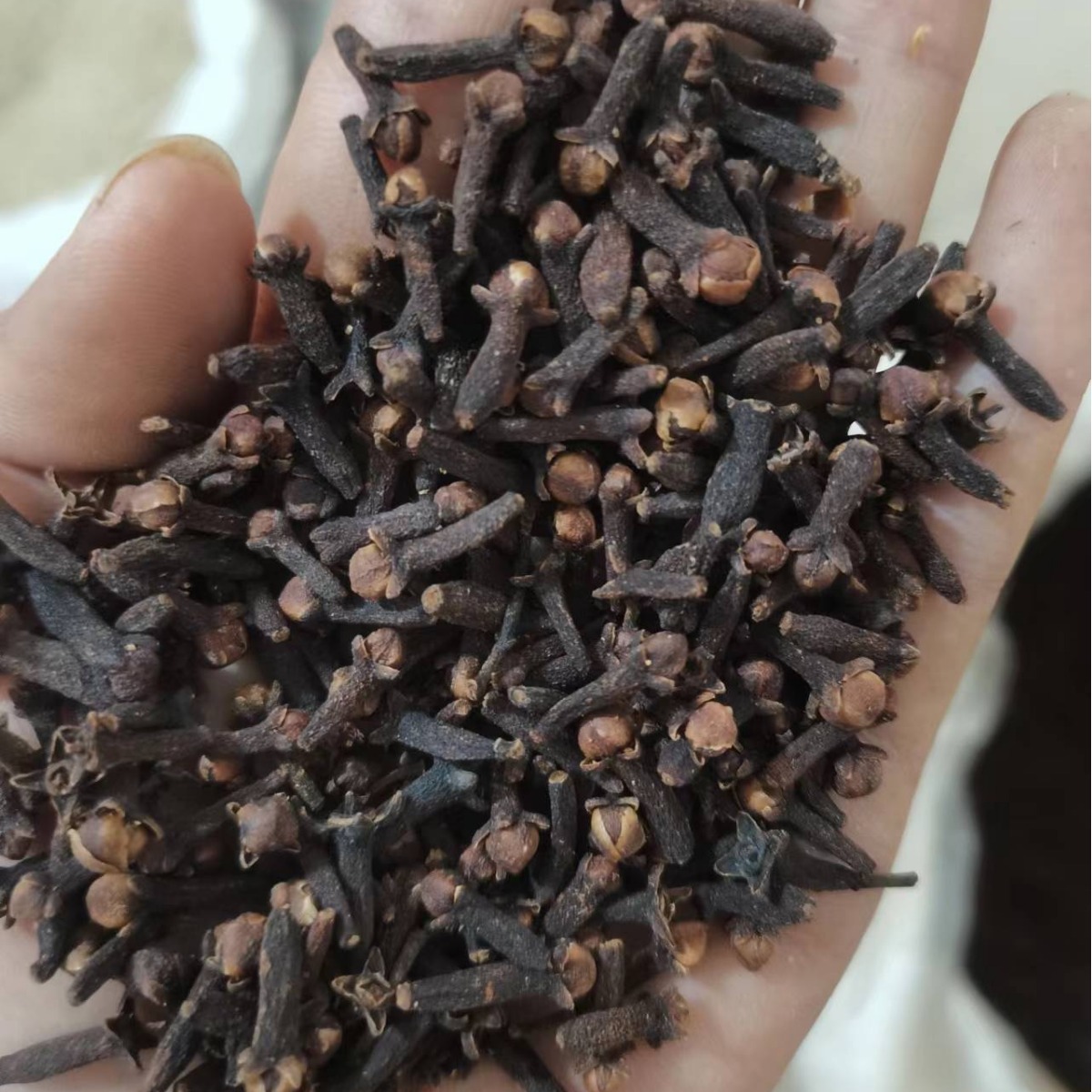
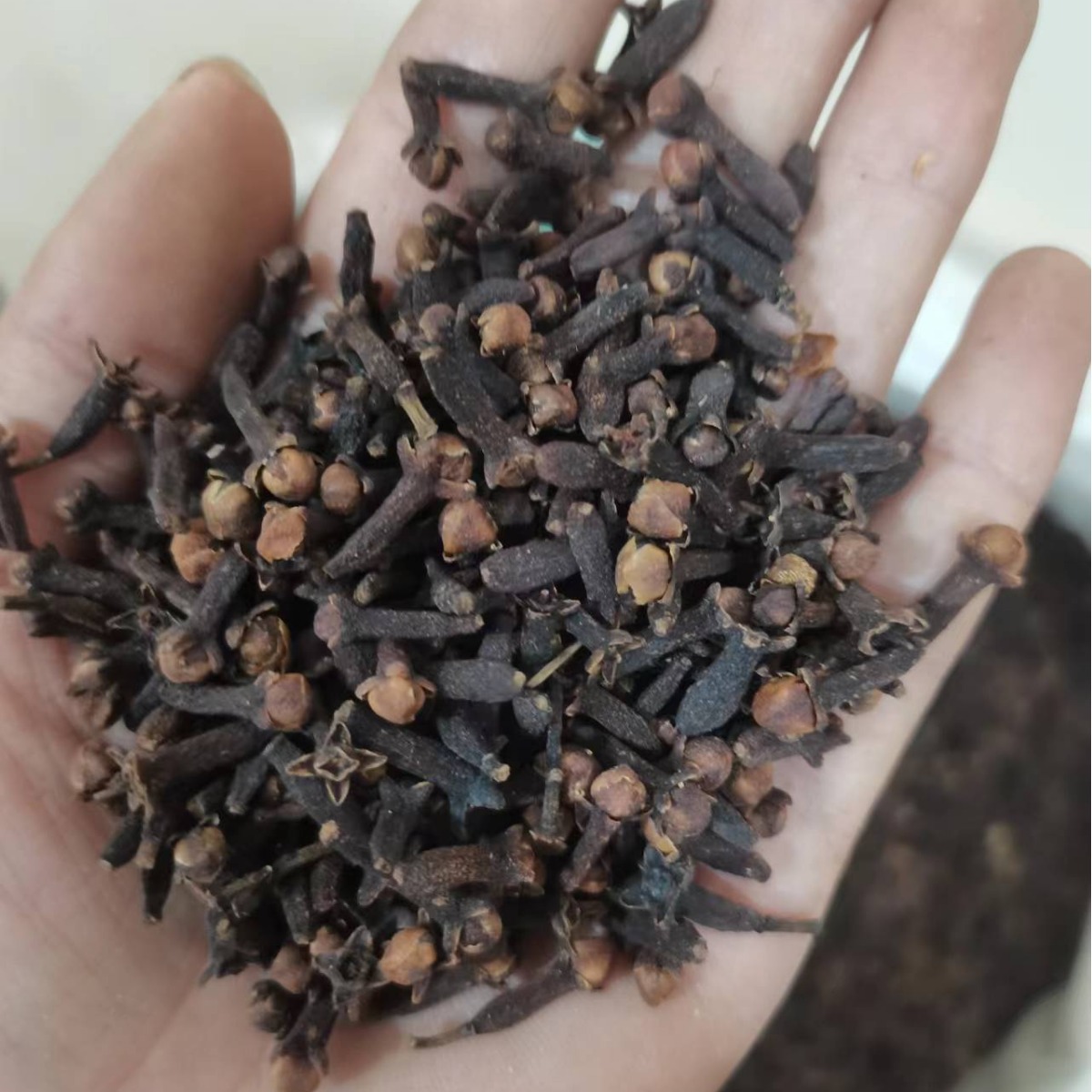
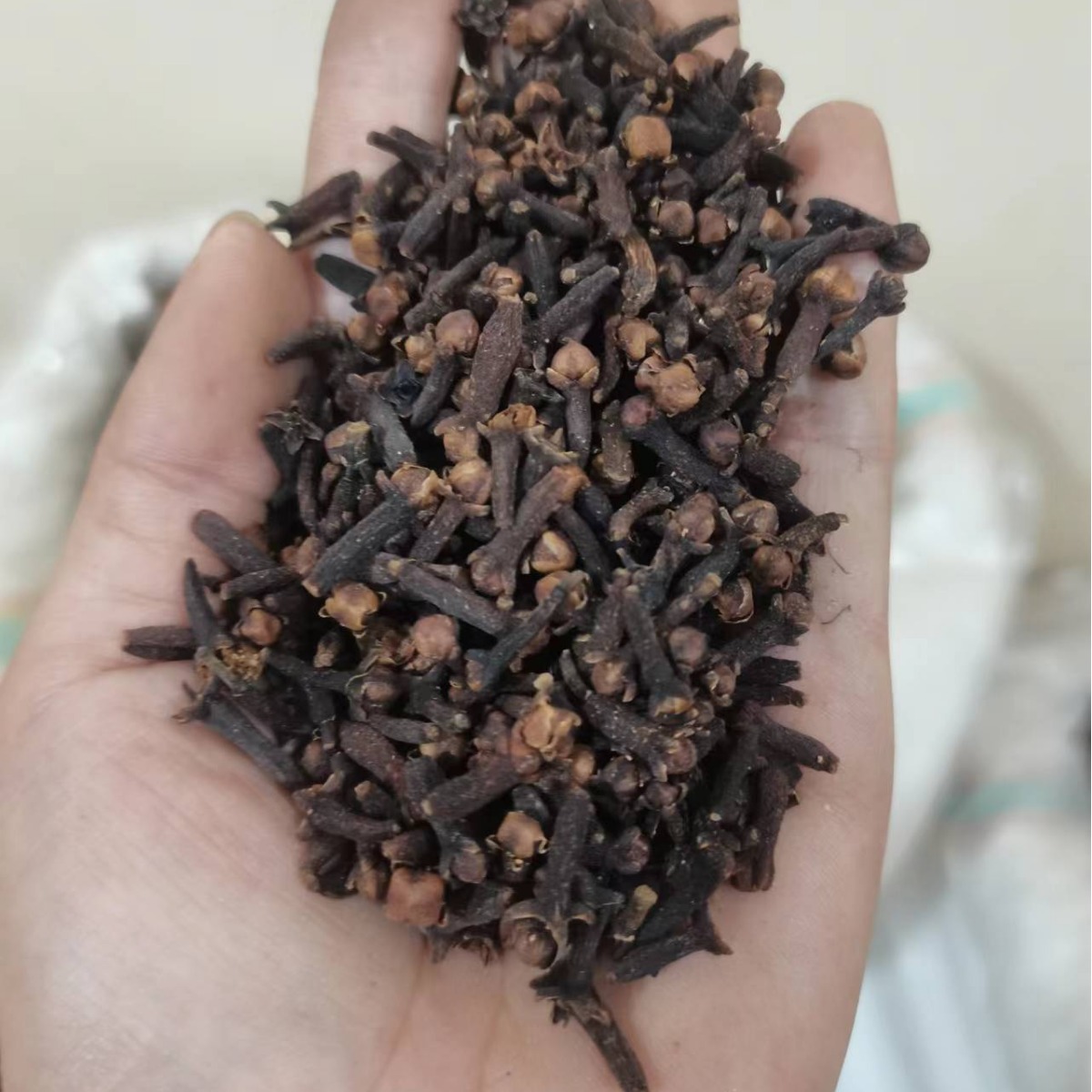
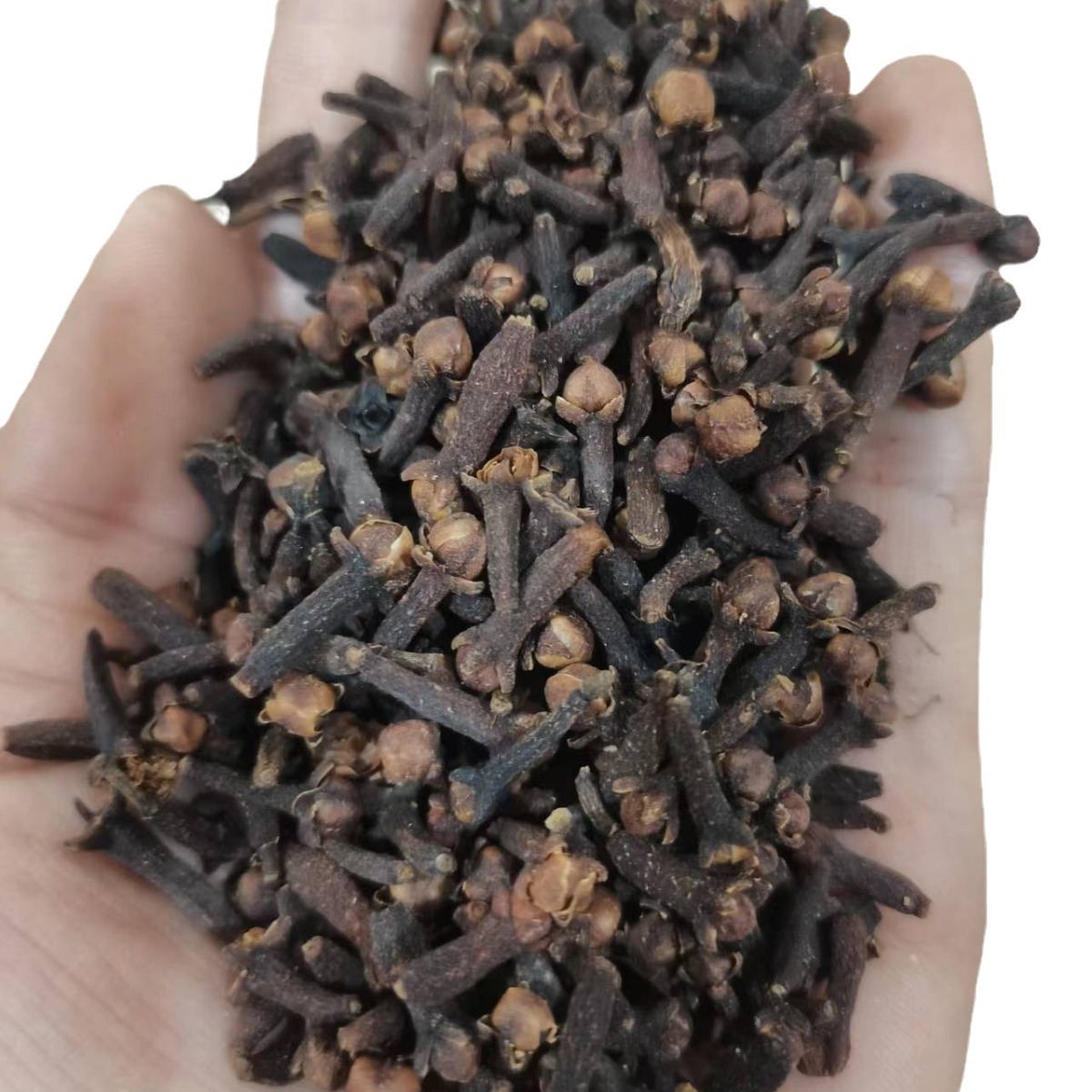
Dried Clove Buds Ding Xiang 丁香 Syzygium aromaticum Whole Flower Buds for TCM Decoction and Culinary Use
$8.98
628794 in stock
Description
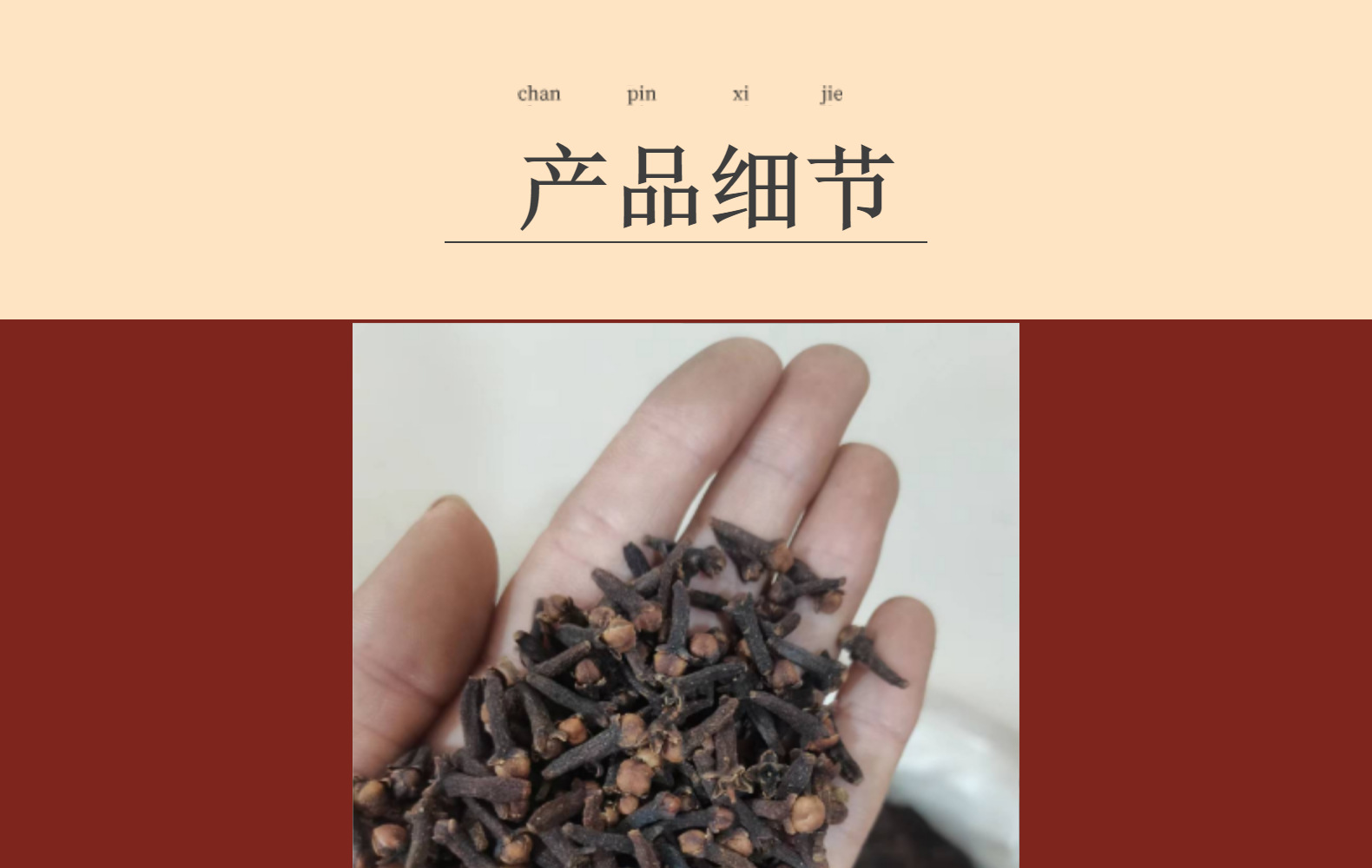
Dried Clove Buds, known in TCM as Ding Xiang (丁香), from the dried flower buds of Syzygium aromaticum. This food-and-medicine grade botanical is traditionally classified as warm and pungent, associated with the spleen, stomach, and kidney channels. Whole dried buds are suitable for decoctions, spice blends, and traditional herbal preparations. Use under the guidance of a qualified practitioner.
Key Selling Points
- Whole dried clove flower buds from Guangxi, China
- Botanical source Syzygium aromaticum, a classic TCM herb
- Traditionally warm and pungent, entering spleen, stomach, and kidney channels
- Carefully dried to preserve natural aroma and oil content
- Suitable for decoctions, spice cooking, and traditional herbal formulas

Quality & Sensory
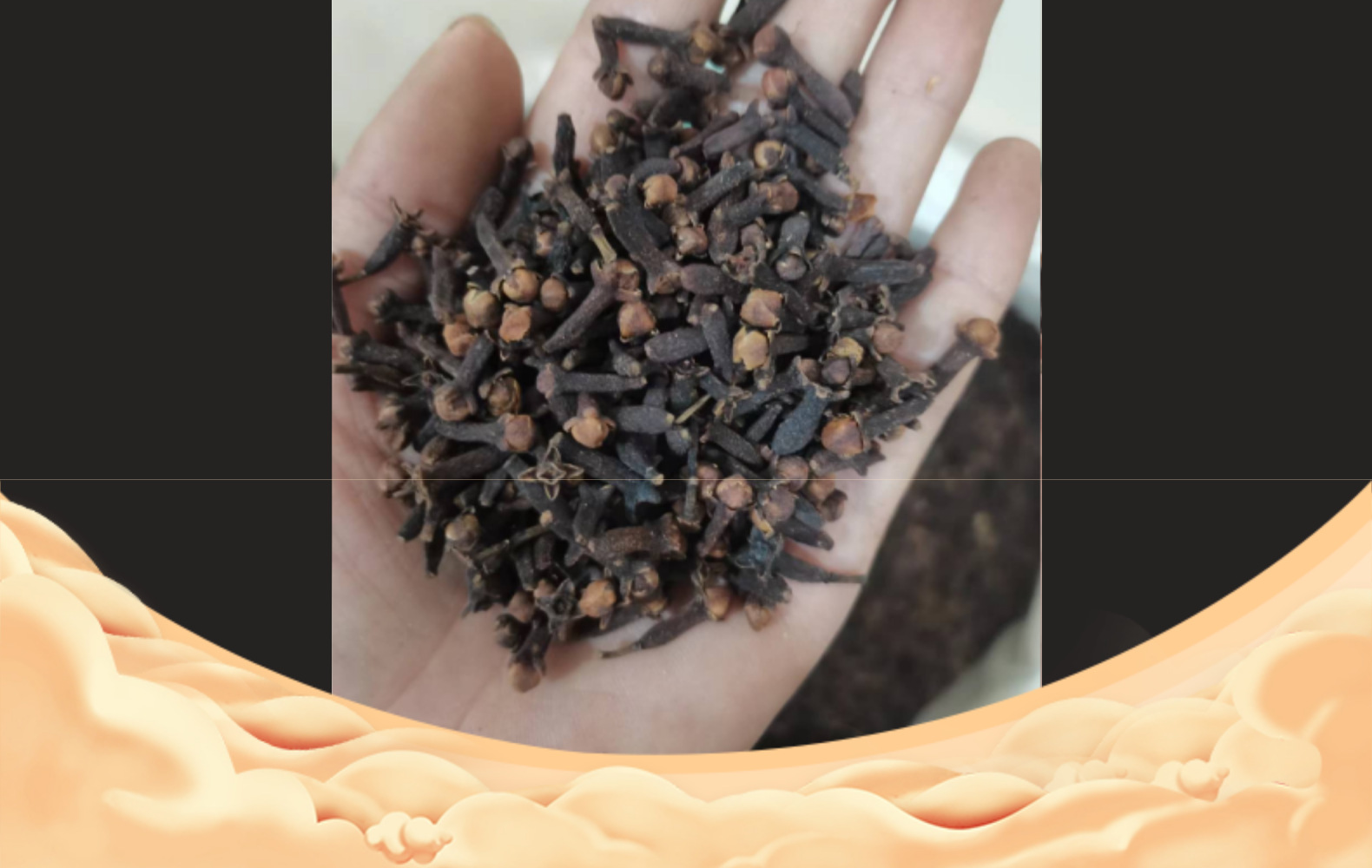
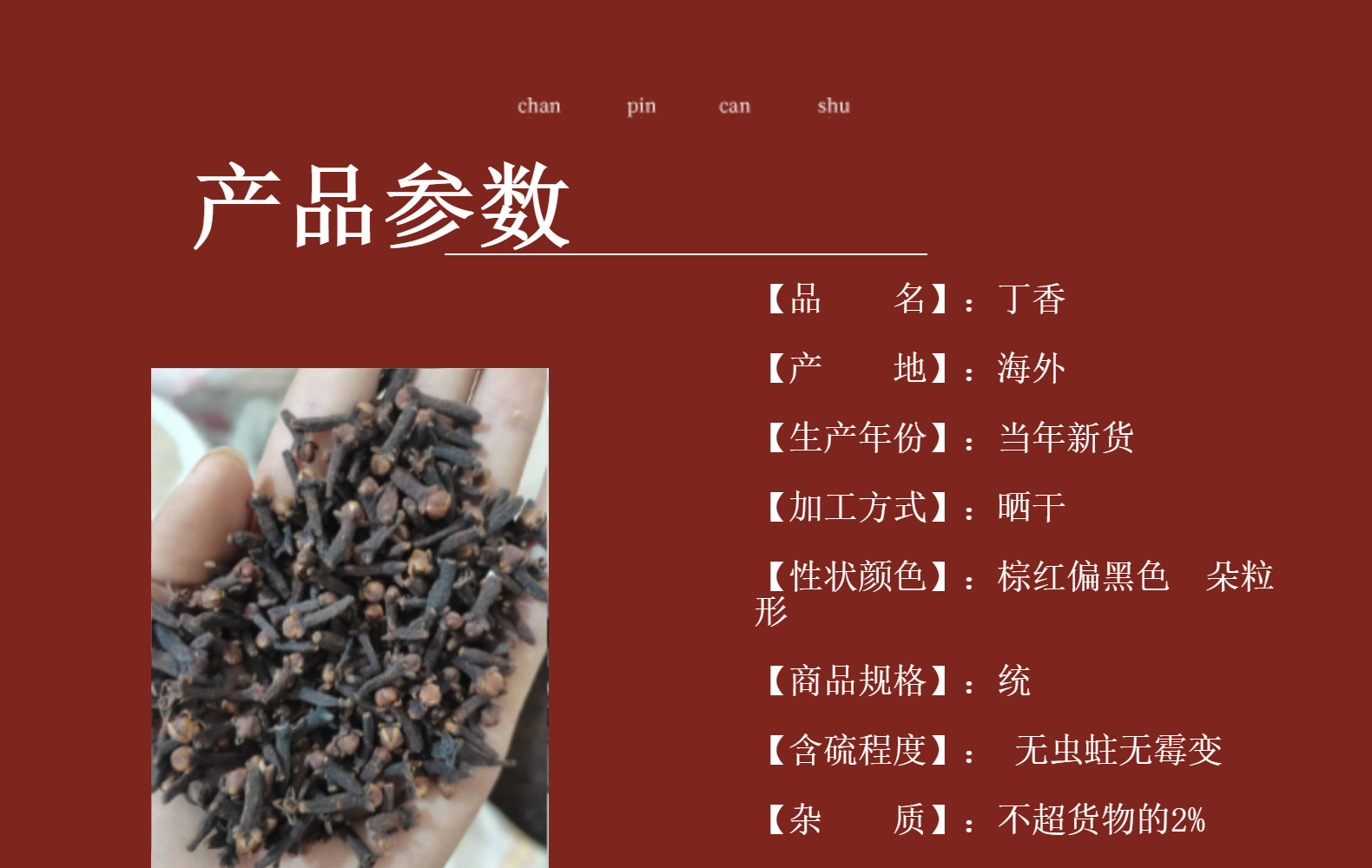
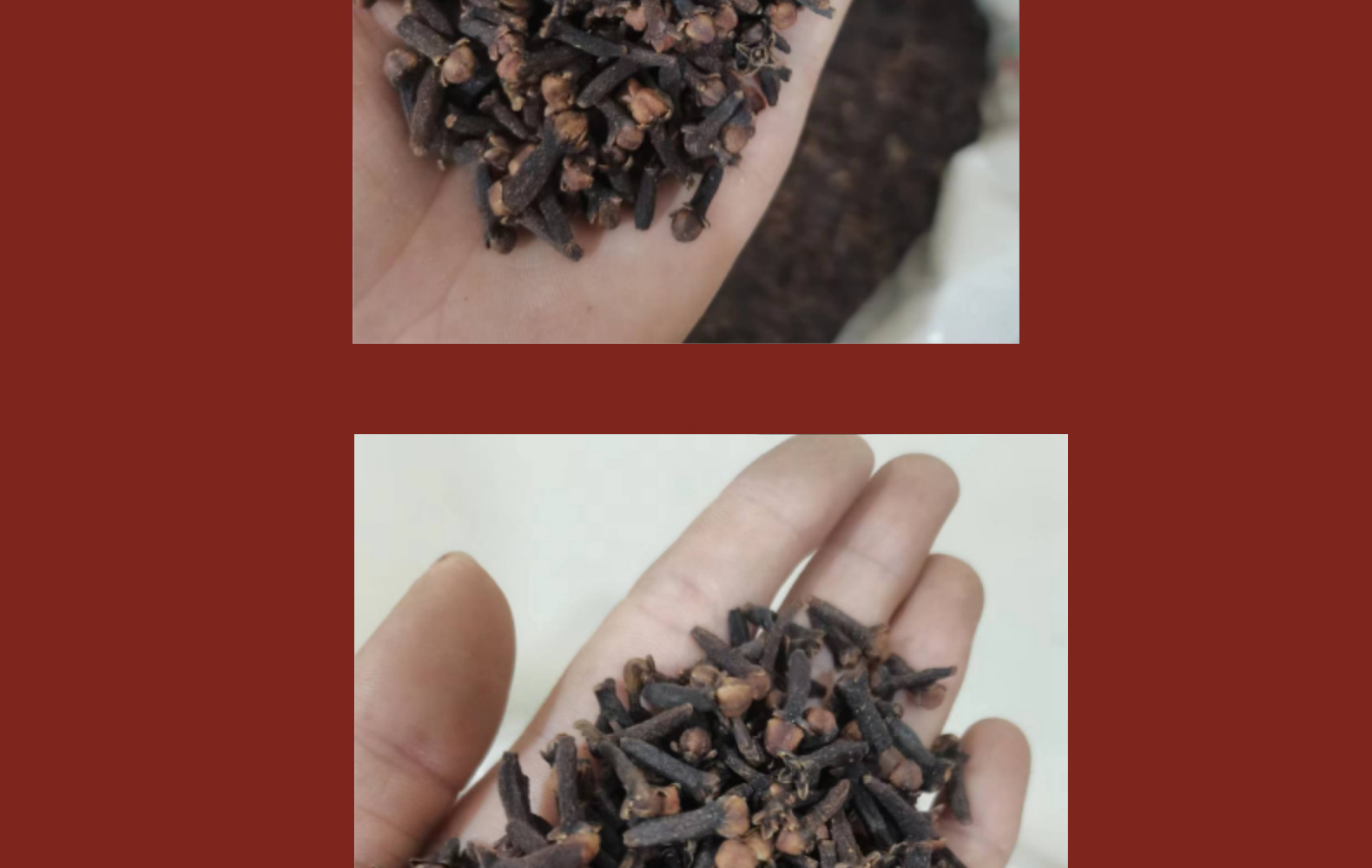
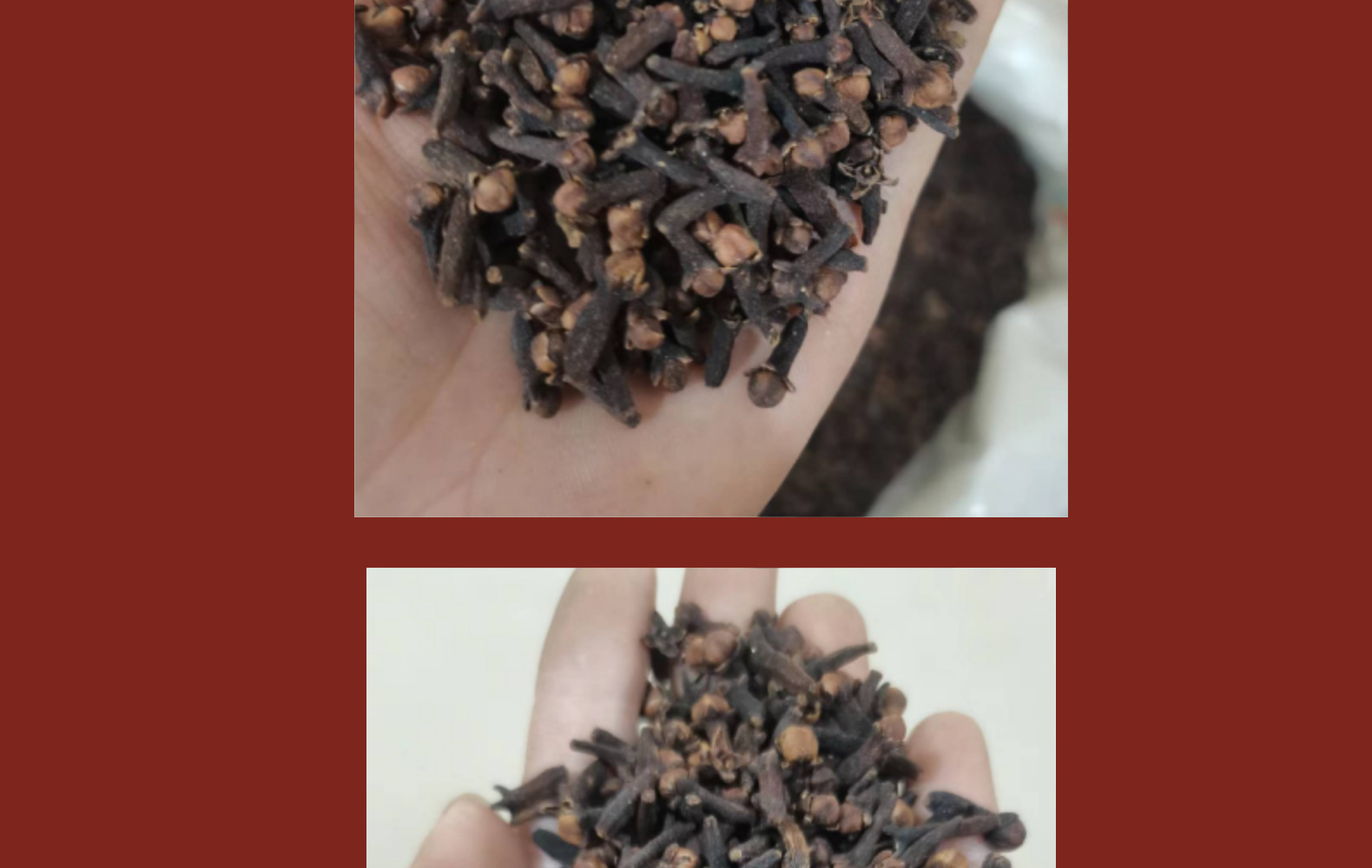
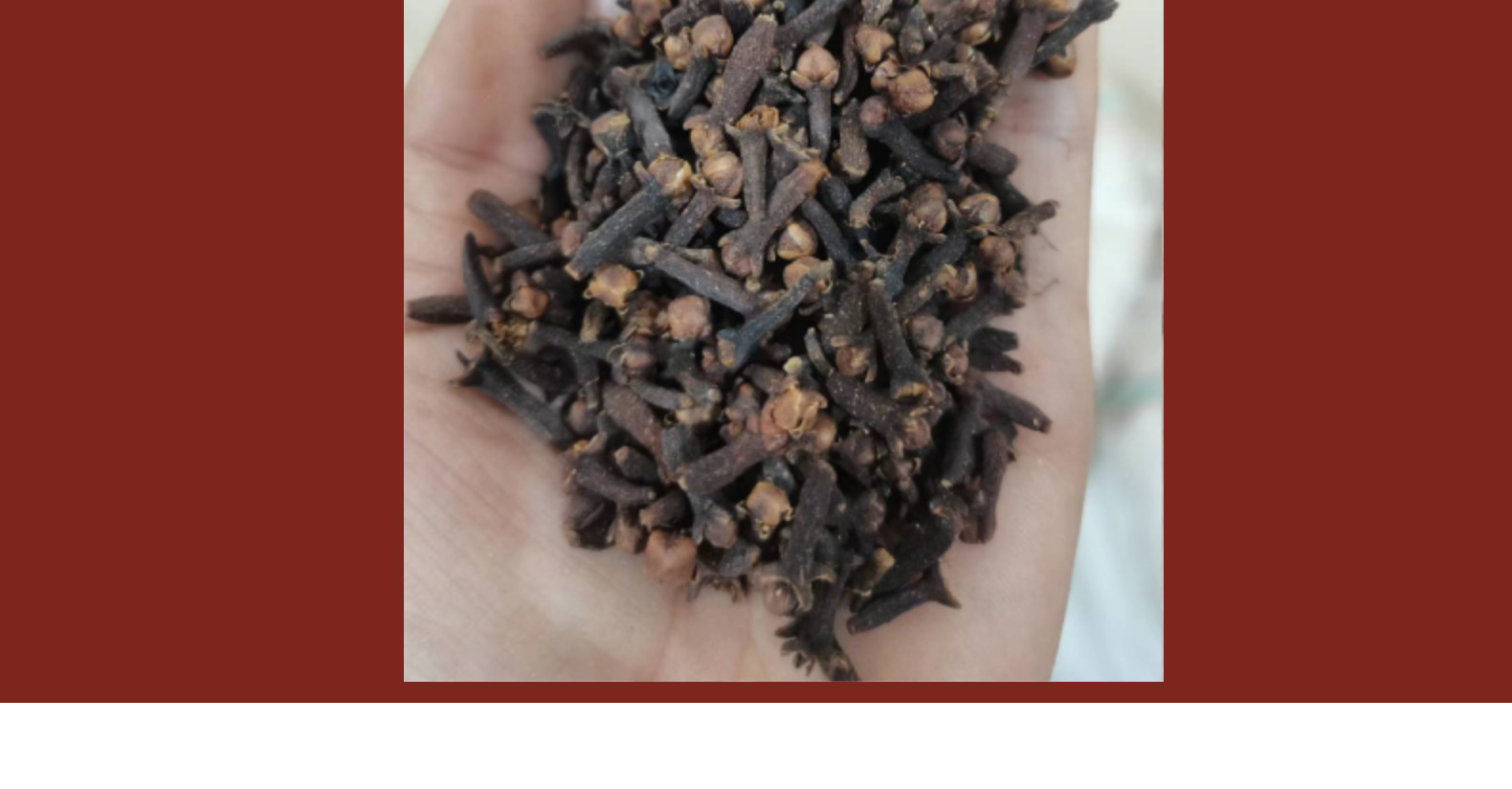
Typically dark reddish-brown buds with a compact nail-like shape and firm texture. The aroma is characteristically warm, spicy, and strongly fragrant, with a pungent, slightly astringent taste when infused or decocted.

Technical Specifications
| Product Type | Dried herb, food and medicine grade |
|---|---|
| Chinese Name | 丁香 |
| Pinyin | Ding Xiang |
| Botanical Name | Syzygium aromaticum |
| Plant Part | Dried flower buds |
| Processing | Dried |
Usage Scenarios
- Simmer in traditional herbal decoctions
- Add to braised dishes, stews, and spice blends
- Use in mulled drinks and seasonal culinary preparations
- Incorporate into TCM formulas as directed by a practitioner
Traditional Uses
In TCM theory, Ding Xiang is traditionally used to warm the middle and dispel cold, and is traditionally associated with supporting stomach comfort and kidney yang. It commonly appears in warming formulas and is traditionally paired with herbs such as persimmon calyx (Shi Di) for hiccup patterns. In the kitchen it is a familiar spice in braising mixes and five-spice blends.

FAQ Q&A
Q: What is this product?
A: This is whole dried clove flower buds, known in TCM as Ding Xiang (丁香), from Syzygium aromaticum, sourced from Guangxi, China.
Q: What are its traditional characteristics?
A: In TCM it is considered warm and pungent and is traditionally associated with the spleen, stomach, and kidney channels.
Q: How is it commonly used?
A: It is commonly simmered in decoctions or added whole to braised dishes and spice blends. Follow the guidance of a qualified practitioner for herbal use.
Additional information
| Weight | 0.6 kg |
|---|---|
| Dimensions | 20 × 15 × 8 cm |
Related products
-
Dried Raspberry Fruit Fu Pen Zi Whole Berries for Herbal Tea and Wine Infusion 500g
Price range: $15.63 through $18.06 -

Yi Zhi Ren Dried Alpinia Oxyphylla Fruit 500g Traditional Herbal Tea and Decoction Ingredient
Price range: $11.74 through $13.36 -
Dried Cinnamon Bark Rou Gui 500g Whole Peeling Culinary Spice and Traditional Herbal Ingredient
Price range: $5.58 through $8.33 -
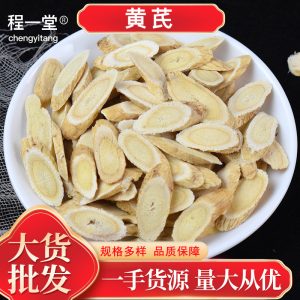
Astragalus Root Slices Huang Qi 斜片 Dried Herb for Decoction Soup and Tea 500g
Price range: $6.06 through $19.51
Reviews
There are no reviews yet.