
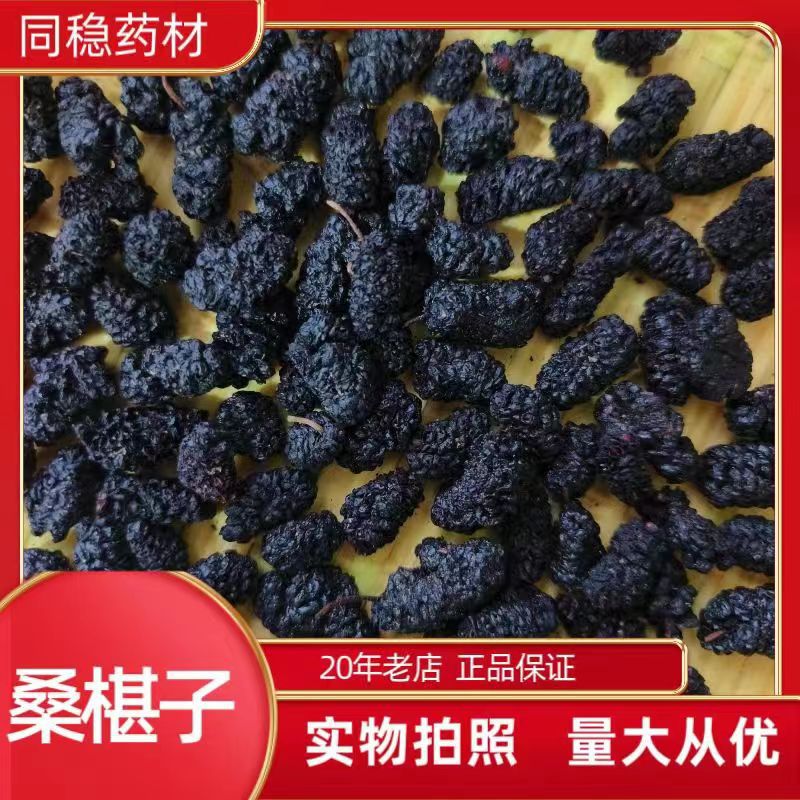
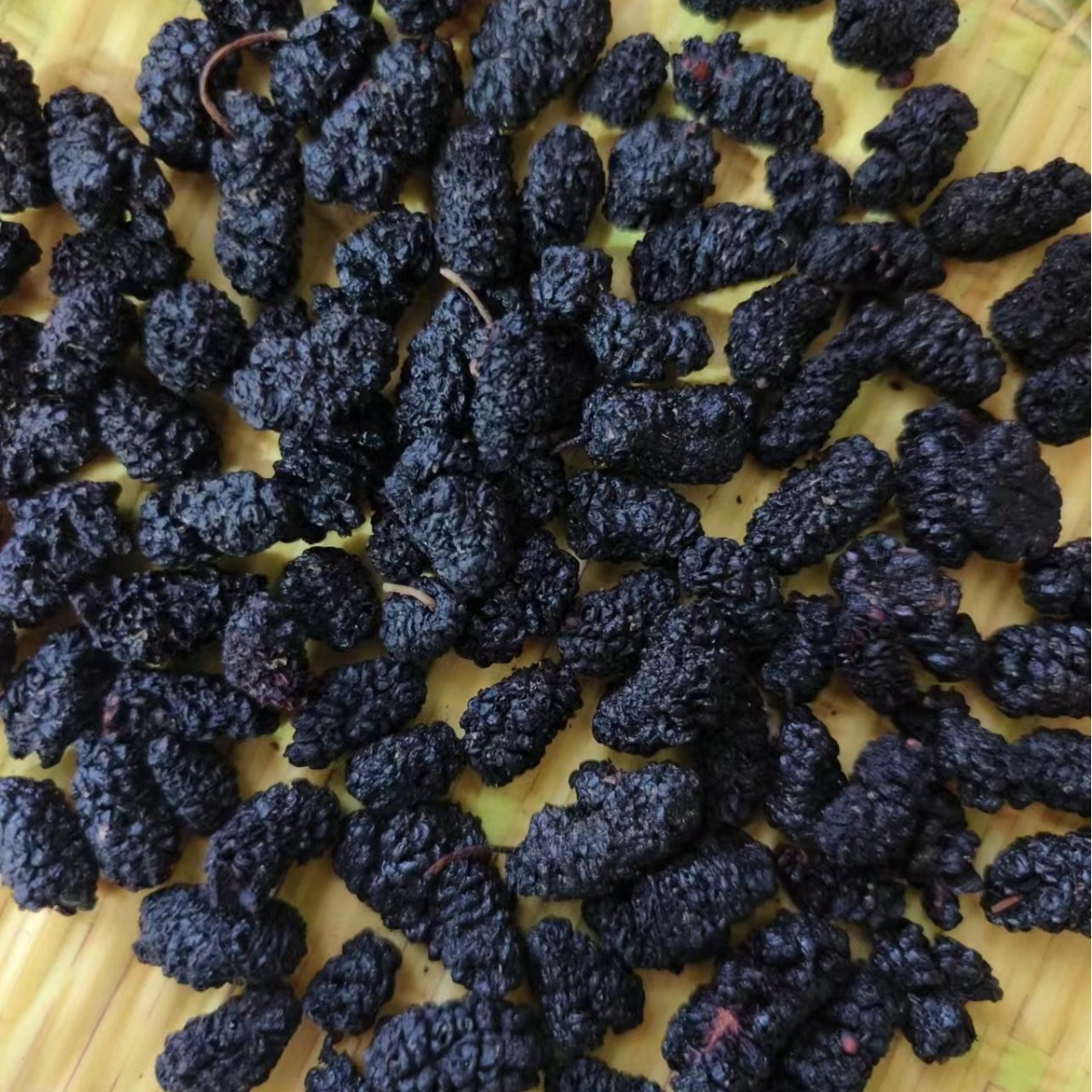
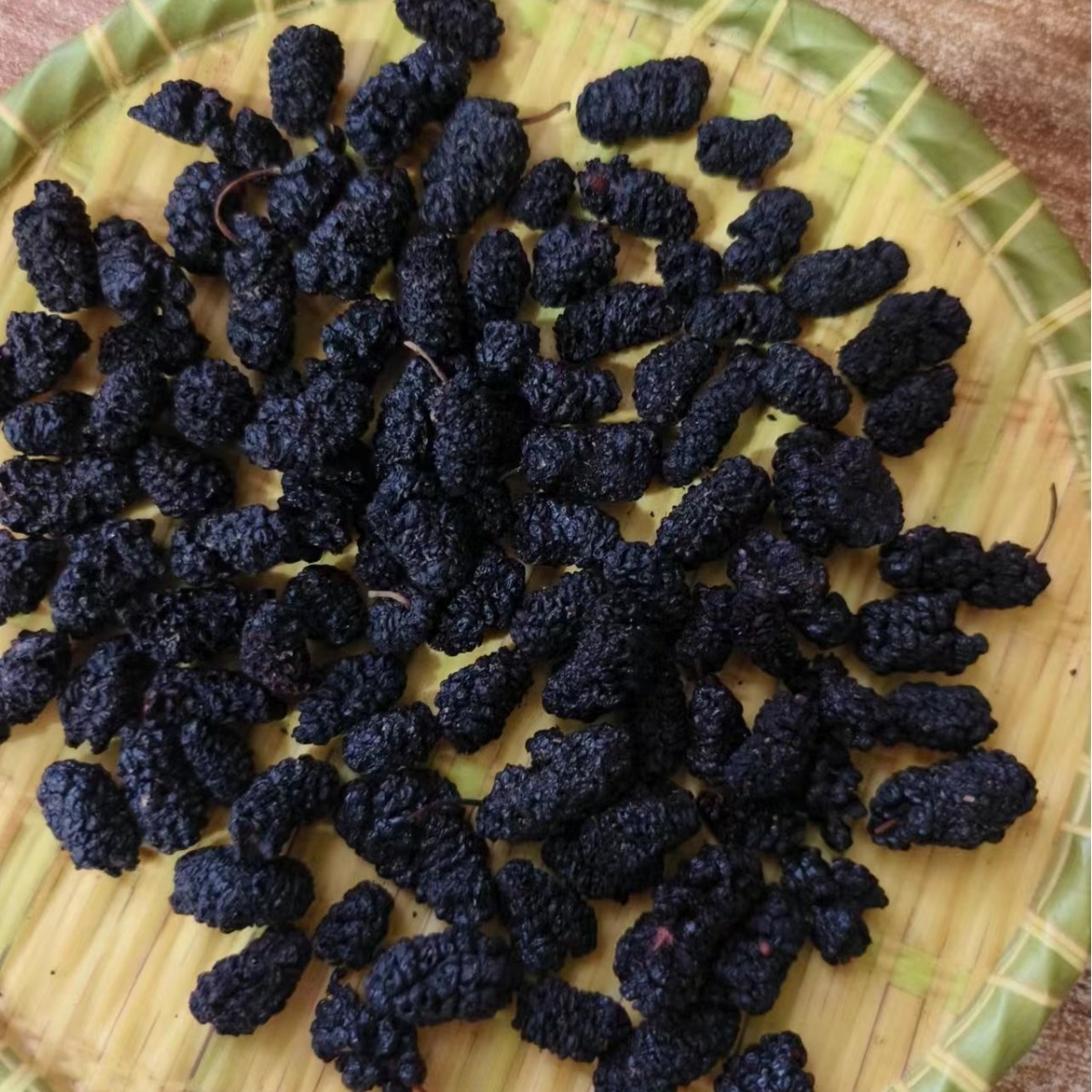
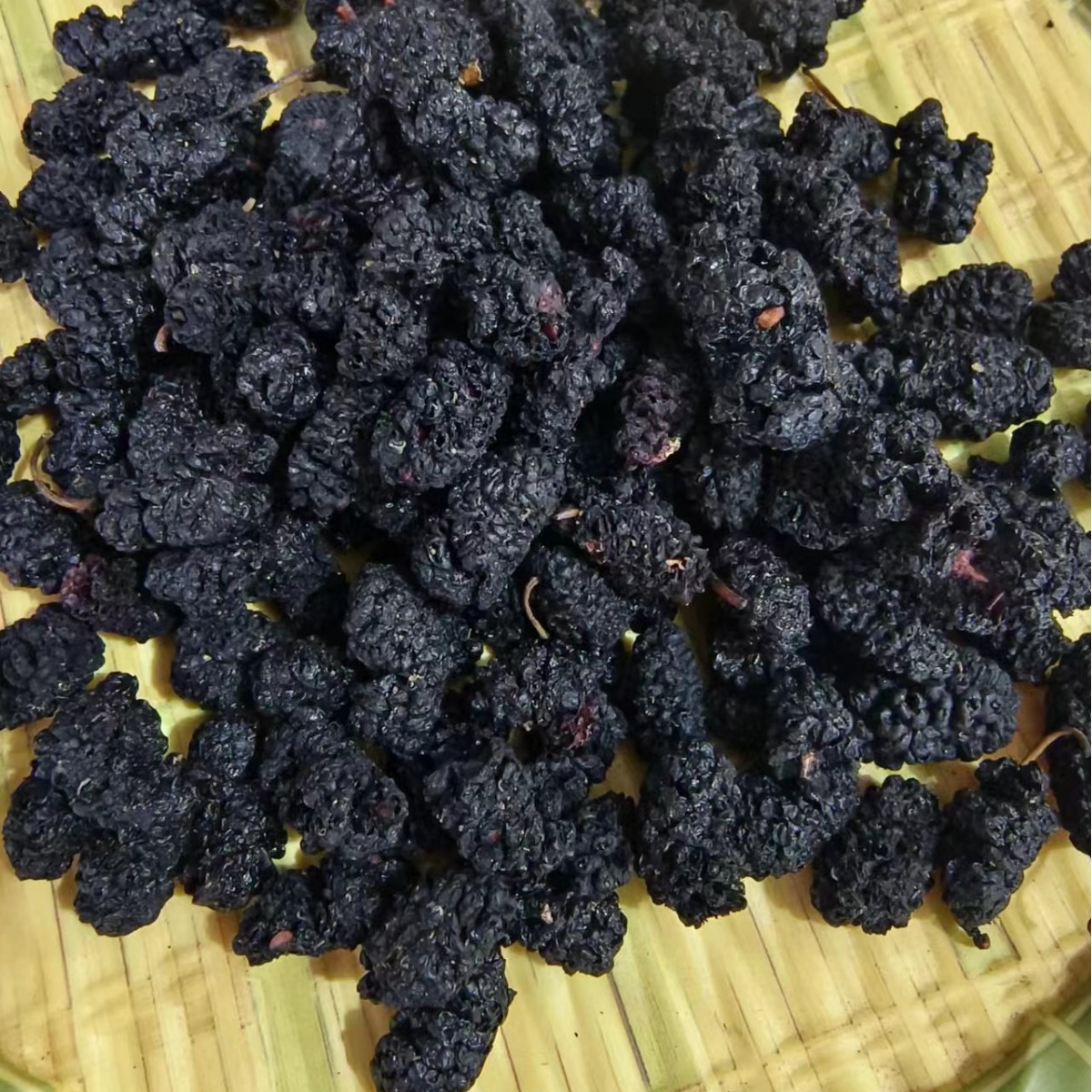
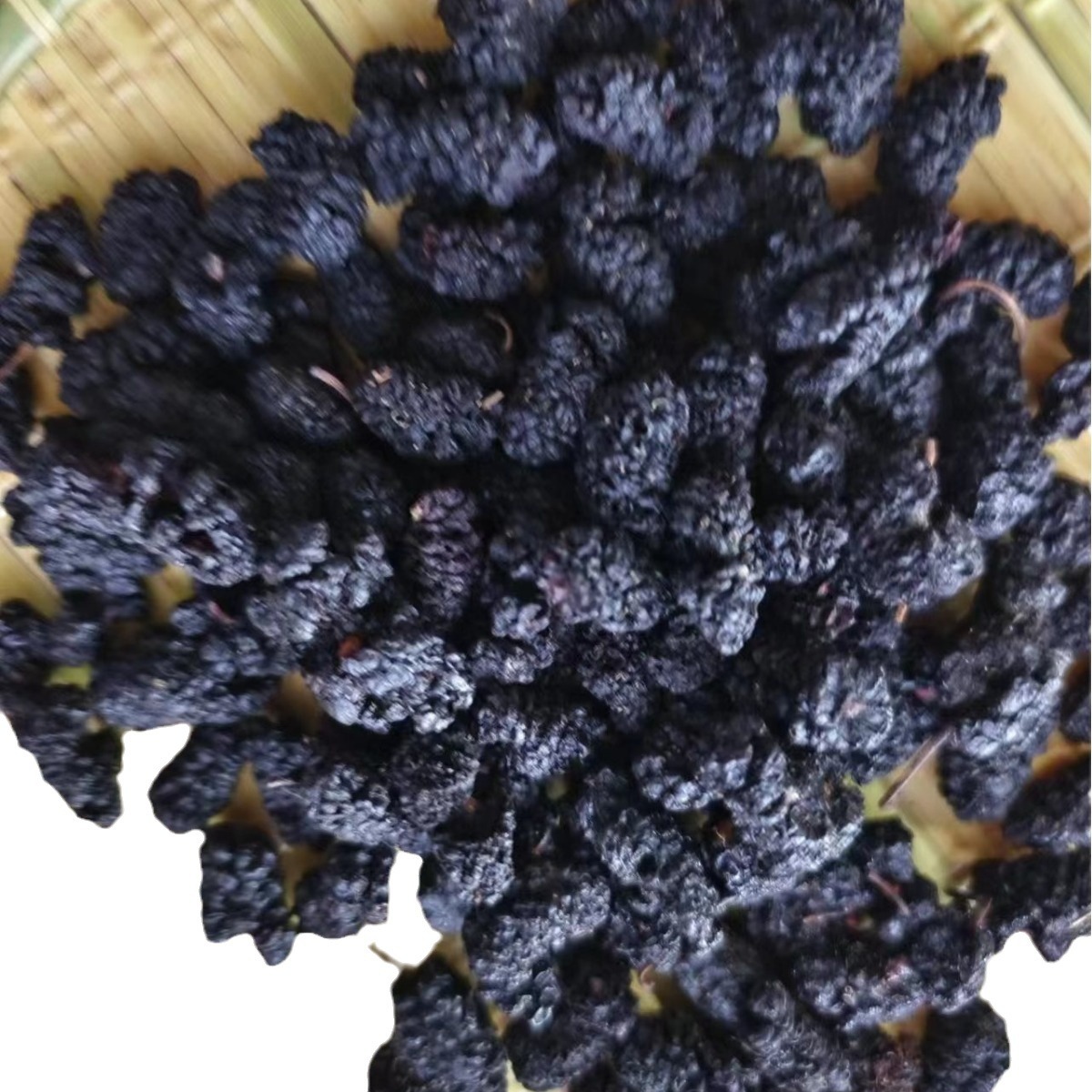
Dried Mulberry Fruit Sang Shen Zi Whole Berries Traditional Herbal Tea Ingredient New Harvest
$5.09
100501 in stock
Description
Dried Mulberry Fruit, known in TCM as Sang Shen Zi (桑葚子), from Morus alba, is the dried ripe fruit of the mulberry tree. In TCM theory it is sweet in flavor and slightly cold in nature, traditionally associated with the heart, liver, and kidney channels. This food-grade botanical is cleaned and dried for herbal teas, decoctions, and culinary use. Consult a healthcare professional before use.
Key Selling Points
- Dried ripe mulberry fruit sold as an edible agricultural product
- Botanical source Morus alba with Chinese name Sang Shen Zi 桑葚子
- Current-year new harvest stock, cleaned free of impurities and sand
- Dried whole berries suitable for herbal tea, soup, and congee
- Traditionally used in TCM for daily wellness and seasonal tonics

Quality & Sensory
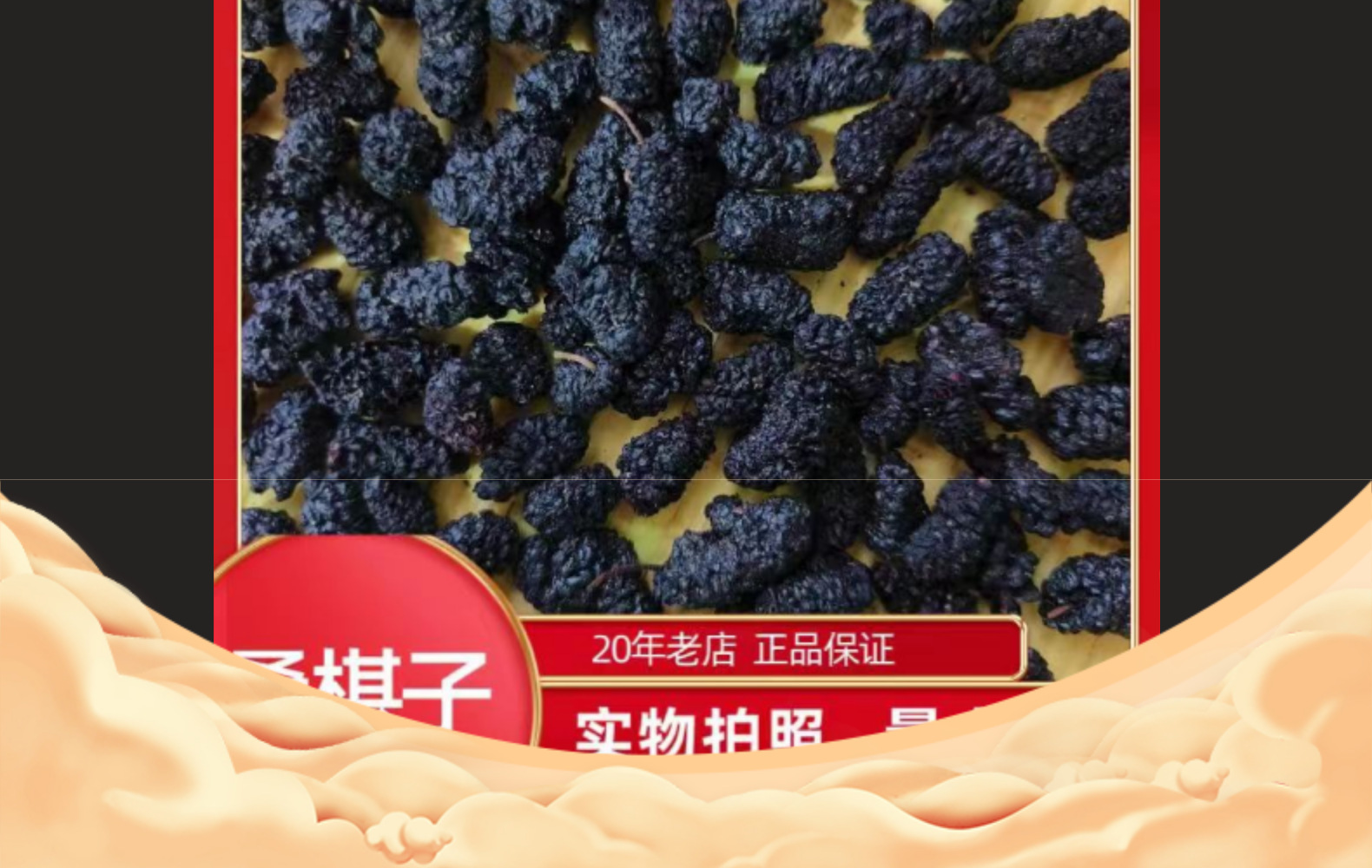
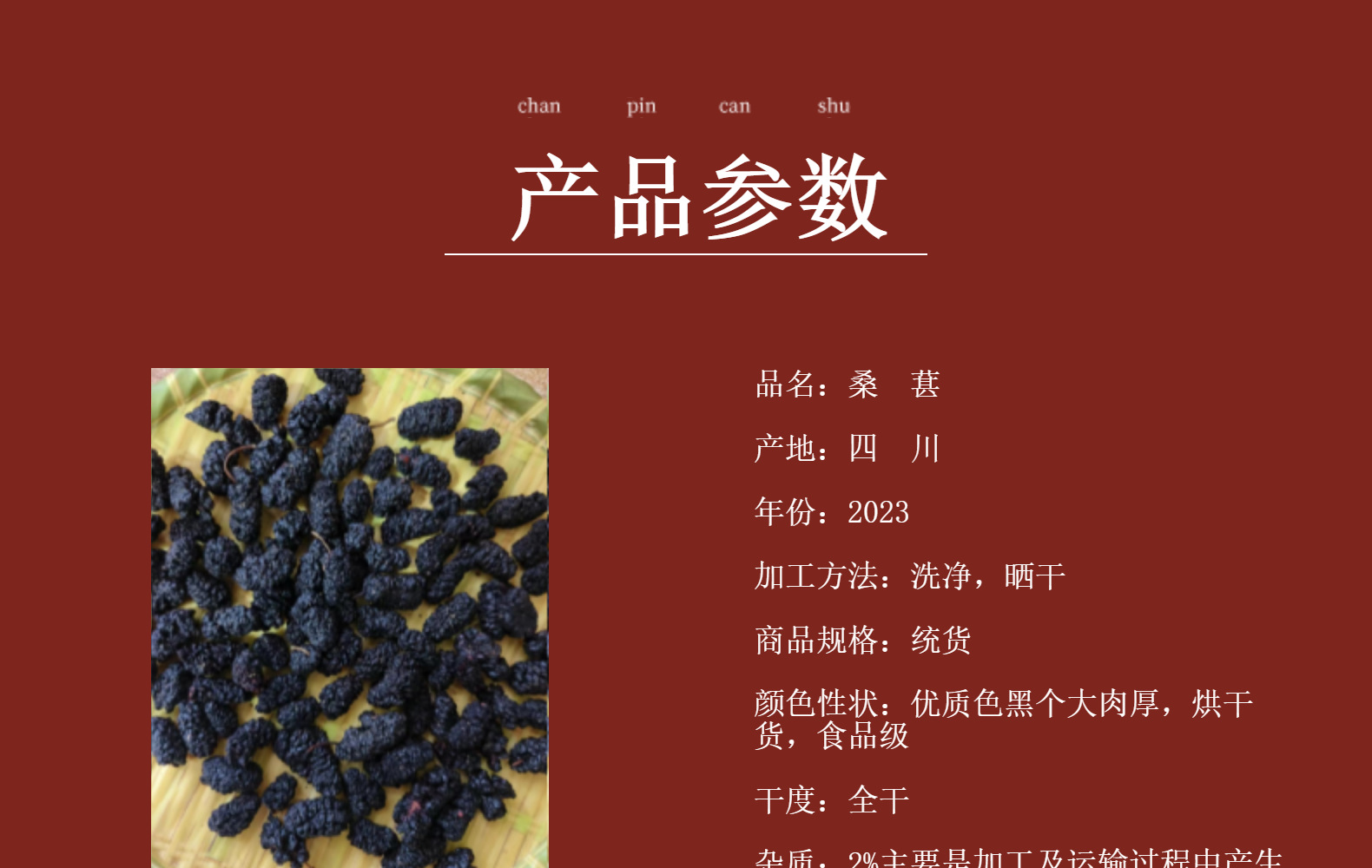
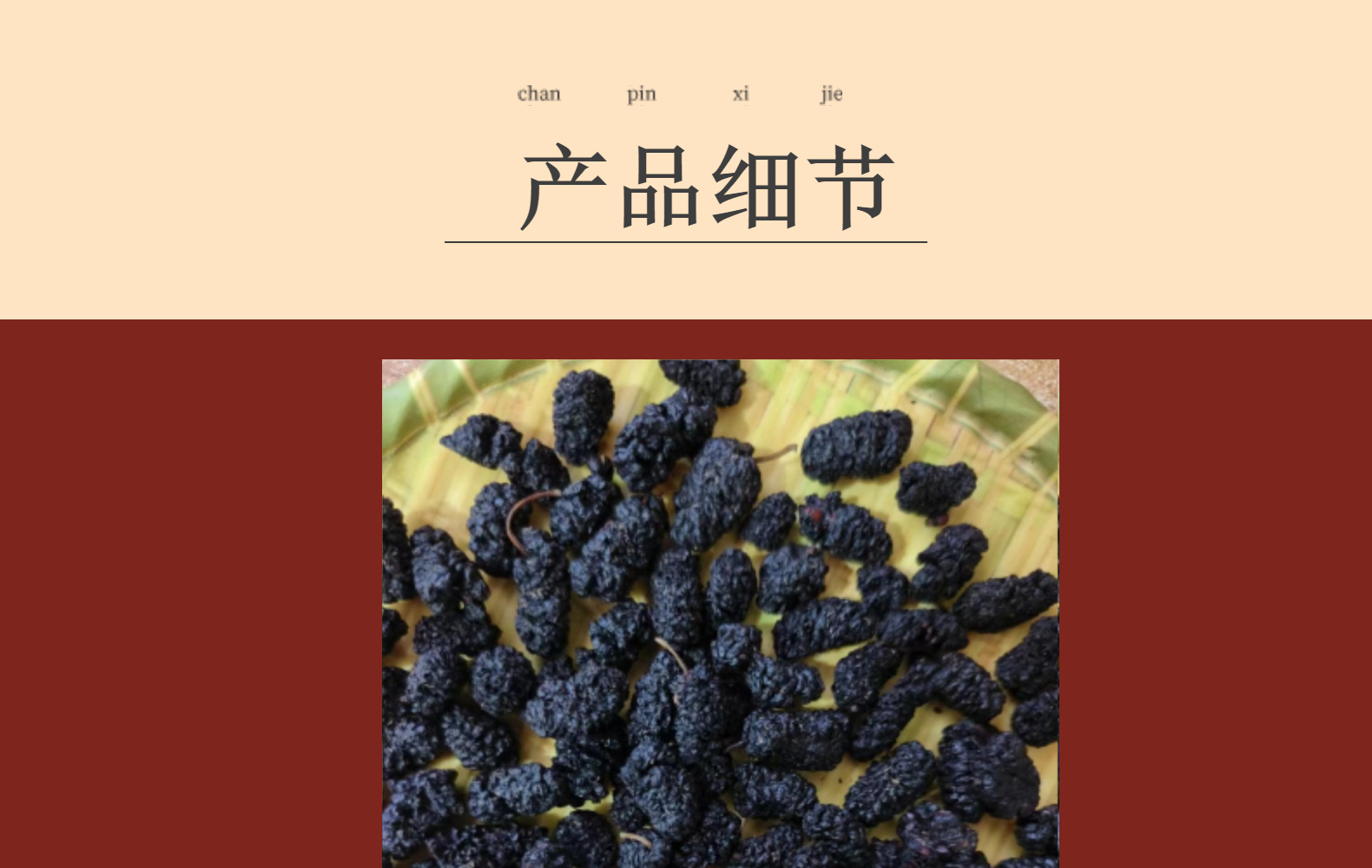
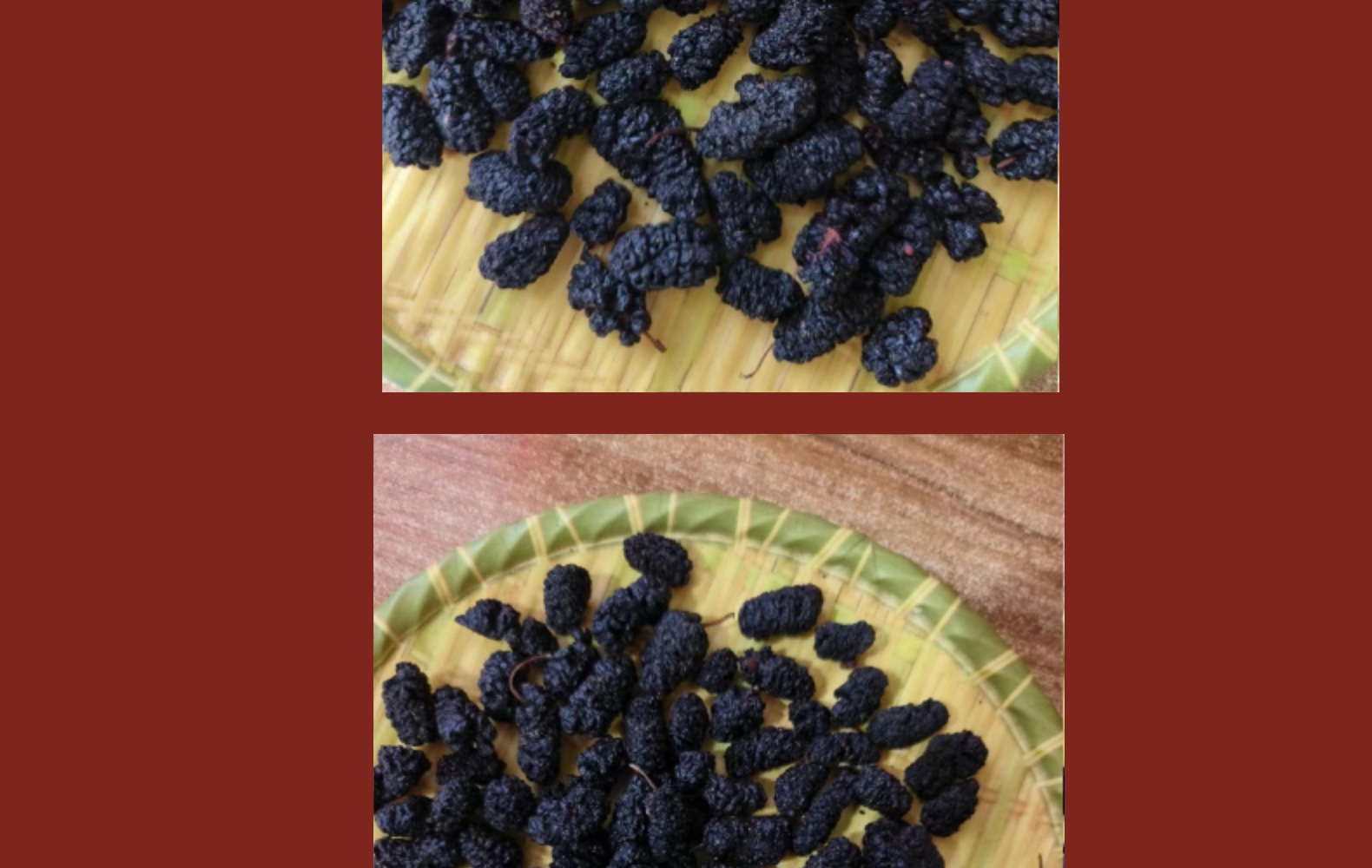
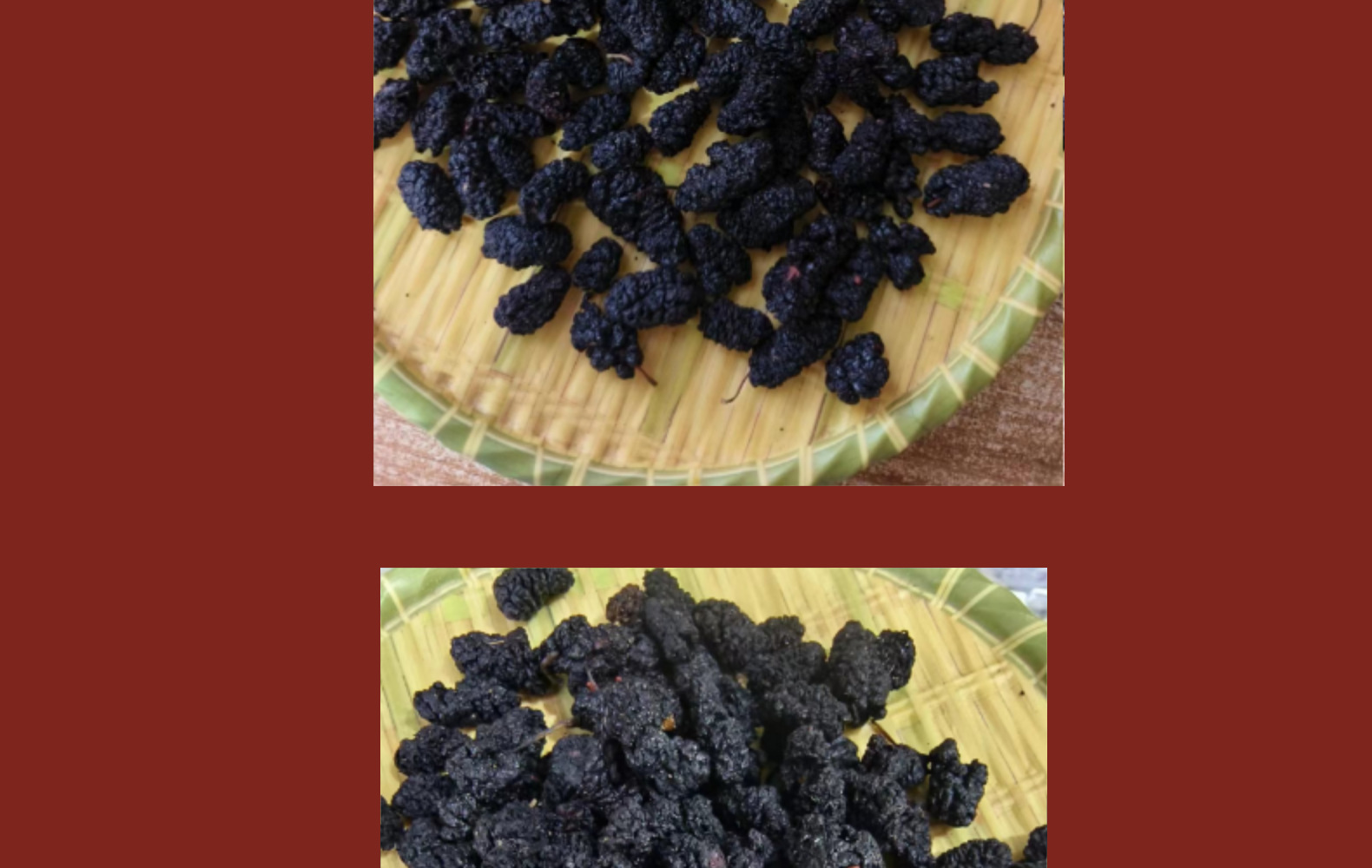
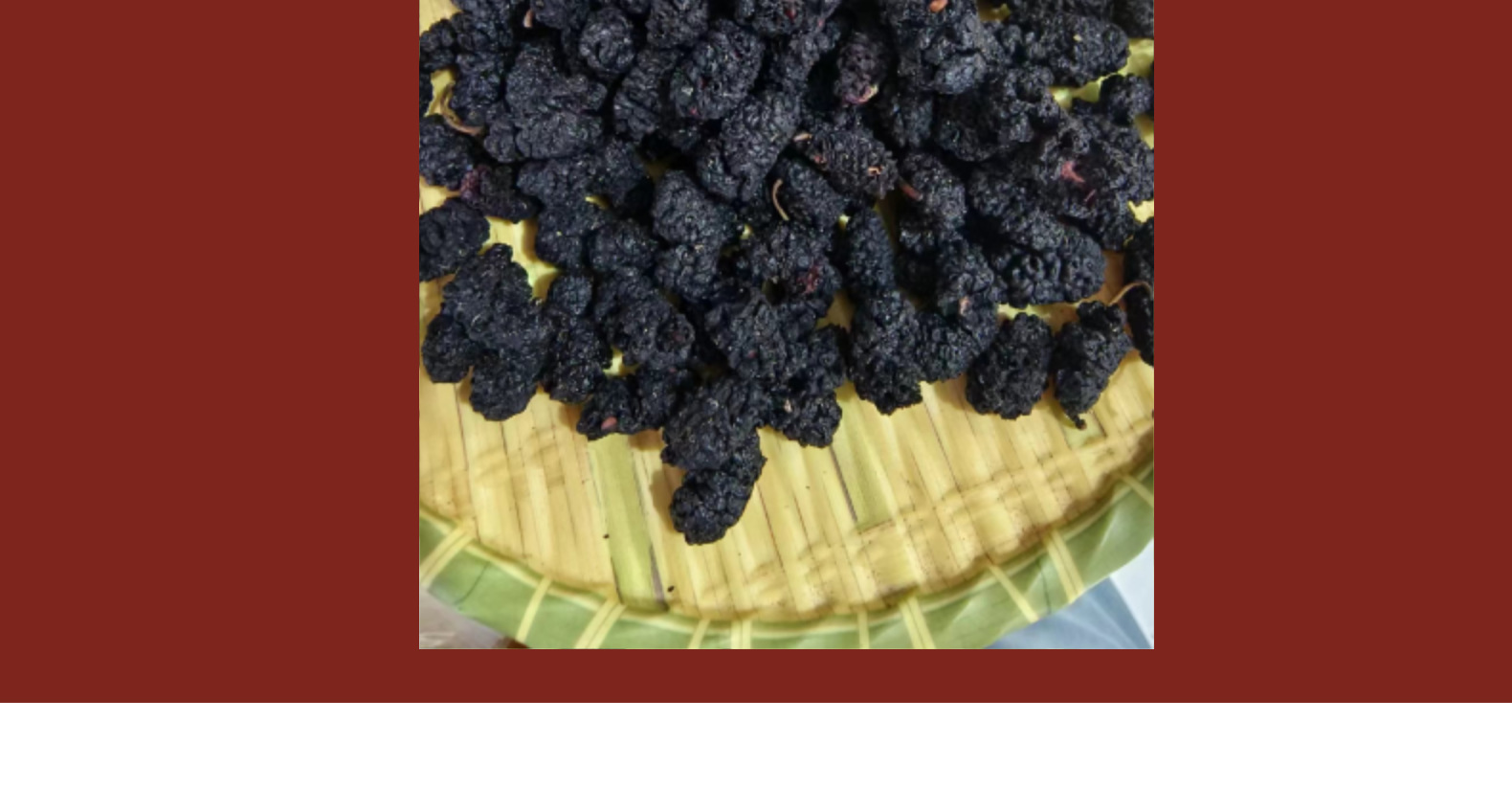
Typically deep purple-black whole berries with a wrinkled surface and slightly sticky, chewy texture. The aroma is mildly sweet and fruity, and brewed or simmered fruit typically yields a dark reddish-purple infusion with a pleasant sweet-tart taste.

Technical Specifications
| Product Type | Dried mulberry fruit |
|---|---|
| Chinese Name | 桑葚子 |
| Pinyin | Sang Shen Zi |
| Botanical Name | Morus alba |
| Plant Part | Ripe fruit |
| Processing | Dried |
Usage Scenarios
- Steep in hot water as a fruit herbal tea
- Simmer in soups and herbal decoctions
- Add to congee or porridge for natural sweetness
- Use in culinary recipes, desserts, and infused drinks
Traditional Uses
In traditional Chinese practice, Sang Shen Zi is a common food-herb used in daily teas, soups, and congee, often paired with goji berries, red dates, or chrysanthemum. It is traditionally associated with nourishing yin and blood and is frequently enjoyed in autumn and winter tonics as part of seasonal food therapy.
FAQ Q&A
Q: What is this product?
A: It is dried mulberry fruit, known in TCM as Sang Shen Zi, sold as an edible agricultural product for tea, soup, and culinary use.
Q: What is its traditional value?
A: In TCM theory it is sweet and slightly cold, traditionally associated with the heart, liver, and kidney channels and used in food therapy tonics.
Q: How is it commonly prepared?
A: It is commonly steeped as tea, simmered in soups or decoctions, or cooked into congee and desserts.
Additional information
| Weight | 0.5 kg |
|---|---|
| Dimensions | 20 × 15 × 8 cm |
Related products
-
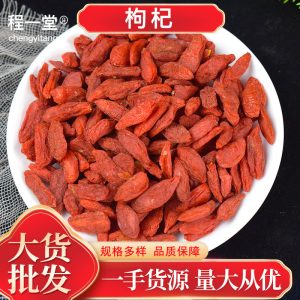
Ningxia Goji Berries Gou Qi Zi 500g Dried Red Wolfberry for Tea Soup and Snacking
Price range: $7.20 through $16.44 -
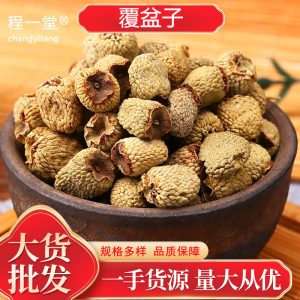
Dried Raspberry Fruit Fu Pen Zi 500g Whole Berries for Herbal Tea and Wine Infusion
Price range: $14.00 through $16.44 -
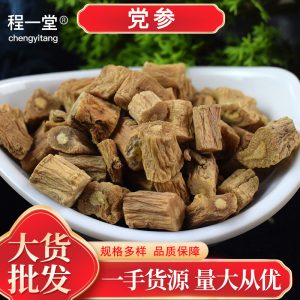
Dried Codonopsis Root Slices Dang Shen 500g Bulk Supply for Soups and Herbal Decoctions
Price range: $10.28 through $18.06 -
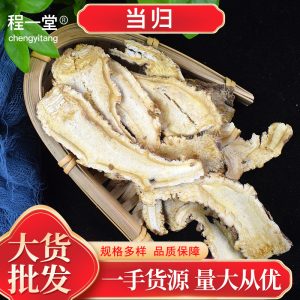
Dried Angelica Sinensis Slices Dang Gui 当归 500g Gansu Raw Herb for Decoction Soup and Tea
Price range: $16.44 through $35.88
Reviews
There are no reviews yet.