
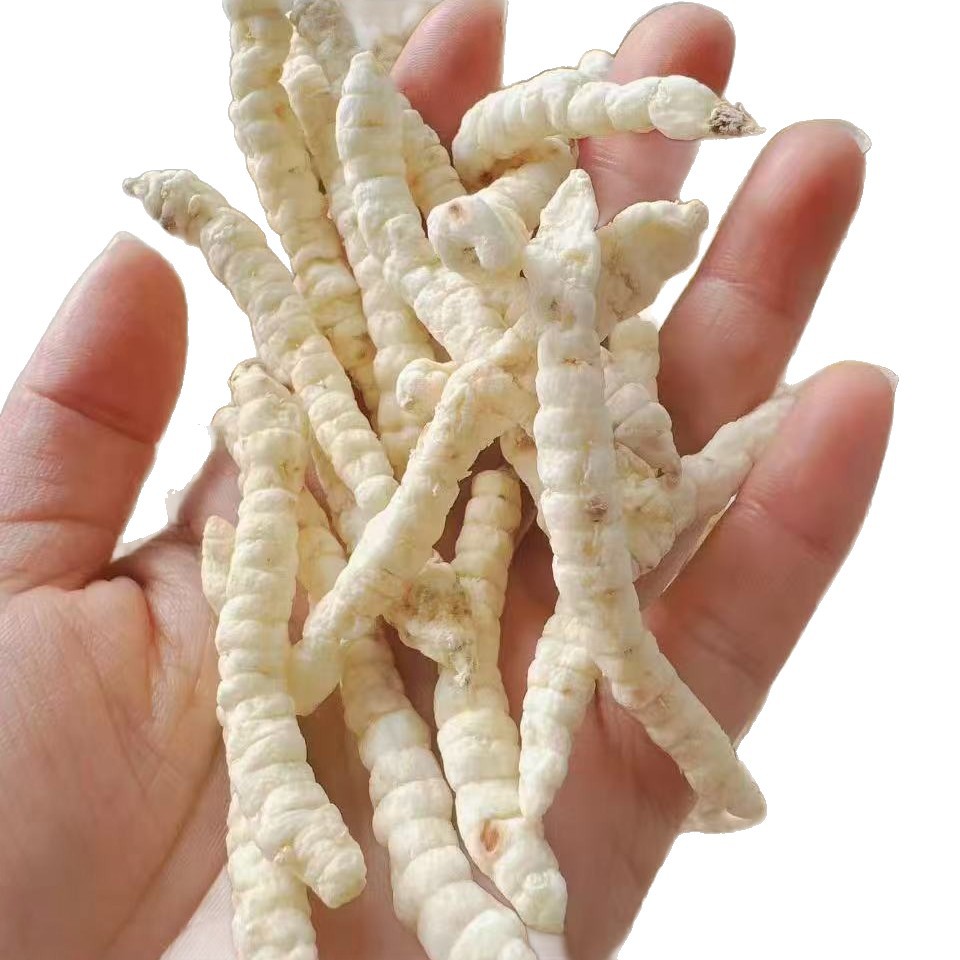
Yunnan Di Can White Cordyceps Dried Herb 100g Traditional TCM Nourishing Botanical
Price range: $6.06 through $15.63
Description
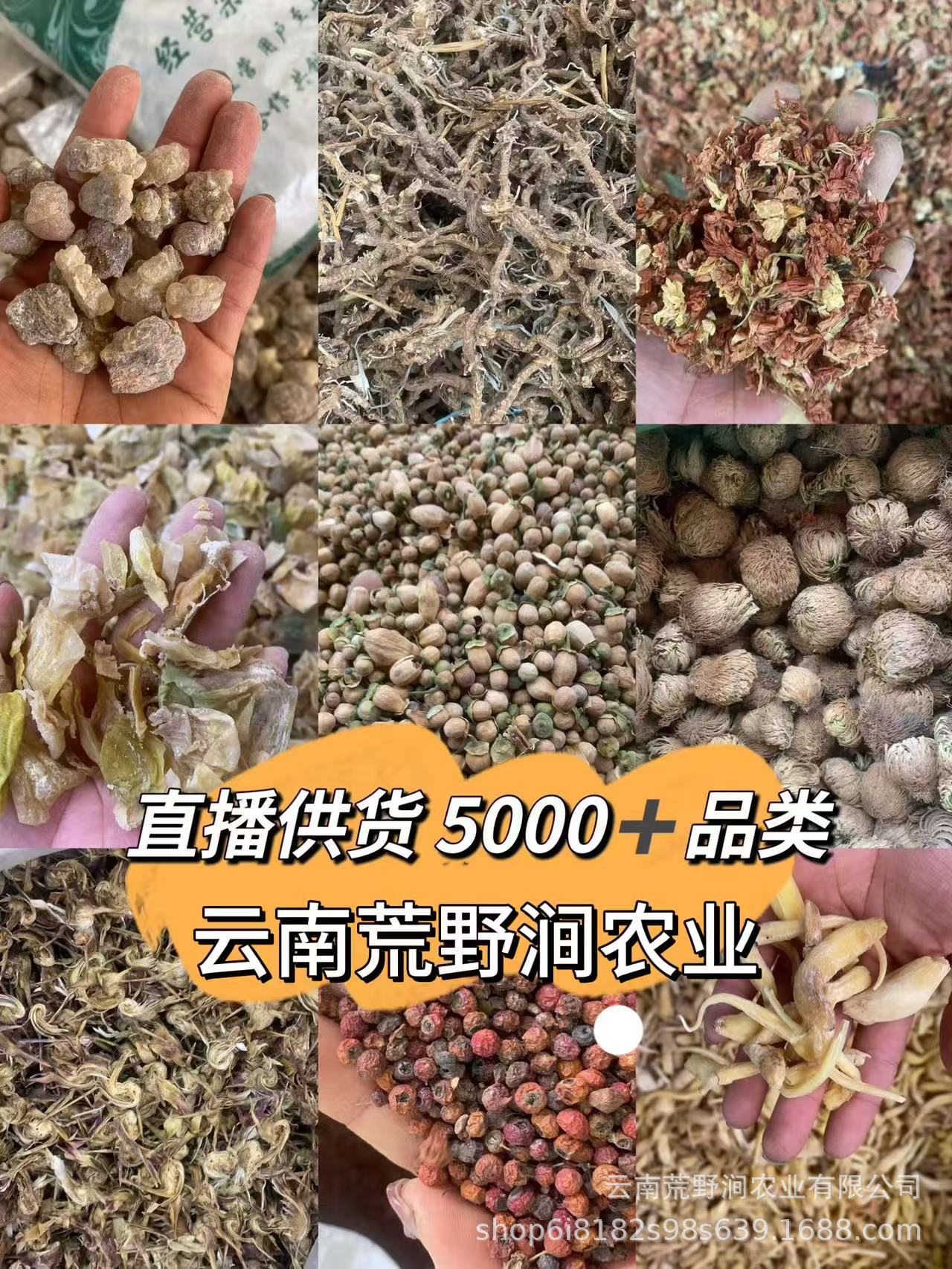
Yunnan Di Can, known in TCM as Bai Chong Cao (白虫草) or Di Can (地蚕), is the dried tuber of Stachys geobombycis, a member of the Lamiaceae family. Traditionally valued as a nourishing tonic herb, it is associated in TCM theory with supporting the lungs and kidneys. This dried botanical is suitable for decoctions, soups, or herbal teas. Store at room temperature in a dry place.
Key Selling Points
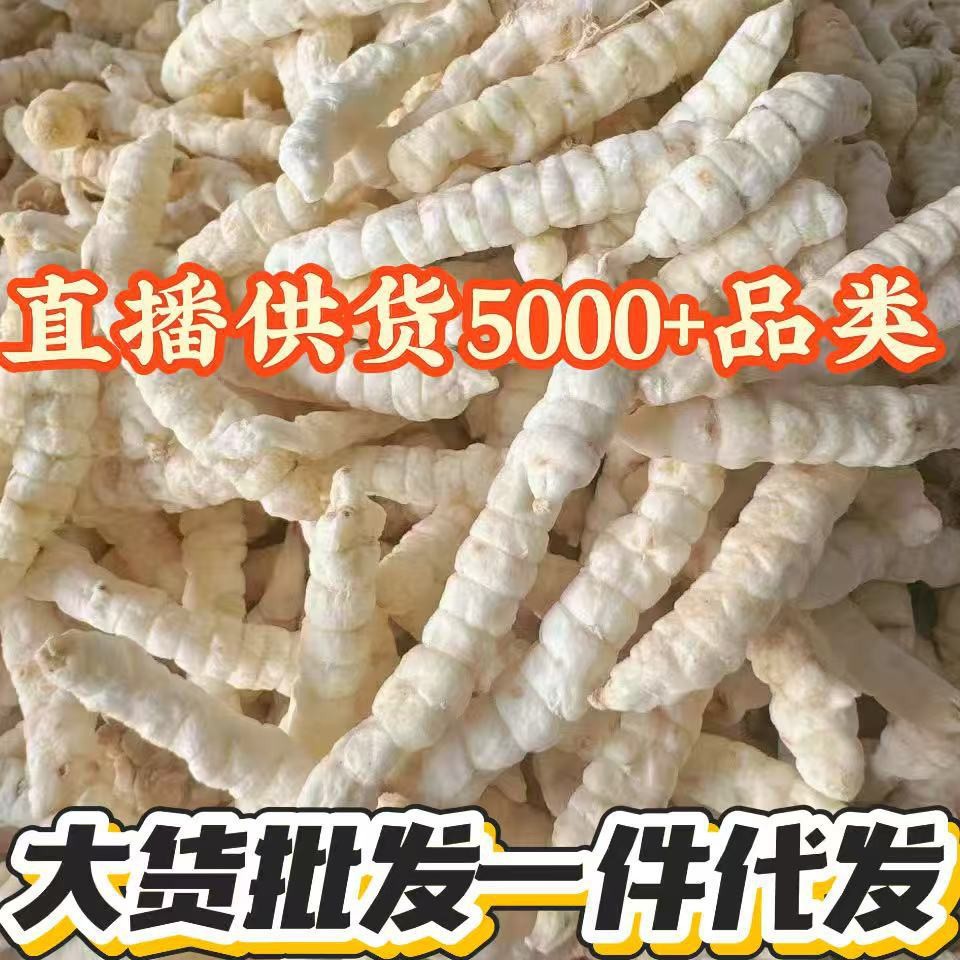
- Authentic Yunnan-sourced Di Can (地蚕) dried herb, also called White Cordyceps or Bai Chong Cao (白虫草)
- Botanical source is Stachys geobombycis, a traditional Lamiaceae tuber used in Chinese herbal practice
- Traditionally regarded in TCM as a gentle nourishing tonic associated with lung and kidney support
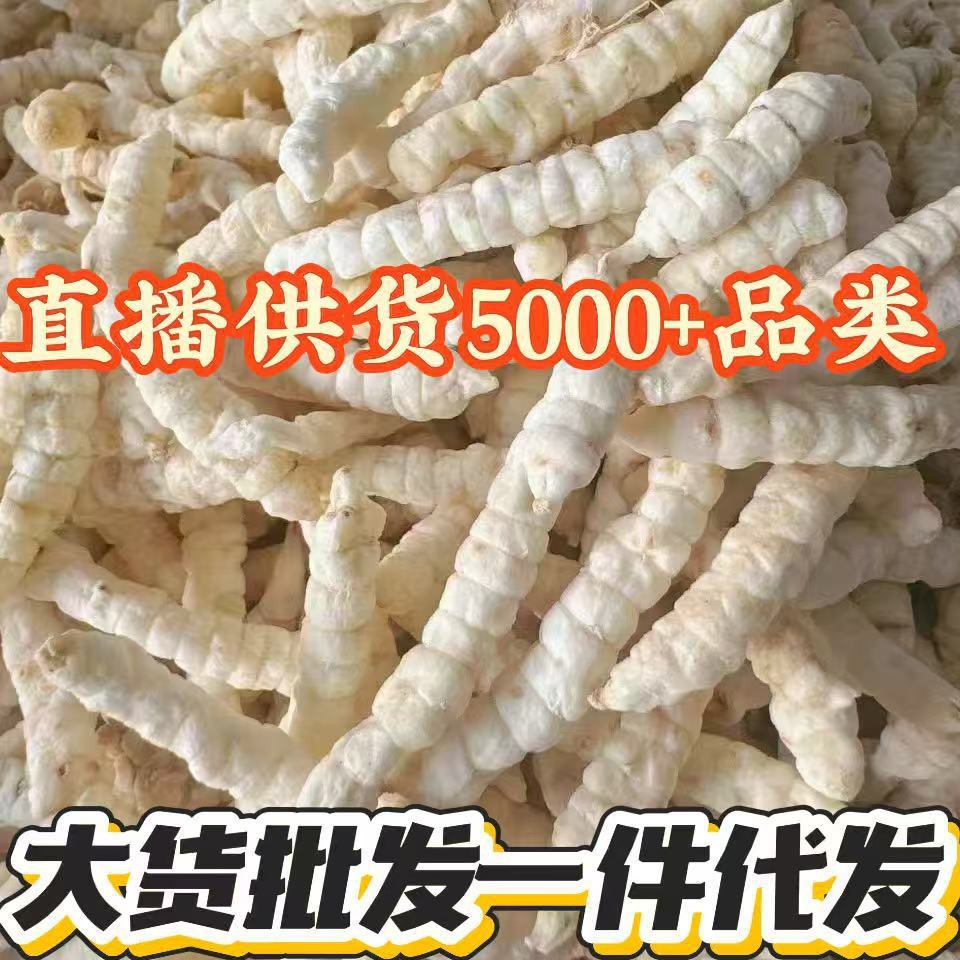
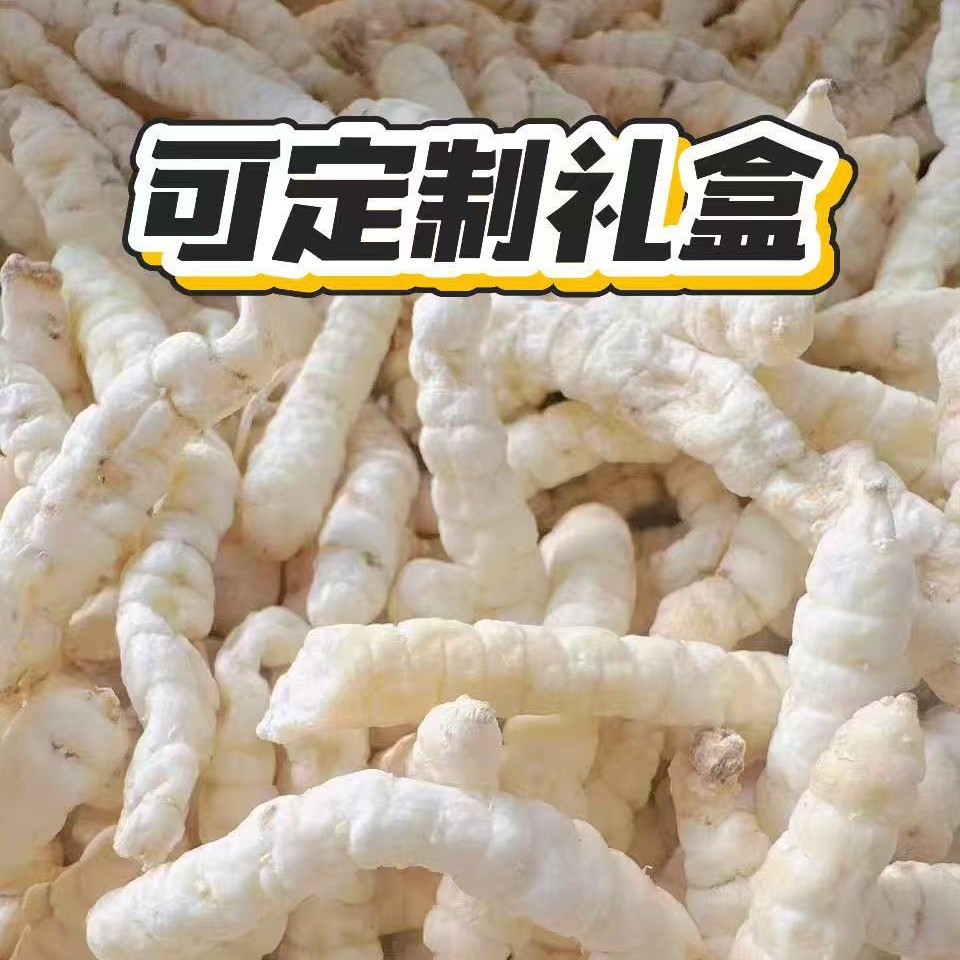
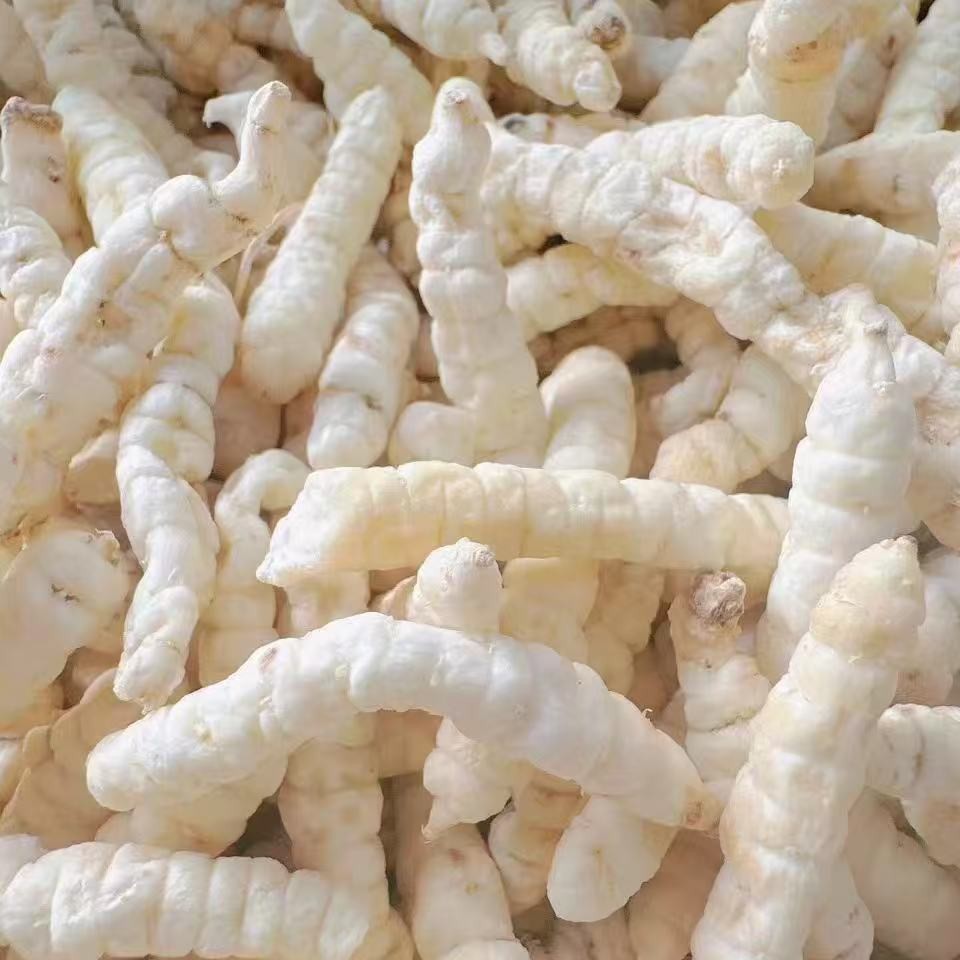
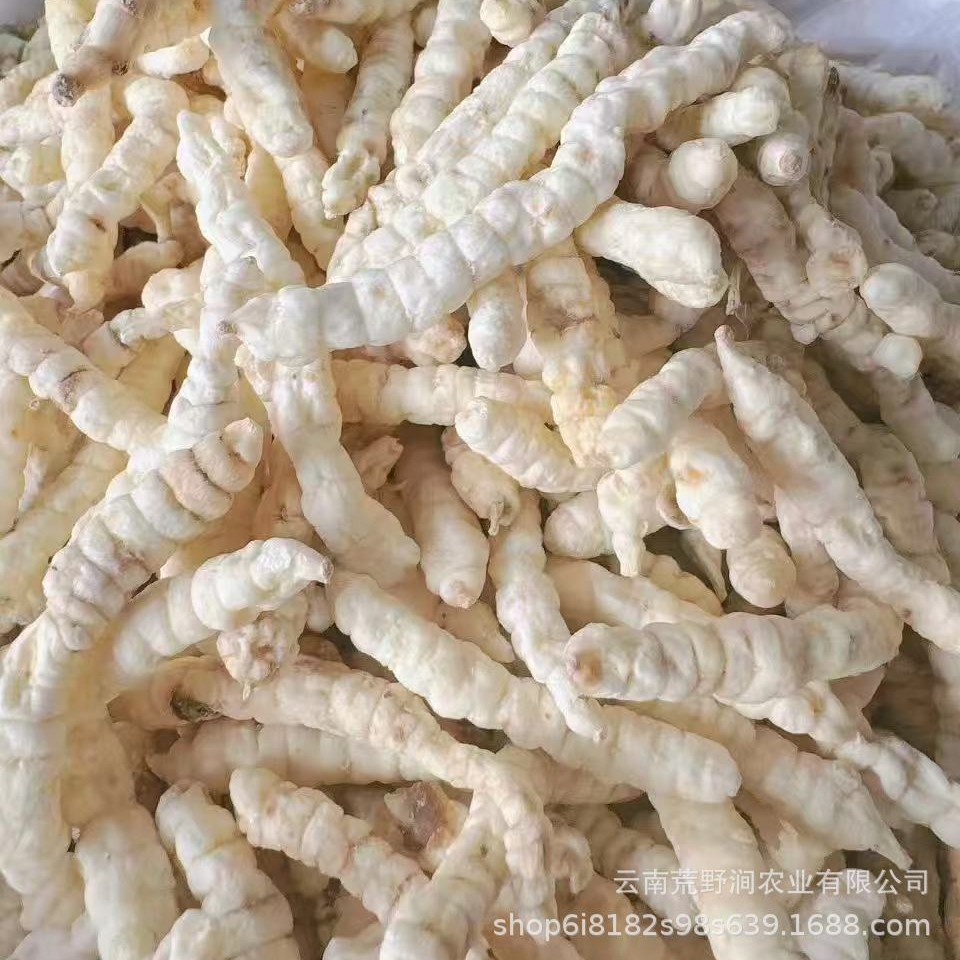
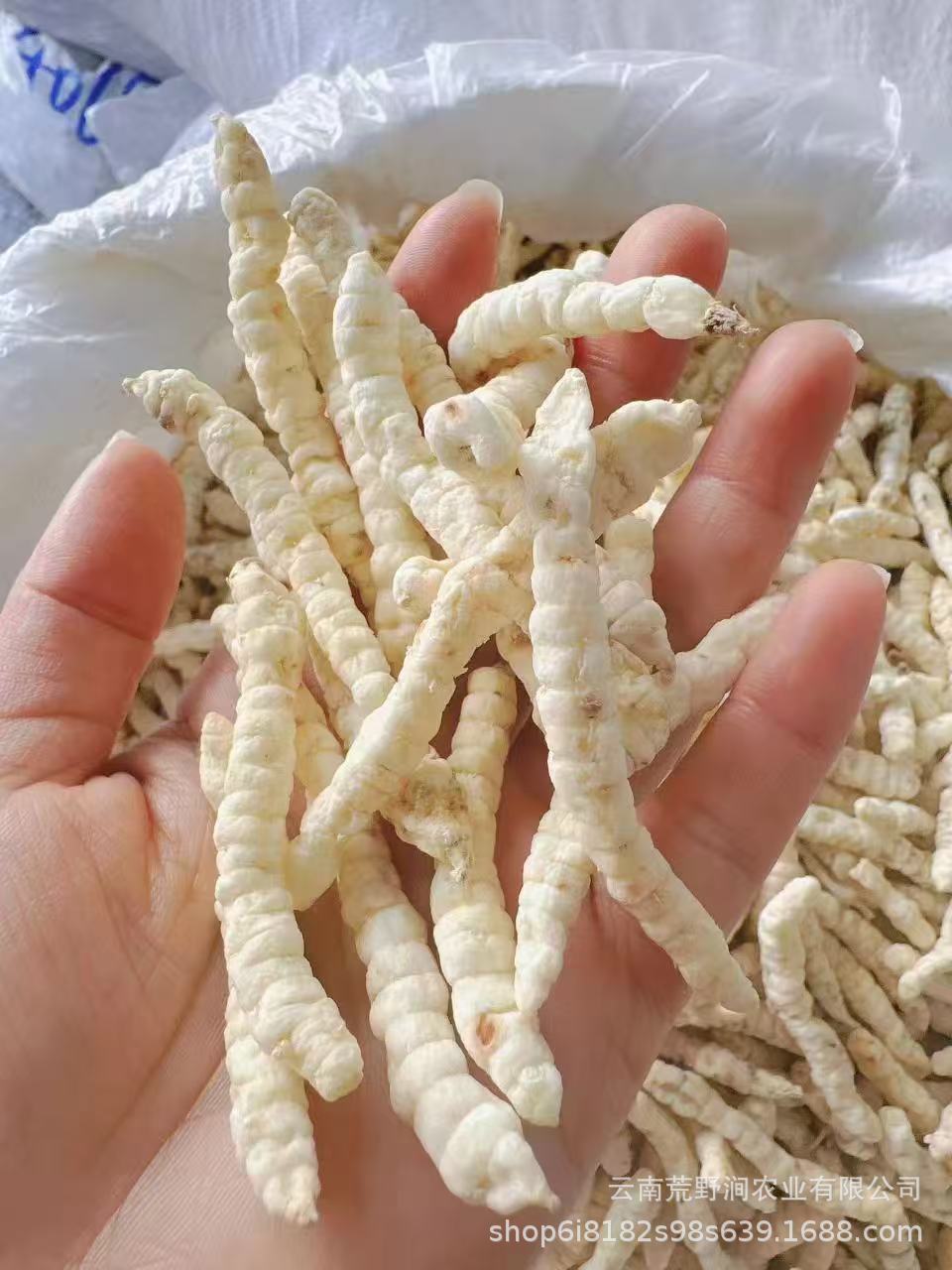
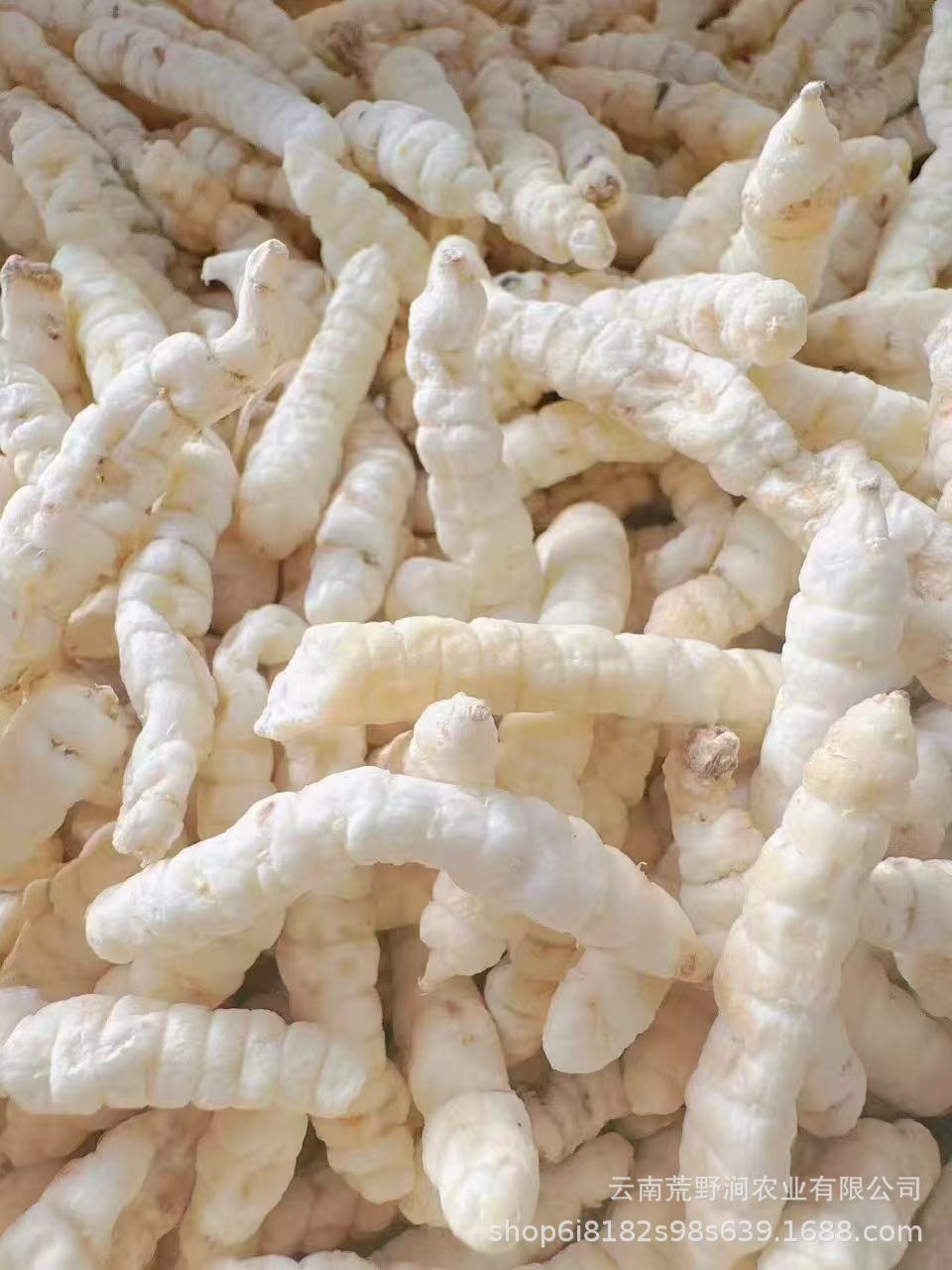
- Carefully dried whole tubers with a natural white to pale beige appearance, ready for decoction or soup
- Versatile raw botanical suitable for herbal teas, congee, and traditional tonic recipes
Quality & Sensory
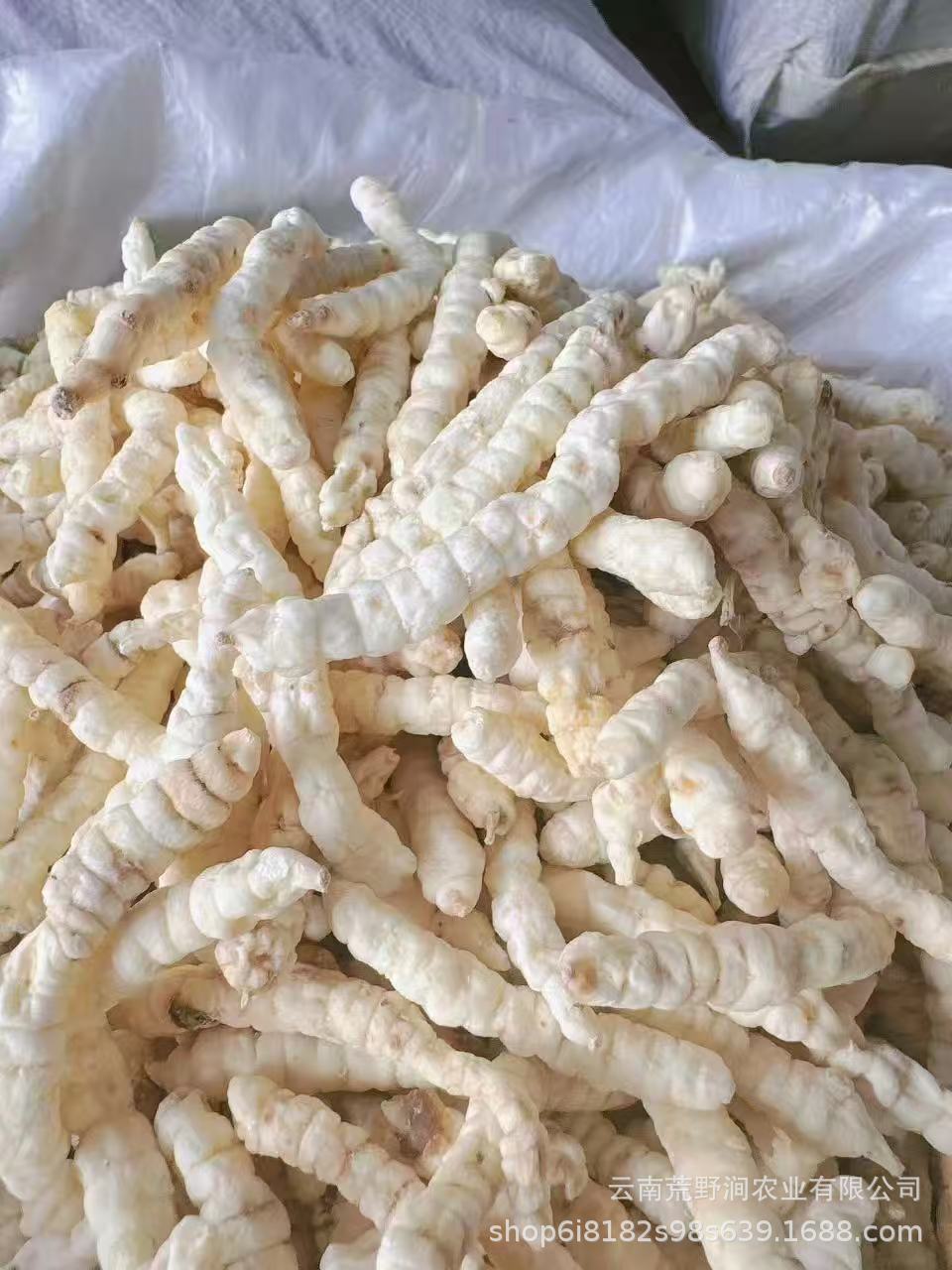
The dried tubers are typically white to pale cream in color with a firm, slightly wrinkled texture and a mild, earthy aroma. When simmered in decoctions or soups, they typically yield a light, subtly sweet and starchy taste with a soft, tender bite.

Technical Specifications
| Product Type | Dried raw herb |
|---|---|
| Chinese Name | 地蚕 白虫草 |
| Pinyin | Di Can / Bai Chong Cao |
| Botanical Name | Stachys geobombycis |
| Plant Part | Dried tuber |
| Net Weight | 100 g |
Usage Scenarios
- Simmer in herbal decoctions as part of a traditional tonic formula
- Add to slow-cooked soups with poultry or pork for a nourishing broth
- Brew as a mild herbal tea, alone or combined with goji berries or red dates
- Cook into congee or porridge for a traditional seasonal nourishing dish
Traditional Uses
In traditional Chinese herbal practice, Di Can has long been used as a gentle tonic herb, traditionally associated with nourishing the lungs and kidneys and supporting overall vitality. It is commonly simmered in medicinal soups, added to congee, or combined with herbs such as goji berry, Chinese yam, and red dates in classic tonic preparations. Folk usage often favors it during autumn and winter as a seasonal nourishing ingredient.
FAQ Q&A
Q: What is White Cordyceps or Di Can?
A: Di Can (地蚕), also called Bai Chong Cao (白虫草), is the dried tuber of Stachys geobombycis, a plant in the mint family. Despite its nickname, it is a botanical tuber rather than a true fungus.
Q: What is it traditionally used for?
A: In TCM theory it is traditionally regarded as a nourishing tonic associated with the lungs and kidneys. It has historically been used in tonic soups and decoctions to support general well-being.
Q: How is it commonly prepared?
A: Rinse the tubers and simmer them in soups, decoctions, or congee for 30 minutes or longer. They can also be brewed as a mild herbal tea, alone or with other tonic herbs.
Additional information
| Weight | N/A |
|---|---|
| Dimensions | N/A |
| Packaging specifications | 100g, 250g, 500g |
Related products
-
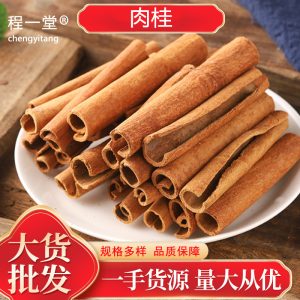
Dried Cinnamon Bark Rou Gui 500g Whole Peeling Culinary Spice and Traditional Herbal Ingredient
Price range: $5.58 through $8.33 -
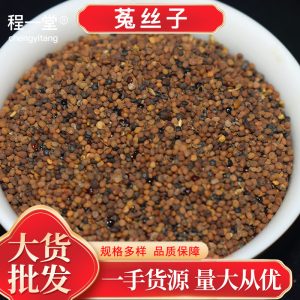
Dried Dodder Seed Tu Si Zi Whole Herb 500g Bulk Chinese Herbal Ingredient
Price range: $7.04 through $7.52 -
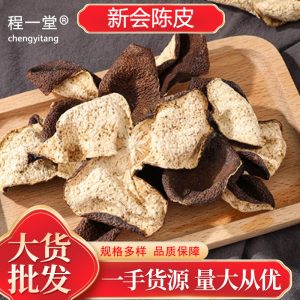
Xinhui Chenpi Dried Tangerine Peel 500g Sun Dried Aged Peel for Soup and Tea
Price range: $60.19 through $116.90 -
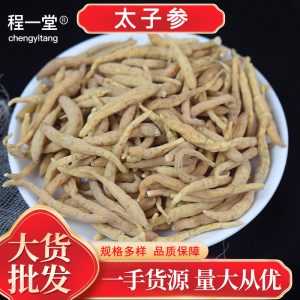
Taizishen Dried Pseudostellaria Root TCM Herbal Tea and Soup Ingredient 500g Bulk Pack
Price range: $10.28 through $15.63
Reviews
There are no reviews yet.