
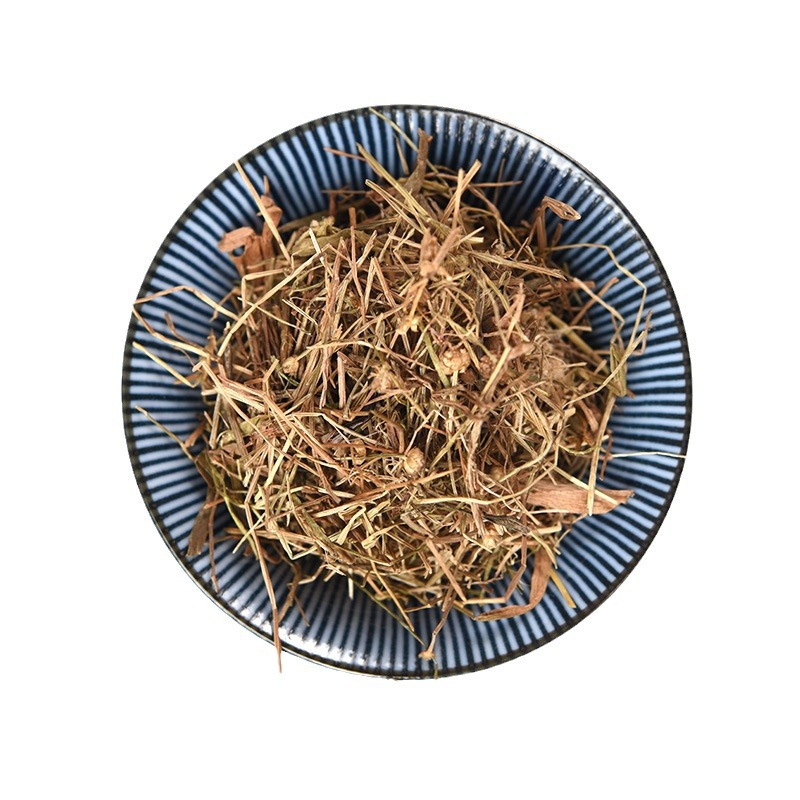
Gu Jing Cao (Eriocaulon buergerianum) — Dried Gu Jing Zhu Herb for Tea & Decoction
$6.37
999964 in stock
Description
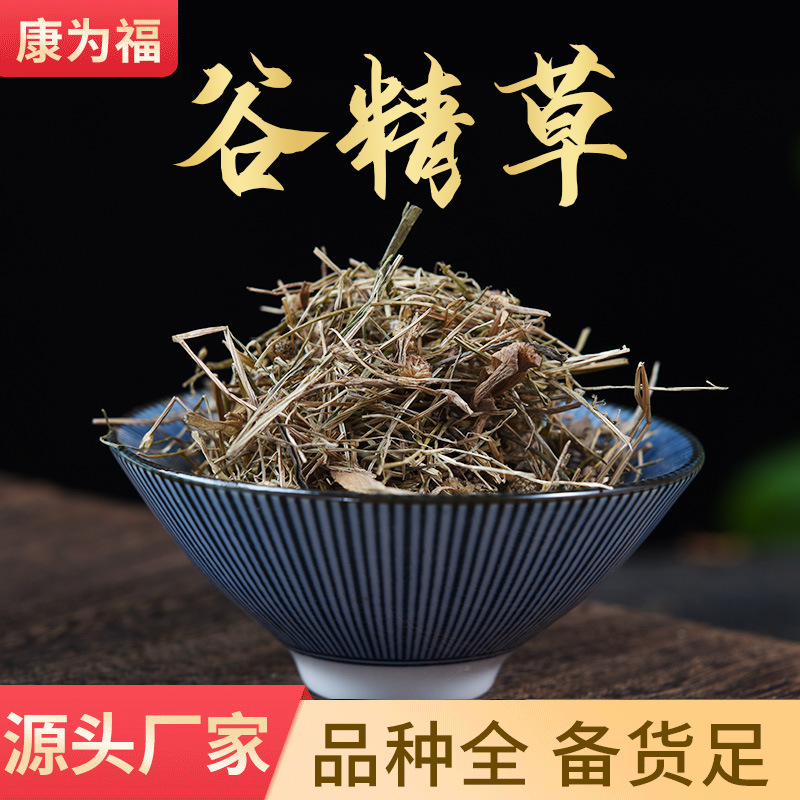
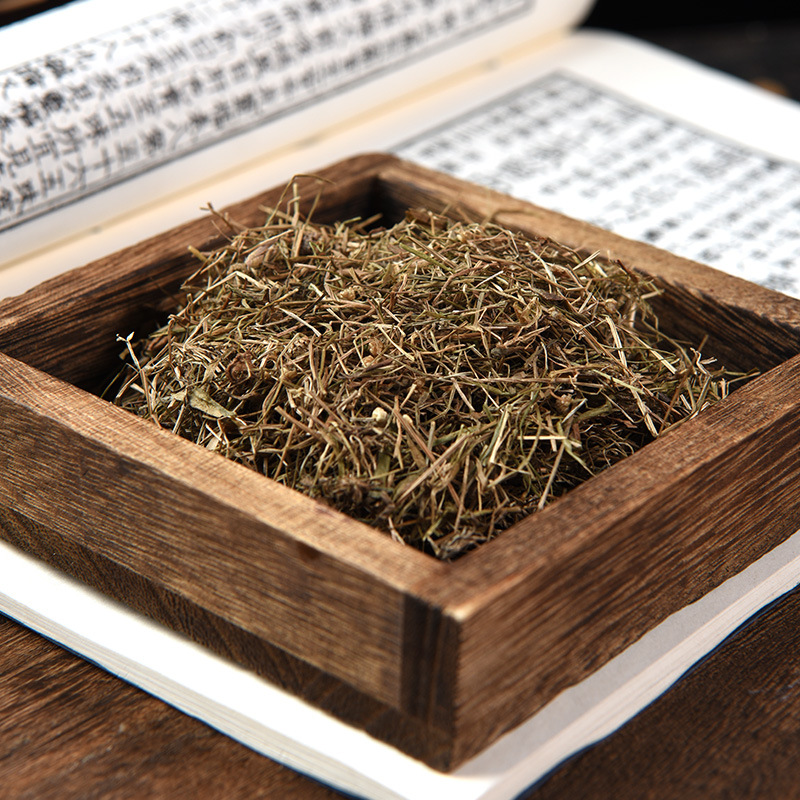
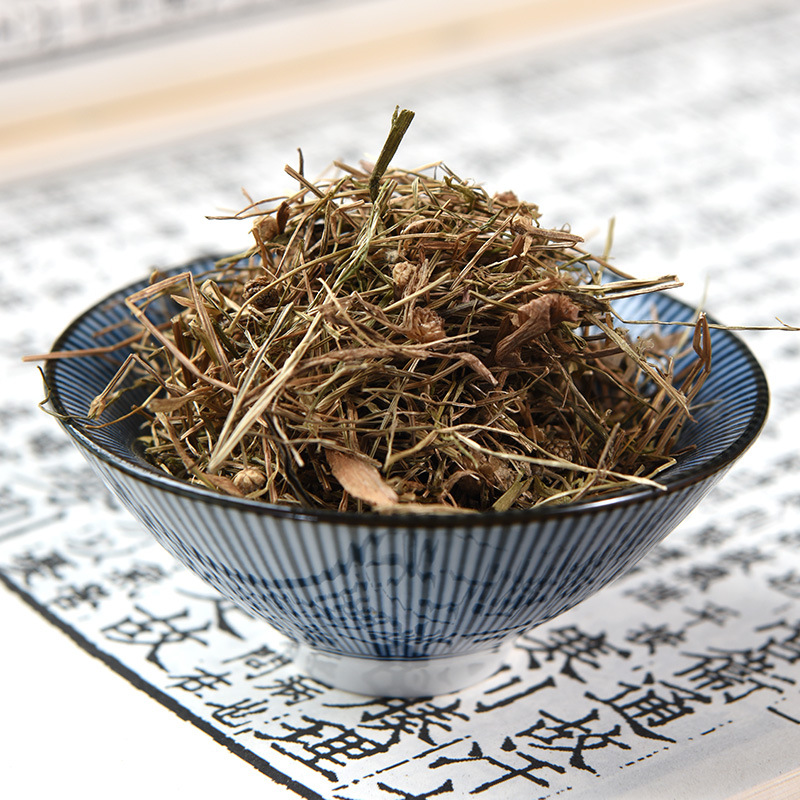
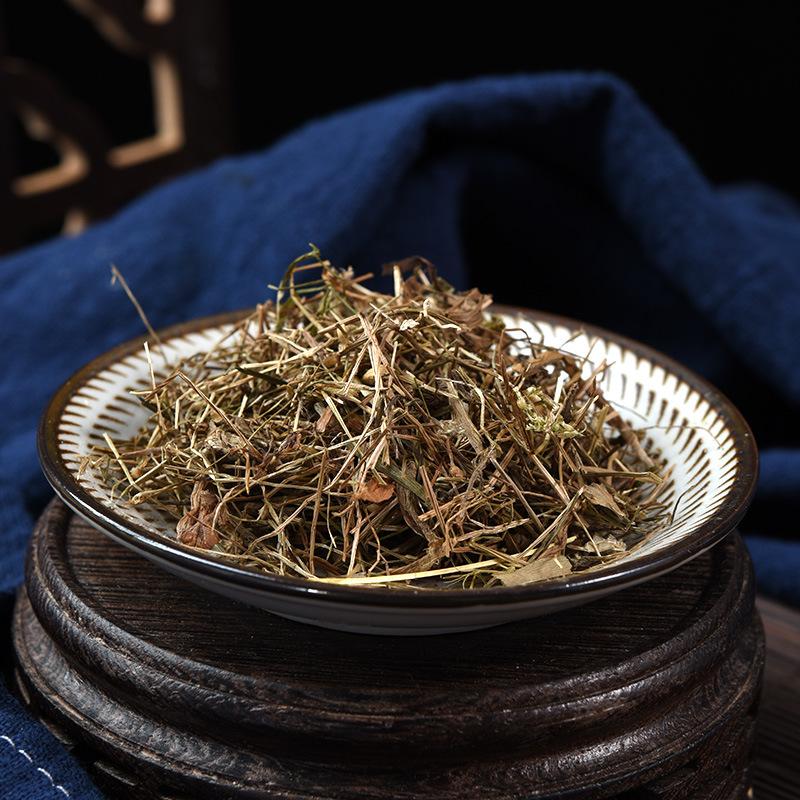
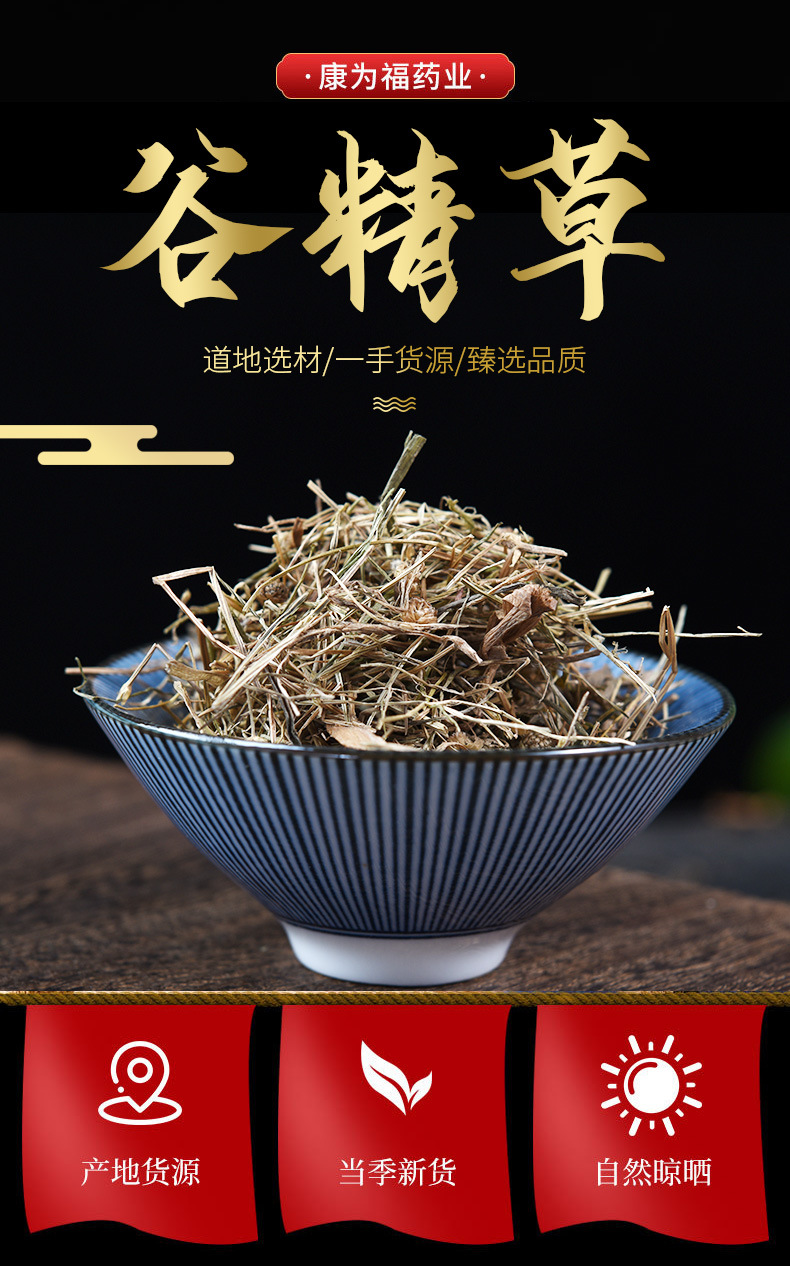
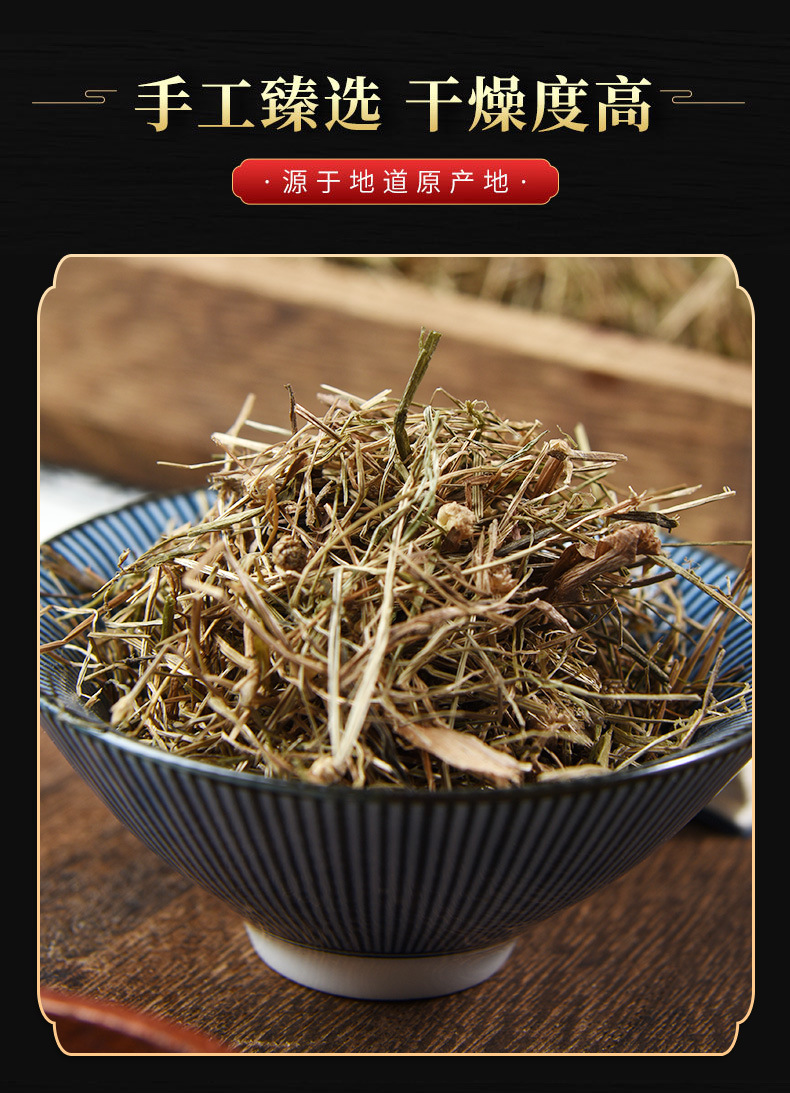
Gu Jing Cao (Eriocaulon buergerianum), also known as Gu Jing Zhu (谷精珠), is the dried flower head of a traditional herb long revered in Traditional Chinese Medicine (TCM). For centuries, Gu Jing Cao has been prized as a brightening, wind-dispelling herb used to clear the eyes, ease head discomfort, and soothe the Liver channel. Its nature is pungent, sweet, and slightly cold, making it a gentle yet focused herb for dispersing wind-heat and supporting clear vision.

Key Selling Points
- Traditional eye-clearing food herb
- Dried Gu Jing Zhu flower heads
- Eriocaulon buergerianum
- Suitable for tea and decoction
- 500g value pack
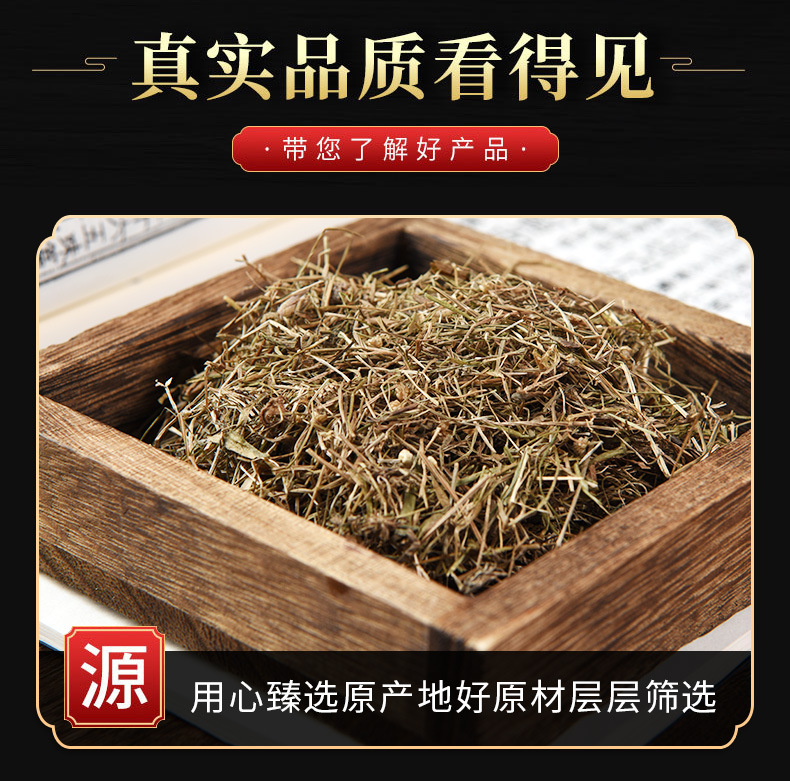
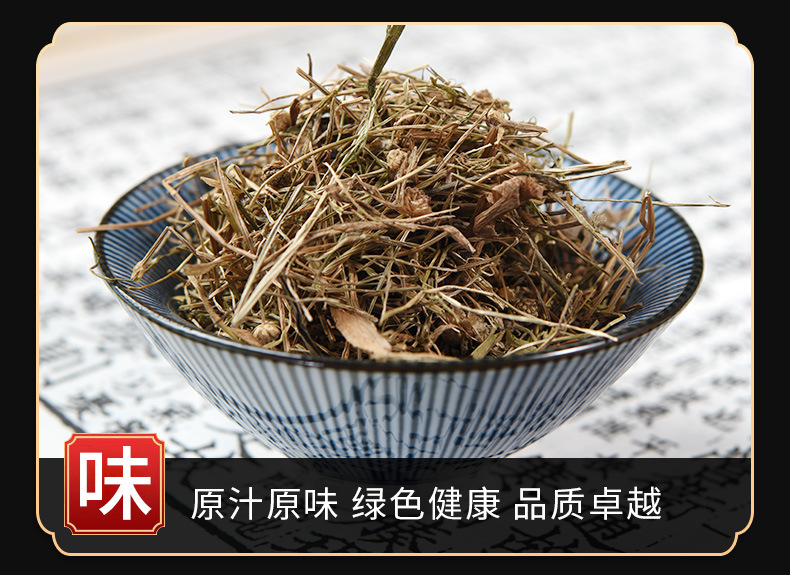
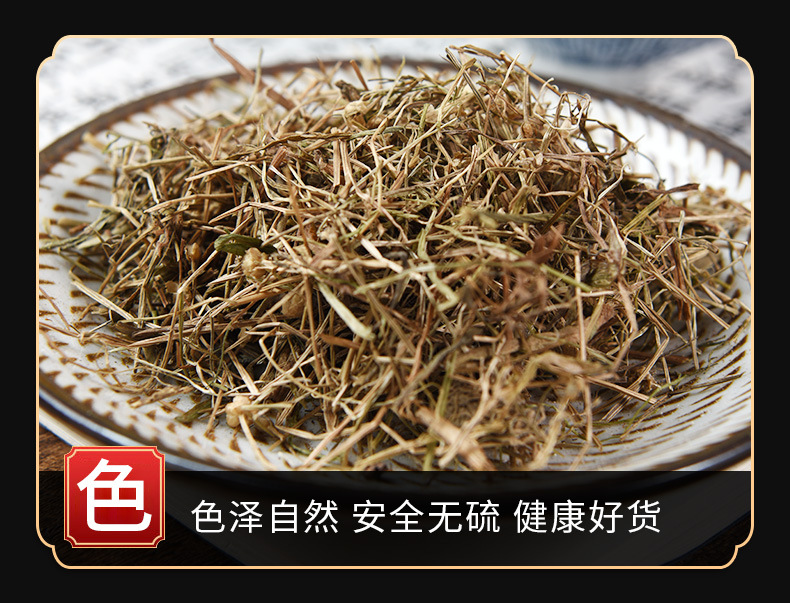
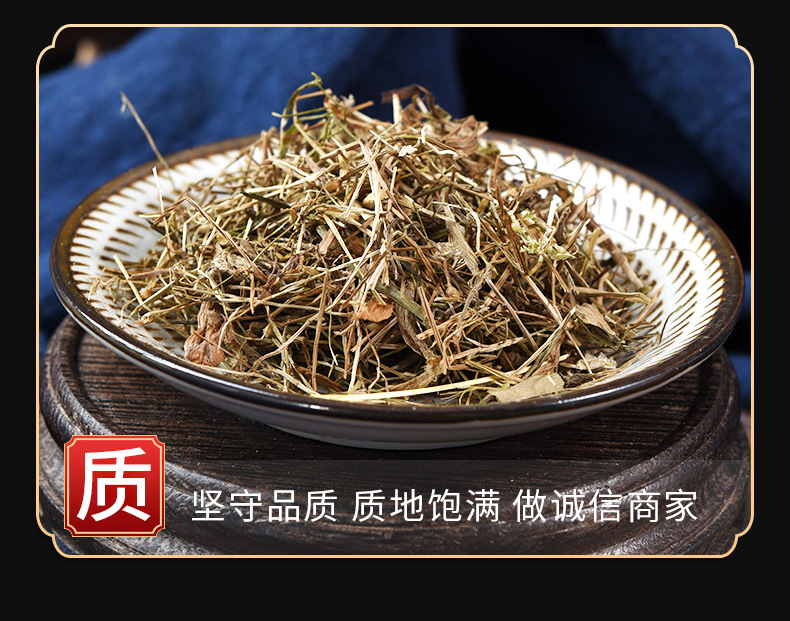
Quality & Sensory
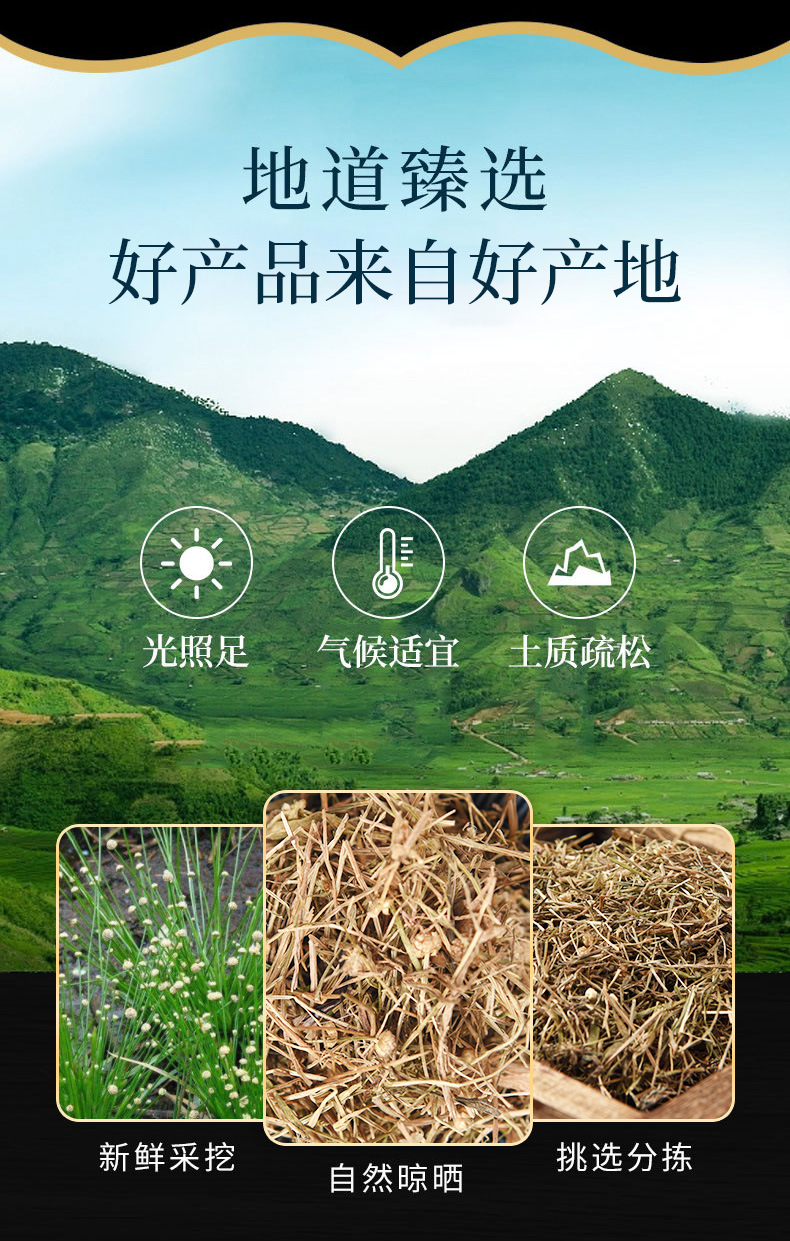
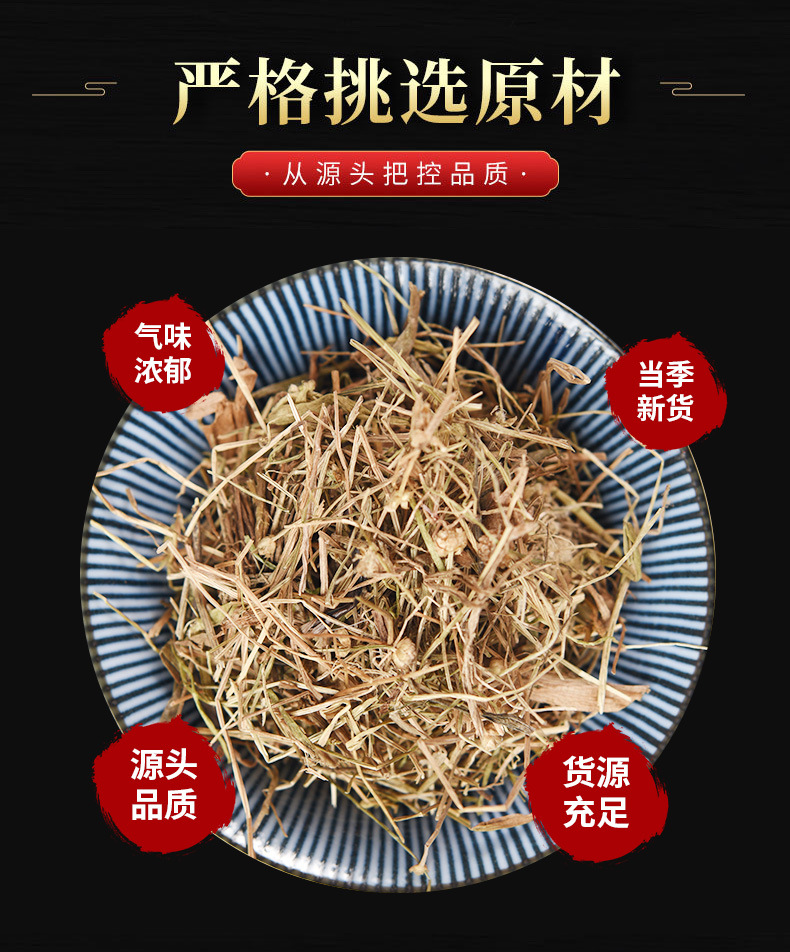
Each batch is carefully harvested and dried to preserve its pale greenish-yellow color, delicate fluffy texture, and mild grassy aroma. When brewed, the flower heads release a light, subtly sweet infusion with a soft herbal fragrance, making it pleasant to sip alone or blended with other gentle herbs.
Technical Specifications
| Product Type | Dried Herb |
|---|---|
| Common Name | Gu Jing Cao |
| Botanical Name | Eriocaulon buergerianum |
| Form | Dried Flower Heads |
| Net Weight | 500g |
| Storage | Room Temperature |


Usage Scenarios
- Herbal tea blends
- Traditional decoctions
- Seasonal wellness teas
- Soup and congee ingredient
- Daily herbal infusion


Traditional Uses
In folk herbal practice, Gu Jing Cao is decocted into teas and soups to support eye comfort and head clarity, often paired with chrysanthemum, cassia seed, and goji berry. It is a common ingredient in traditional eye-nourishing formulas and seasonal spring teas, where it is brewed alone or blended for a light, refreshing infusion.


FAQ Q&A
Q: What is Gu Jing Cao?
A: Gu Jing Cao is the common Chinese name for the dried flower heads of Eriocaulon buergerianum, also called Gu Jing Zhu. It is a traditional food herb used in tea and decoction.
Q: What is the traditional wellness value of Gu Jing Cao?
A: In traditional Chinese food wellness culture, Gu Jing Cao is associated with dispersing wind-heat, clearing the eyes, and soothing the Liver channel. It is often used in teas and soups for daily seasonal nourishment.
Q: How do I use dried Gu Jing Cao?
A: Rinse the flower heads and simmer them with soup ingredients, or brew them in hot water as part of a tea blend. Adjust the quantity to your recipe and taste preference.
Additional information
| Weight | 1 kg |
|---|---|
| Dimensions | 25 × 18 × 8 cm |
Related products
-
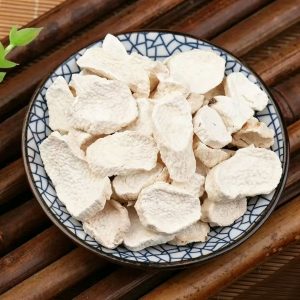
Huai Shan Yao Dried Slices (Dioscorea opposita) — Iron Stick Yam from Jiaozuo, Henan
Price range: $4.61 through $9.14 -
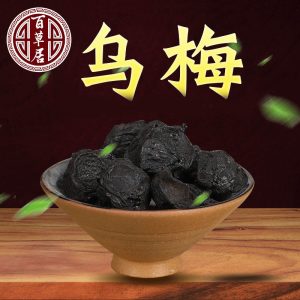
Wu Mei Dried Plum (Prunus mume) — Unsulfured Smoked-Free Food Herb for Sour Plum Drink & Tea
Price range: $4.44 through $10.93 -
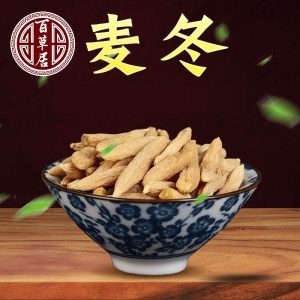
Mai Dong (Ophiopogon japonicus) Dried Root — Unsulfured Food Herb for Tea & Soup
Price range: $5.58 through $14.00 -
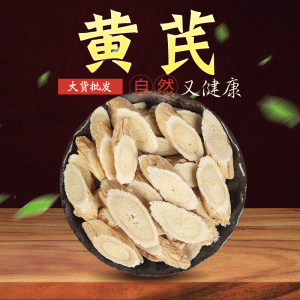
Huang Qi Slices (Astragalus membranaceus) — Dried Nail-Grade Root Slices for Tea & Soup
Price range: $5.74 through $12.06
Reviews
There are no reviews yet.