
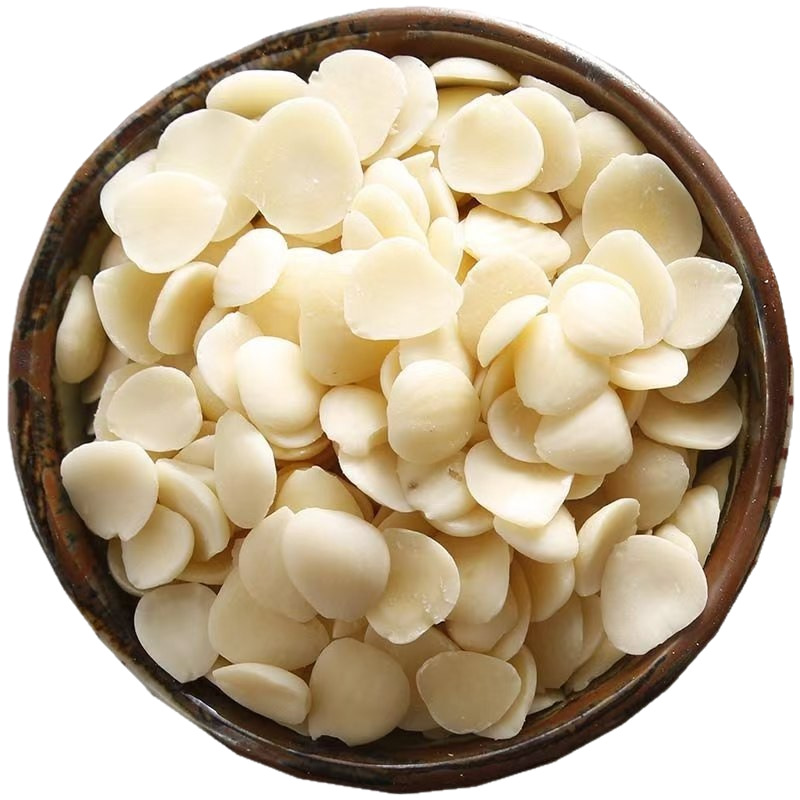
Apricot Kernels (Prunus armeniaca) — Sweet & Bitter Almond, Peeled and Unpeeled, Hebei Origin
Price range: $8.32 through $11.56
Description
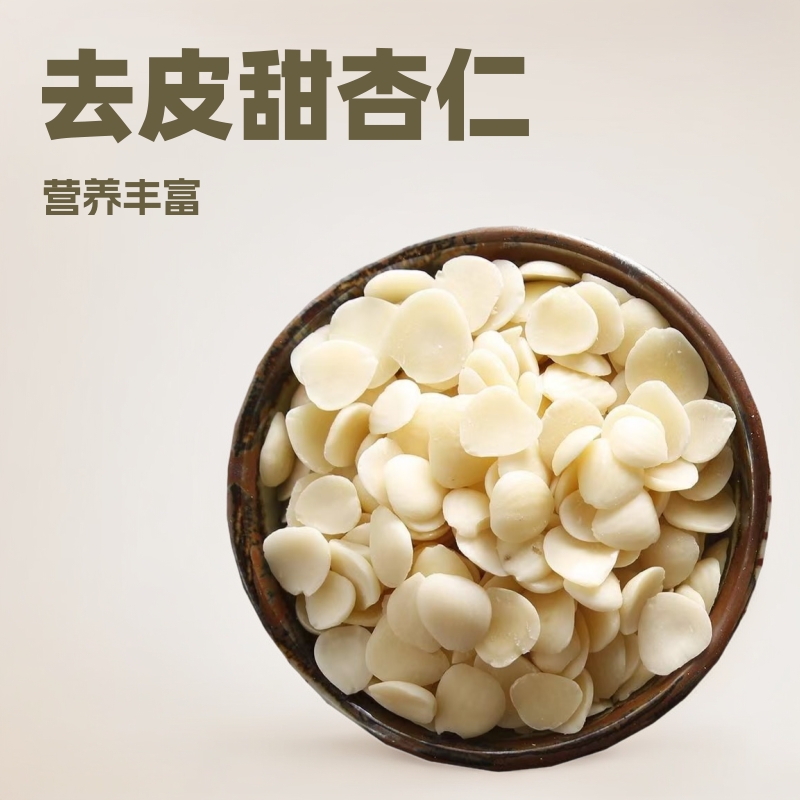
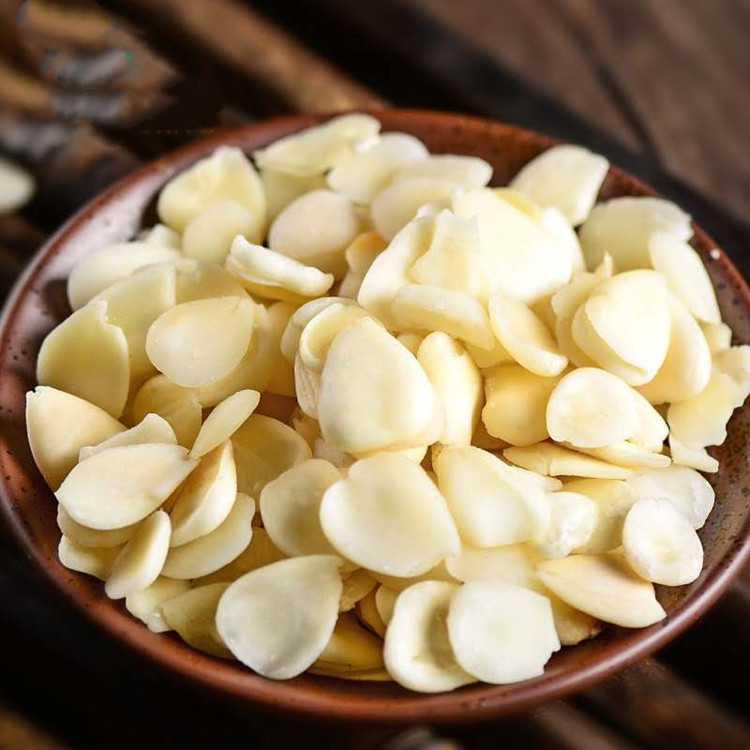
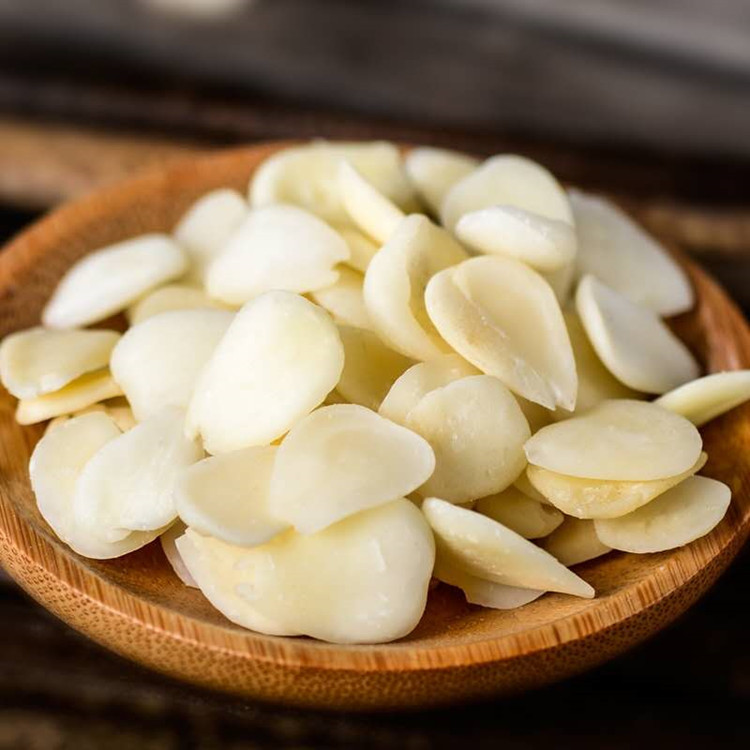
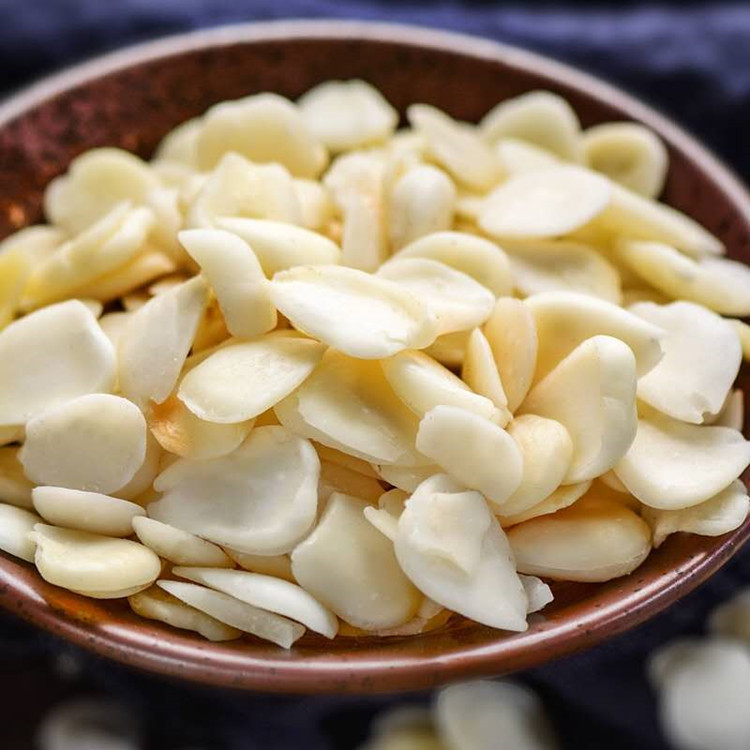
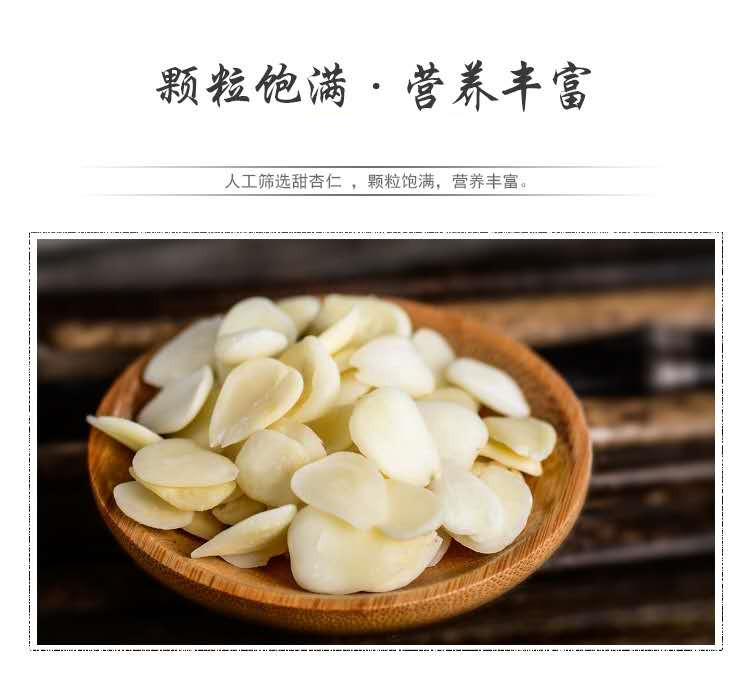
Apricot Kernels (Prunus armeniaca) are the dried seeds of the apricot tree, known in Traditional Chinese Medicine (TCM) as Xìng Rén (杏仁). This listing offers both sweet almond (Tián Xìng Rén, 甜杏仁) and bitter almond (Kǔ Xìng Rén, 苦杏仁), available peeled or with skin intact, sourced from Hebei province. In TCM, apricot kernel is a classic food-herb prized as a moistening, qi-directing seed used to soothe the Lungs, ease cough, and support smooth movement of the chest. Its nature is warm, with sweet and slightly bitter flavors, making it a gentle yet focused herb for seasonal respiratory wellness.
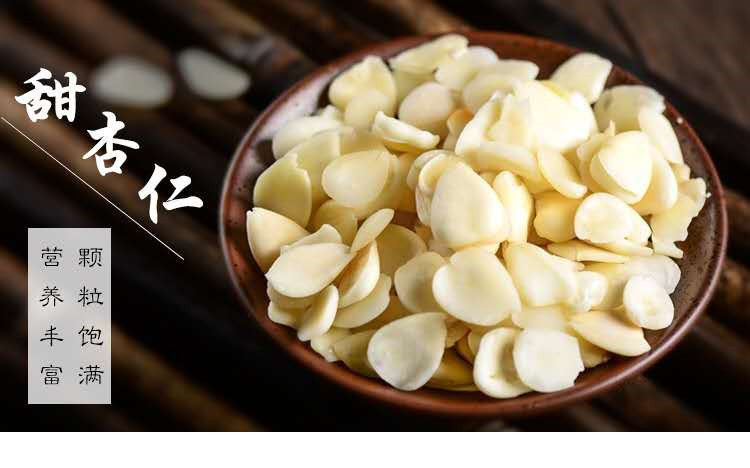
Key Selling Points
- Traditional food-herb apricot kernel (Xing Ren)
- Both sweet and bitter almond varieties available
- Peeled and unpeeled options for flexible use
- Sourced from Hebei province, China
- Sun-dried and cold-stored for freshness
Quality & Sensory
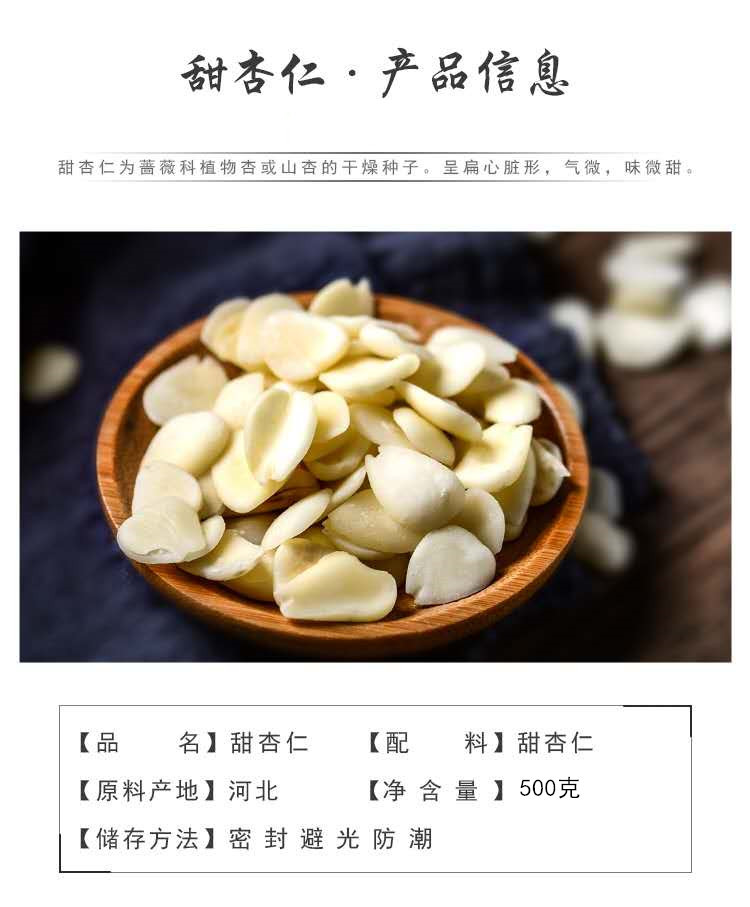
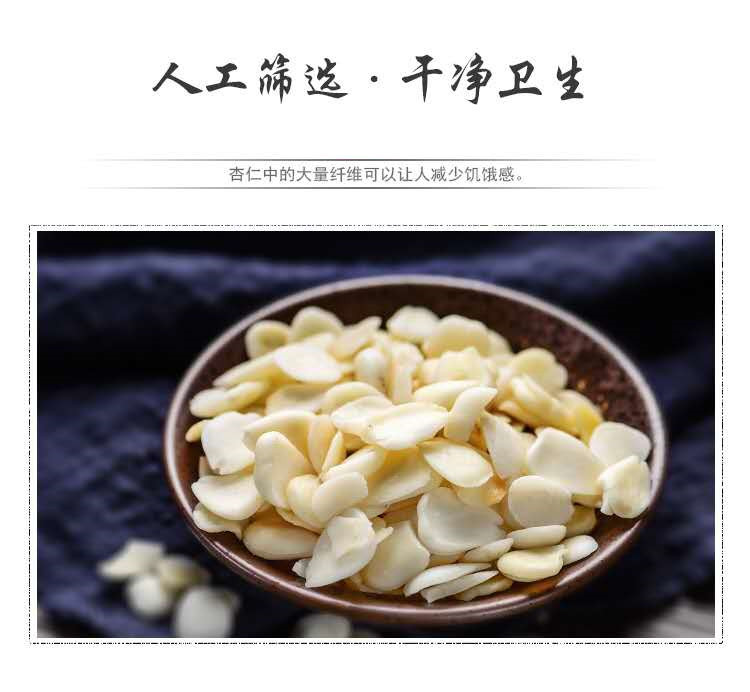
Each batch is sun-dried to preserve its pale ivory to light tan color, firm yet slightly oily texture, and mild nutty aroma. Sweet kernels offer a soft, buttery flavor with a gentle sweetness, while bitter kernels carry a sharper, more aromatic bite. When simmered in soups or decocted, they soften and release a warm, rounded nuttiness that blends well with other herbs and grains.
Technical Specifications
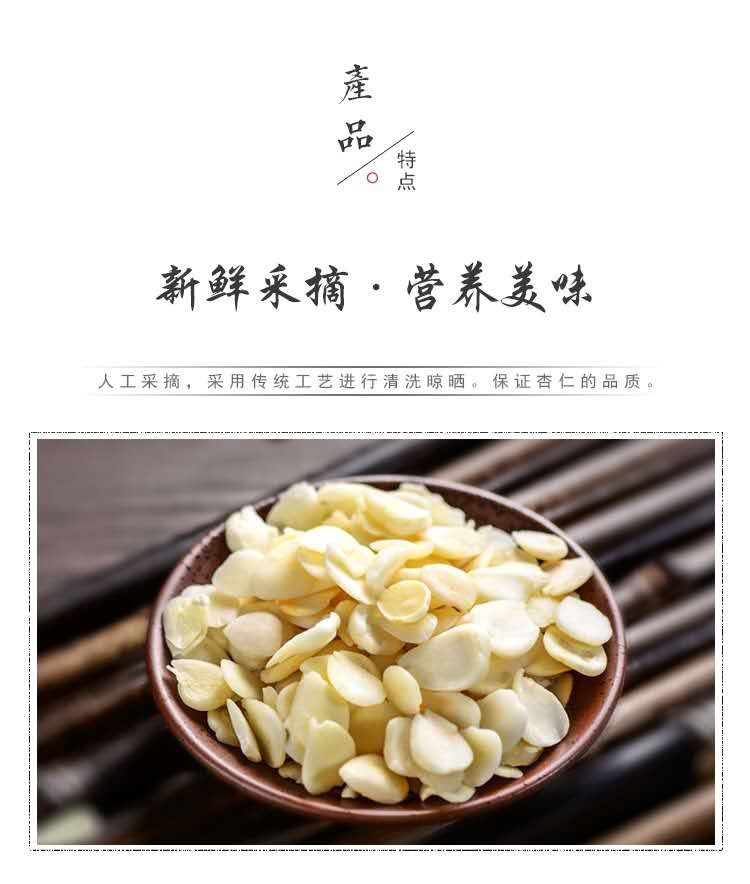
| Product Type | Dried Apricot Kernels |
|---|---|
| Common Name | Xing Ren (Apricot Kernel) |
| Botanical Name | Prunus armeniaca |
| Origin | Hebei Province, China |
| Net Weight | 500g |
| Processing | Sun-dried |
Usage Scenarios
- Chinese-style herbal soups and broths
- Congee and grain porridge
- Herbal tea blends
- Traditional dessert and tonic preparations
- Medicinal food soup packs
Traditional Uses
In folk herbal practice, apricot kernels are decocted into soups, congee, and sweet tonic preparations to support the Lungs and ease the chest. Sweet almond is often used in daily congee and dessert soups, while bitter almond appears in classic herbal formulas and medicinal food packs. They pair well with ingredients like lily bulb, fritillary, goji berry, and jujube, and are commonly simmered into autumn and winter broths for seasonal respiratory comfort.
FAQ Q&A
Q: What is the difference between sweet and bitter apricot kernels?
A: Sweet almond (Tian Xing Ren) has a mild, buttery flavor and is commonly used in congee, desserts, and daily soups. Bitter almond (Ku Xing Ren) has a sharper, more aromatic taste and is traditionally used in herbal formulas and medicinal food preparations.
Q: What is the traditional wellness value of apricot kernels?
A: In traditional Chinese food wellness culture, apricot kernels are associated with soothing the Lungs, easing cough, and supporting smooth movement of qi in the chest. They are often used in soups and congee for seasonal respiratory nourishment.
Q: How should I store dried apricot kernels?
A: Keep them refrigerated in an airtight container to preserve freshness, aroma, and texture. The stated shelf life is 24 months under proper cold storage conditions.
Additional information
| Weight | N/A |
|---|---|
| Dimensions | N/A |
| Packaging specifications | Sweet almond 0 5kg, Bitter almonds with skin 0 5kg, Peeled bitter almonds 0 5kg |
Related products
-
Dang Gui Slices (Angelica sinensis) — Gansu Minxian Dried Root Slices for Cooking & Tea
Price range: $4.44 through $20.49 -
Goji Berries (Lycium barbarum) — Ningxia Zhongning Dried Red Goji, Sulfur-Free First Harvest
Price range: $7.52 through $8.66 -
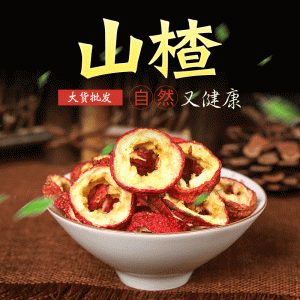
Shan Zha Slices (Crataegus pinnatifida) — Pitted Dried Hawthorn for Sour Plum Soup & Tea
Price range: $4.12 through $5.74 -
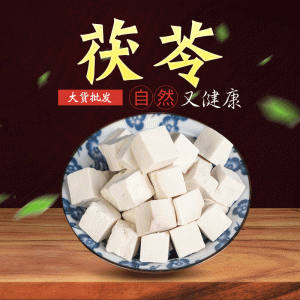
Fu Ling Blocks (Poria cocos) — Sulfur-Free Yuexi White Poria Diced Cubes, 500g
Price range: $5.58 through $6.88
Reviews
There are no reviews yet.