
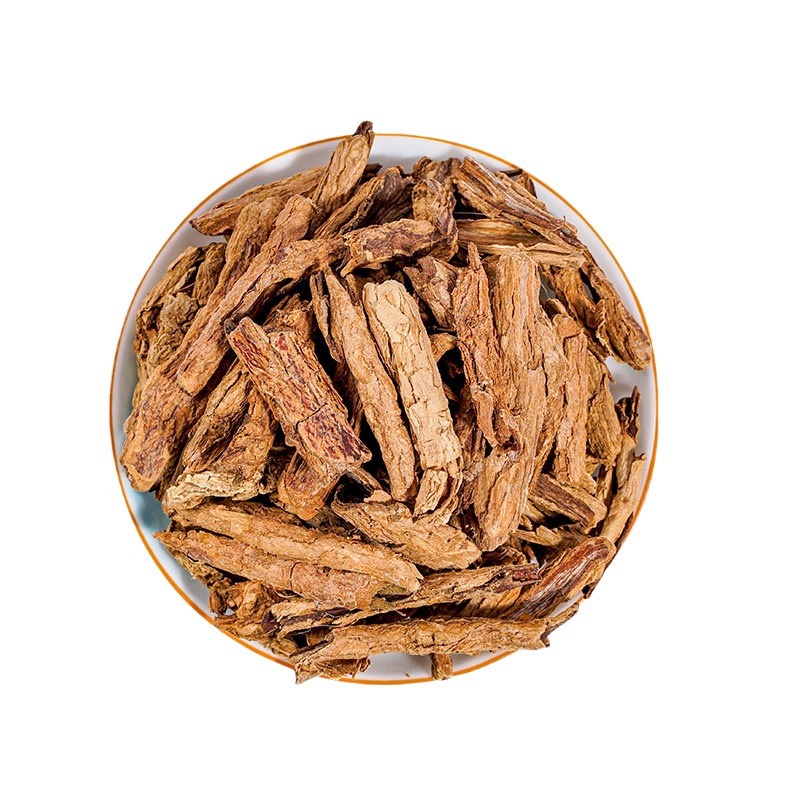
Di Gu Pi (Lycium chinense Root Bark) — Dried TCM Herb, Wolfberry Root Bark
Price range: $6.70 through $14.80
Description
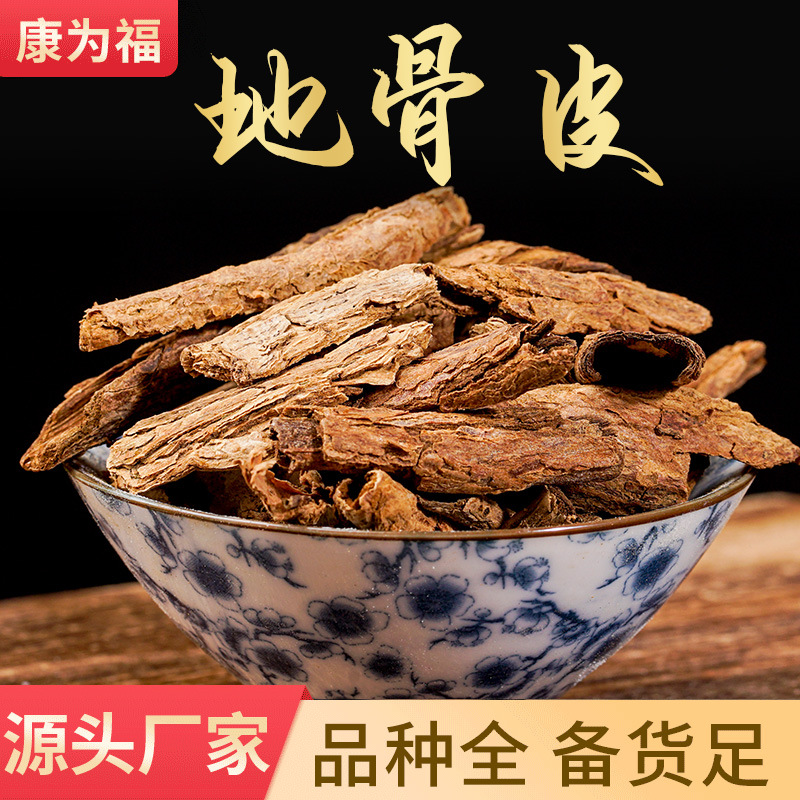
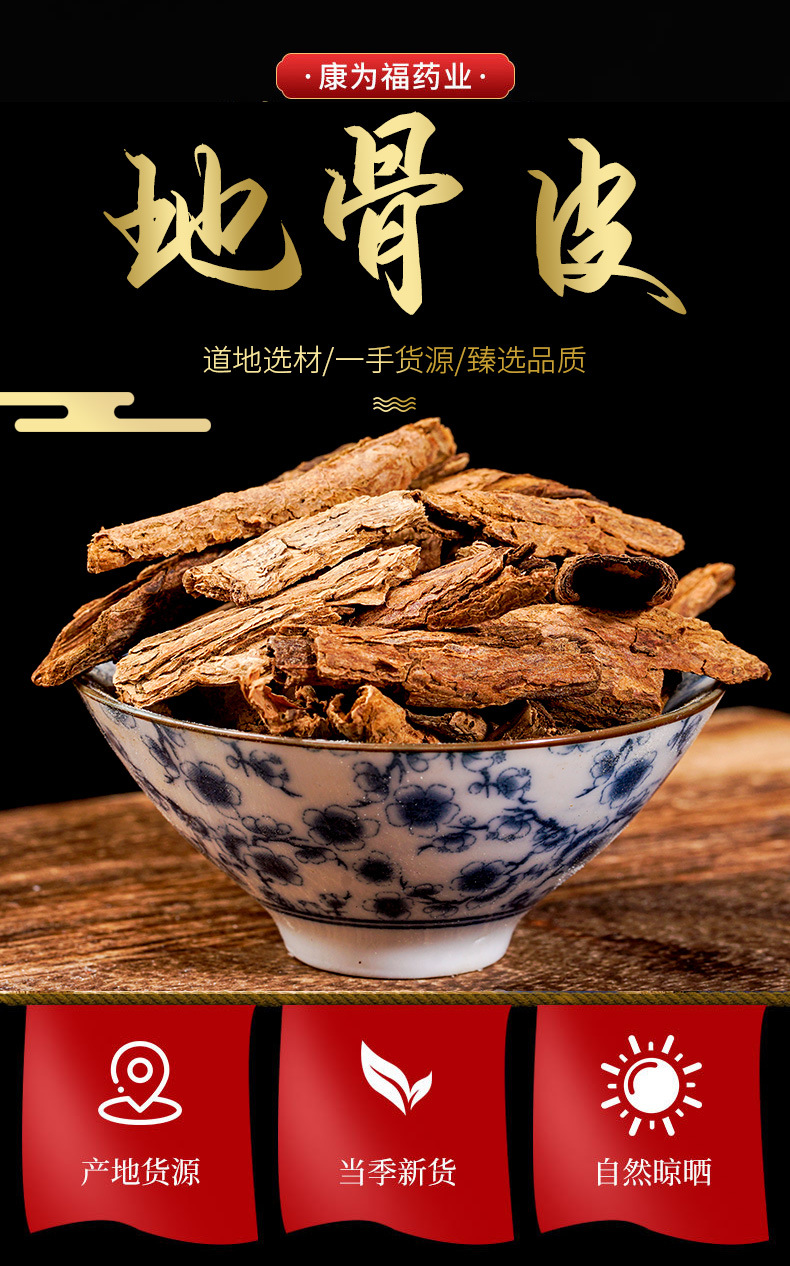
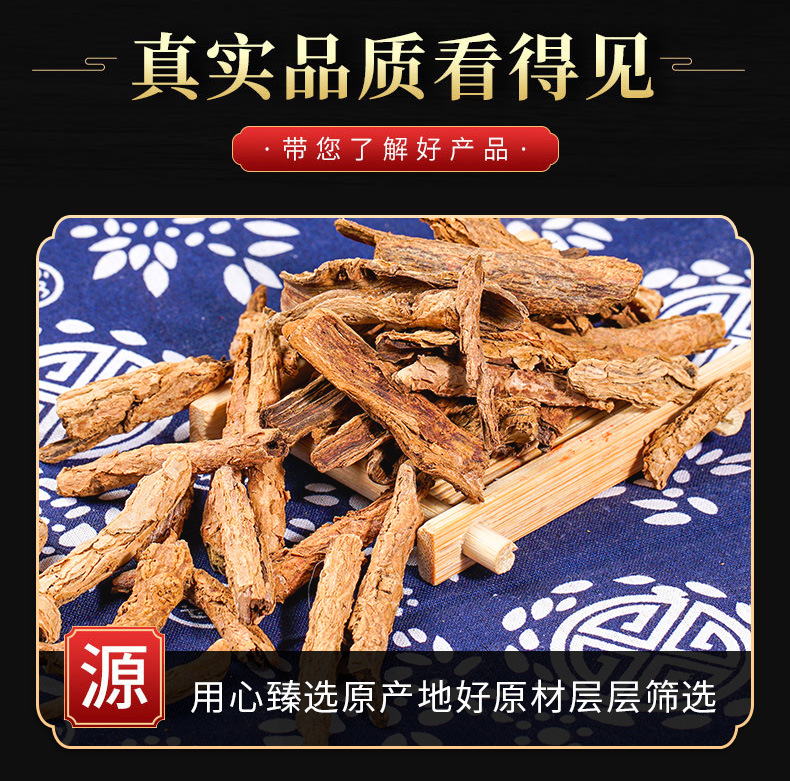
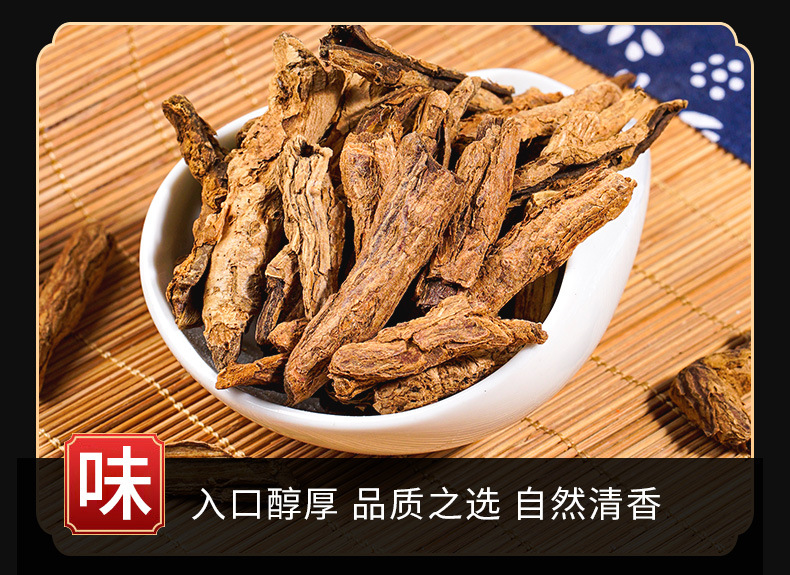
Di Gu Pi (Lycium chinense) is the dried root bark of the wolfberry plant, known in Traditional Chinese Medicine (TCM) as Dì Gǔ Pí (地骨皮). Also called Wolfberry Root Bark, Qi Gen, or Hong Liu Gen Pi, it has been prized for centuries as a cooling, yin-nourishing herb traditionally used to clear deficiency heat, cool the blood, and settle restlessness. Its nature is sweet and cold, making it a gentle yet deeply cooling herb for soothing the Lungs, anchoring floating heat, and harmonizing the body's internal balance.


Key Selling Points
- Traditional cooling and yin-nourishing herb
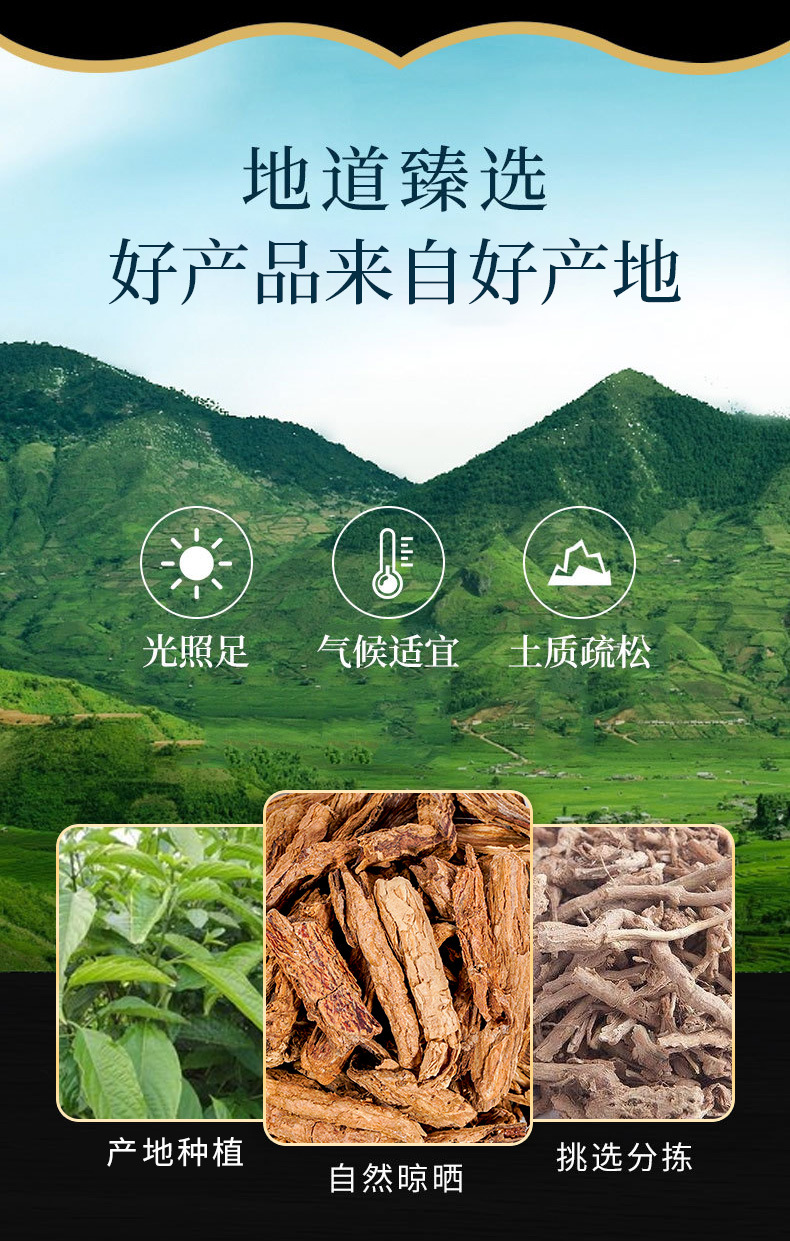
- Dried wolfberry root bark (Lycium chinense)
- Also known as Qi Gen and Hong Liu Gen Pi
- Available as whole bark or fine powder
- 500g value pack for daily decoction
Quality & Sensory
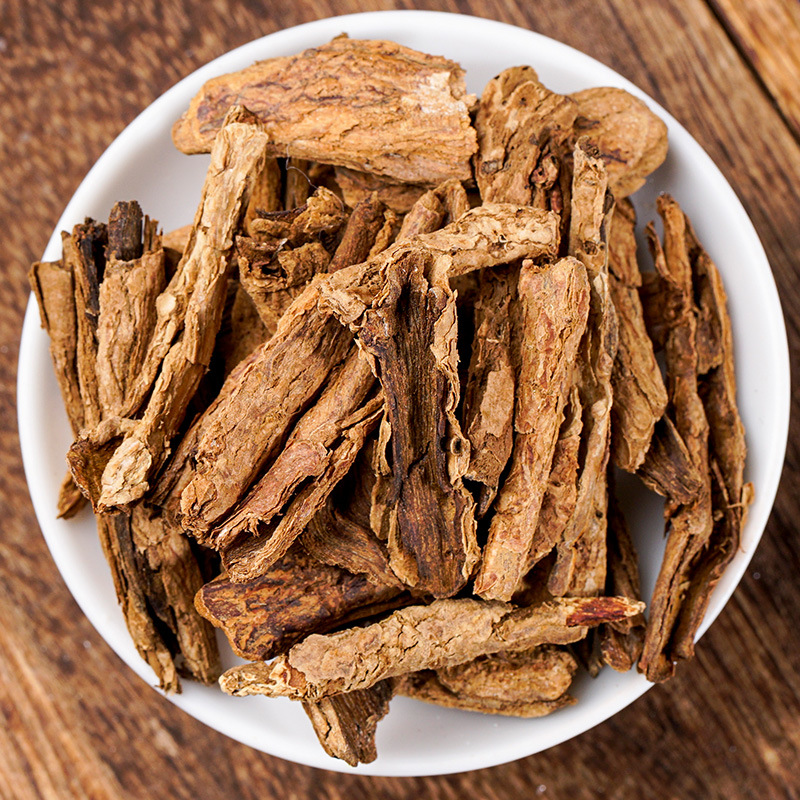
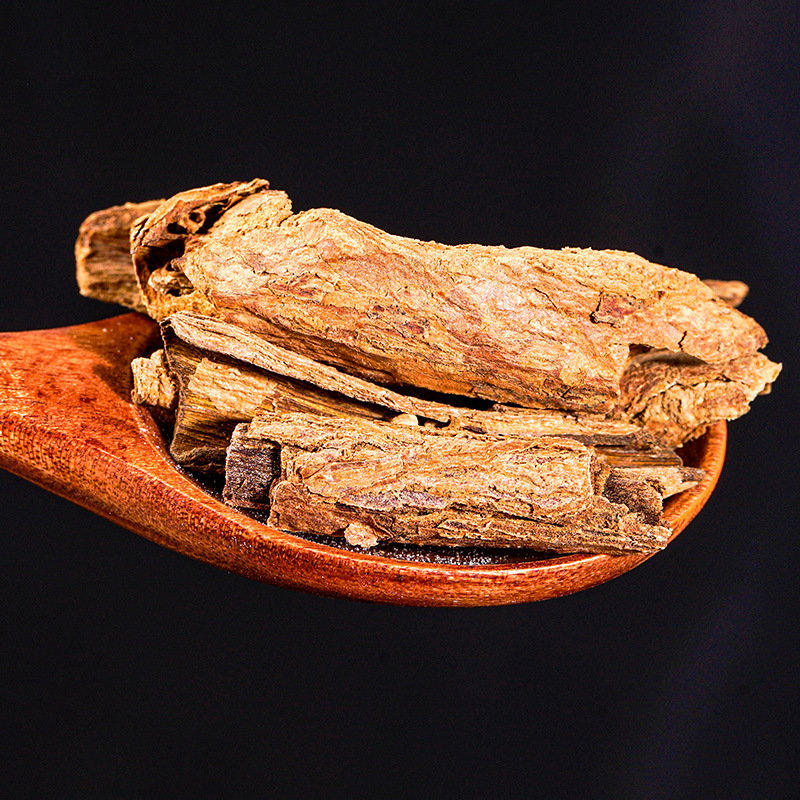
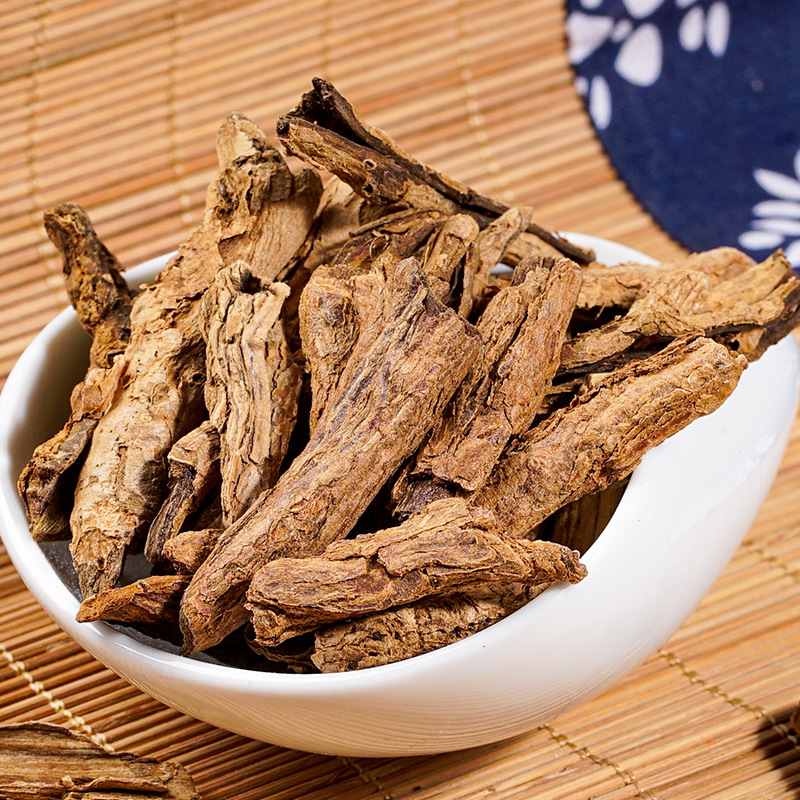
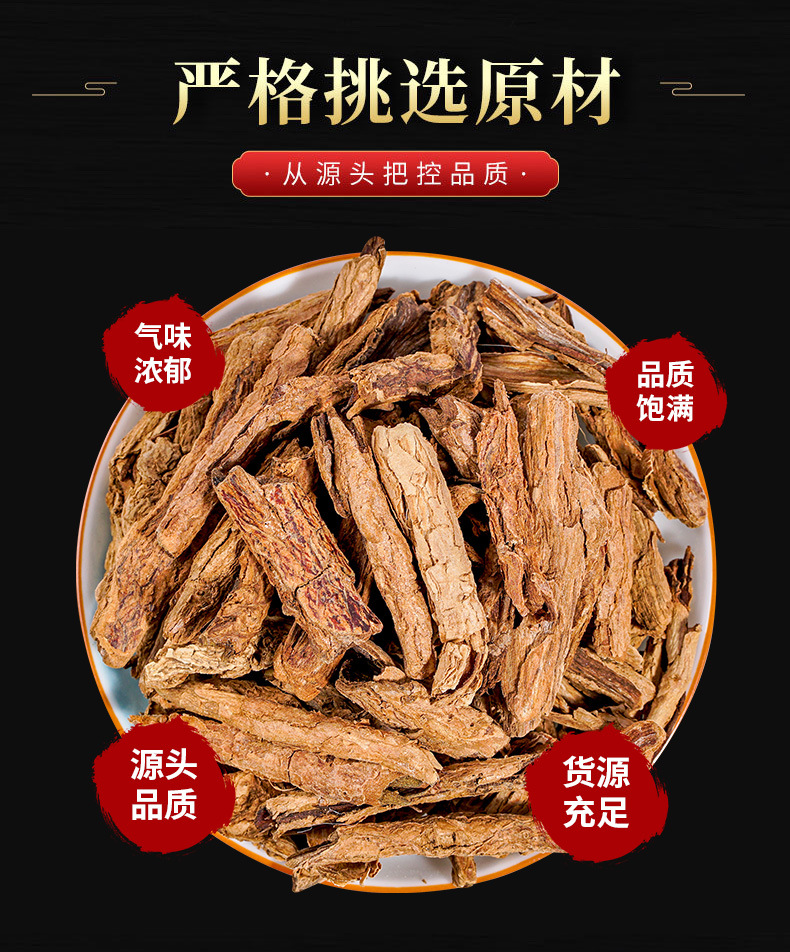
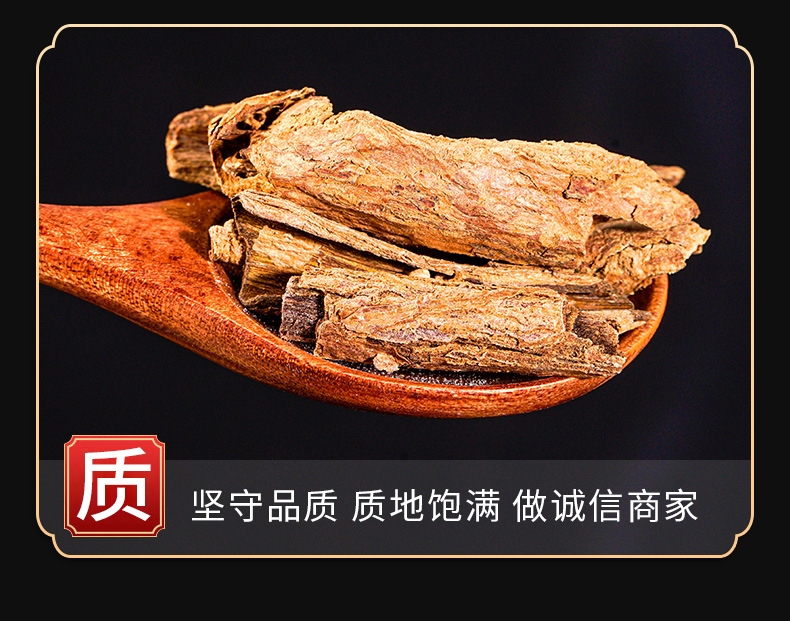
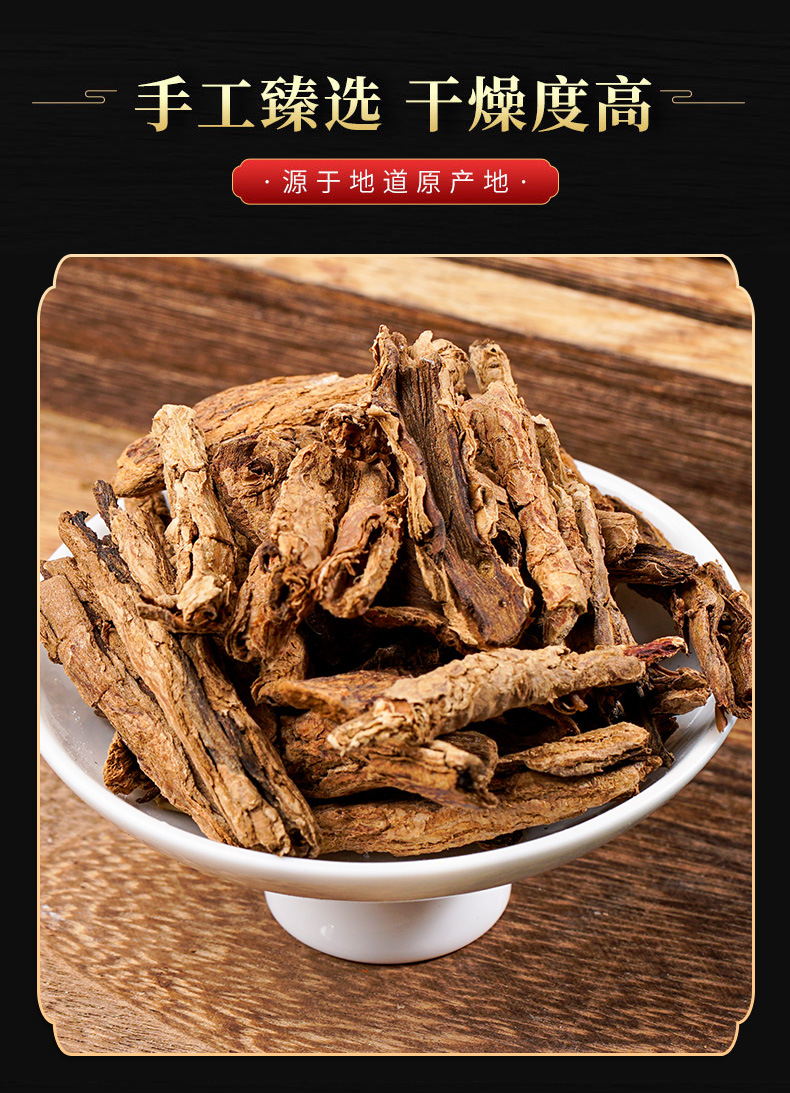
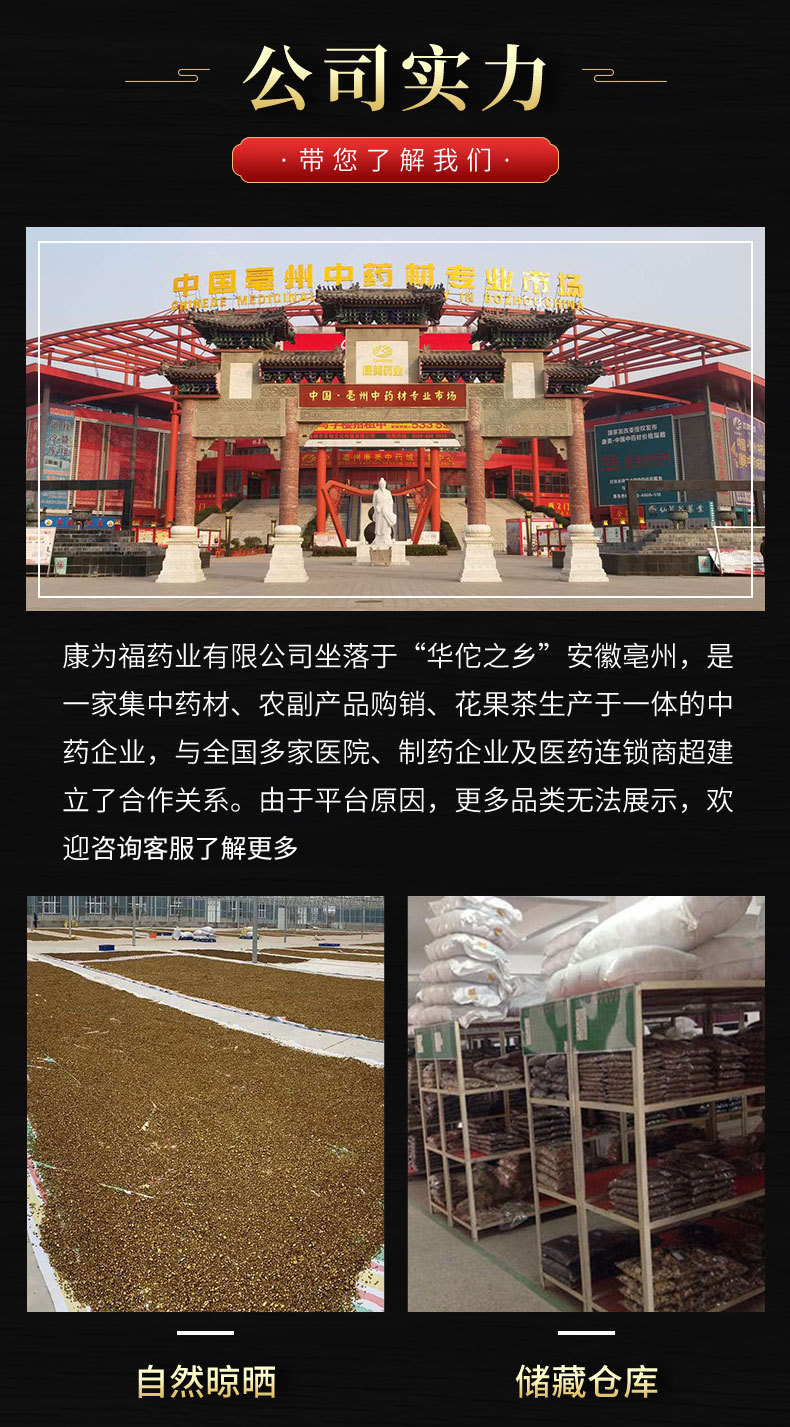
Each batch is carefully dried to preserve its pale tan to light brown color, rough, slightly fibrous texture, and mild earthy aroma. When decocted, it yields a gentle, subtly sweet infusion with a light, clean finish, releasing its cooling character slowly into the brew without harshness.


Technical Specifications
| Product Type | Dried Root Bark / Powder |
|---|---|
| Common Name | Di Gu Pi |
| Botanical Name | Lycium chinense |
| Form | Dried Bark or Powder |
| Net Weight | 500g |
| Shelf Life | 24 months |


Usage Scenarios
- Traditional herbal decoction
- Herbal tea blends
- Medicinal soup and congee
- Seasonal cooling tonic
- Powdered drink mix


Traditional Uses
In folk herbal practice, Di Gu Pi is decocted into soups, congee, and cooling tonics to support the body during dry or warm seasons. It is a common ingredient in traditional formulas where it pairs with ingredients like mulberry bark, reed root, and ophiopogon to gently clear deficiency heat. As a daily tea, it is brewed alone or blended with chrysanthemum and honeysuckle for a light, mildly sweet infusion.


FAQ Q&A
Q: What is Di Gu Pi?
A: Di Gu Pi is the common Chinese name for the dried root bark of Lycium chinense, also called Wolfberry Root Bark. It is a traditional TCM herb used in decoctions and teas.
Q: What is the traditional wellness value of Di Gu Pi?
A: In traditional Chinese food wellness culture, Di Gu Pi is associated with clearing deficiency heat, cooling the blood, and nourishing yin. It is often used in decoctions and teas for daily seasonal balance.
Q: How do I use Di Gu Pi?
A: Rinse the bark or powder and simmer it with soup ingredients, or brew it in hot water as part of a tea blend. Adjust the quantity to your recipe and taste preference.
Additional information
| Weight | N/A |
|---|---|
| Dimensions | N/A |
| Packaging specifications | Optional 500g, Medium 500g, Small package 500g, Special grade washed 500g, Digu skin powder 500g |
Related products
-
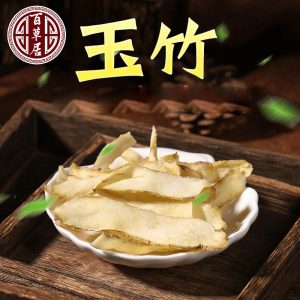
Yu Zhu Slices (Polygonatum odoratum) — Sulfur-Free Hunan Dried Food Herb, 500g
Price range: $4.77 through $10.76 -
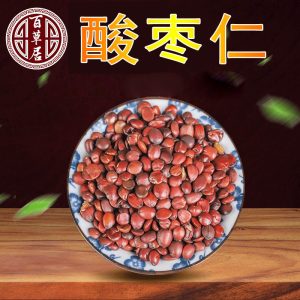
Suan Zao Ren (Ziziphus jujuba var. spinosa) — Hebei Stir-Fried & Raw Jujube Seed, 500g
Price range: $5.74 through $81.25 -
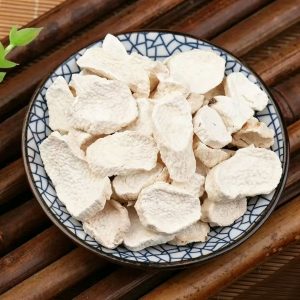
Huai Shan Yao Dried Slices (Dioscorea opposita) — Iron Stick Yam from Jiaozuo, Henan
Price range: $4.61 through $9.14 -
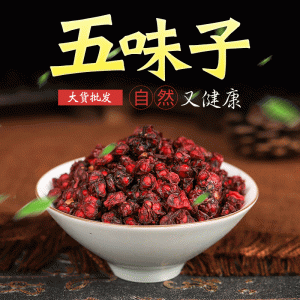
Liao Wu Wei Zi (Schisandra chinensis) — Dried Changbai Mountain Schisandra Berry, 500g
$6.88
Reviews
There are no reviews yet.