
Dried Shrunken Peanut Kernels with Red Skin New Crop Shandong 500g for Stomach Care and Traditional Soups
Price range: $6.61 through $23.30
Description
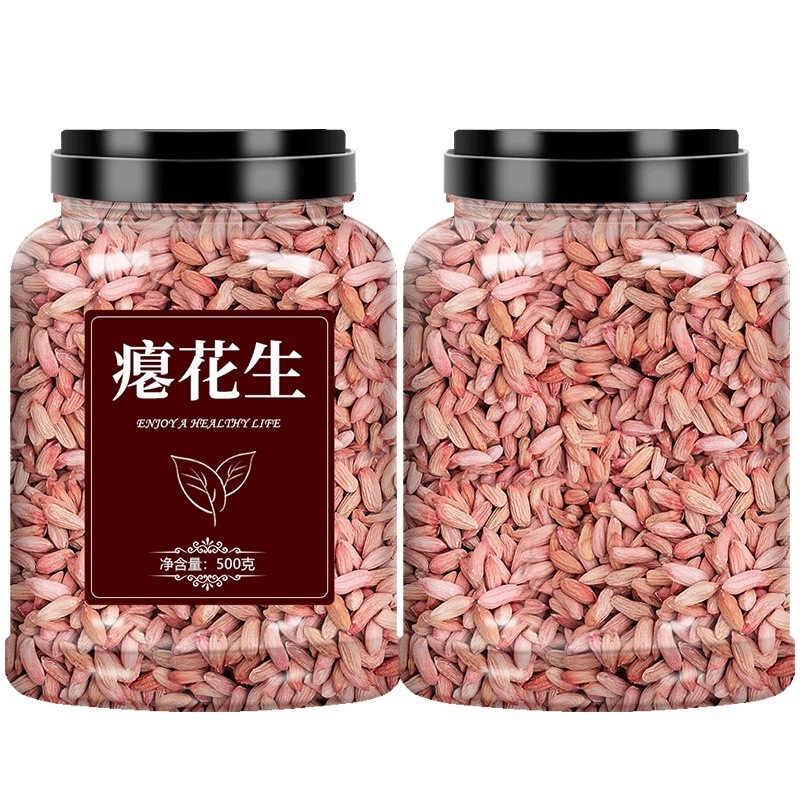
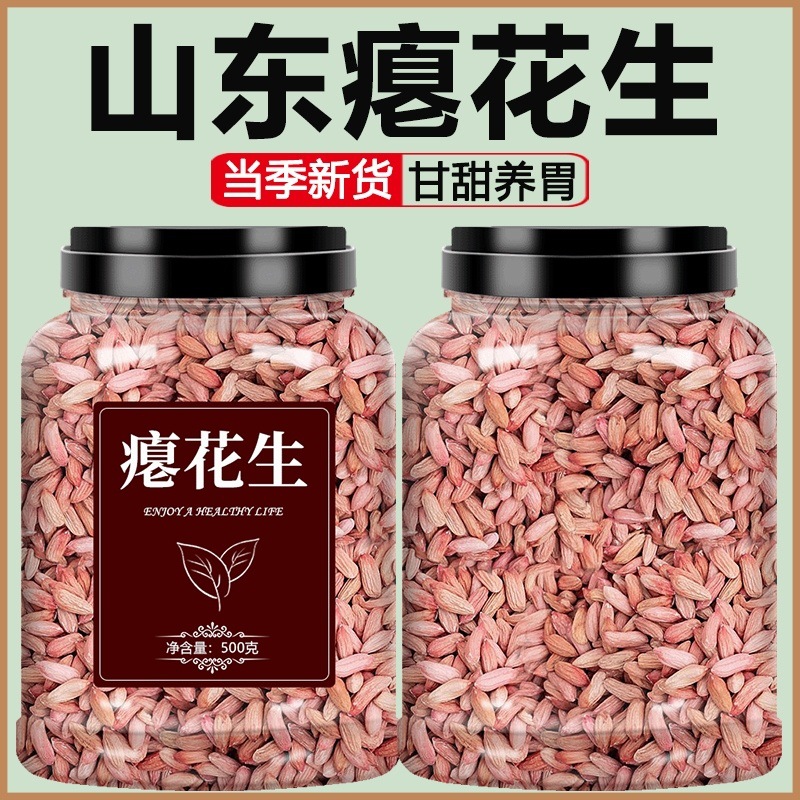
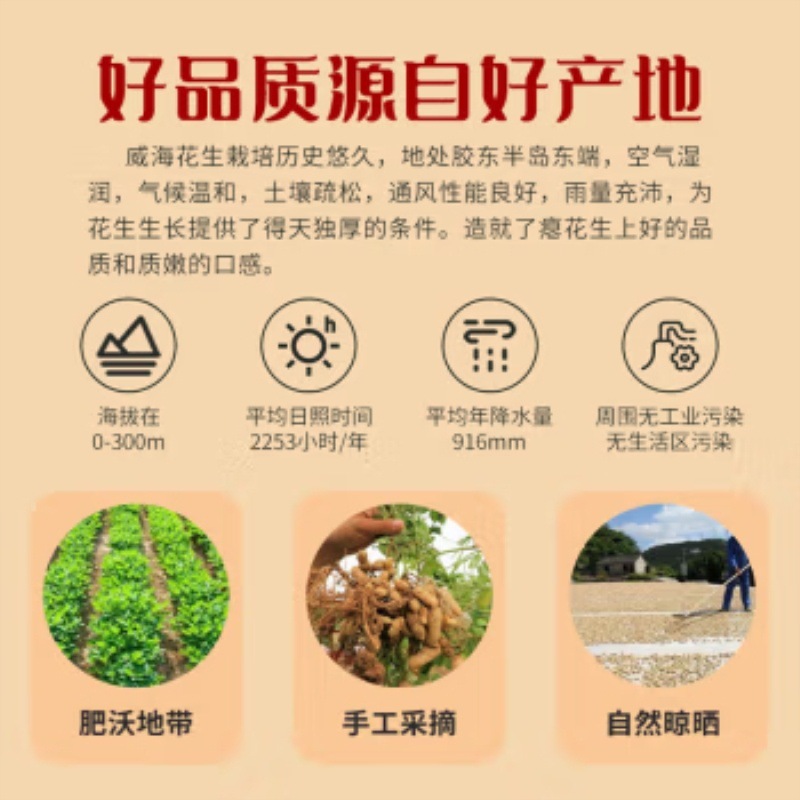
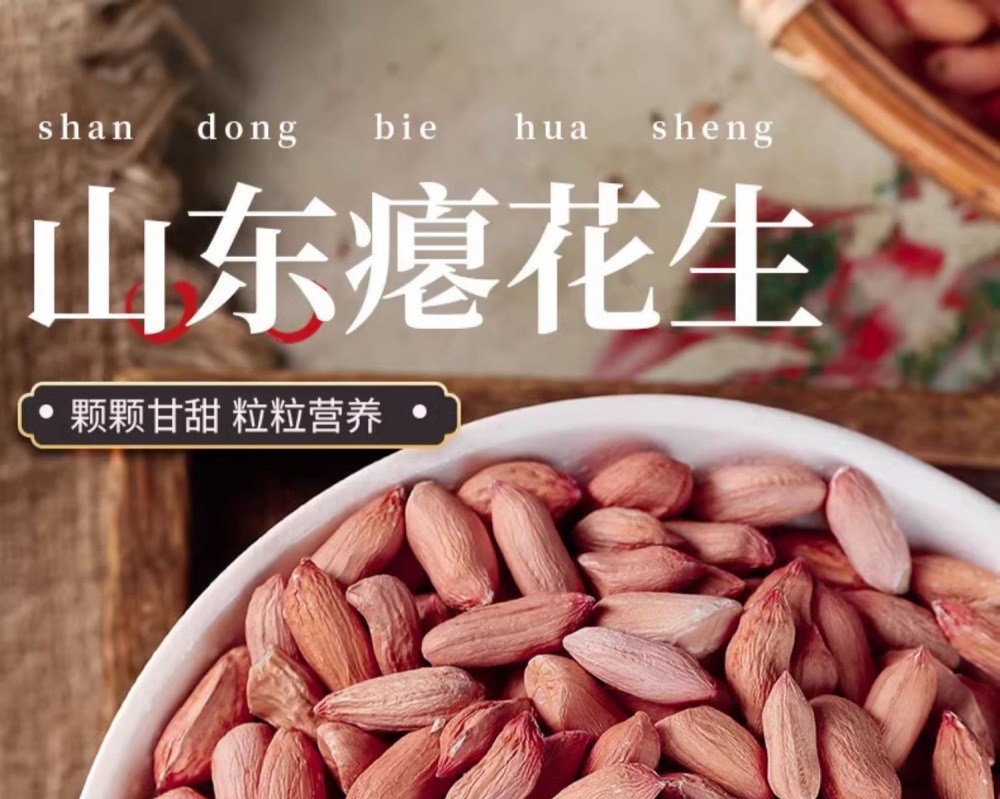
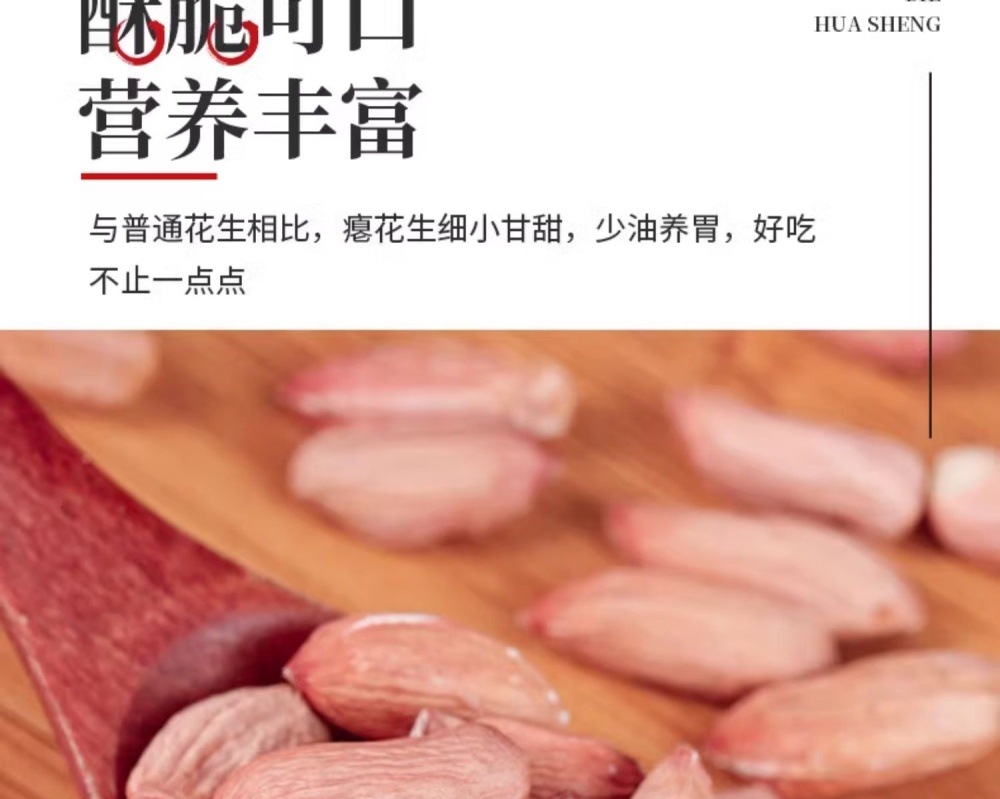
Dried Shrunken Peanut Kernels, known in TCM as Bi Hua Sheng (瘪花生), from Arachis hypogaea, are small red-skinned peanut kernels. In TCM theory, peanuts are traditionally associated with supporting the spleen and stomach and are used in gentle daily foods. These kernels are naturally sun-dried and suitable for soups, congee, or direct consumption. Store in a cool dry place and consume in moderation.

Key Selling Points
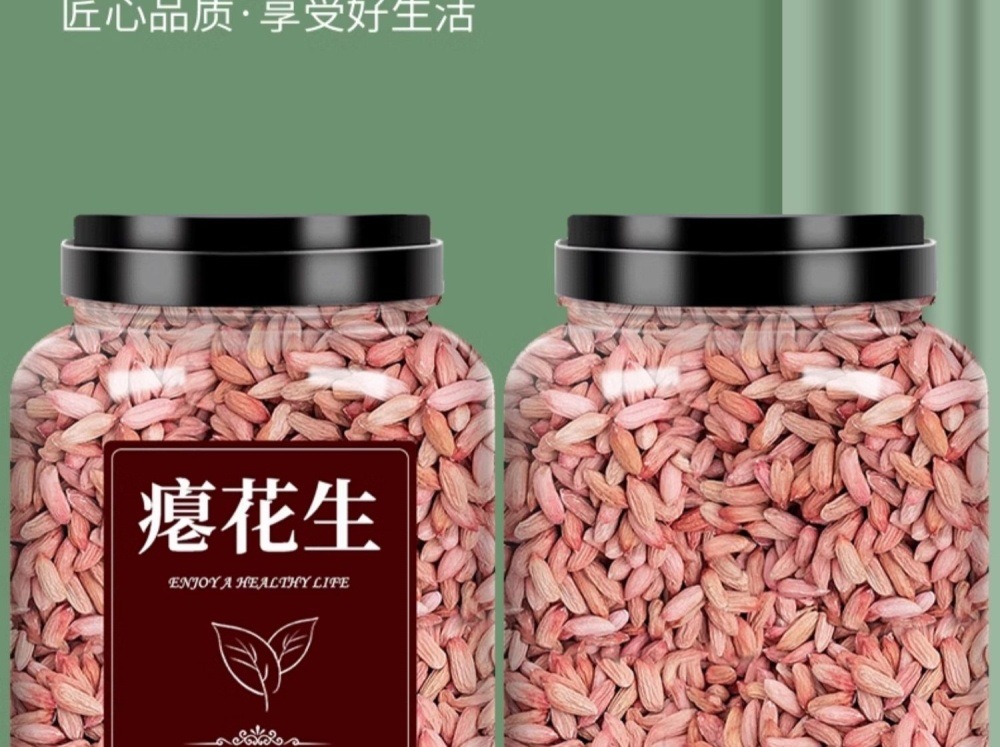
- Small shrunken red-skinned peanut kernels from Shandong
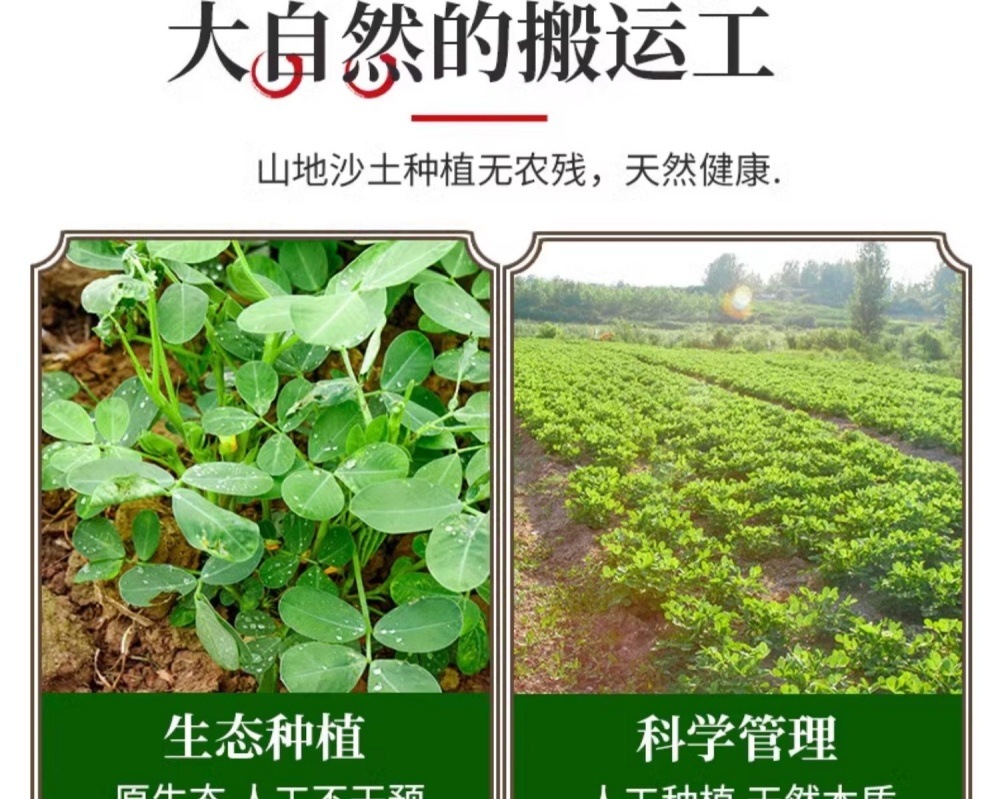
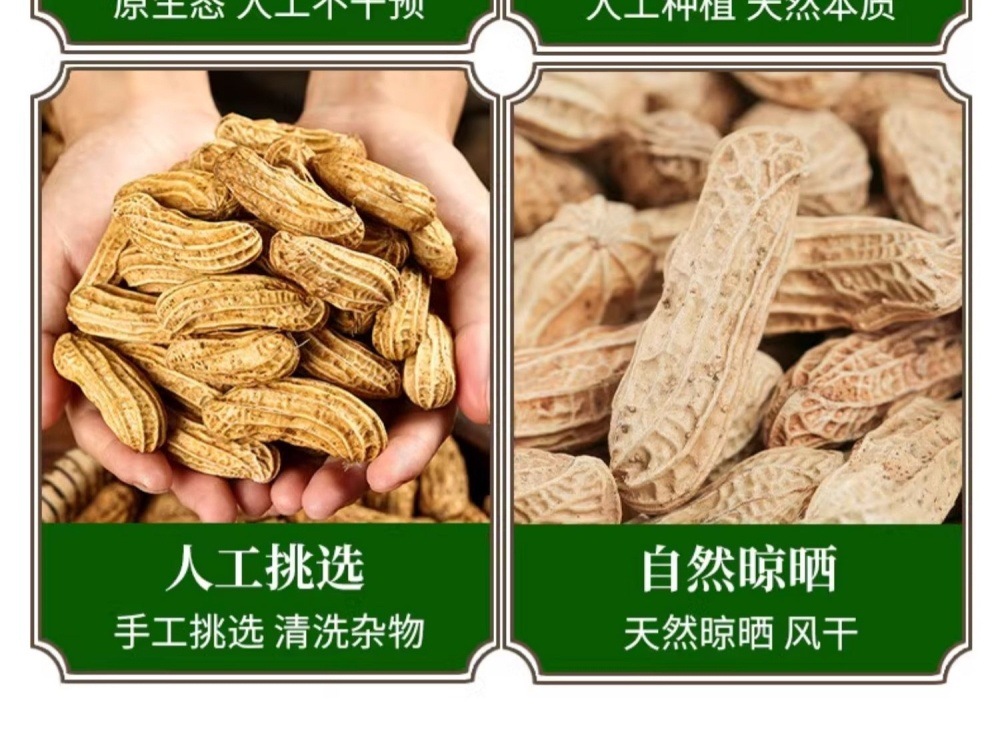
- New 2024 crop, naturally sun-dried and carefully selected
- Traditionally used in TCM for gentle stomach support
- Versatile for soups, congee, and direct snacking
- Resealable packaging for convenient storage


Quality & Sensory
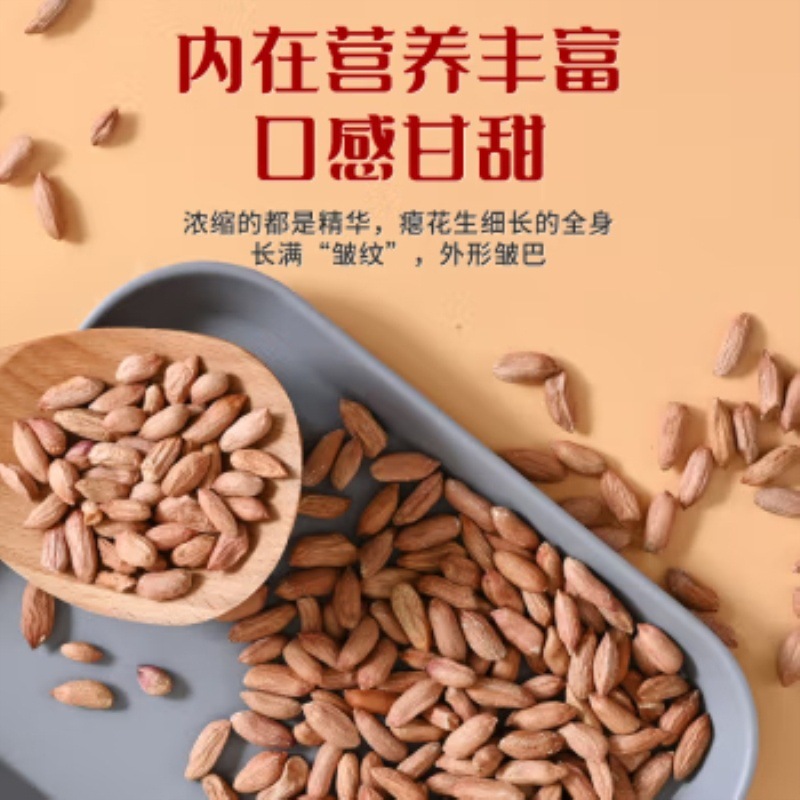
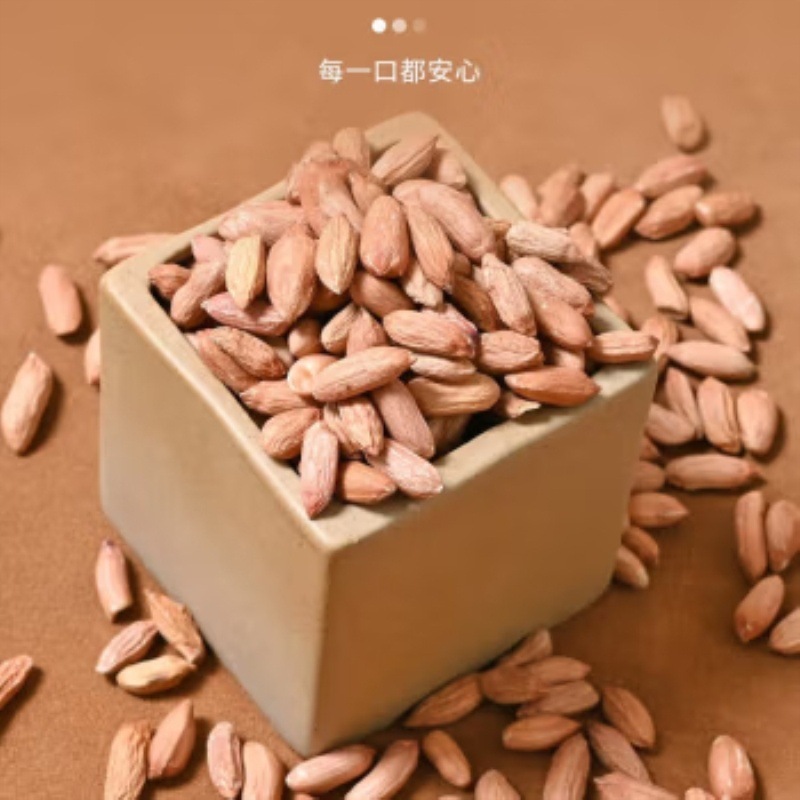
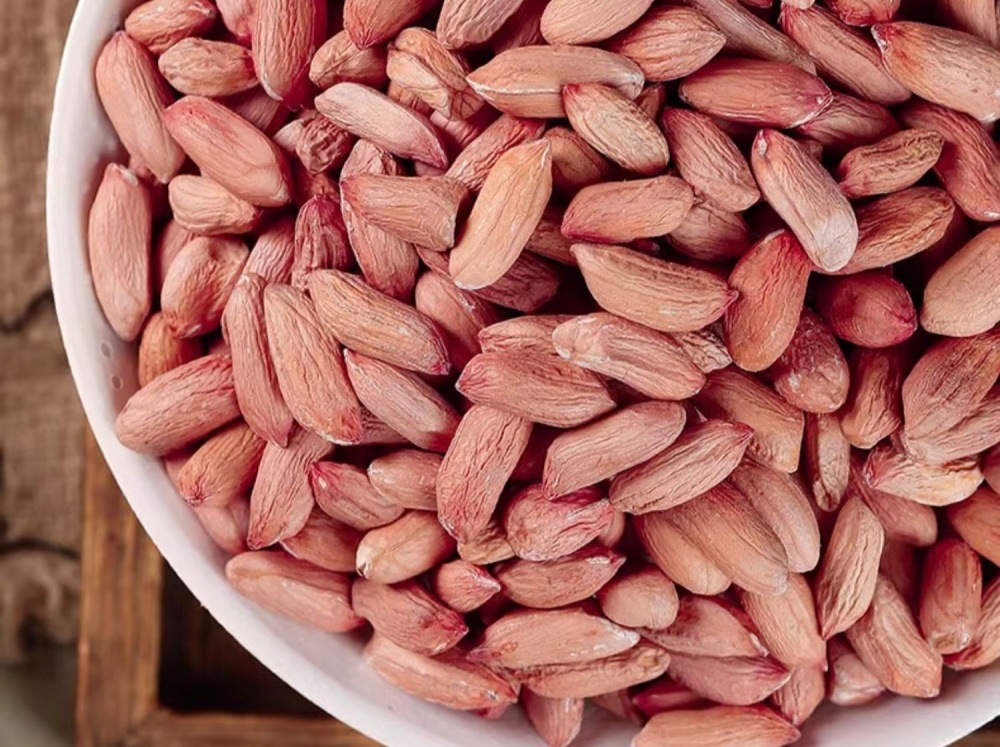
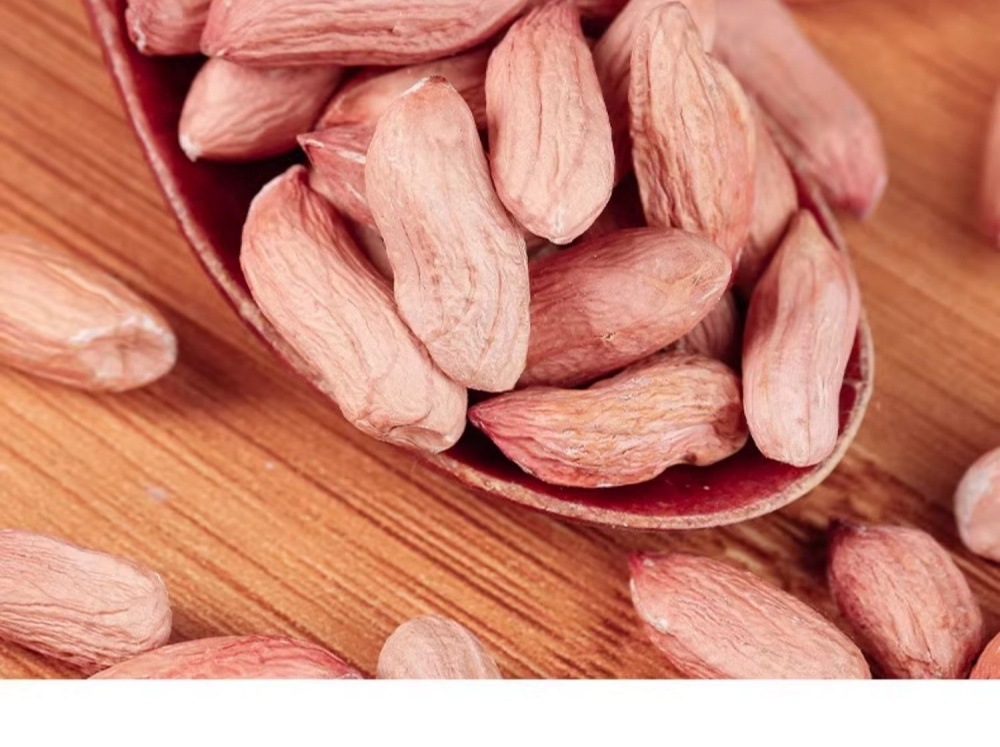
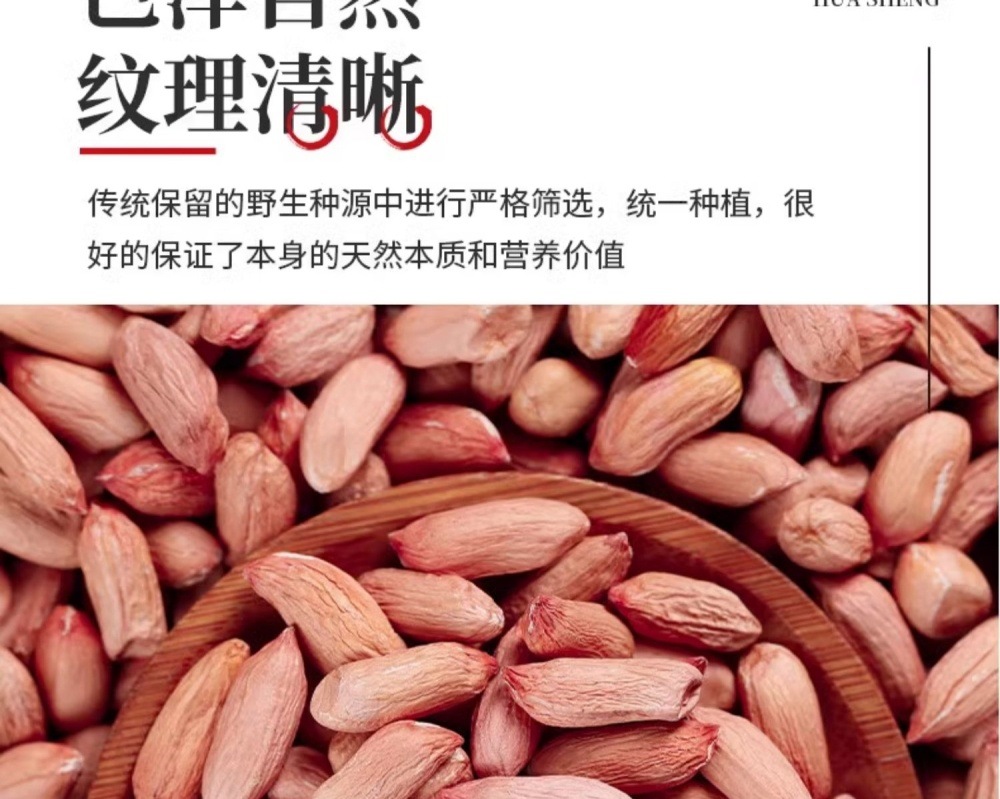
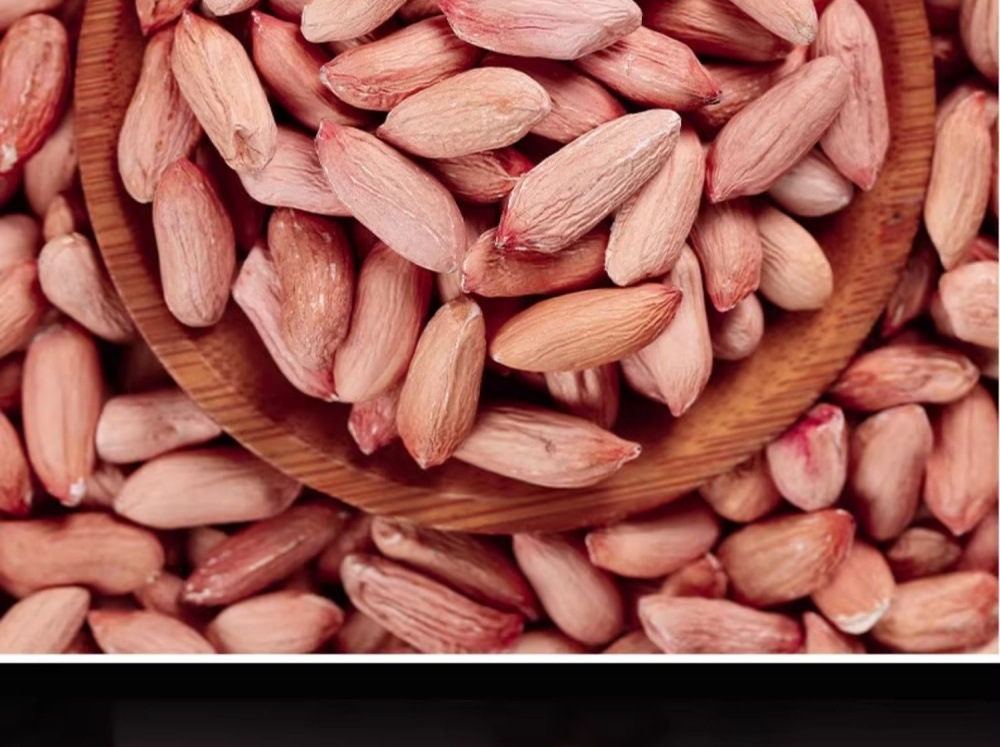
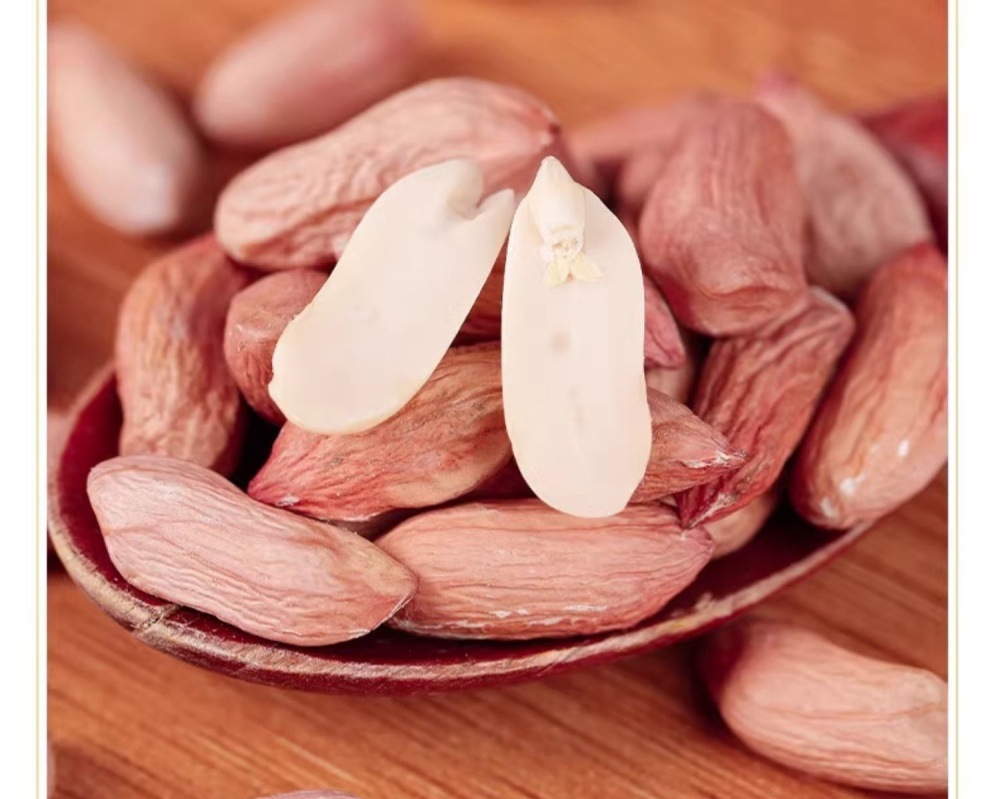
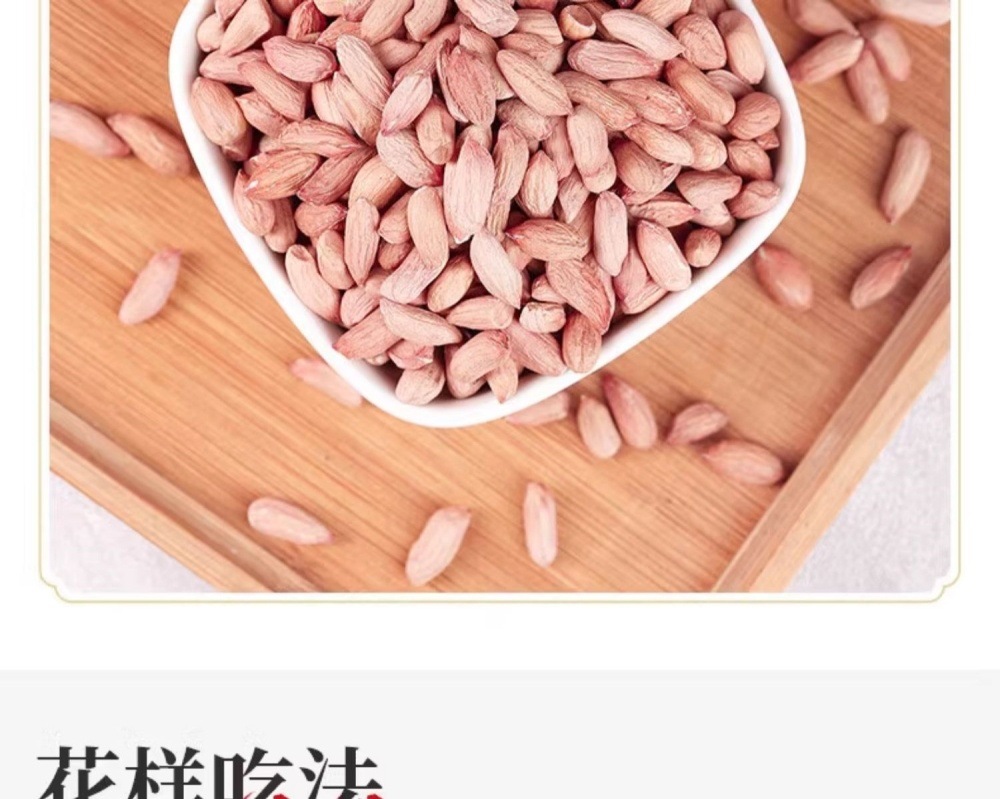
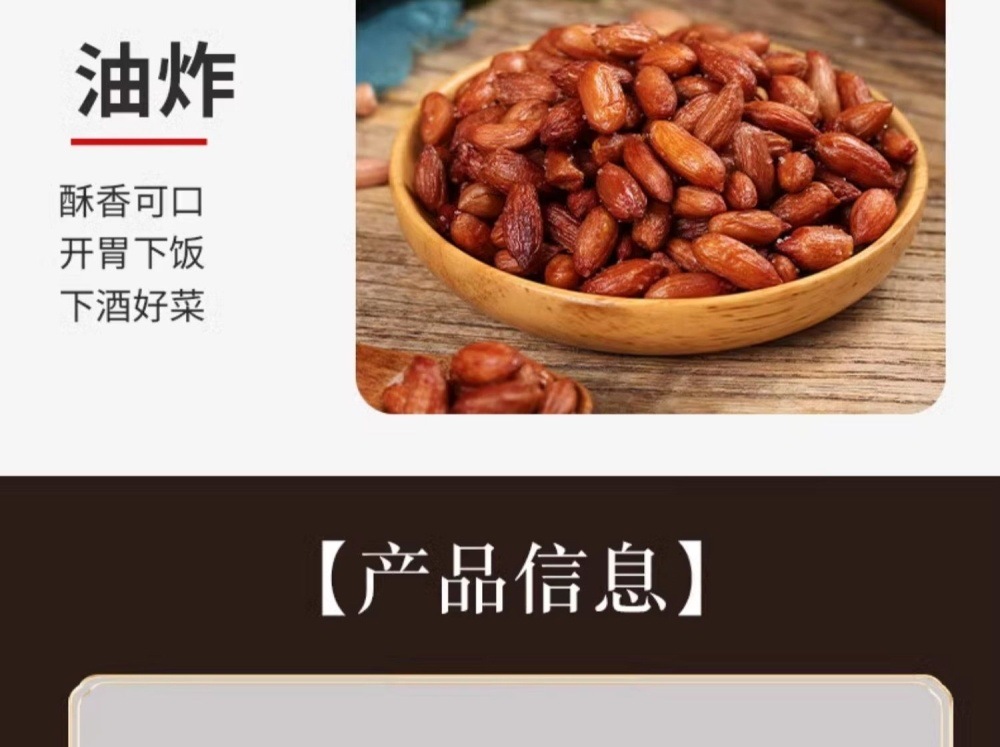
These peanut kernels are typically small, wrinkled, and covered with a reddish-brown skin. They have a firm, dense texture and a mild, nutty aroma. When cooked in soups or congee, they soften and develop a rich, earthy flavor. The red skin may impart a slight astringency.

Technical Specifications
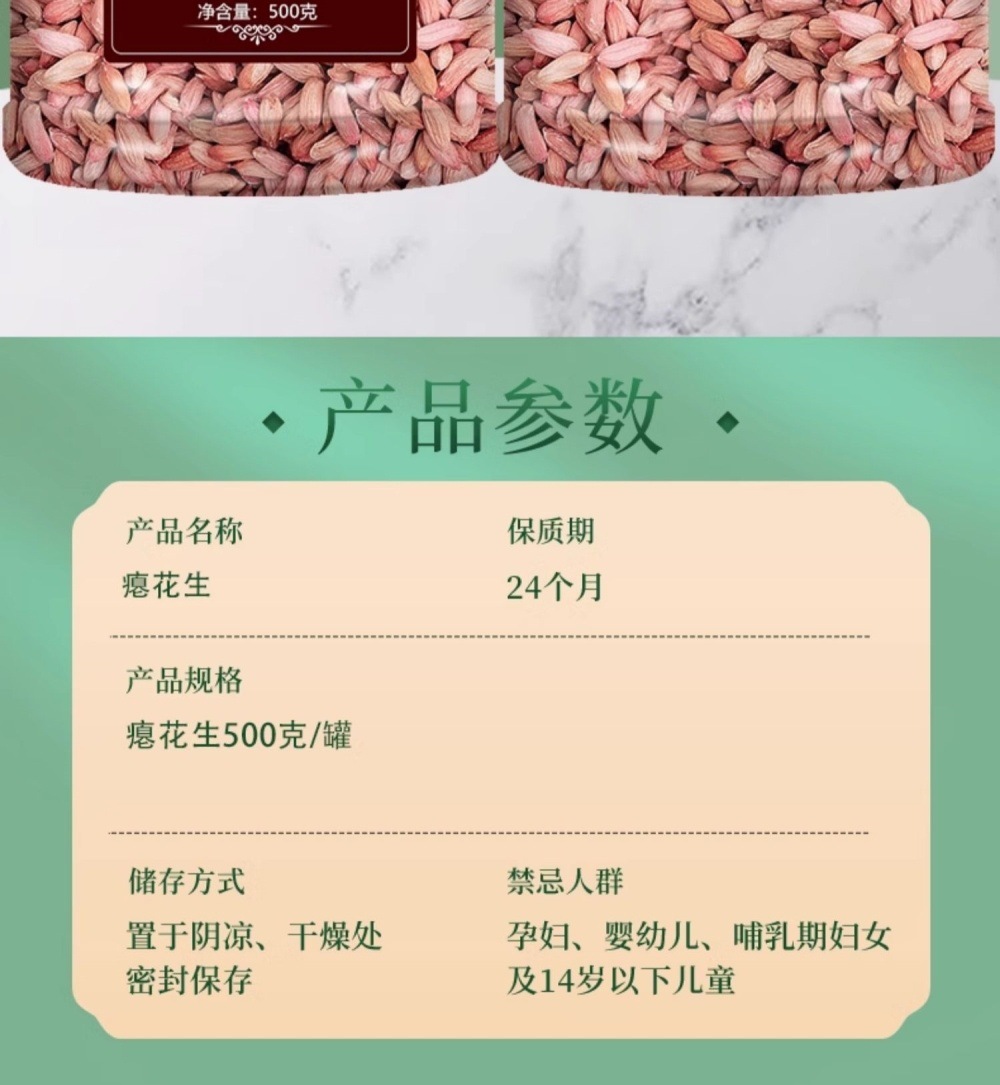
| Product Type | Dried Peanut Kernels |
|---|---|
| Chinese Name | 瘪花生 |
| Pinyin | Bi Hua Sheng |
| Botanical Name | Arachis hypogaea |
| Plant Part | Seed Kernel |
| Net Weight | 500g per can |


Usage Scenarios
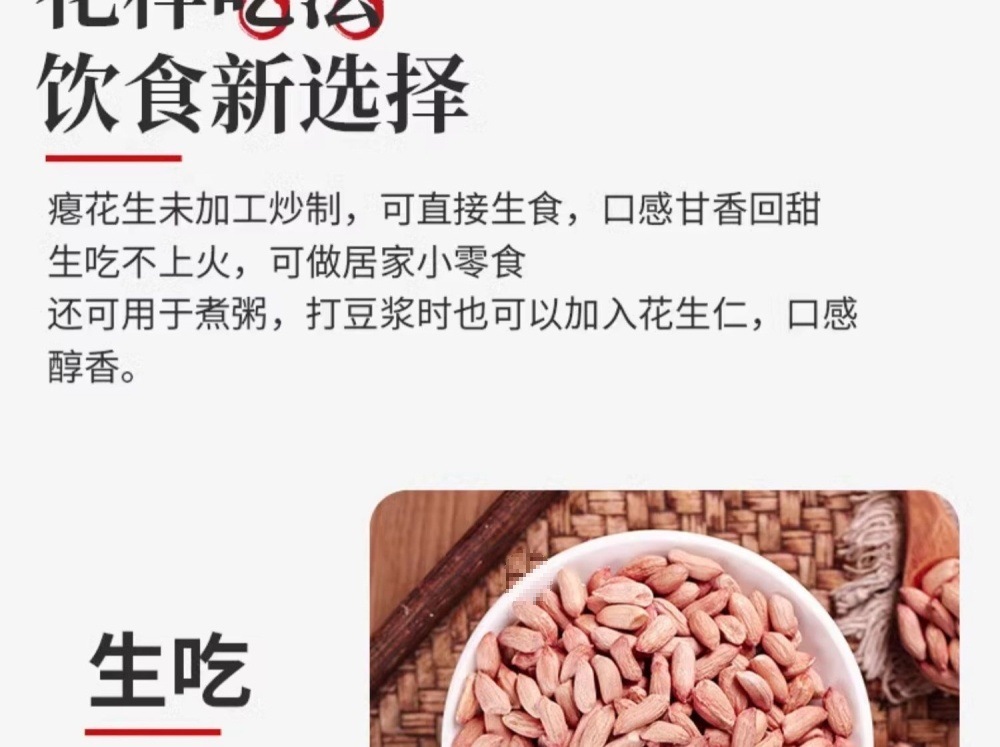
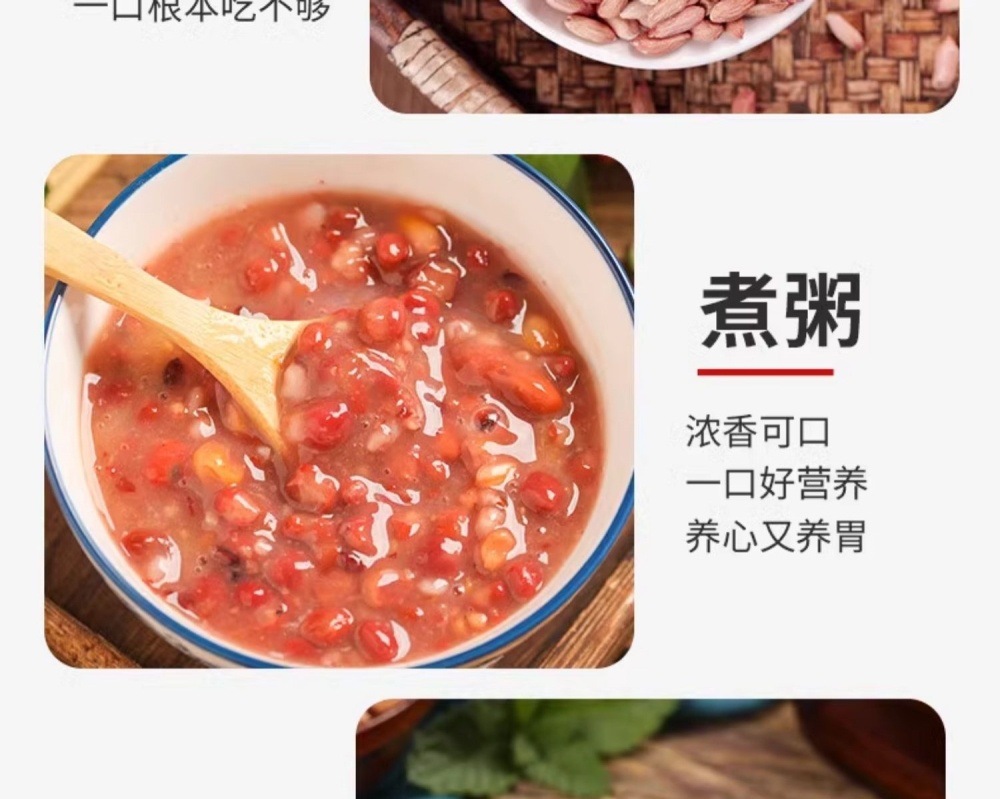
- Add to soups and stews for flavor and texture
- Cook with rice to make peanut congee
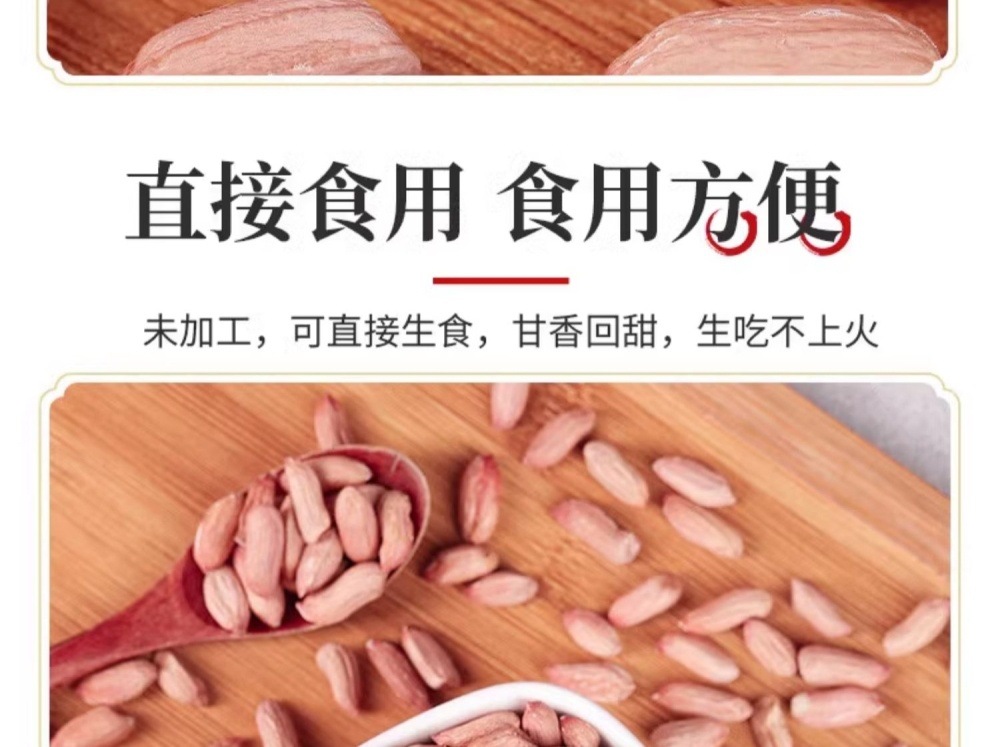
- Snack directly as a nutritious treat
- Incorporate into traditional herbal decoctions


Traditional Uses
In TCM theory, peanuts are considered neutral in nature and sweet in flavor, traditionally associated with the spleen and stomach channels. They are used in folk remedies to support digestion and are often cooked in soups with ingredients like red dates or Chinese yam. Some traditional preparations combine peanuts with herbs to make congee for gentle nourishment.

FAQ Q&A
Q: What are these shrunken peanut kernels?
A: They are small, dried peanut kernels with red skin, from the 2024 harvest in Shandong, China.
Q: What is their traditional value?
A: In TCM theory, peanuts are traditionally used to support the spleen and stomach and are considered a gentle, nourishing food.
Q: How are they commonly prepared?
A: They can be added to soups, congee, or eaten directly. They are also used in traditional herbal decoctions.
Additional information
| Weight | N/A |
|---|---|
| Dimensions | N/A |
| Model | 当季新货 1罐 瘪花生 500g, 粒粒精选 2罐 瘪花生 500g 2, 少油少脂 3罐 瘪花生 500g 3, 甘甜养胃 4罐 瘪花生 500g 4, 优惠精选 5罐 瘪花生 500g 5, 商用批发 10罐 瘪花生 500g 10 |
Related products
-
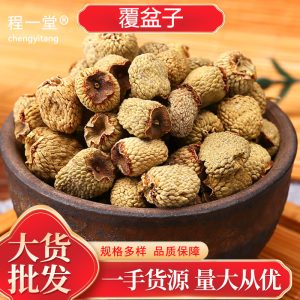
Dried Raspberry Fruit Fu Pen Zi Whole Berries for Herbal Tea and Wine Infusion 500g
Price range: $15.63 through $18.06 -
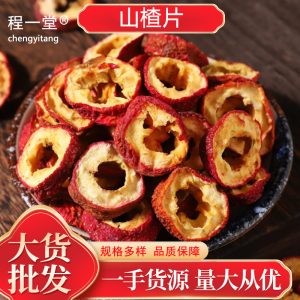
Dried Hawthorn Slices Shan Zha 500g Seedless Hollow Rings Freeze Dried Hawthorn for Tea and Culinary Use
Price range: $4.44 through $7.04 -

Yi Zhi Ren Dried Alpinia Oxyphylla Fruit 500g Traditional Herbal Tea and Decoction Ingredient
Price range: $11.74 through $13.36 -
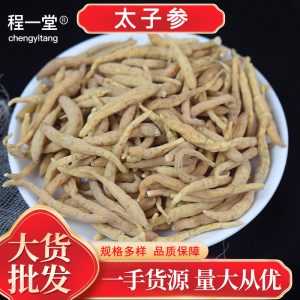
Taizishen Dried Pseudostellaria Root TCM Herbal Tea and Soup Ingredient 500g Bulk Pack
Price range: $10.28 through $15.63
Reviews
There are no reviews yet.