
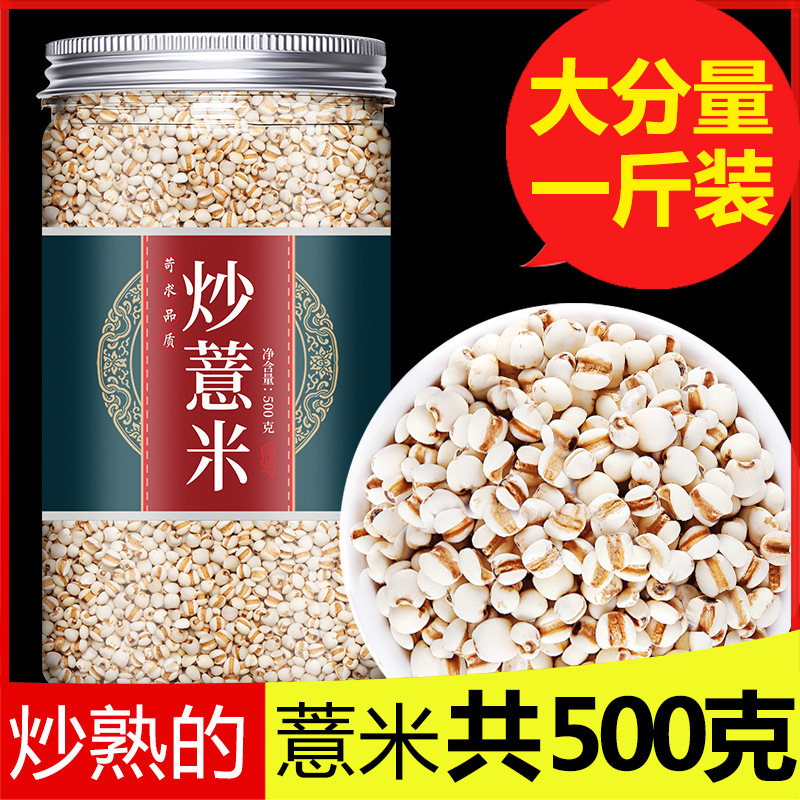
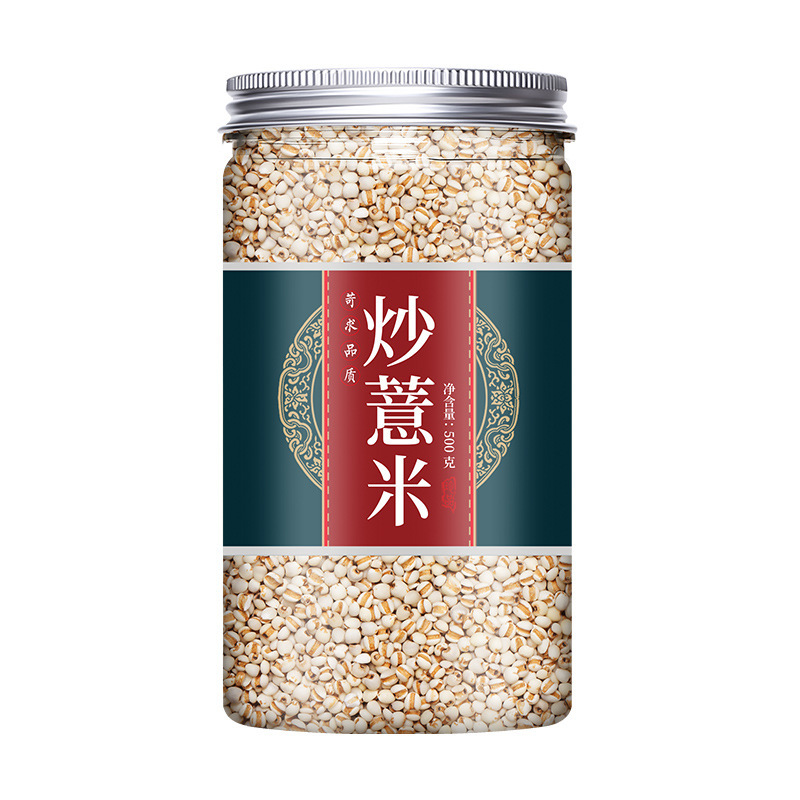
Roasted Coix Seed Yi Mi Ren 500g Dry-Fried Job’s Tears for Herbal Tea and Soup
$7.09
2182 in stock
Description
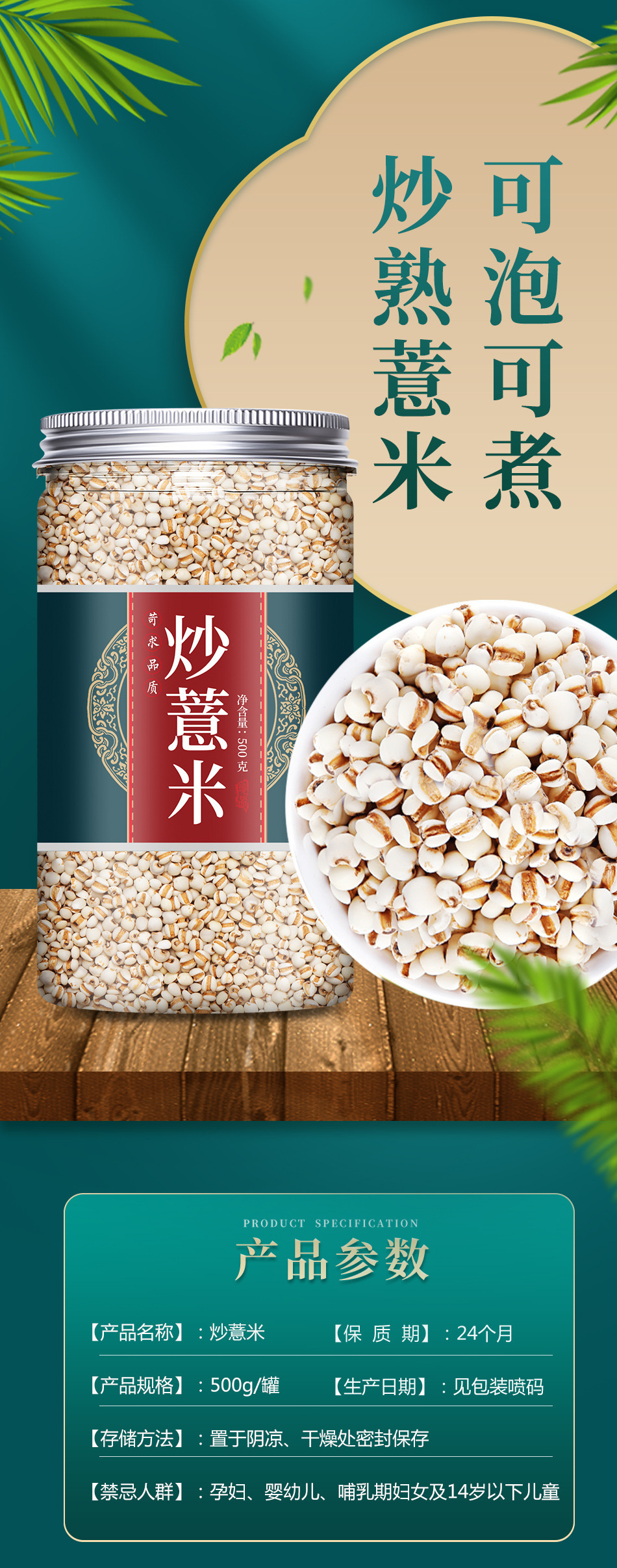
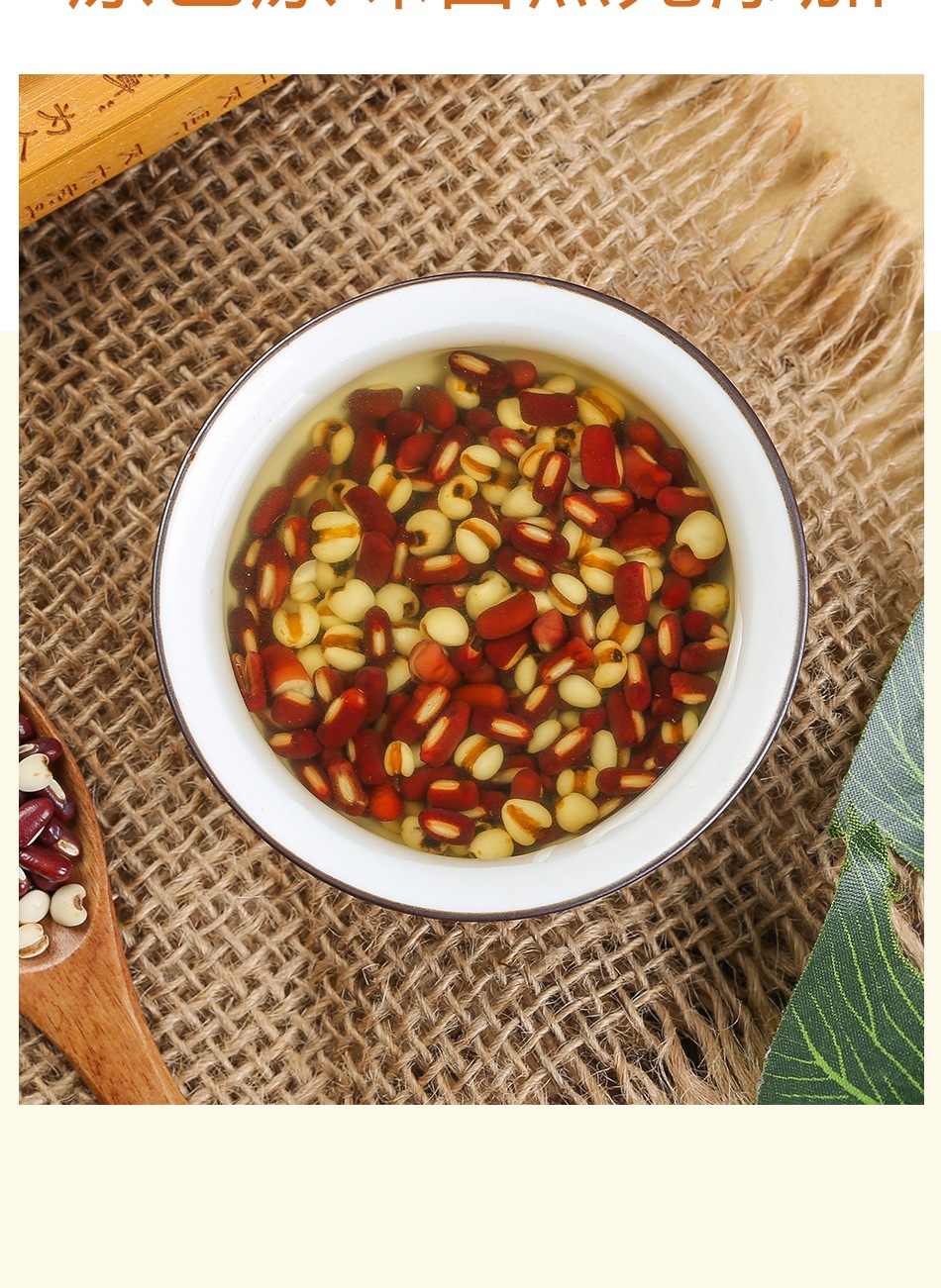
Roasted Coix Seed, known in TCM as Yi Mi Ren (薏米仁), from Coix lacryma-jobi. This dry-fried grain is traditionally used in Chinese herbal wellness for its gentle drying and draining properties. In TCM theory it is considered sweet and bland, slightly cool, entering the Spleen, Stomach, and Lung channels. Commonly brewed as a daily tea or added to soups and congee.
Key Selling Points
- Identified as Coix lacryma-jobi, the classic Job's Tears grain
- Dry-roasted to a warm, nutty character for easy brewing
- Traditional TCM herb associated with Spleen and Stomach support
- 500g resealable pack for daily tea, soup, or congee use
- Naturally caffeine-free grain suitable for everyday routines
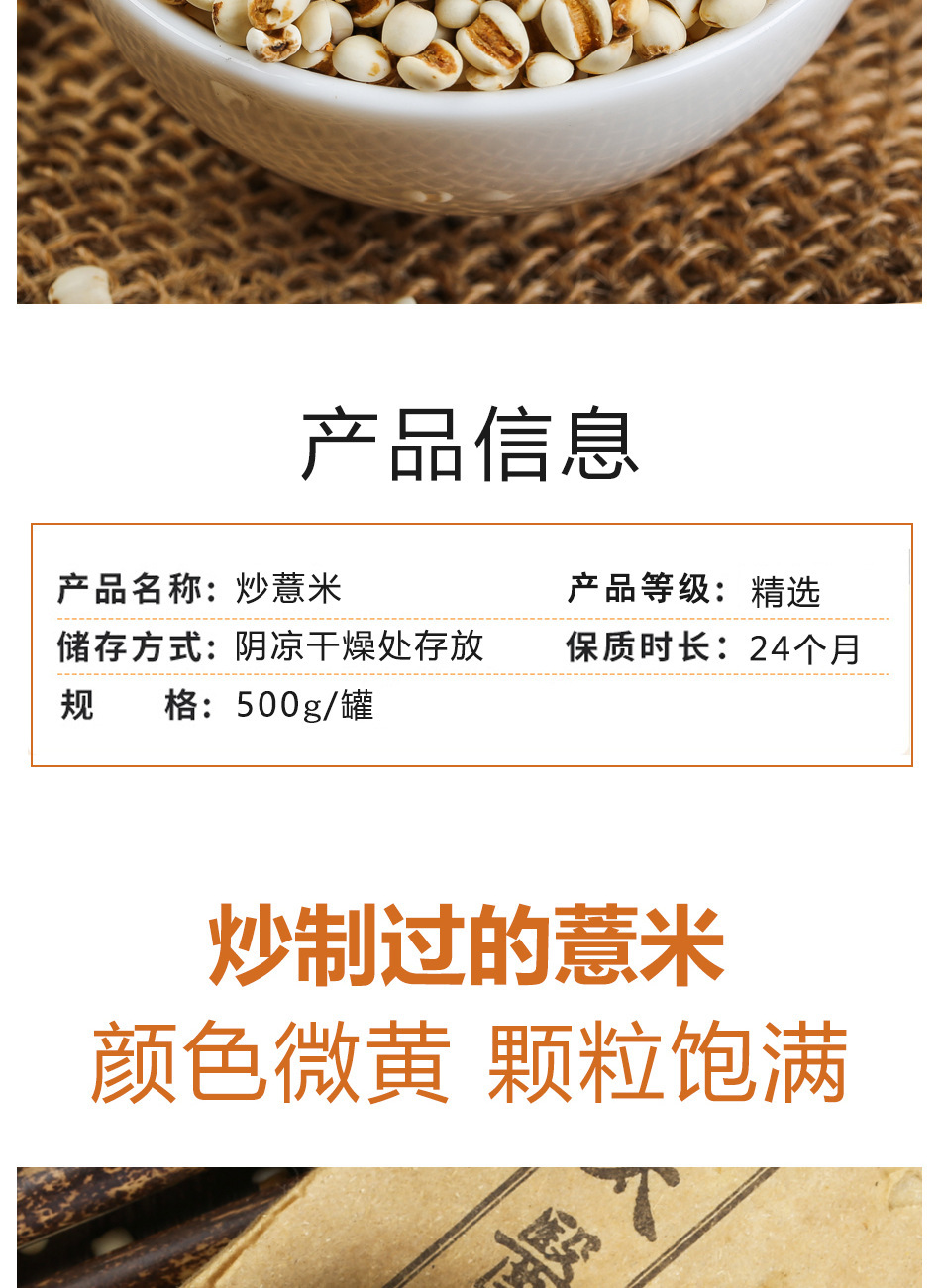
Quality & Sensory
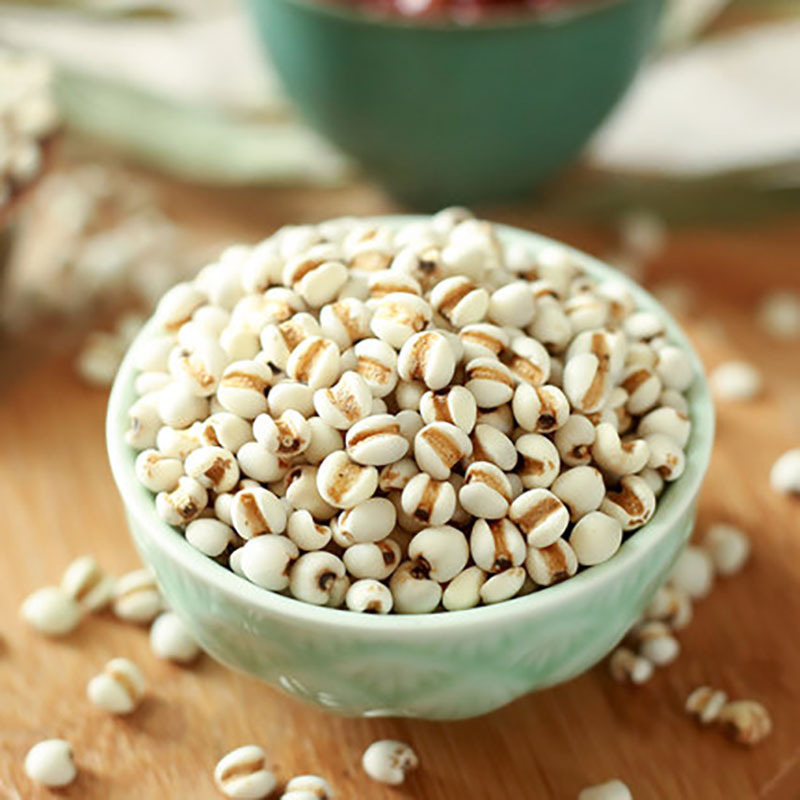
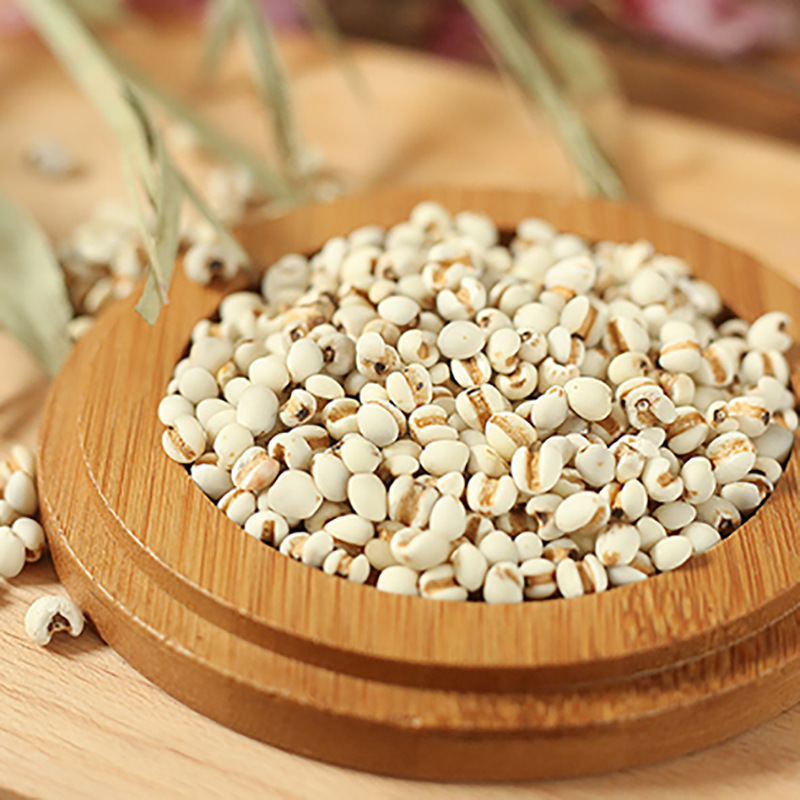
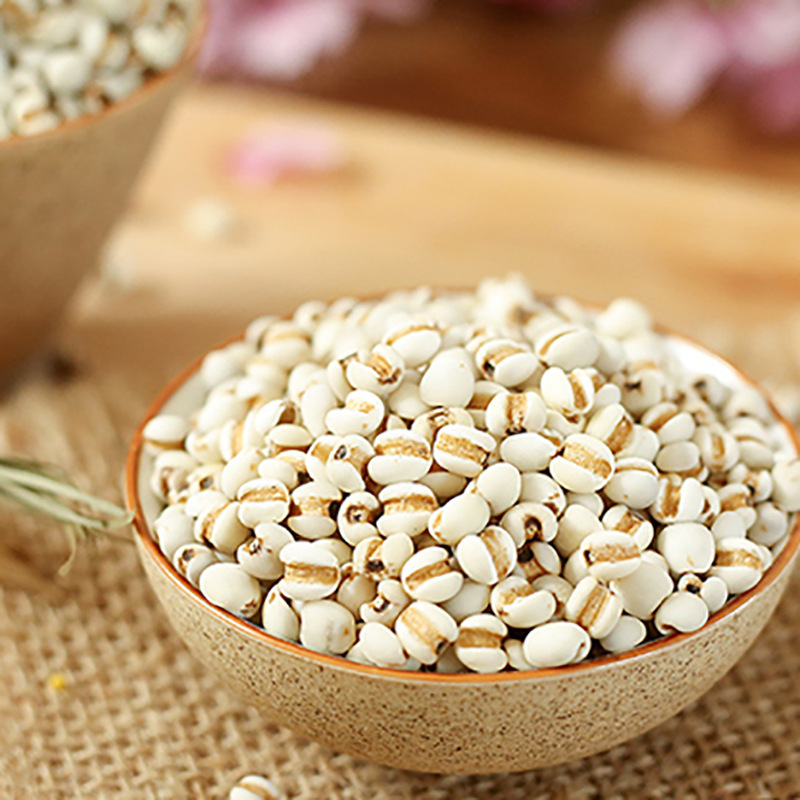
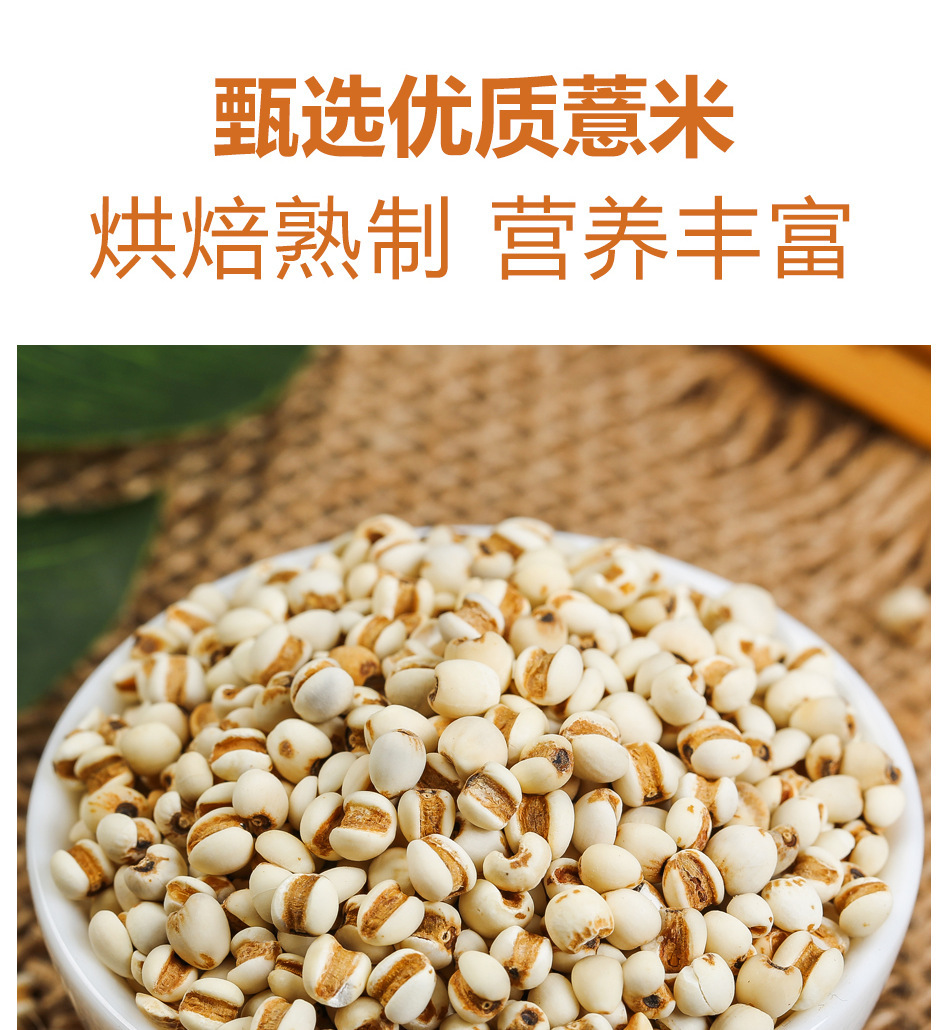
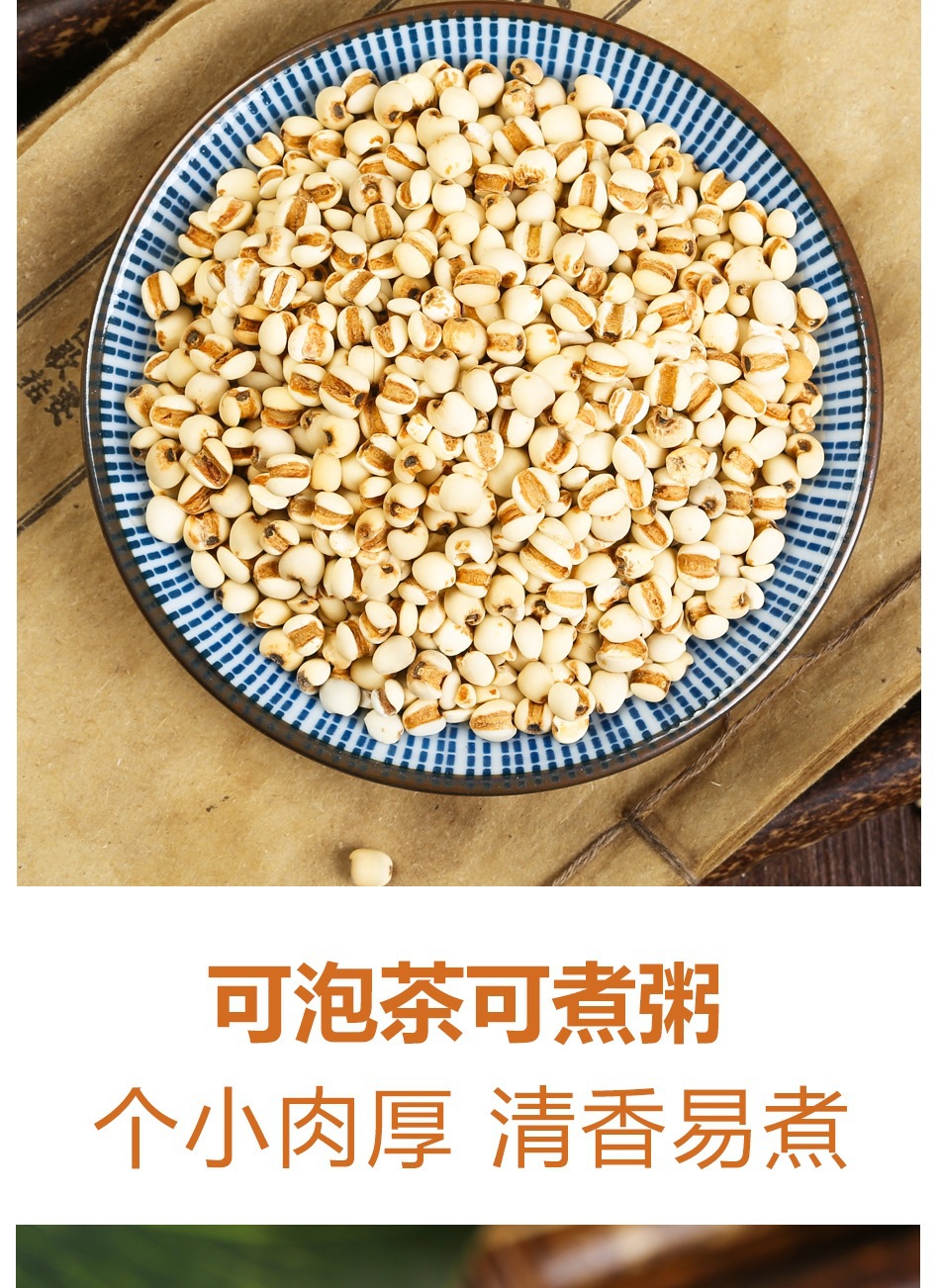
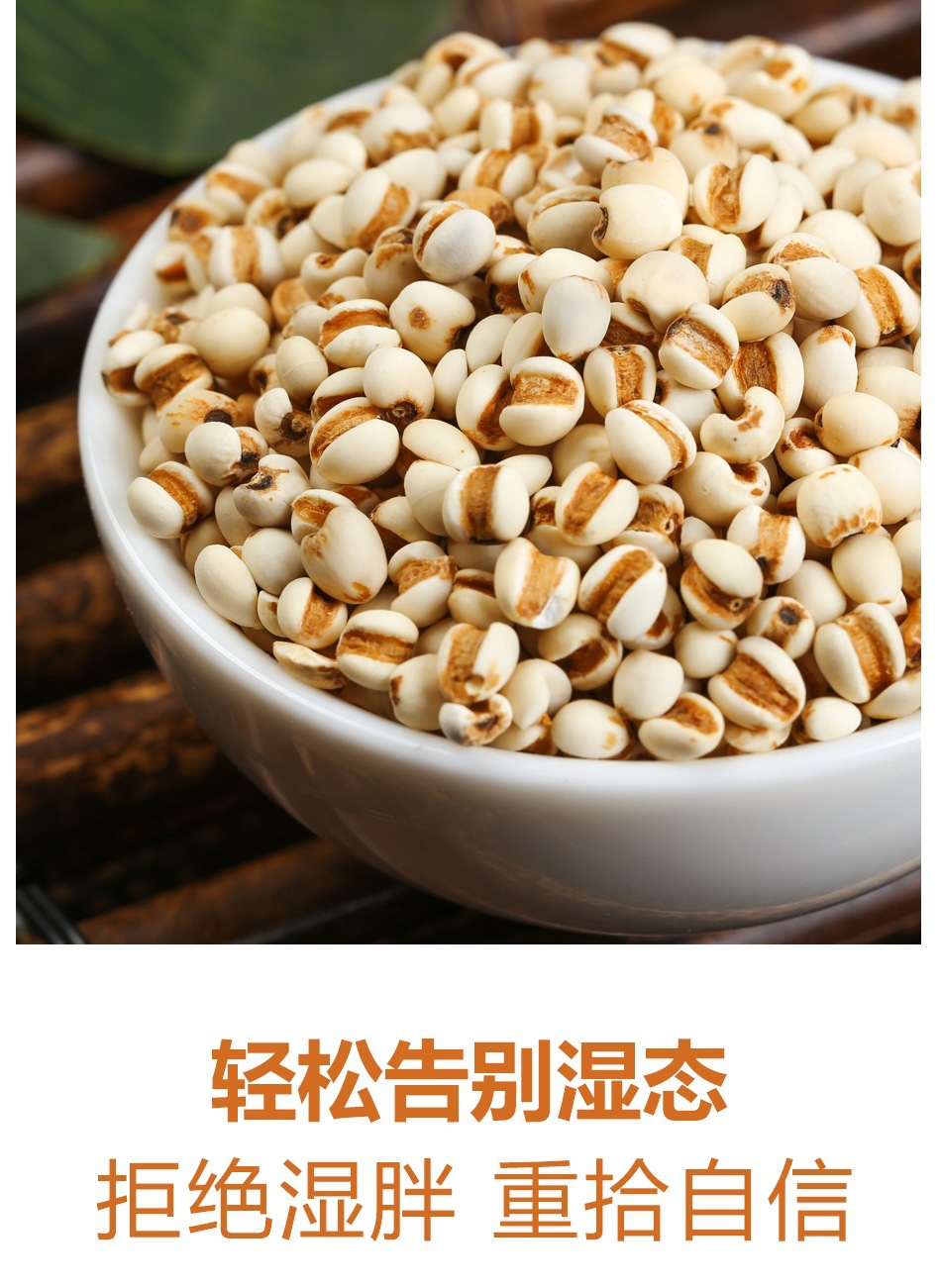
The roasted grains are typically pale golden to light tan with a dry, firm texture and a warm toasted aroma. When brewed or simmered, the liquid is light and slightly cloudy with a mild nutty, gently sweet taste and a soft chewy grain.
Technical Specifications
| Product Type | Roasted Coix Seed |
|---|---|
| Chinese Name | 薏米仁 |
| Pinyin | Yi Mi Ren |
| Botanical Name | Coix lacryma-jobi |
| Plant Part | Seed |
| Form | Dry-roasted whole grains |
Usage Scenarios
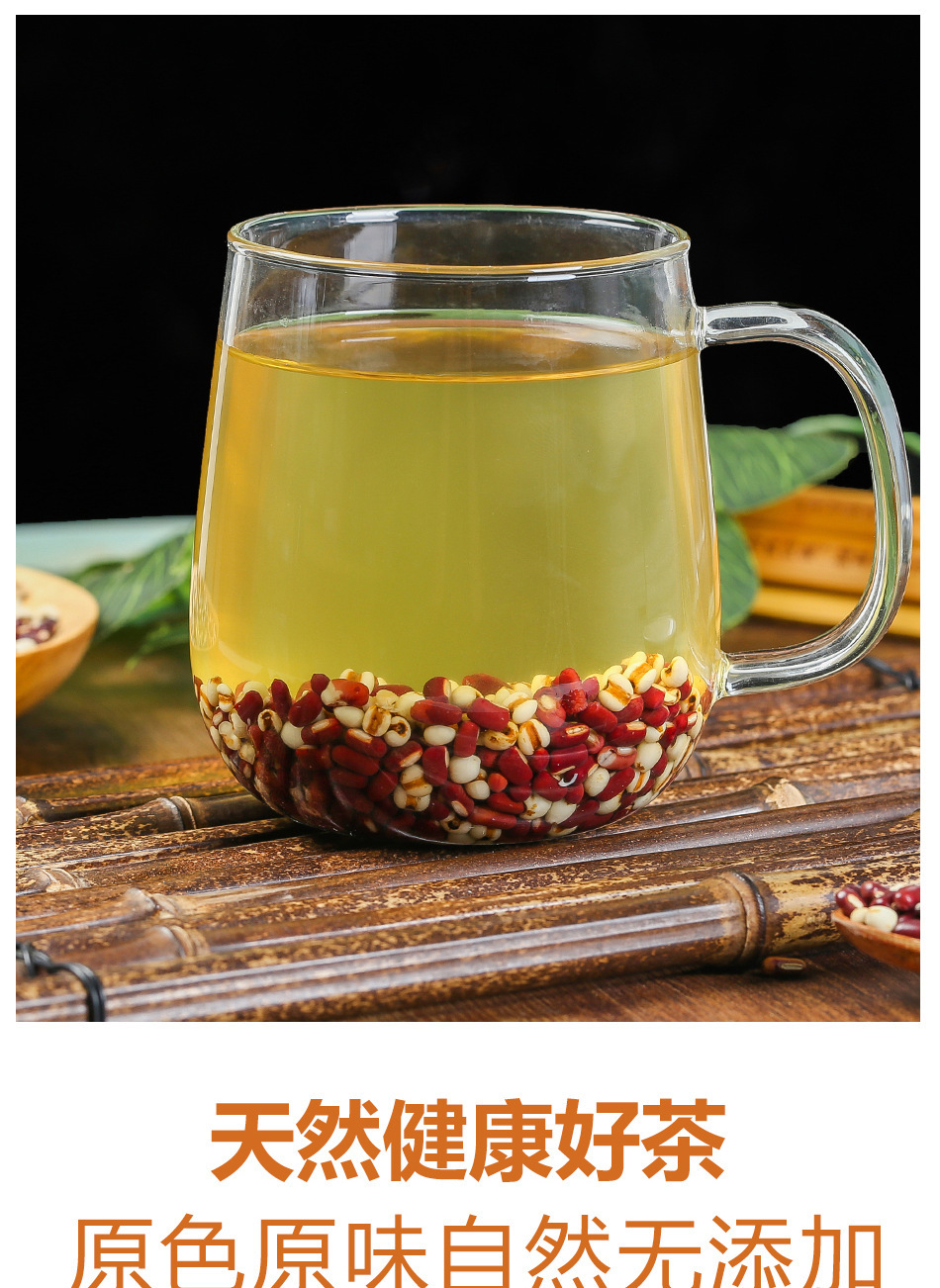
- Brewed as a daily herbal tea
- Simmered in soups and broths
- Cooked into congee or rice porridge
- Added to seasonal grain dishes
Traditional Uses
In TCM theory, Yi Mi Ren is traditionally used to support the Spleen and drain dampness. It is commonly simmered alone as a tea or combined with red beans, lotus seeds, or Chinese yam in soups and congee. Folk practice often uses roasted Coix seed in daily meals during humid seasons.
FAQ Q&A
Q: What is this product?
A: It is dry-roasted Coix lacryma-jobi seed, known in TCM as Yi Mi Ren (薏米仁), sold as a 500g pack of whole grains.
Q: What is its traditional value?
A: In TCM theory it is considered sweet and bland, slightly cool, and traditionally associated with supporting the Spleen and draining dampness.
Q: How is it commonly prepared?
A: It is typically brewed as a tea or simmered in soups and congee. Some households soak it briefly before cooking to soften the grain.
Additional information
| Weight | 0.55 kg |
|---|---|
| Dimensions | 20 × 15 × 6 cm |
Related products
-
Dried Angelica Sinensis Slices Dang Gui 当归 500g Gansu Raw Herb for Decoction Soup and Tea
Price range: $16.44 through $35.88 -
Taizishen Dried Pseudostellaria Root TCM Herbal Tea and Soup Ingredient 500g Bulk Pack
Price range: $10.28 through $15.63 -

Dried Huang Jing Slices Polygonatum Rhizome Chicken Head Huang Jing 500g Bulk Herbal Tea and Soup Ingredient
Price range: $9.14 through $18.87 -
Xinhui Chenpi Dried Tangerine Peel 500g Sun Dried Aged Peel for Soup and Tea
Price range: $60.19 through $116.90
Reviews
There are no reviews yet.