
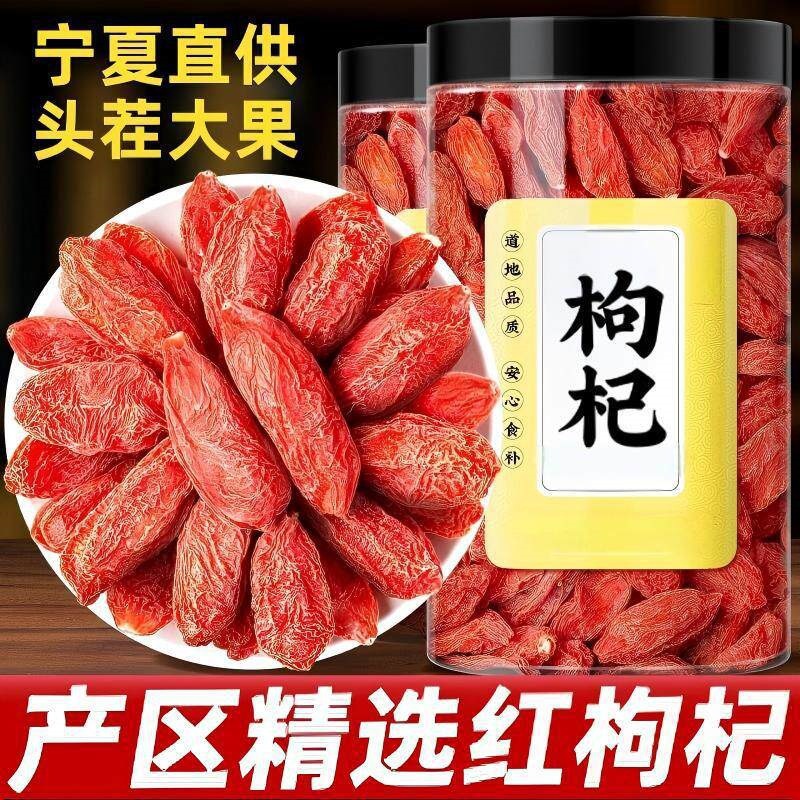
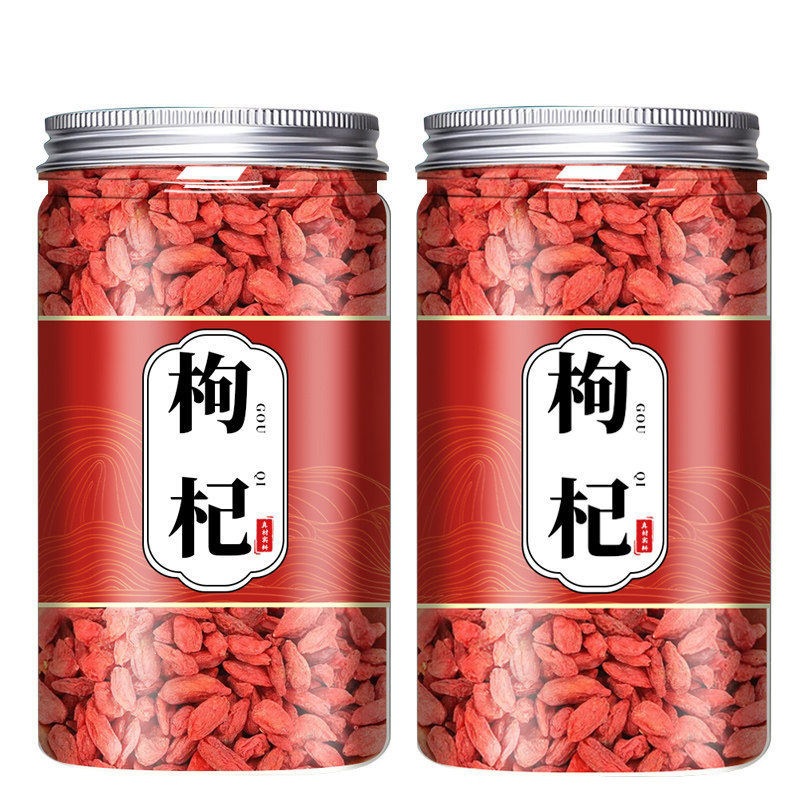
Dried Goji Berries Ningxia Large Grade 500g Gou Qi Zi for Tea and Soup
Price range: $5.53 through $11.01
Description
Dried Goji Berries, known in TCM as Gou Qi Zi (枸杞子), from Lycium barbarum. These large-grade Ningxia goji berries are a classic Chinese herbal fruit used in traditional wellness practice. In TCM theory, goji berries are sweet in flavor and slightly warm in nature, traditionally associated with the Liver and Kidney channels. They are commonly enjoyed as a daily herbal tea, added to soups, or eaten as a nourishing snack.
Key Selling Points
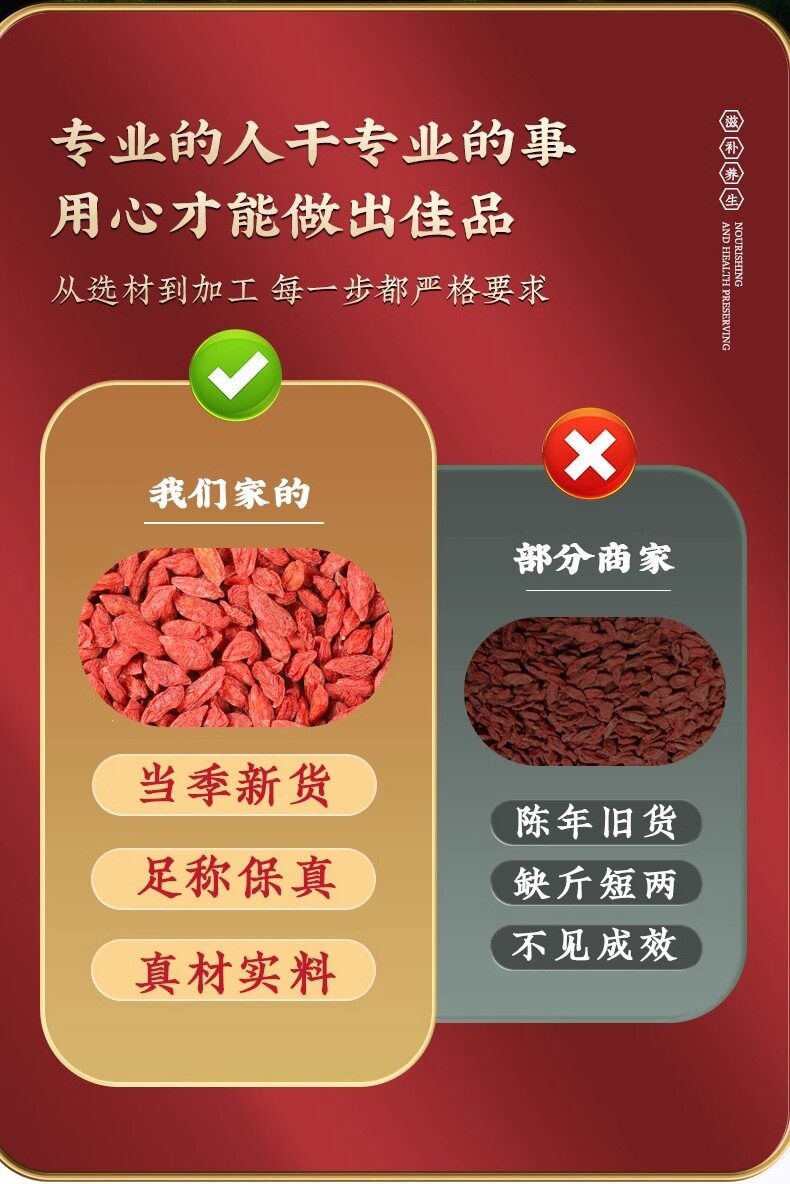
- Large-grade dried goji berries from Ningxia, China
- Known in TCM as Gou Qi Zi (枸杞子), botanical name Lycium barbarum
- Sweet, slightly warm TCM nature associated with Liver and Kidney channels
- Oven-dried whole fruit suitable for tea, soup, and congee
- Convenient 500g pack for regular daily herbal use
Quality & Sensory
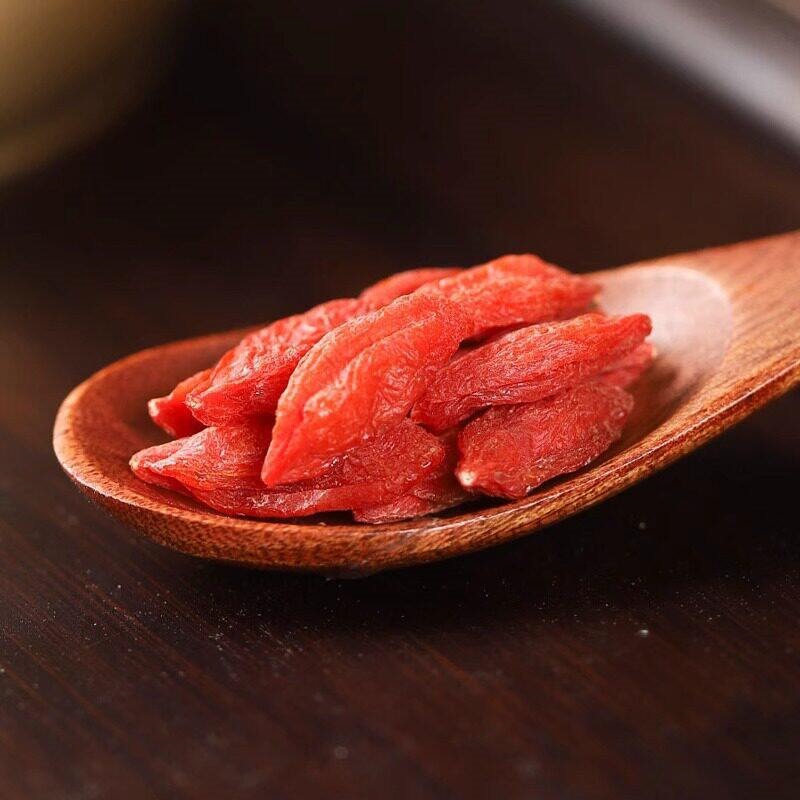
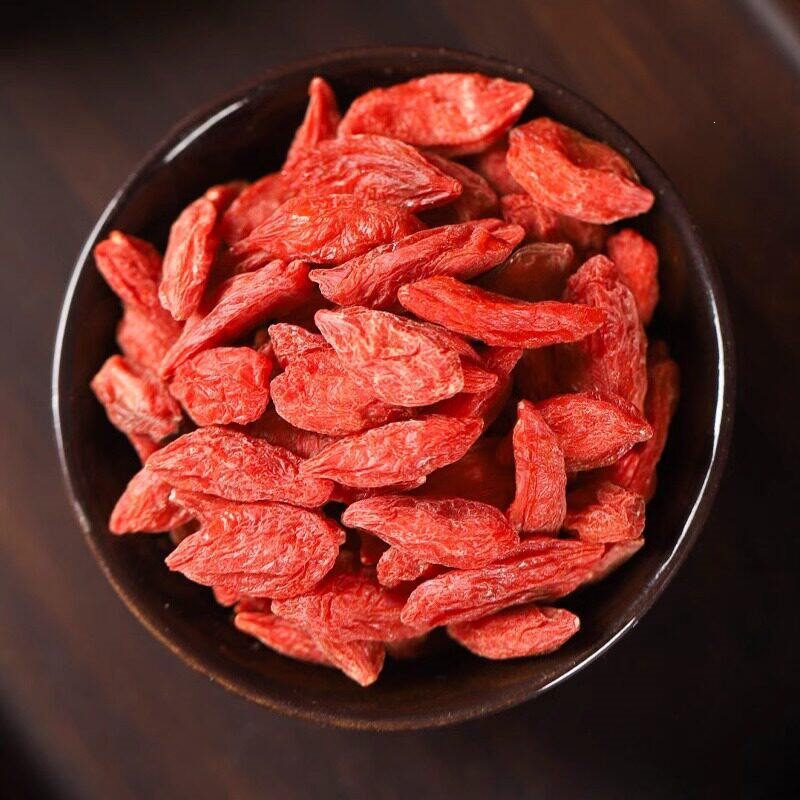
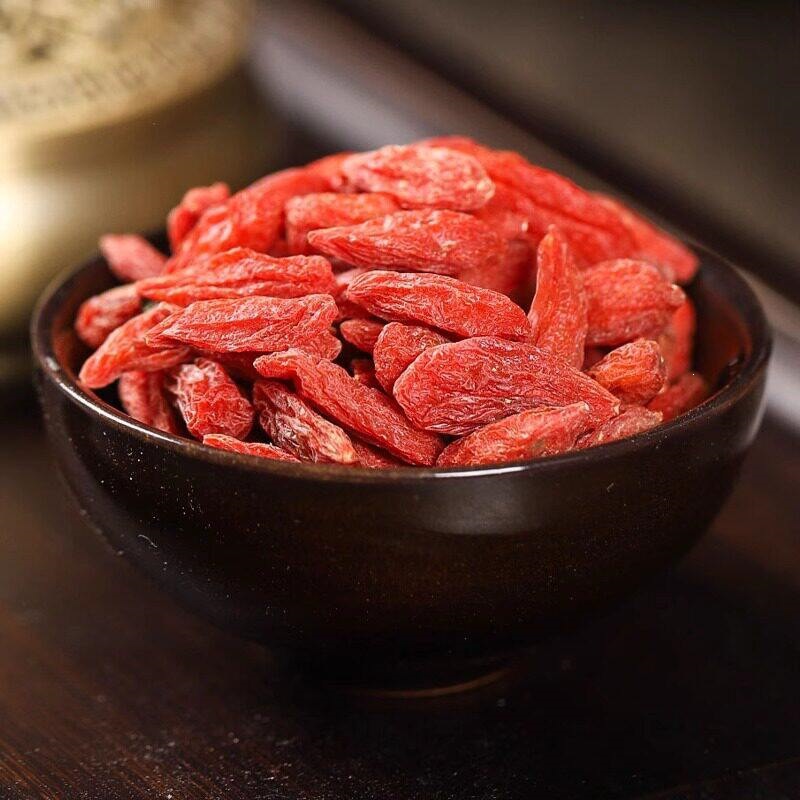
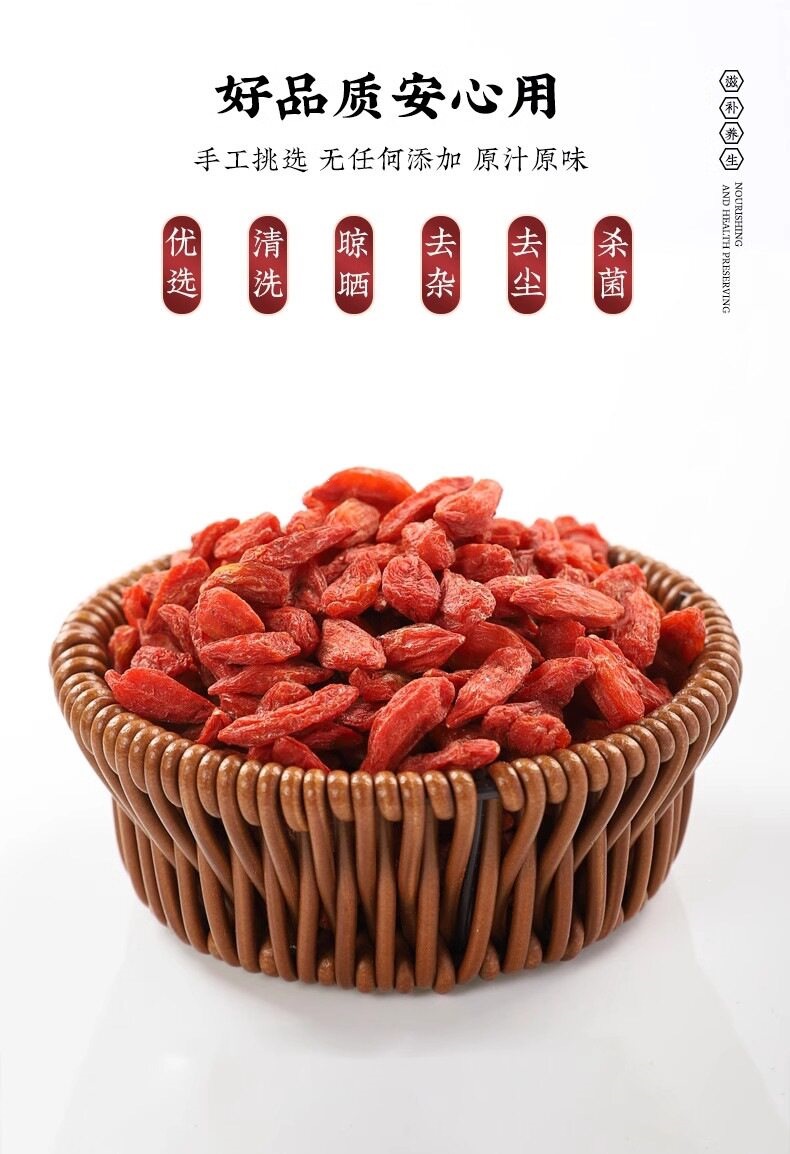
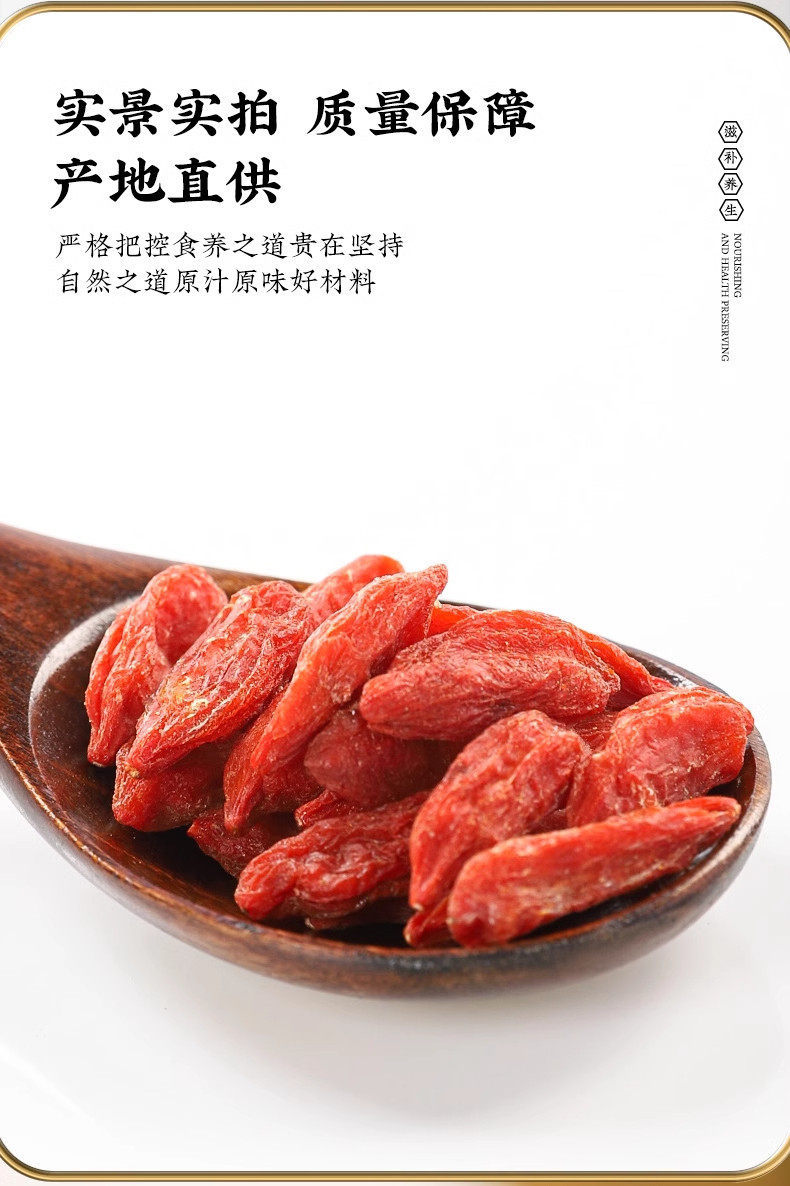
These dried goji berries are typically bright red to deep red in color with a slightly wrinkled, chewy texture. They have a mild, sweet aroma and a naturally sweet, mildly tart taste that softens when brewed or simmered in soups.
Technical Specifications
| Product Type | Dried goji berries |
|---|---|
| Chinese Name | 枸杞子 |
| Pinyin | Gou Qi Zi |
| Botanical Name | Lycium barbarum |
| Plant Part | Fruit |
| Net Weight | 500g |
Usage Scenarios
- Brewed as a daily herbal tea with hot water
- Simmered in soups and broths
- Cooked into congee or rice porridge
- Added to herbal decoctions
- Eaten as a sweet dried fruit snack
Traditional Uses
In TCM tradition, Gou Qi Zi is a well-known nourishing herb often used in daily teas, soups, and congee. It is traditionally paired with chrysanthemum flowers, red dates, or longan in gentle herbal blends. Folk practice commonly simmers the berries in soups or steeps them in hot water for regular wellness support.
FAQ Q&A
Q: What are these dried goji berries?
A: They are dried fruits of Lycium barbarum, known in TCM as Gou Qi Zi (枸杞子), sourced from Ningxia, China.
Q: What is their traditional value in TCM?
A: In TCM theory, goji berries are sweet and slightly warm, traditionally associated with the Liver and Kidney channels and used as a nourishing herb.
Q: How are goji berries commonly used?
A: They are commonly brewed as a tea, simmered in soups, or cooked into congee. They can also be eaten directly as a dried fruit snack.
Additional information
| Weight | N/A |
|---|---|
| Dimensions | N/A |
| Model | 罐装 枣片100g, 罐装 头茬宁夏红枸杞100g, 罐装 头茬宁夏红枸杞250g, 罐装 头茬宁夏红枸杞500g, 体验装 红枸杞30g, 手工甄选新货 老树大果100g, 手工甄选新货 老树大果250g, 手工甄选新货 老树大果500g, 经典组合 黑枸杞100g 红枸杞100g, 经典组合 黑枸杞250g 红枸杞250g, 搭配 枣片250g 红枸杞250g |
Related products
-

Yi Zhi Ren Dried Alpinia Oxyphylla Fruit 500g Traditional Herbal Tea and Decoction Ingredient
Price range: $11.74 through $13.36 -
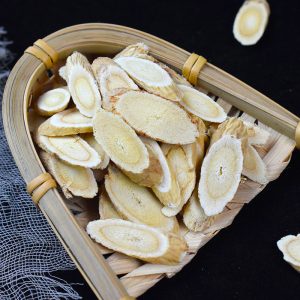
Astragalus Root Slices Huang Qi 500g Dried Herb for Soups and Teas
Price range: $7.36 through $22.11 -
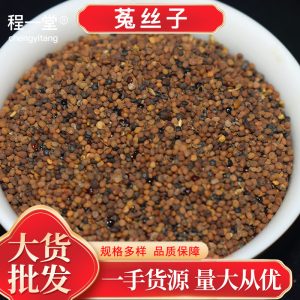
Dried Dodder Seed Tu Si Zi Whole Herb 500g Bulk Chinese Herbal Ingredient
Price range: $7.04 through $7.52 -

Dried Huang Jing Slices Polygonatum Rhizome Chicken Head Huang Jing 500g Bulk Herbal Tea and Soup Ingredient
Price range: $9.14 through $18.87
Reviews
There are no reviews yet.