

Dried Goji Berries Ningxia Wolfberry Gou Qi Zi for Tea Soup and Herbal Wine
Price range: $7.55 through $11.19
Description
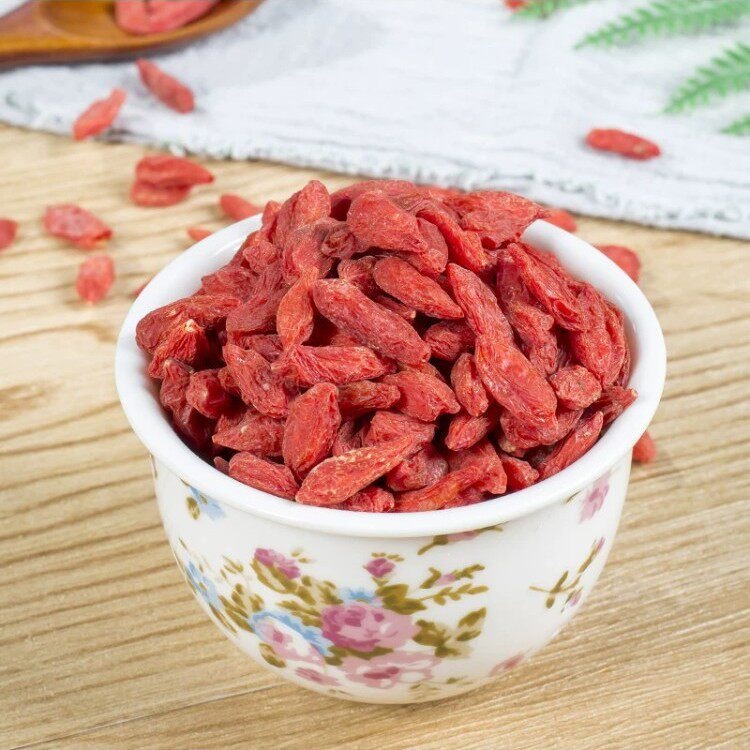
Dried Ningxia Goji Berries, known in TCM as Gou Qi Zi (枸杞子), from Lycium barbarum. These sun-dried wolfberry fruits are a classic Chinese herbal ingredient traditionally used in teas, soups, congee, and herbal wine infusions. In TCM theory, Gou Qi Zi is sweet in flavor and neutral in nature, traditionally associated with the Liver and Kidney channels. Enjoy as a mild, naturally sweet addition to daily food and drink.
Key Selling Points
- Dried whole goji berries from Ningxia, China
- Known in TCM as Gou Qi Zi (枸杞子)
- Sun-dried fruit form with natural sweetness
- Traditionally associated with Liver and Kidney channels
- Versatile for tea, soup, congee, and herbal wine

Quality & Sensory
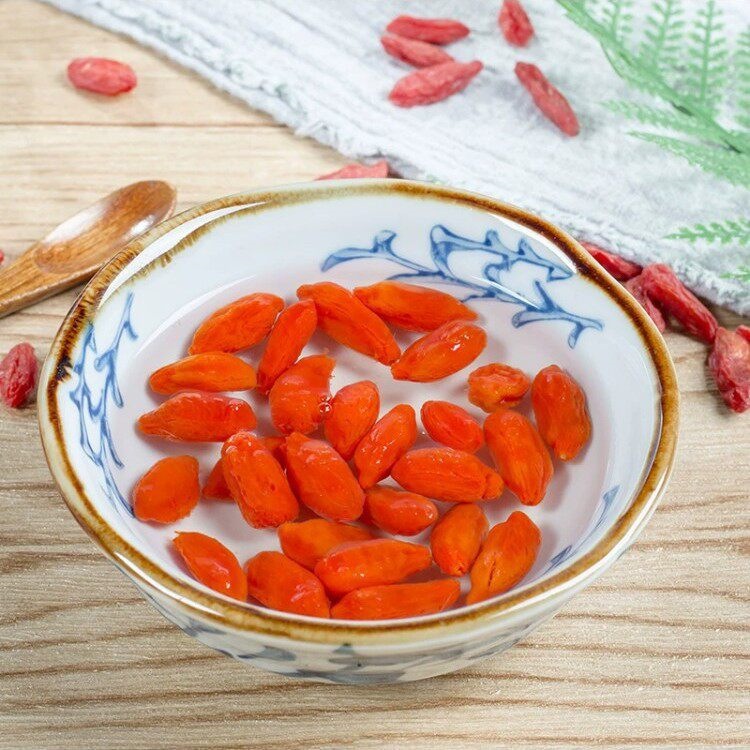
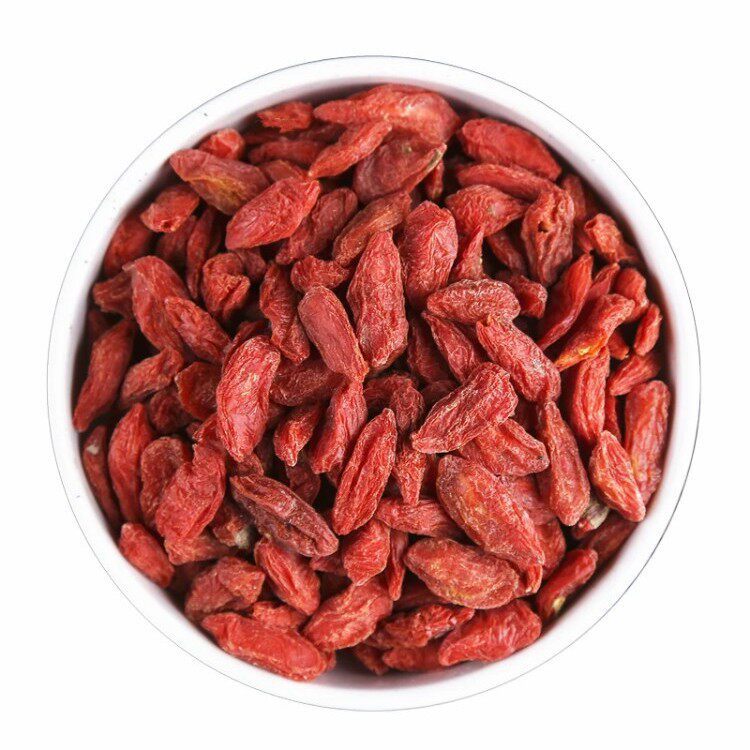
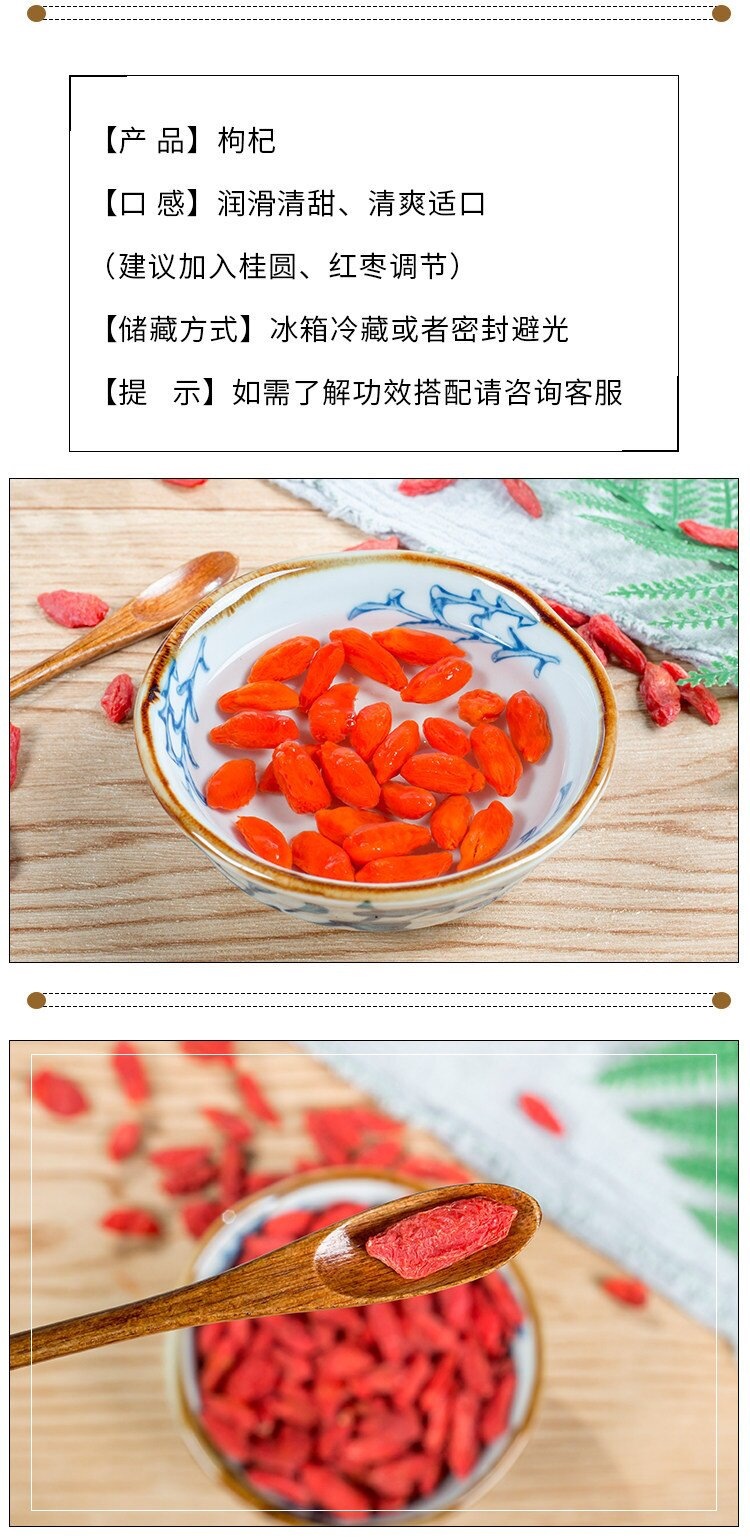
These dried goji berries are typically bright red to deep orange-red with a slightly wrinkled, chewy texture. They have a mild, sweet aroma and a naturally sweet, slightly tart taste that softens when brewed or simmered in soups and congee.
Technical Specifications
| Product Type | Dried goji berries |
|---|---|
| Chinese Name | 枸杞子 |
| Pinyin | Gou Qi Zi |
| Botanical Name | Lycium barbarum |
| Plant Part | Fruit |
| Processing | Sun-dried |
Usage Scenarios
- Brewed as a daily herbal tea
- Simmered in soups and broths
- Cooked into congee
- Infused in herbal wine
- Added to baked goods and desserts
Traditional Uses
In TCM theory, Gou Qi Zi is traditionally used in decoctions, teas, soups, and congee, often paired with herbs such as Ju Hua (Chrysanthemum) or Shan Yao (Chinese Yam). It is a common ingredient in traditional longevity and tonic formulas and is also used in herbal wine infusions. Traditionally associated with nourishing the Liver and Kidney and supporting the eyes.
FAQ Q&A
Q: What are these dried goji berries?
A: They are sun-dried fruits of Lycium barbarum, known in TCM as Gou Qi Zi (枸杞子), sourced from Ningxia, China.
Q: What is Gou Qi Zi traditionally used for?
A: In TCM theory, it is traditionally associated with the Liver and Kidney channels and is used in tonic formulas, teas, and soups.
Q: How do I prepare dried goji berries?
A: They can be brewed as tea, simmered in soups or congee, or infused in herbal wine. No specific dosage is provided.
Additional information
| Weight | N/A |
|---|---|
| Dimensions | N/A |
| Model | 250克半斤装 款, 500克 1斤装 款, 250克 特大款 150粒 50克, 500克 特大款 150粒 50克 |
Related products
-
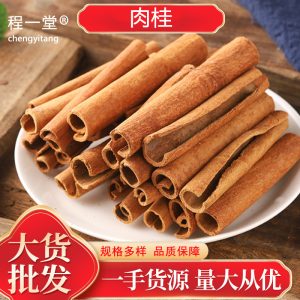
Dried Cinnamon Bark Rou Gui 500g Whole Peeling Culinary Spice and Traditional Herbal Ingredient
Price range: $5.58 through $8.33 -

Dried Raspberry Fruit Fu Pen Zi Whole Berries for Herbal Tea and Wine Infusion 500g
Price range: $15.63 through $18.06 -
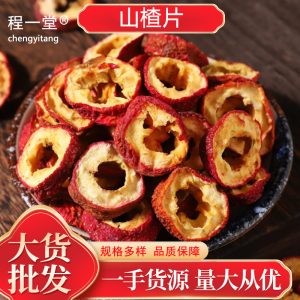
Dried Hawthorn Slices Shan Zha 500g Seedless Hollow Rings Freeze Dried Hawthorn for Tea and Culinary Use
Price range: $4.44 through $7.04 -
Dried Ginger Root Gan Jiang 500g Bulk Chinese Herb Zingiber officinale Rhizome for Decoction and Culinary Use
$5.90
Reviews
There are no reviews yet.