
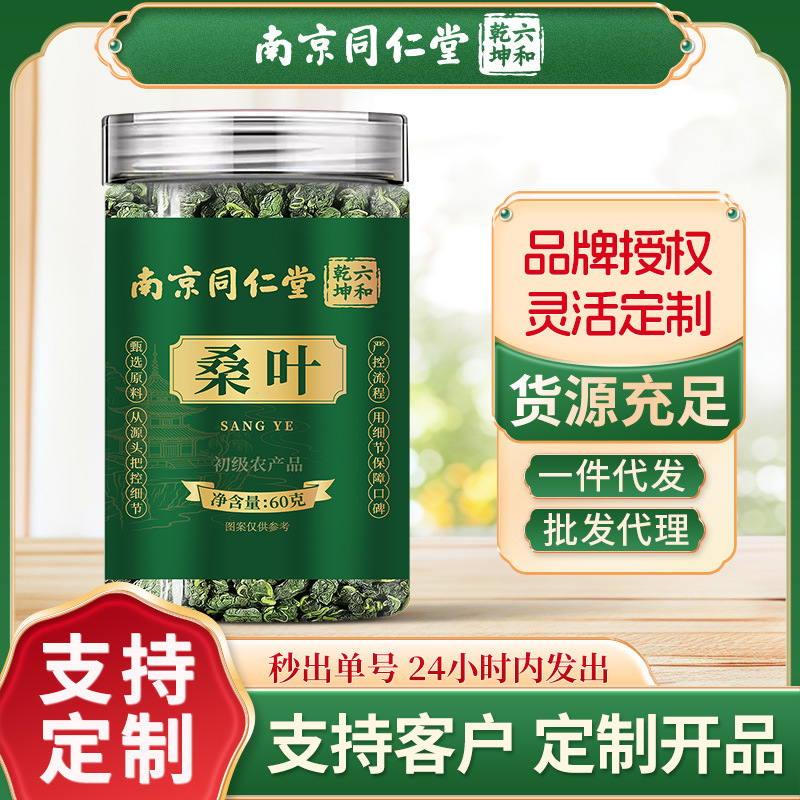
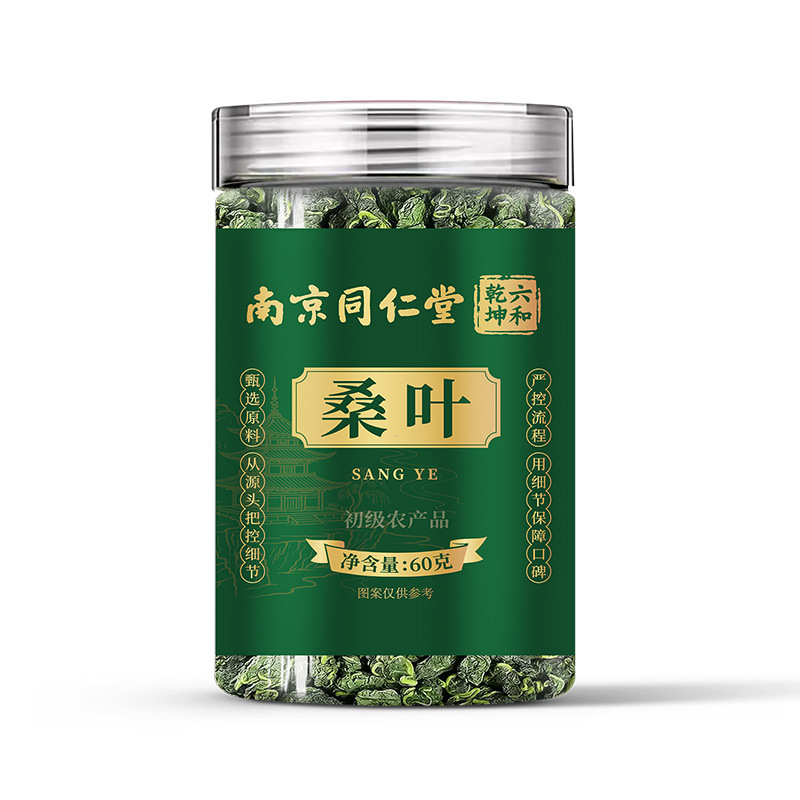
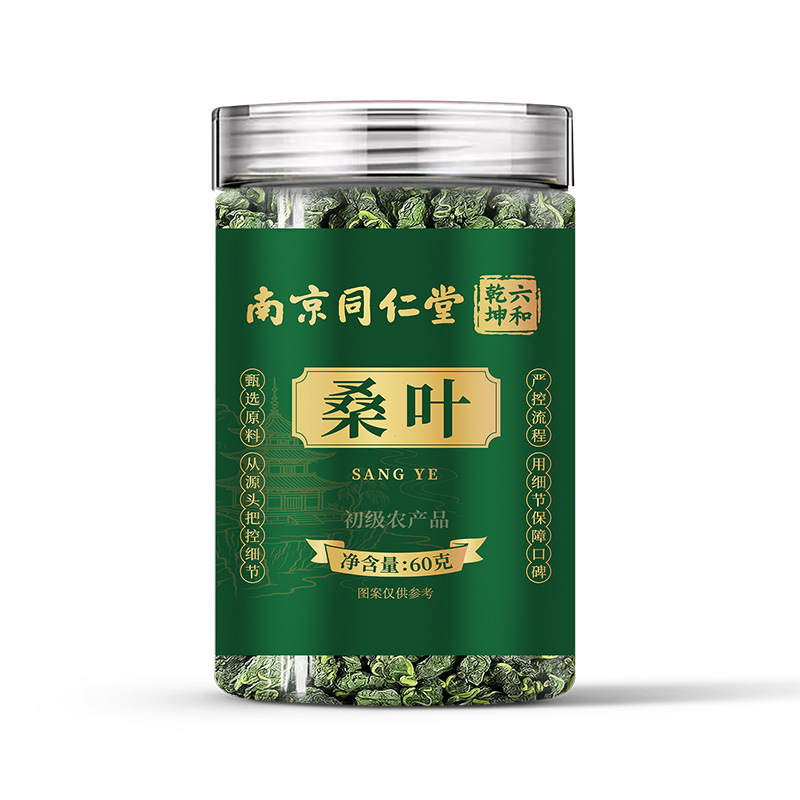
Dried Mulberry Leaf Sang Ye Frost-Touched Mulberry Leaves for Herbal Tea and Cooking 60g Can
$5.60
9999 in stock
Description
Dried Mulberry Leaf, known in TCM as Sang Ye (桑叶), from Morus alba, is the dried leaf of the mulberry tree. In TCM theory it is cool in nature, sweet and bitter in flavor, and associated with the Lung and Liver channels. Traditionally used in decoctions and teas, it is a common herb in seasonal wellness routines. This food-grade agricultural product is packed in a 60g can and is not a medicine.
Key Selling Points
- Identified as Sang Ye (桑叶), the dried leaf of Morus alba
- Frost-touched mulberry leaves harvested after frost
- Food-grade agricultural product from Anhui, China
- Dried whole-leaf form suitable for tea, decoction, or cooking
- Sealed 60g can with 18-month shelf life
Quality & Sensory
The dried leaves are typically green to yellow-green with a light, grassy aroma. Texture is dry and papery, breaking easily when crushed. A brewed or decocted infusion is typically pale yellow-green with a mild, slightly sweet and gently bitter herbal taste.
Technical Specifications
| Product Type | Dried mulberry leaf |
|---|---|
| Chinese Name | 桑叶 |
| Pinyin | Sang Ye |
| Botanical Name | Morus alba |
| Plant Part | Leaf |
| Net Weight | 60g per can |
Usage Scenarios
- Brewed as a daily herbal tea
- Simmered in traditional decoctions
- Added to soups or congee
- Used as a culinary herb in cooking
Traditional Uses
In TCM theory, Sang Ye is traditionally used in decoctions for seasonal support and is often paired with chrysanthemum or goji berry. It is also used in folk recipes for cooling teas and summer drinks. Common preparations include steeping the dried leaves in hot water or simmering them briefly in water.
FAQ Q&A
Q: What is this product?
A: It is dried mulberry leaf, known in TCM as Sang Ye (桑叶), from the Morus alba plant, sold as a food-grade agricultural product in a 60g can.
Q: What is its traditional value?
A: In TCM theory, Sang Ye is cool in nature and associated with the Lung and Liver channels, traditionally used in herbal teas and decoctions for seasonal wellness.
Q: How is it commonly prepared?
A: It is commonly steeped in hot water as a tea, simmered in decoctions, or added to soups and congee. It is not a medicine and should not replace prescribed treatment.
Additional information
| Weight | 0.54 kg |
|---|---|
| Dimensions | 15 × 15 × 12 cm |
Related products
-
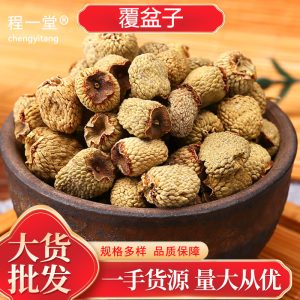
Dried Raspberry Fruit Fu Pen Zi Whole Berries for Herbal Tea and Wine Infusion 500g
Price range: $15.63 through $18.06 -
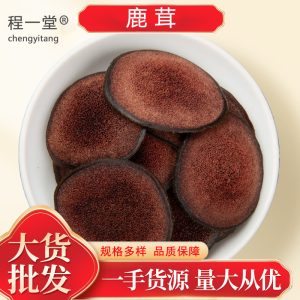
Deer Antler Slices Lu Rong 鹿茸片 Dried Slices for Wine Infusion and Soup 100g Wax Slices Pack
Price range: $68.29 through $92.59 -
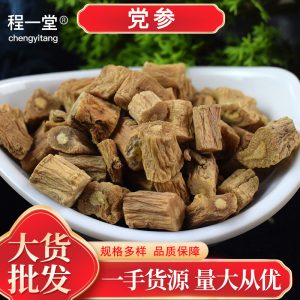
Dried Codonopsis Root Slices Dang Shen 500g Bulk Supply for Soups and Herbal Decoctions
Price range: $10.28 through $18.06 -

Dried Huang Jing Slices Polygonatum Rhizome Chicken Head Huang Jing 500g Bulk Herbal Tea and Soup Ingredient
Price range: $9.14 through $18.87
Reviews
There are no reviews yet.