
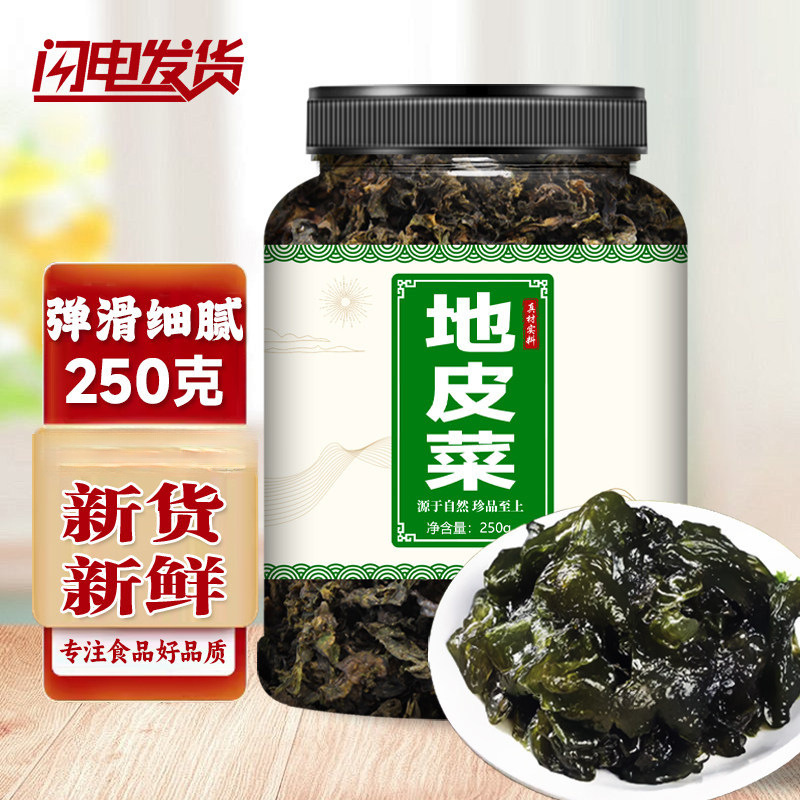
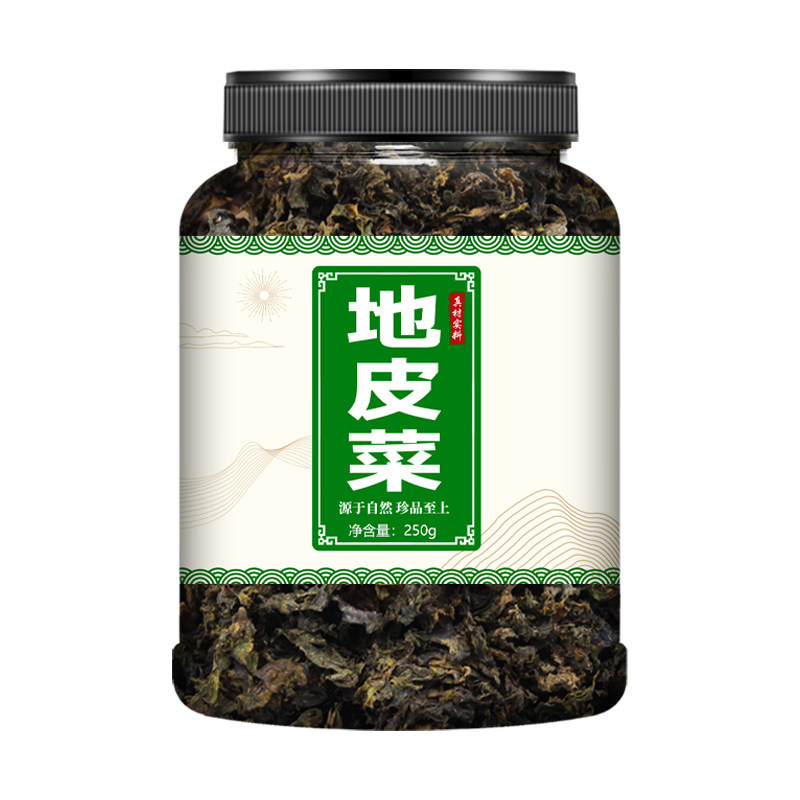
Dried Nostoc Di Pi Cai 地皮菜 Wild Edible Algae 30g Sample Pack Natural Sun Dried Culinary Herb
Price range: $6.07 through $17.28
Description
Dried Nostoc, known in Chinese as Di Pi Cai (地皮菜), is a naturally sun-dried terrestrial cyanobacterium traditionally gathered after rain and used in Chinese folk cuisine. Often compared with wood ear fungus for its gelatinous texture, it is typically rehydrated and added to soups, stir-fries, dumpling fillings, and congee. In traditional food practice it is valued as a light, plant-based wild ingredient. This listing is a food product and is not intended to replace medical treatment.
Key Selling Points
- Wild-harvested Di Pi Cai (地皮菜), a traditional Chinese edible terrestrial algae
- Naturally sun-dried and rinsed to reduce sand, ready to rehydrate and cook
- Gelatinous texture similar to wood ear fungus, prized in rural Chinese cooking
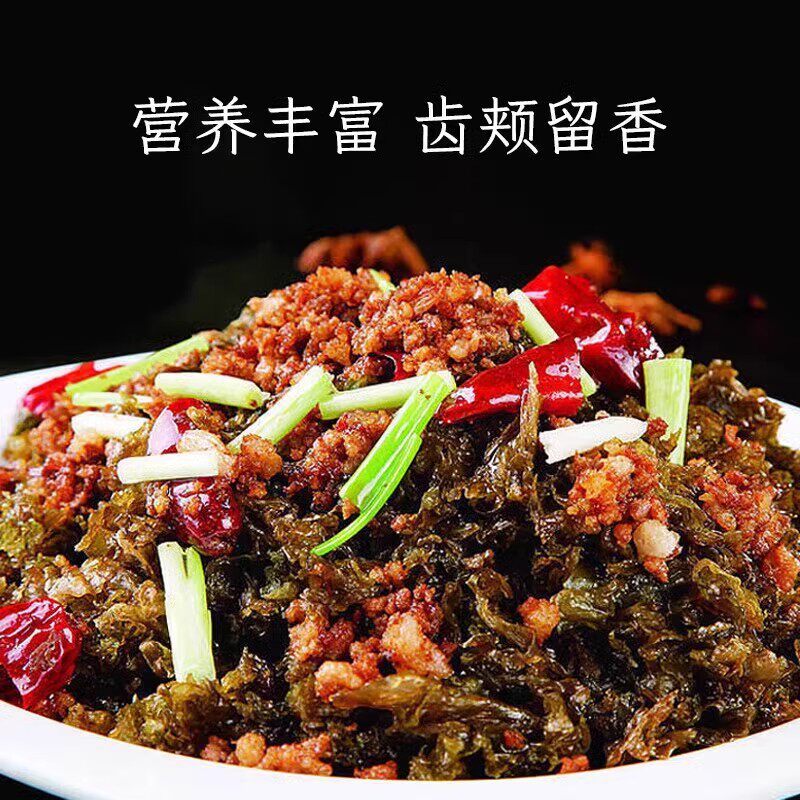
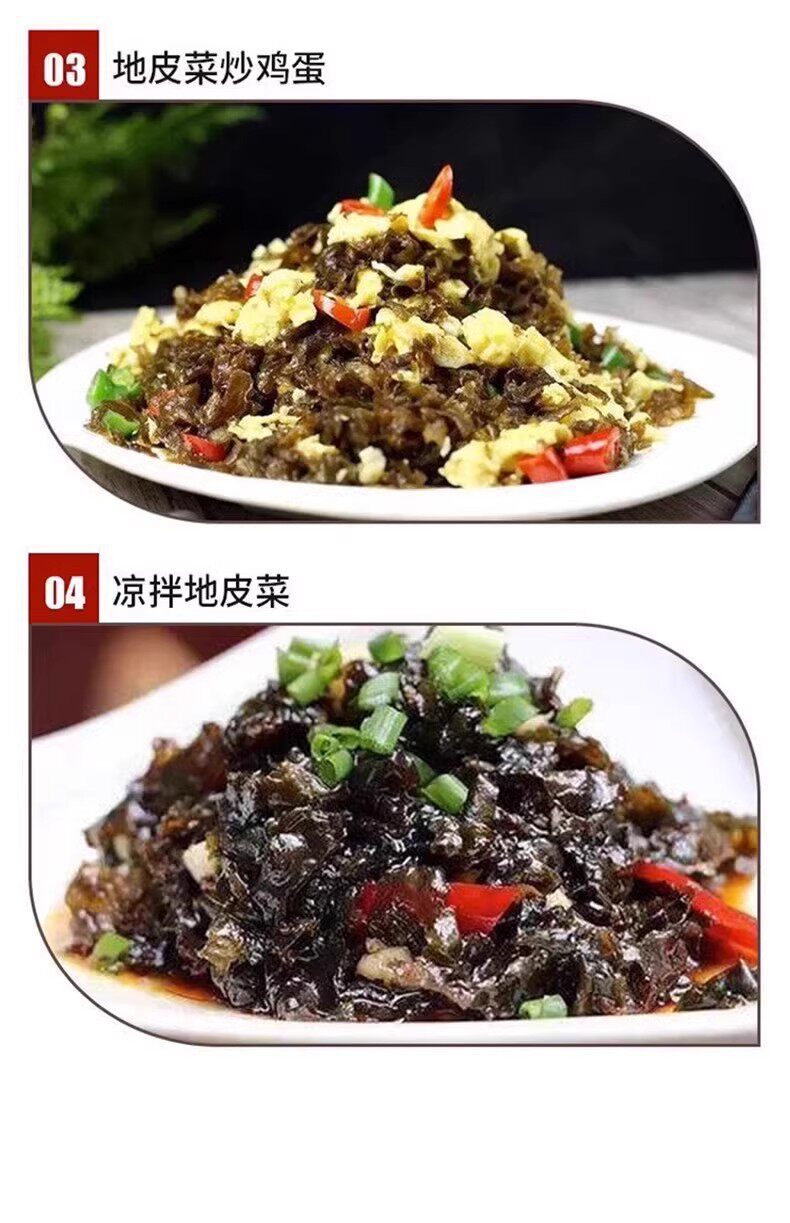
- Versatile for soups, congee, dumpling fillings, and stir-fried dishes
- 30g trial-size pack so you can taste before buying larger quantities
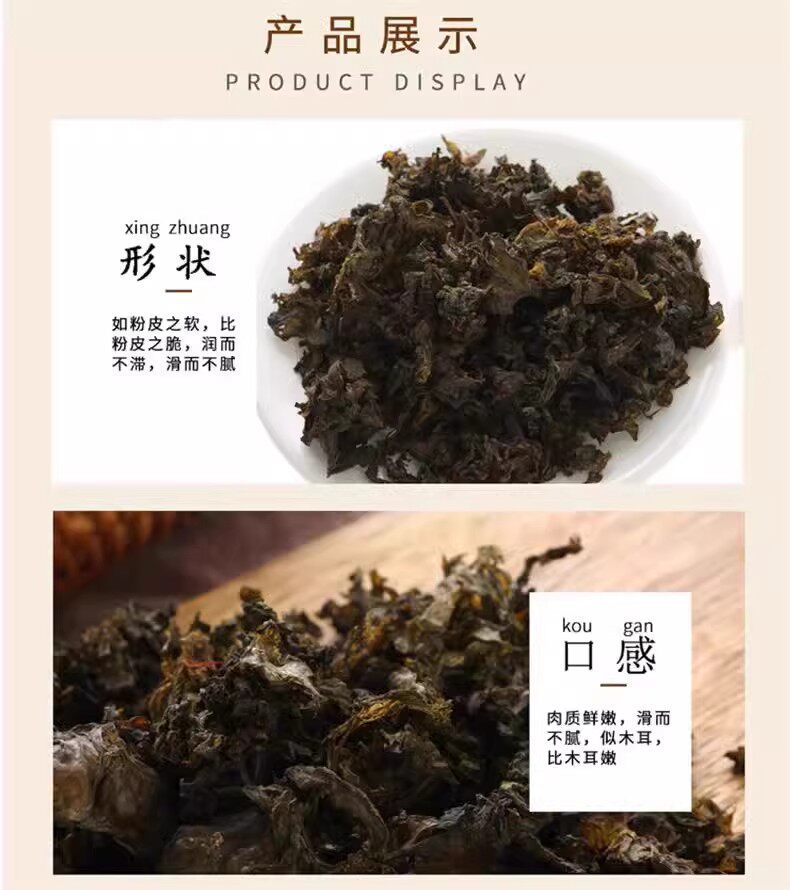
Quality & Sensory
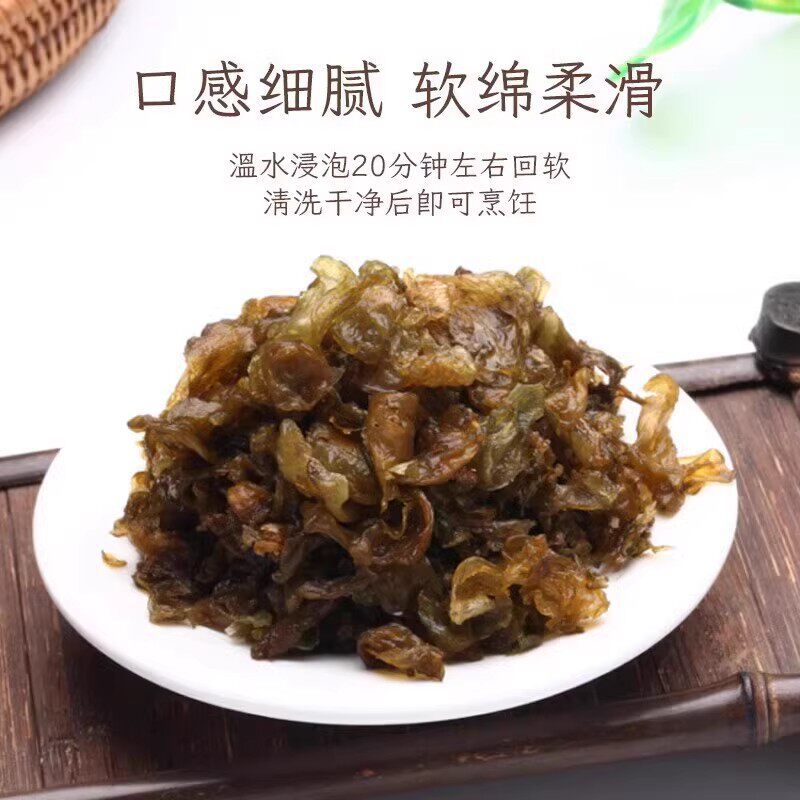
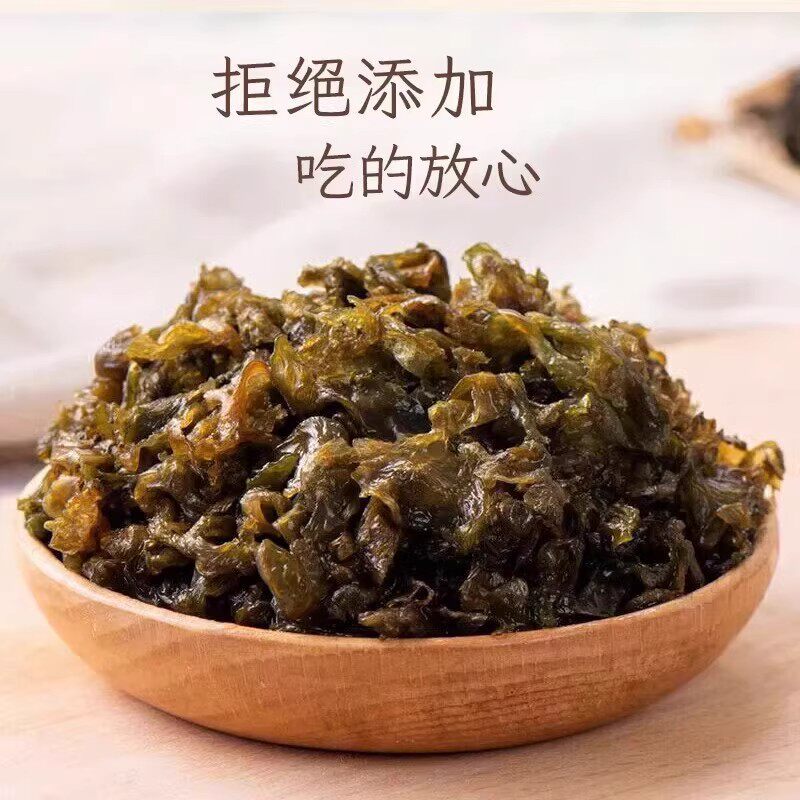
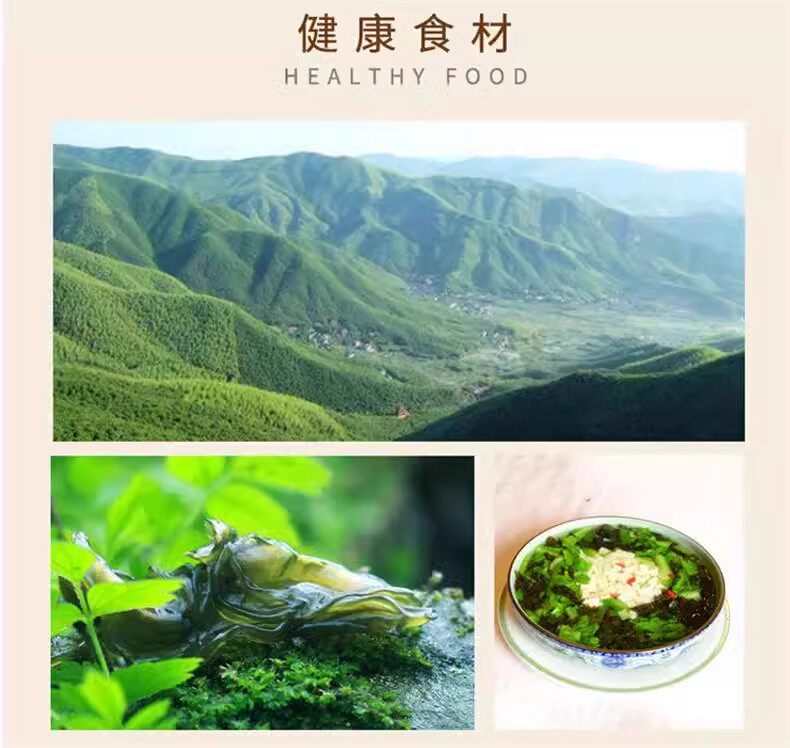
Typically dark olive-brown to blackish, with small irregular curled flakes that feel light and slightly crisp when dry. Once rehydrated, it becomes soft, slippery, and gelatinous with a mild earthy aroma and a subtle, savory taste that absorbs the flavors of the dish.
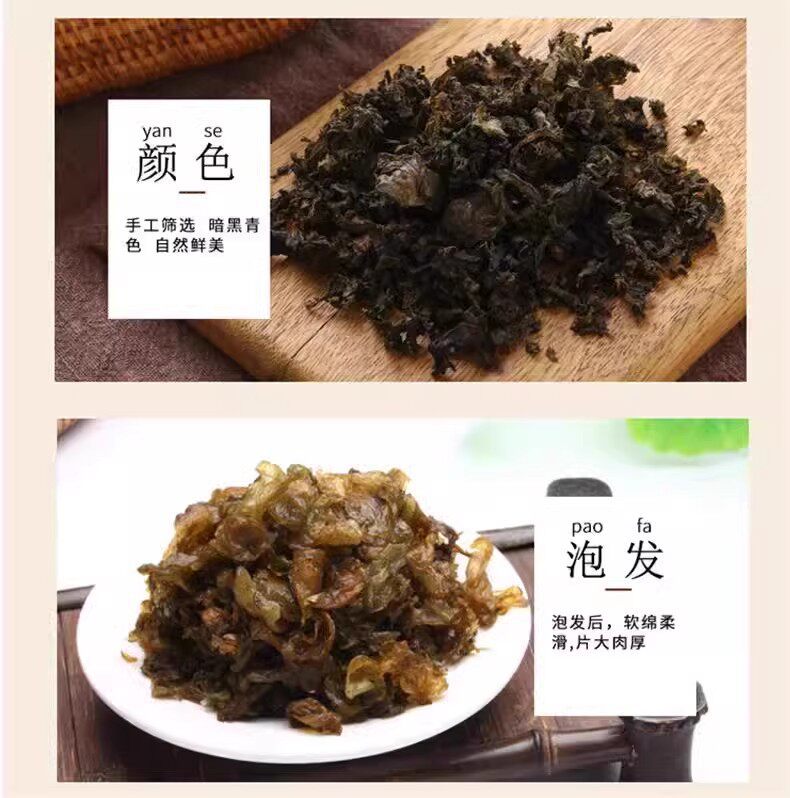
Technical Specifications
| Product Type | Dried edible terrestrial algae |
|---|---|
| Chinese Name | 地皮菜 |
| Pinyin | Di Pi Cai |
| Plant Part | Whole dried thallus |
| Form | Loose dried flakes, sun-dried and rinsed |
| Net Weight | 30g sample pack |
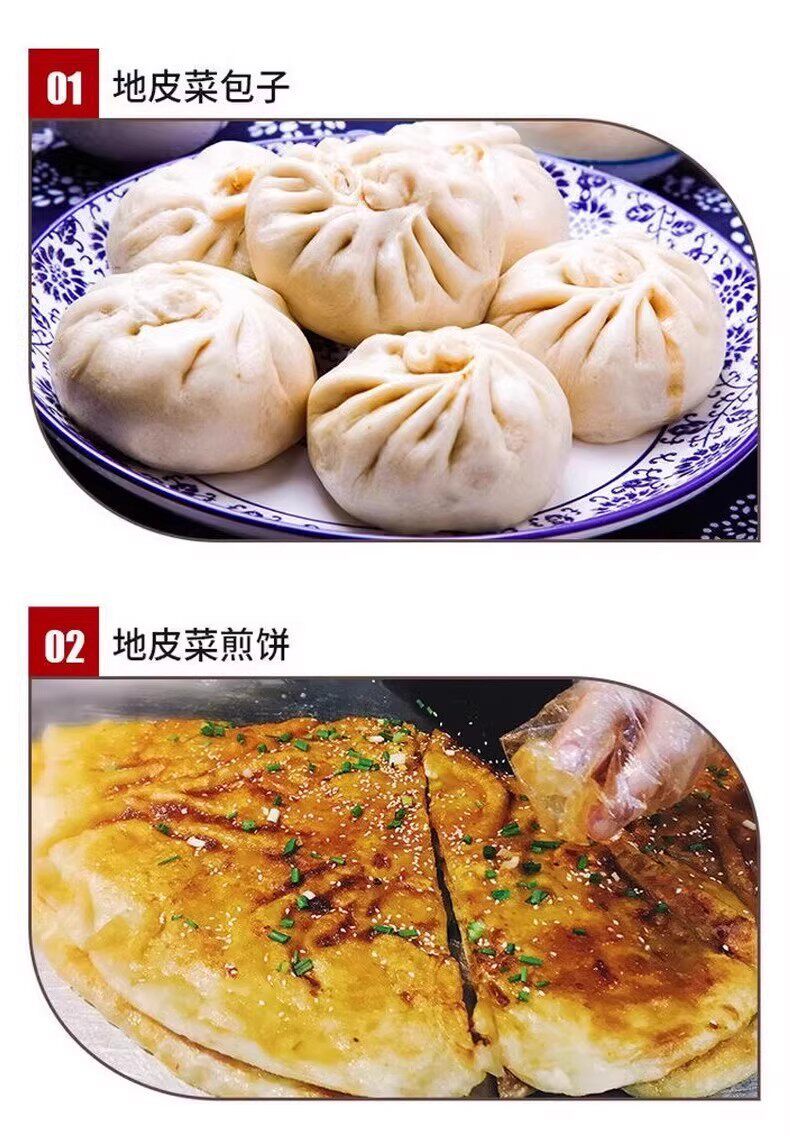
Usage Scenarios
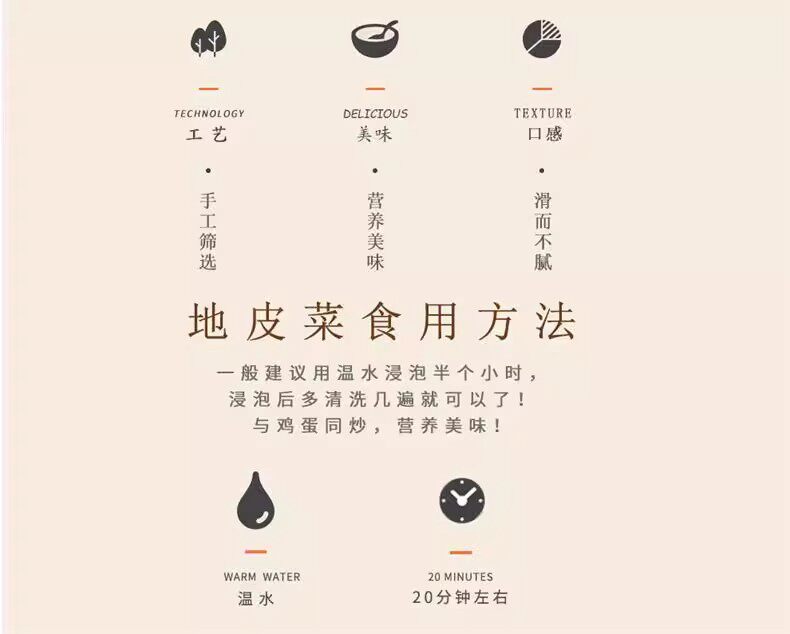
- Rehydrate and add to home-style soups and broths
- Stir into congee or rice porridge for a traditional rural dish
- Mix into dumpling or bun fillings after soaking
- Toss into stir-fries with eggs or vegetables
Traditional Uses
In Chinese folk food tradition, Di Pi Cai has long been gathered from the ground after rainfall in rural areas and dried for year-round use. It is traditionally rehydrated, carefully cleaned, then simmered in soups, folded into dumpling fillings, or cooked with eggs and vegetables. Families often keep it on hand as a humble wild vegetable for everyday meals and seasonal country-style dishes.
FAQ Q&A
Q: What is Di Pi Cai?
A: Di Pi Cai (地皮菜) is a wild edible terrestrial algae, traditionally gathered after rain and sun-dried. It is a common rural Chinese food ingredient rather than a medicine.
Q: What makes it special in traditional cooking?
A: It is valued for its soft, gelatinous texture and mild earthy flavor, similar to wood ear fungus. Traditionally it is used in soups, congee, and dumpling fillings.
Q: How do I prepare it?
A: Rinse and soak the dried flakes in water until soft, then drain and add to soups, congee, stir-fries, or fillings. Cook thoroughly before eating.
Additional information
| Weight | N/A |
|---|---|
| Dimensions | N/A |
| Packaging specifications | natural drying dried vegetables 250g 1 can, natural drying dripai 250g 2 cans, natural drying dried vegetables 250g 3 cans, natural drying dried vegetables 250g 4 cans, taste first buy later ground vegetables 30g |
Related products
-

Ningxia Goji Berries Gou Qi Zi 500g Dried Red Wolfberry for Tea Soup and Snacking
Price range: $7.20 through $16.44 -
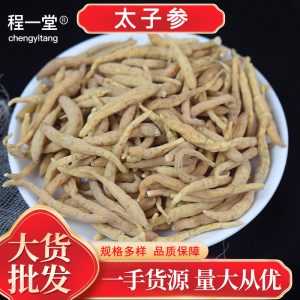
Taizishen Dried Pseudostellaria Root TCM Herbal Tea and Soup Ingredient 500g Bulk Pack
Price range: $10.28 through $15.63 -
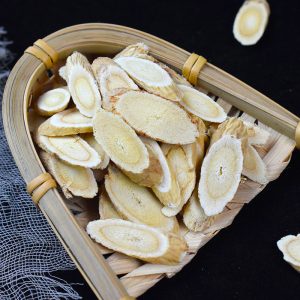
Astragalus Root Slices Huang Qi 500g Dried Herb for Soups and Teas
Price range: $7.36 through $22.11 -
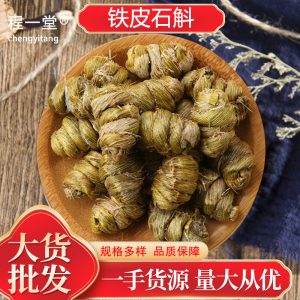
Tie Pi Shi Hu Dried Dendrobium Stems 500g Huoshan Fengdou for Soup and Tea
Price range: $35.88 through $108.80
Reviews
There are no reviews yet.