
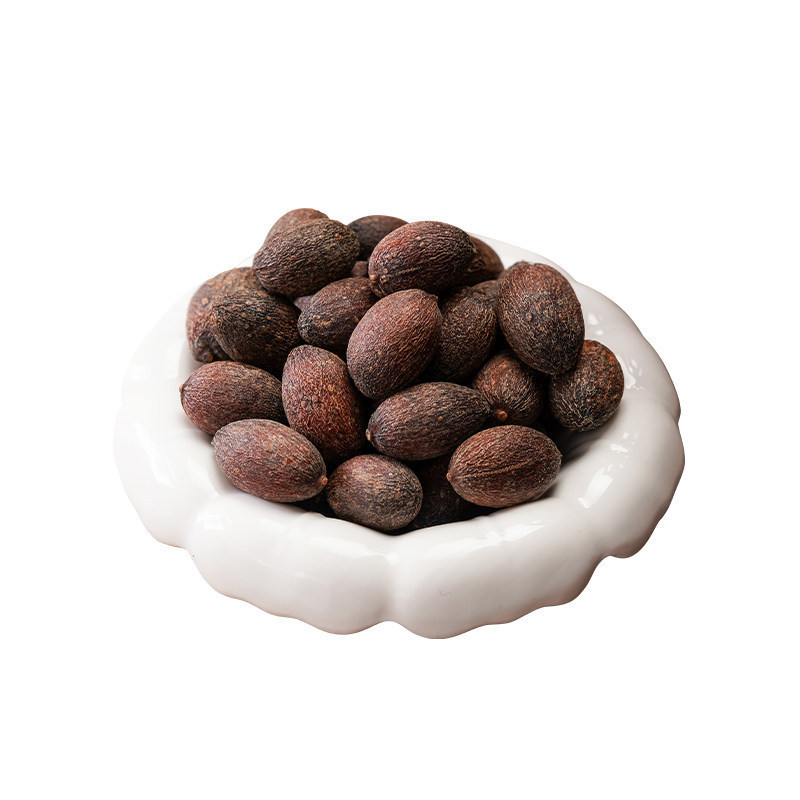
Kuizi Zi Dried Chinese Fan Palm Seeds Traditional Herbal Decoction Pieces 660g
Price range: $5.88 through $8.21
Description
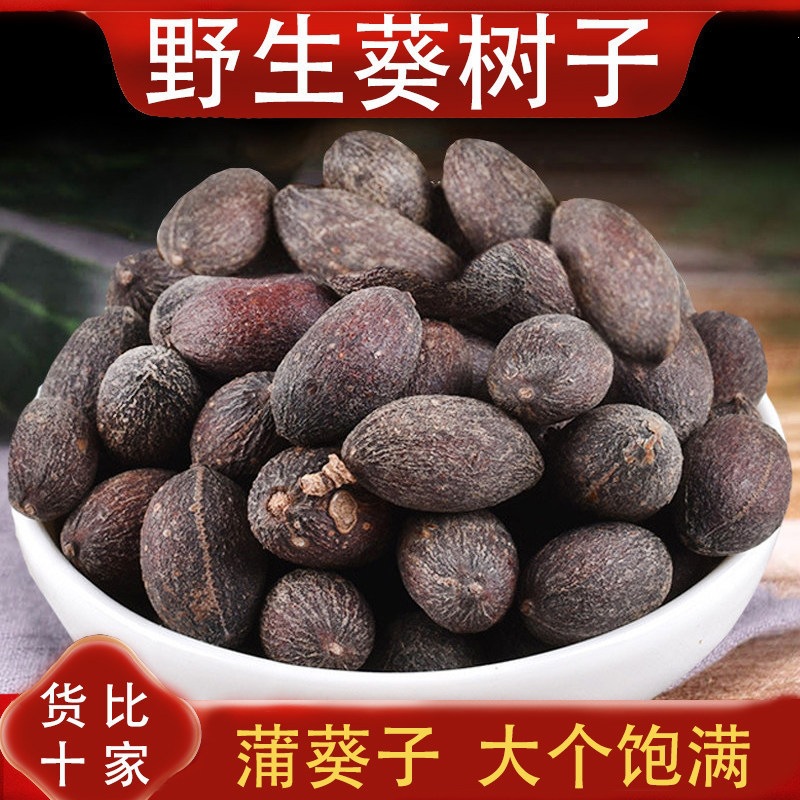
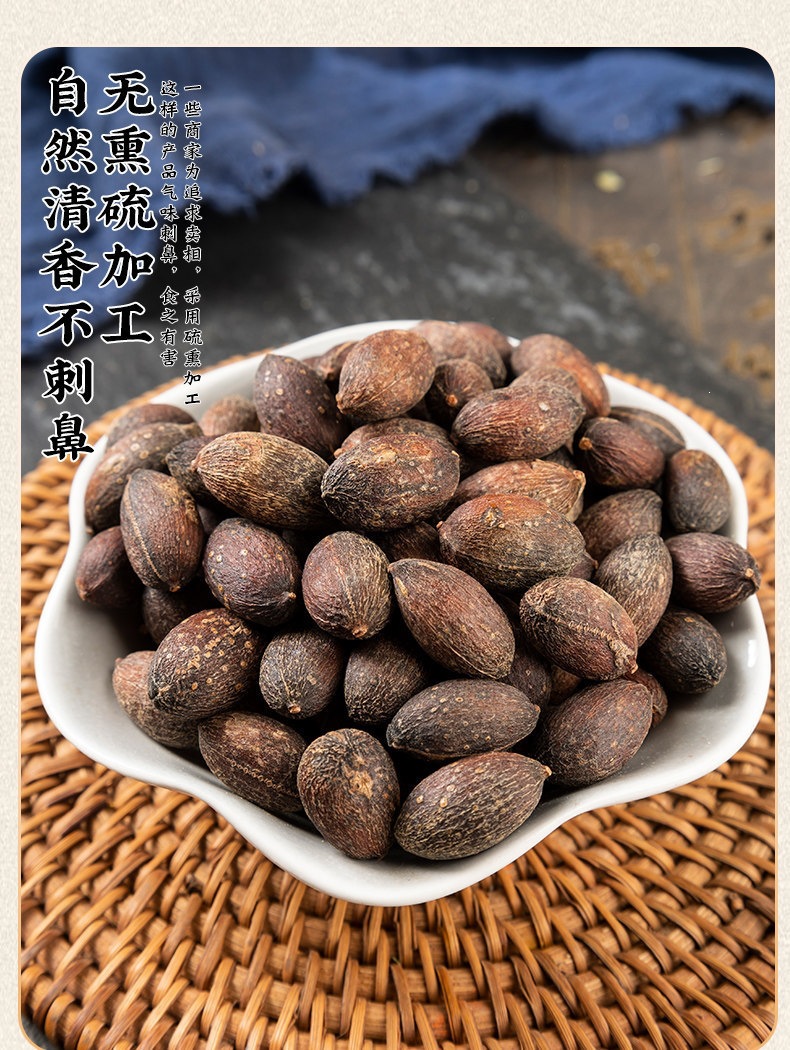
Dried Chinese Fan Palm Seeds, known in TCM as Kui Zi (葵树子) or Kui Shan Zi (葵扇子), from Livistona chinensis. These naturally sun-dried seeds are a traditional Chinese herbal decoction piece used in folk wellness practice. In TCM theory, they are traditionally associated with gentle dispersing and descending properties. Commonly prepared by simmering in water as a simple herbal tea or added to traditional soup recipes.
Key Selling Points
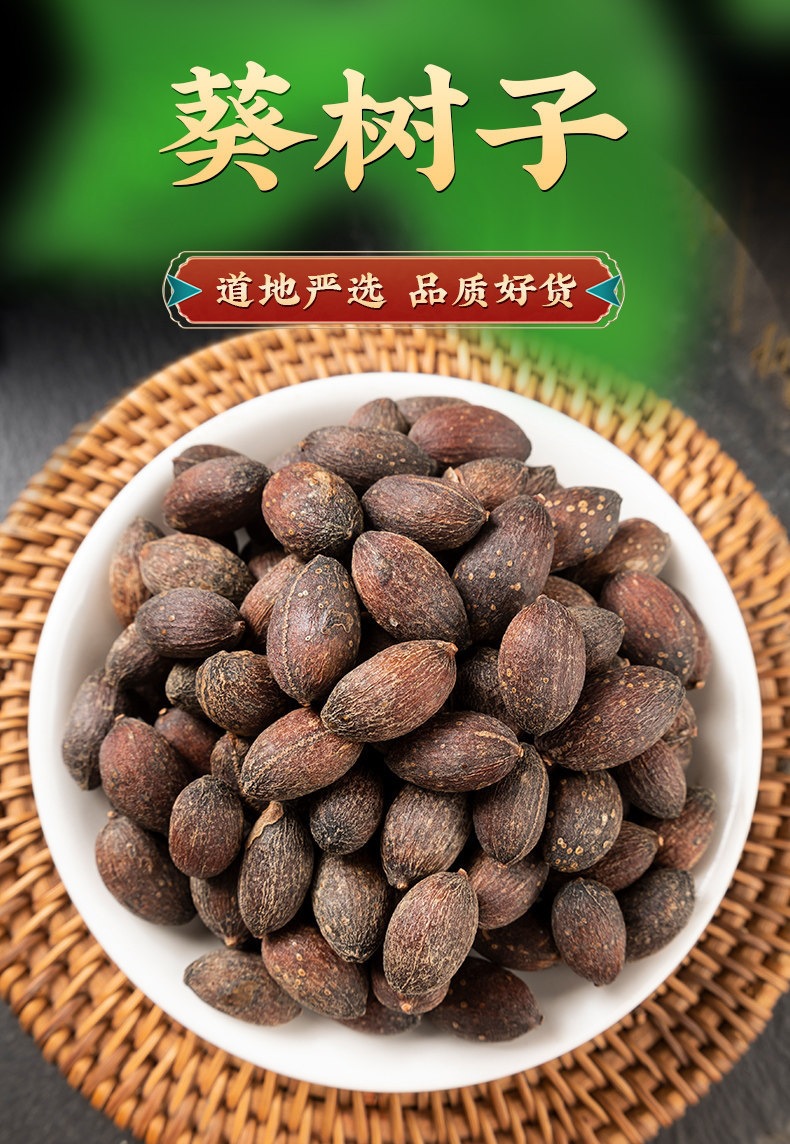
- Identified in TCM as Kui Zi (葵树子), the seed of Livistona chinensis
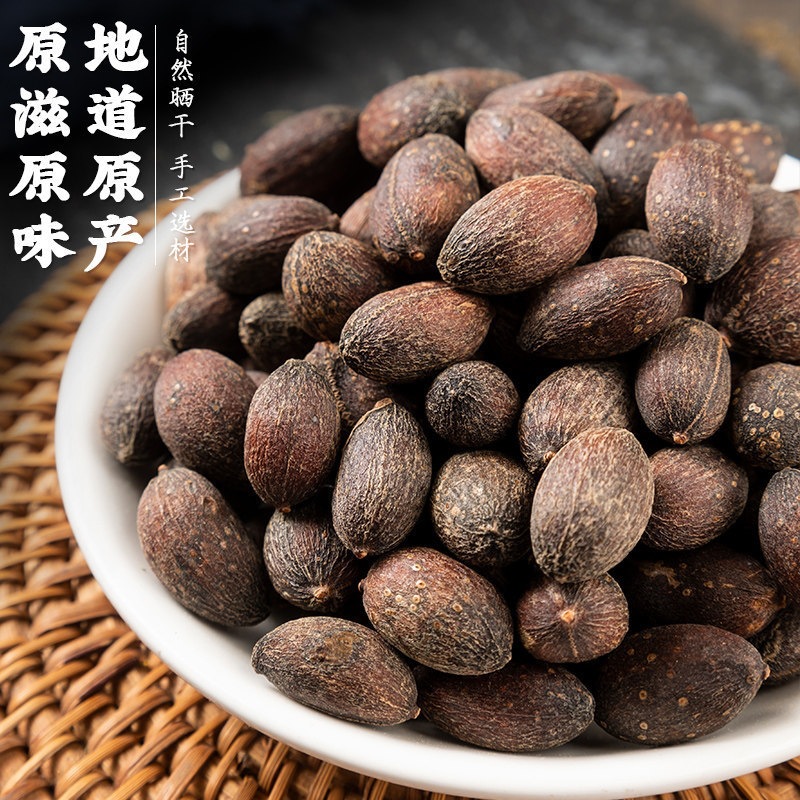
- Naturally sun-dried whole seeds from Guangxi, China
- Traditional Chinese herbal decoction piece for home preparation
- Large-grade seeds with a firm, woody texture
- Conveniently packed as four 165g jars for regular use
Quality & Sensory
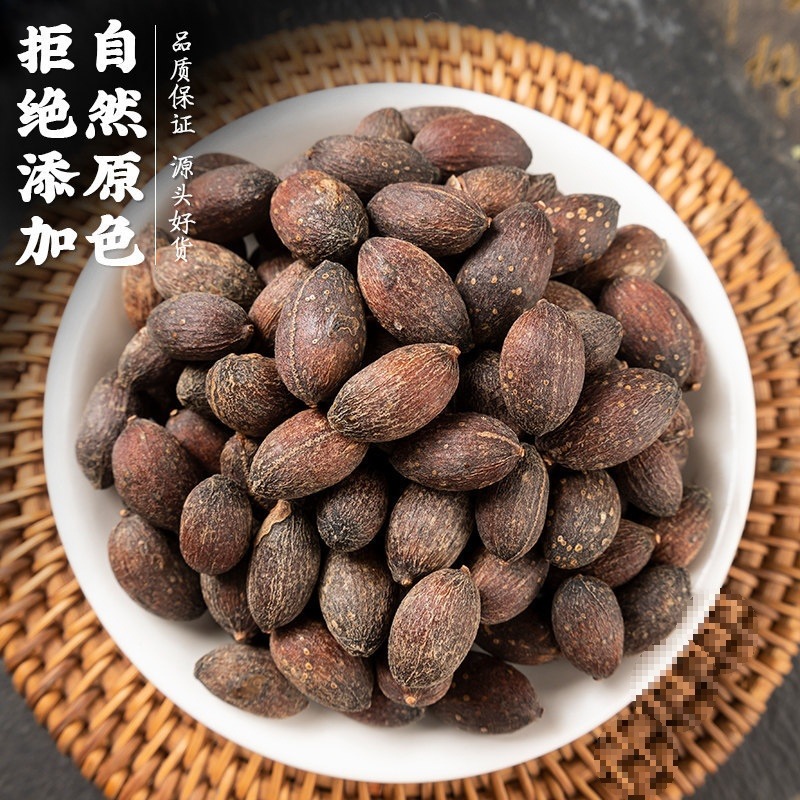
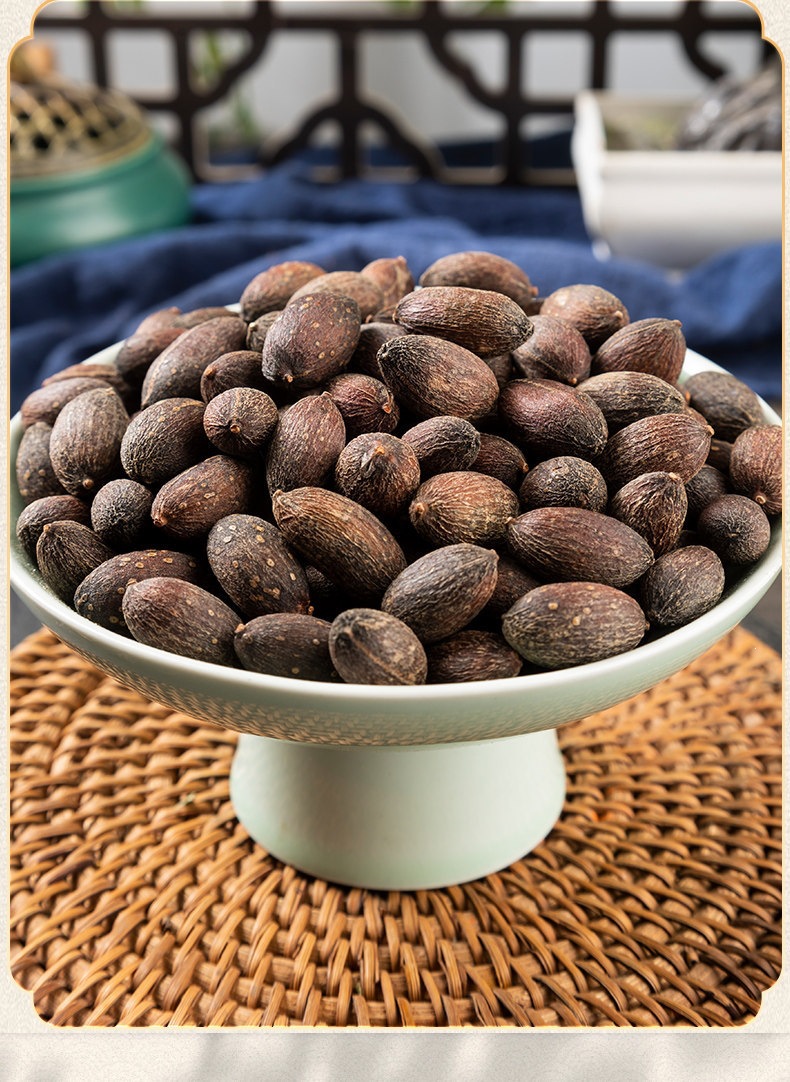
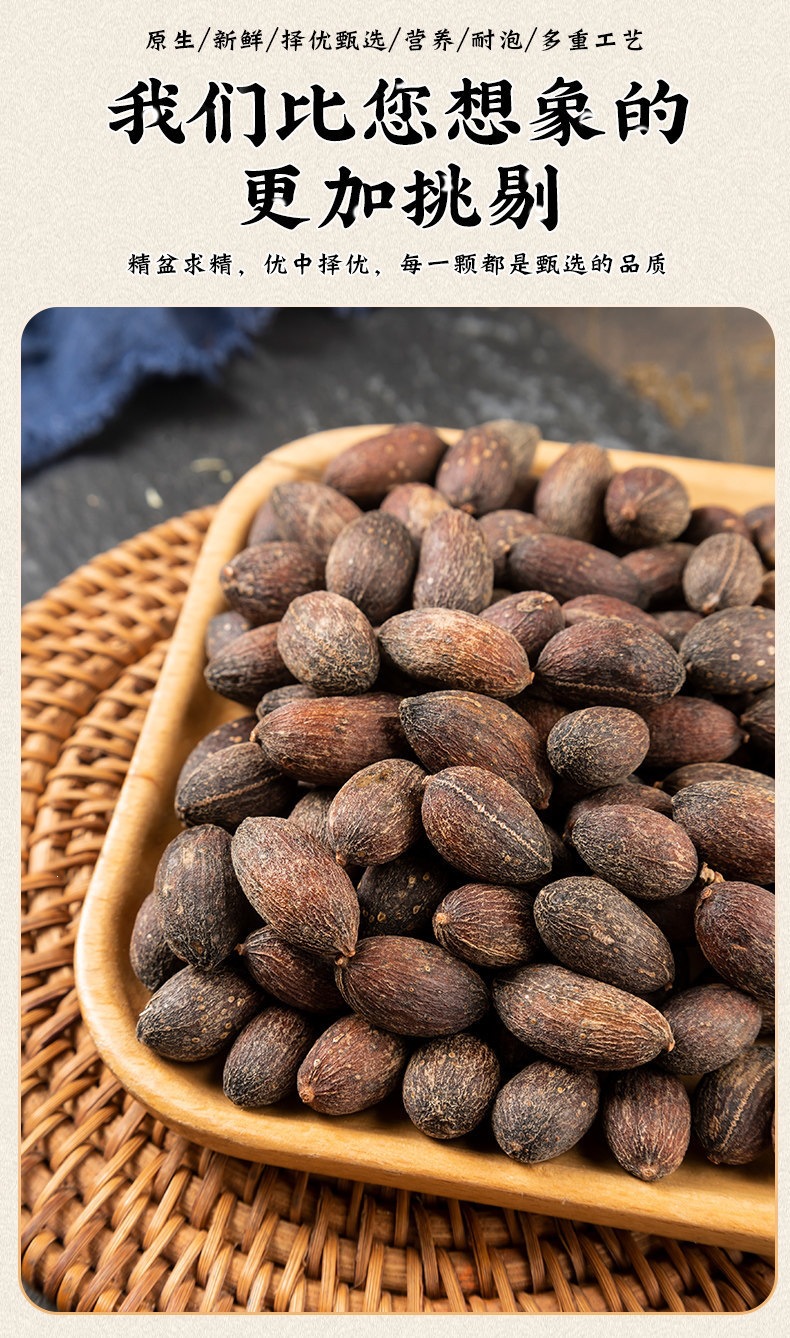
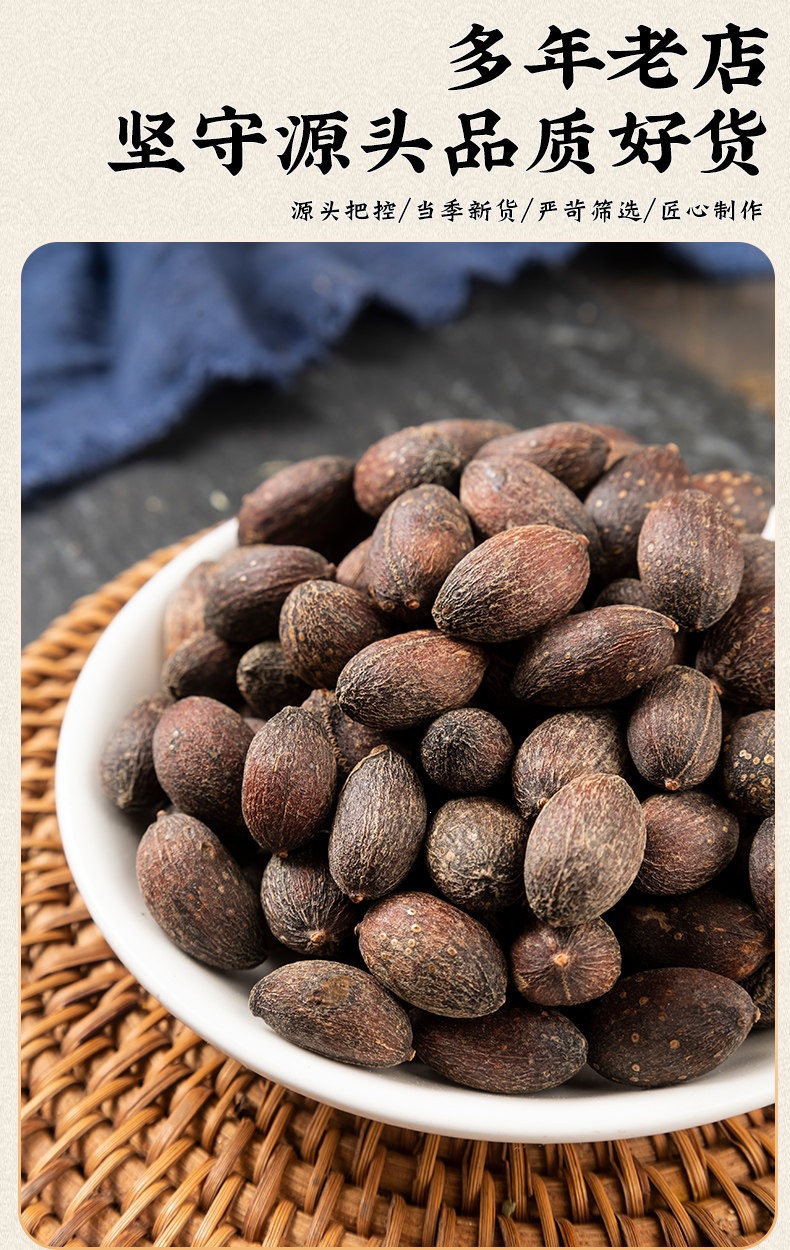
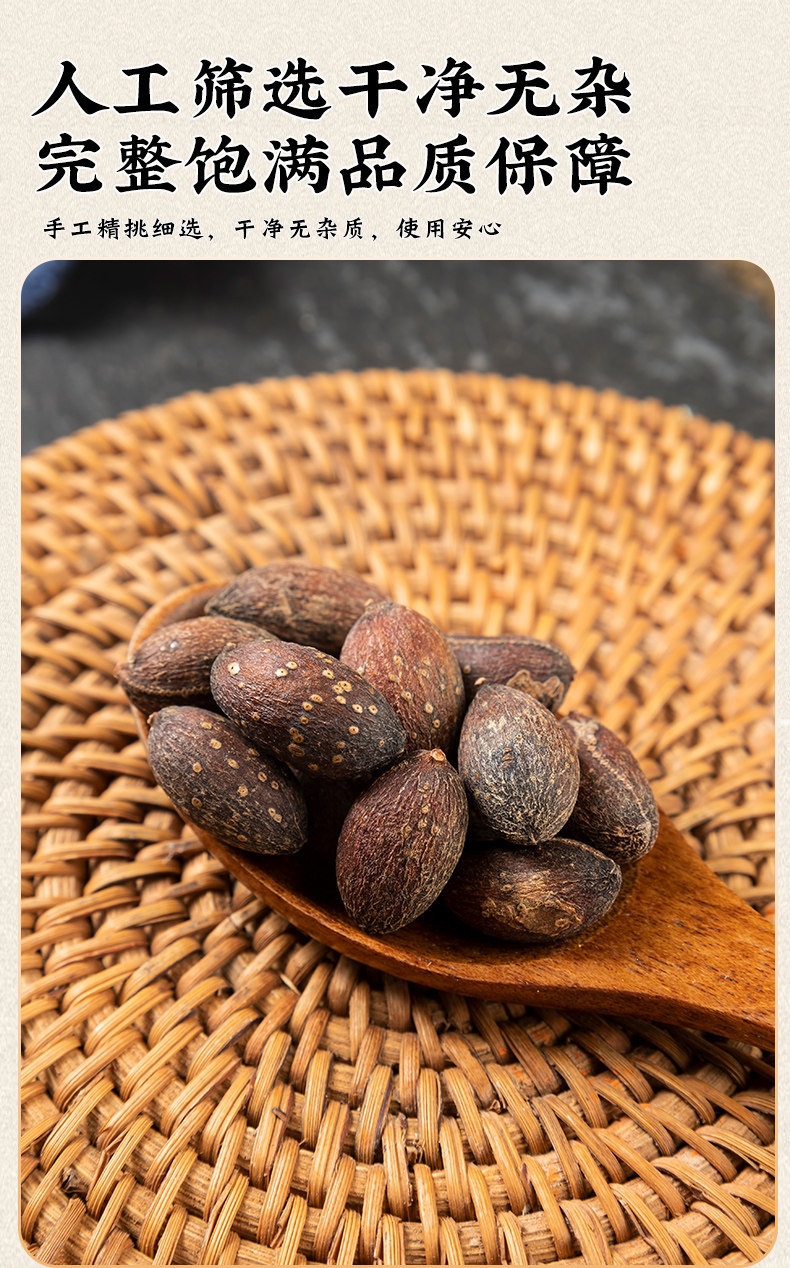
These seeds are typically dark brown to blackish with a hard, woody shell and a faint earthy aroma. When simmered, the decoction is typically mild and slightly bitter with a subtle nutty note. The seeds remain firm after long cooking and are not usually eaten whole.
Technical Specifications
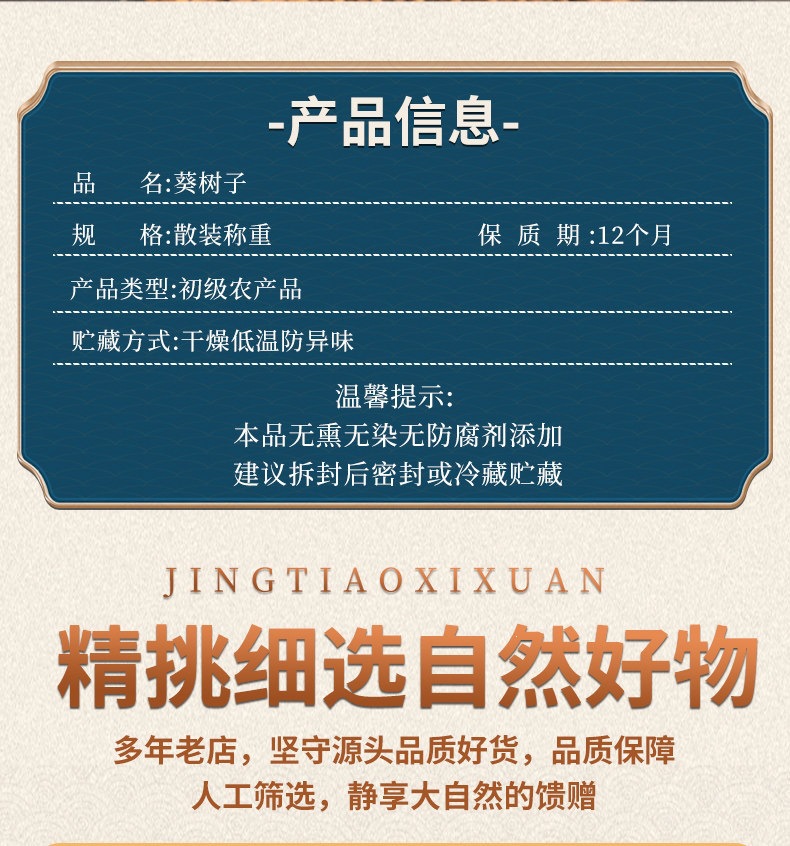
| Product Type | Dried herbal decoction pieces |
|---|---|
| Chinese Name | 葵树子 |
| Pinyin | Kui Zi |
| Botanical Name | Livistona chinensis |
| Plant Part | Seed |
| Net Weight | 165g x 4 jars |
Usage Scenarios
- Simmered as a simple herbal tea or decoction
- Added to traditional Chinese soup recipes
- Used in home herbal preparations
- Included in seasonal folk wellness decoctions
Traditional Uses
In TCM and folk practice, Kui Zi (葵树子) is traditionally used in decoctions, sometimes paired with other herbs in formulas associated with clearing and descending. It is also added to long-simmered soups for its traditional wellness properties. These uses are based on traditional knowledge and not on modern clinical evidence.
FAQ Q&A
Q: What is Kui Zi (葵树子)?
A: Kui Zi is the dried seed of the Chinese fan palm, Livistona chinensis, used as a traditional Chinese herbal decoction piece.
Q: What is it traditionally used for?
A: In TCM theory, it is traditionally associated with gentle dispersing and descending actions and is used in folk decoctions and soups.
Q: How is it prepared?
A: It is commonly simmered in water to make a decoction or added to soups. The seeds are not usually eaten whole.
Additional information
| Weight | N/A |
|---|---|
| Dimensions | N/A |
| Model | 葵树子165克 1罐, 葵树子165克 2罐, 葵树子165克 3罐, 葵树子165克 4罐 |
Related products
-
Xinhui Chenpi Dried Tangerine Peel 500g Sun Dried Aged Peel for Soup and Tea
Price range: $60.19 through $116.90 -

Dried Huang Jing Slices Polygonatum Rhizome Chicken Head Huang Jing 500g Bulk Herbal Tea and Soup Ingredient
Price range: $9.14 through $18.87 -

Ningxia Goji Berries Gou Qi Zi 500g Dried Red Wolfberry for Tea Soup and Snacking
Price range: $7.20 through $16.44 -
Dried Cinnamon Bark Rou Gui 500g Whole Peeling Culinary Spice and Traditional Herbal Ingredient
Price range: $5.58 through $8.33
Reviews
There are no reviews yet.