
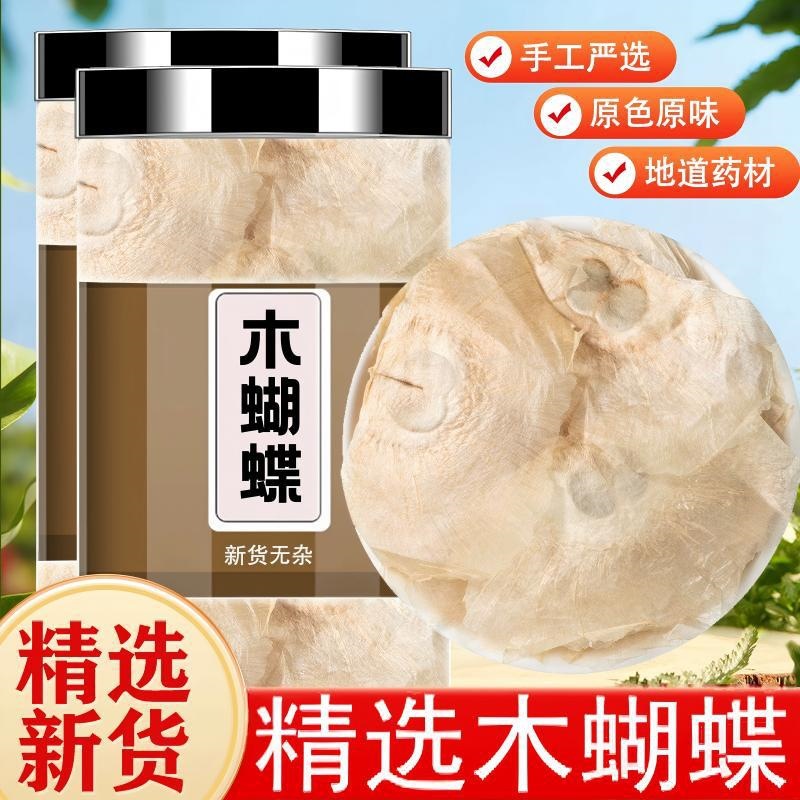
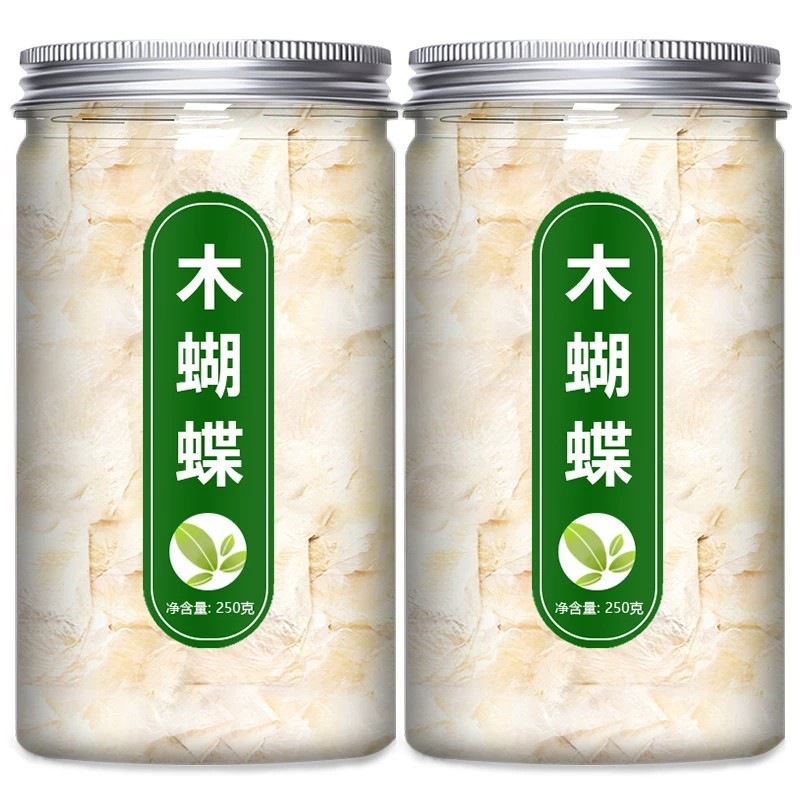
Dried Mu Hu Die Wood Butterfly Herb 250g 2 Jars Traditional Chinese Herbal Tea
Price range: $5.90 through $12.74
Description
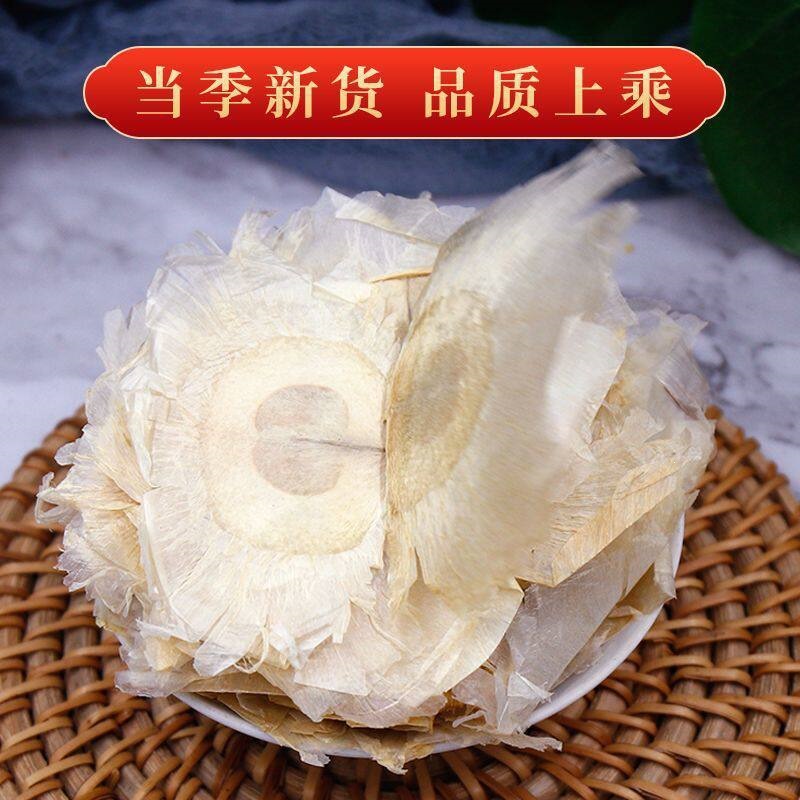
Dried Mu Hu Die (木蝴蝶), also known as Wood Butterfly or Thousand-Layer Paper, is the dried seed of Oroxylum indicum. In TCM theory it is traditionally associated with the Lung and Liver channels, with a mild, slightly bitter nature. It is commonly prepared as a simple herbal tea, often paired with Pang Da Hai, and is valued in traditional wellness practice for throat and respiratory comfort.
Key Selling Points
- Identified in TCM as Mu Hu Die (木蝴蝶), the seed of Oroxylum indicum
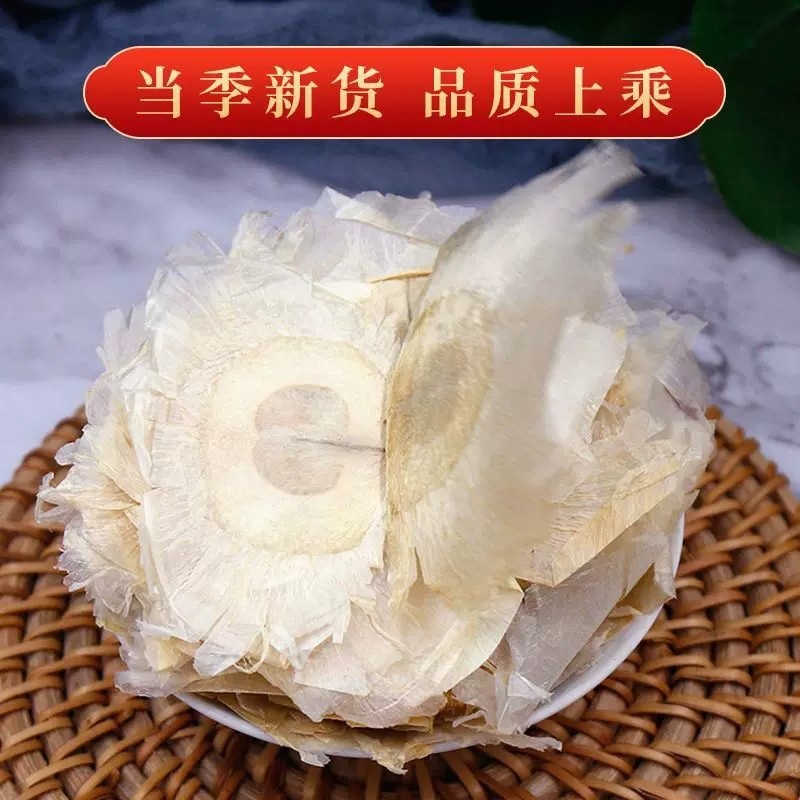
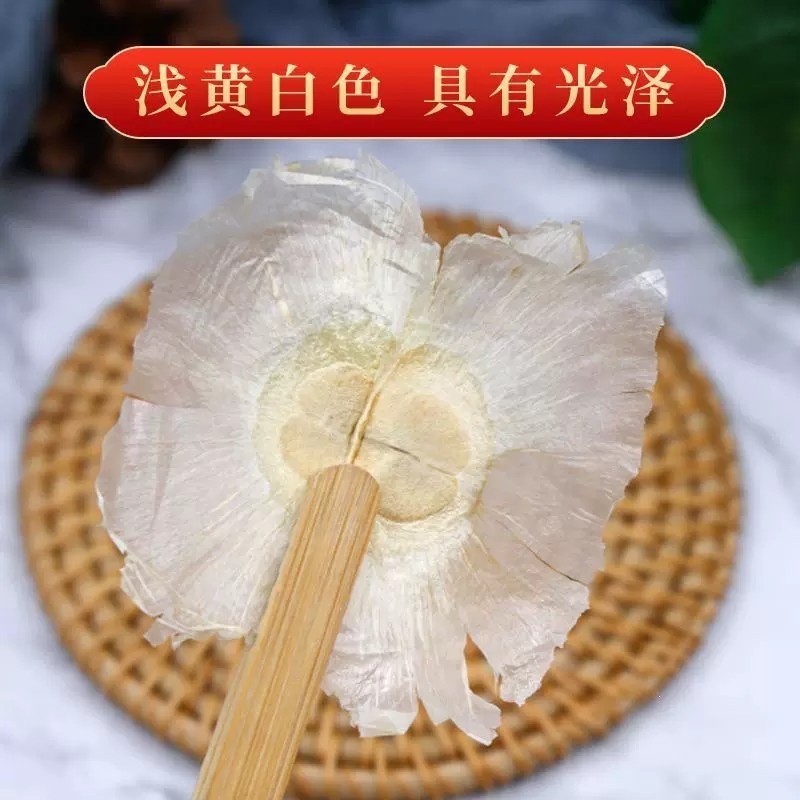
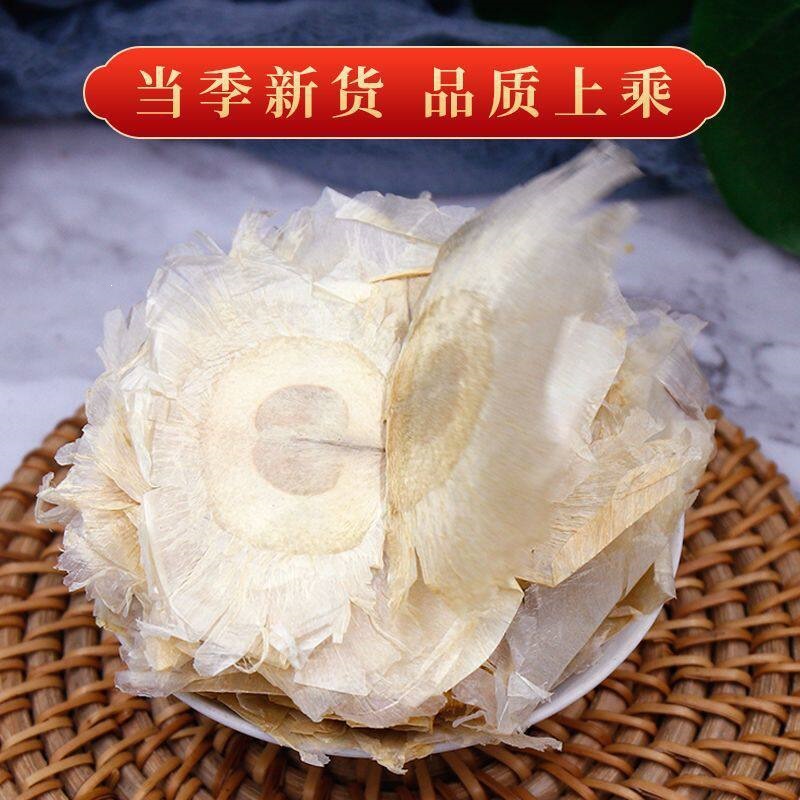
- Dried whole seed form with a light, papery texture
- Traditionally associated with the Lung and Liver channels
- Commonly brewed as a simple herbal tea or decoction
- Often paired with Pang Da Hai in traditional tea blends
Quality & Sensory
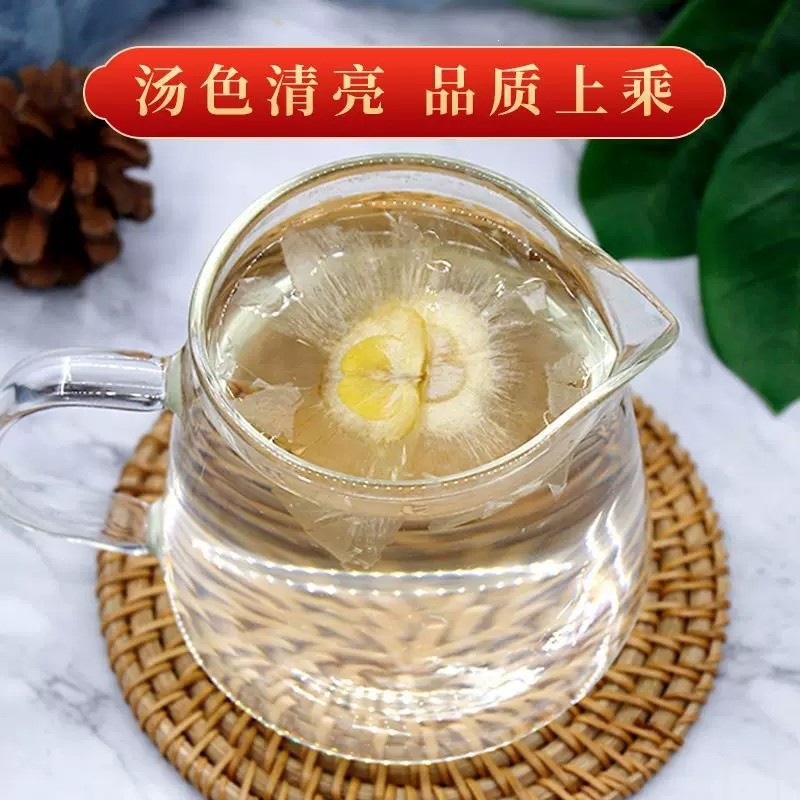
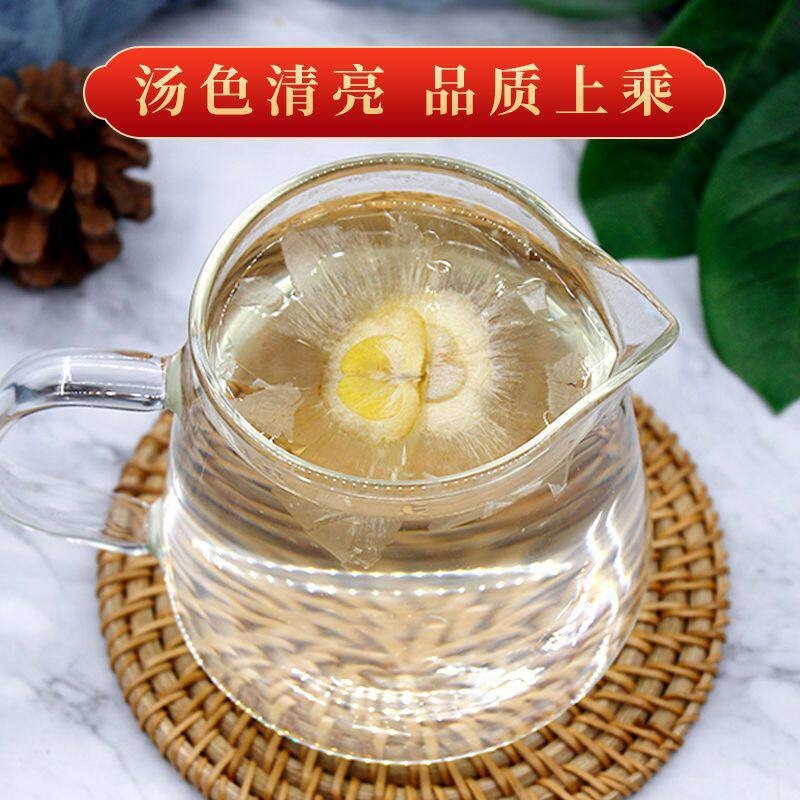
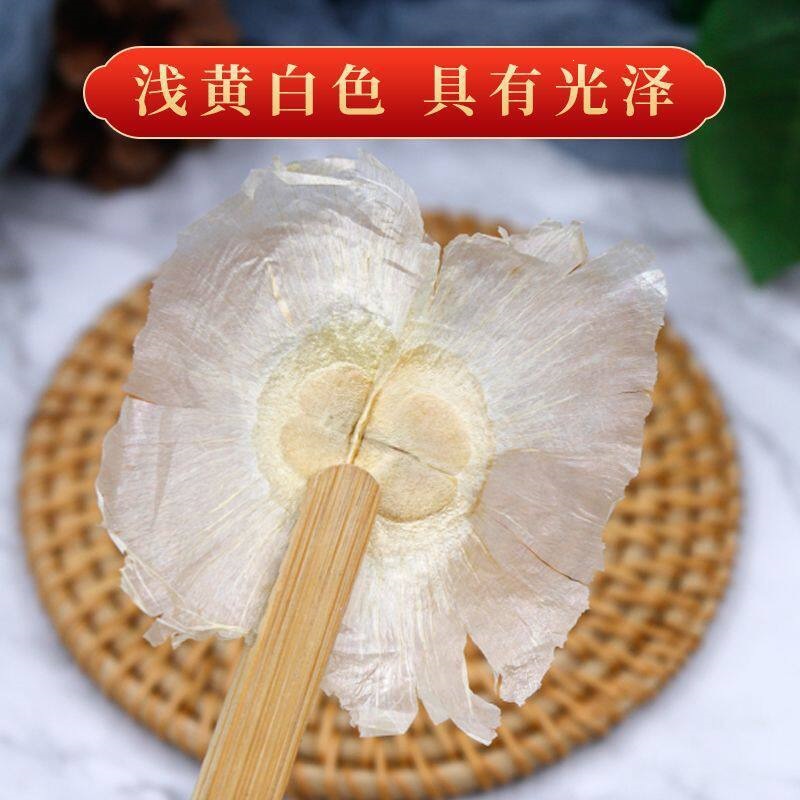
The dried seeds are typically pale yellowish-white to light tan, thin, flat, and papery in texture. They have a faint, mild herbal aroma. When brewed, the liquid is typically light and slightly bitter with a subtle earthy note.
Technical Specifications
| Product Type | Dried herbal seed |
|---|---|
| Chinese Name | 木蝴蝶 |
| Pinyin | Mu Hu Die |
| Botanical Name | Oroxylum indicum |
| Plant Part | Seed |
| Net Weight | 250g per jar, 2 jars |
Usage Scenarios
- Brewed as a simple herbal tea
- Combined with Pang Da Hai in a traditional tea blend
- Added to light herbal decoctions
- Used in seasonal throat-soothing tea preparations
Traditional Uses
In TCM theory, Mu Hu Die is traditionally used in decoctions and teas, often paired with Pang Da Hai for throat comfort. It is also included in some traditional formulas for respiratory support. Preparation typically involves steeping the dried seeds in hot water or simmering briefly in a decoction.
FAQ Q&A
Q: What is Mu Hu Die?
A: Mu Hu Die (木蝴蝶) is the dried seed of Oroxylum indicum, known in English as Wood Butterfly or Thousand-Layer Paper.
Q: What is its traditional value?
A: In TCM theory it is associated with the Lung and Liver channels and is traditionally used for throat and respiratory comfort.
Q: How is it commonly prepared?
A: It is typically brewed as a tea or added to decoctions, often paired with Pang Da Hai.
Additional information
| Weight | N/A |
|---|---|
| Dimensions | N/A |
| Model | 木蝴蝶35克 1罐, 木蝴蝶250克 1罐, 木蝴蝶250克 2罐 |
Related products
-
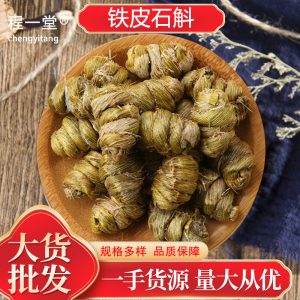
Tie Pi Shi Hu Dried Dendrobium Stems 500g Huoshan Fengdou for Soup and Tea
Price range: $35.88 through $108.80 -

Yi Zhi Ren Dried Alpinia Oxyphylla Fruit 500g Traditional Herbal Tea and Decoction Ingredient
Price range: $11.74 through $13.36 -
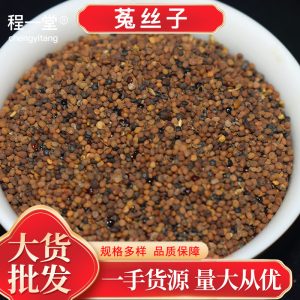
Dried Dodder Seed Tu Si Zi Whole Herb 500g Bulk Chinese Herbal Ingredient
Price range: $7.04 through $7.52 -
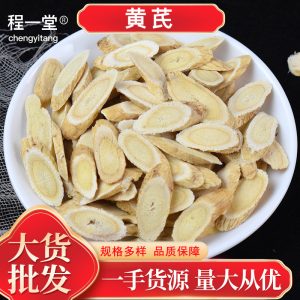
Astragalus Root Slices Huang Qi 斜片 Dried Herb for Decoction Soup and Tea 500g
Price range: $6.06 through $19.51
Reviews
There are no reviews yet.