
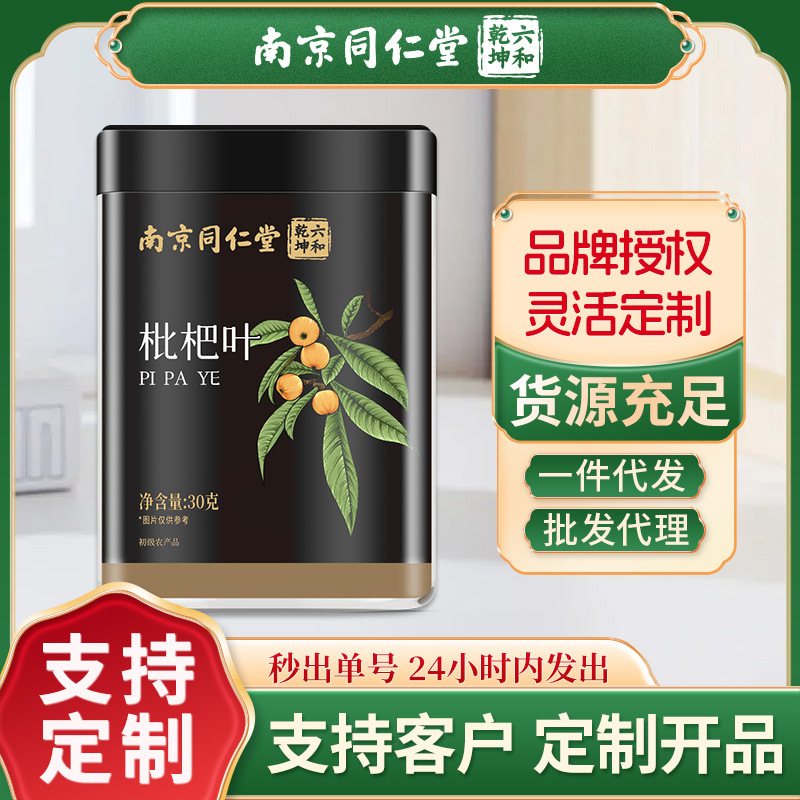
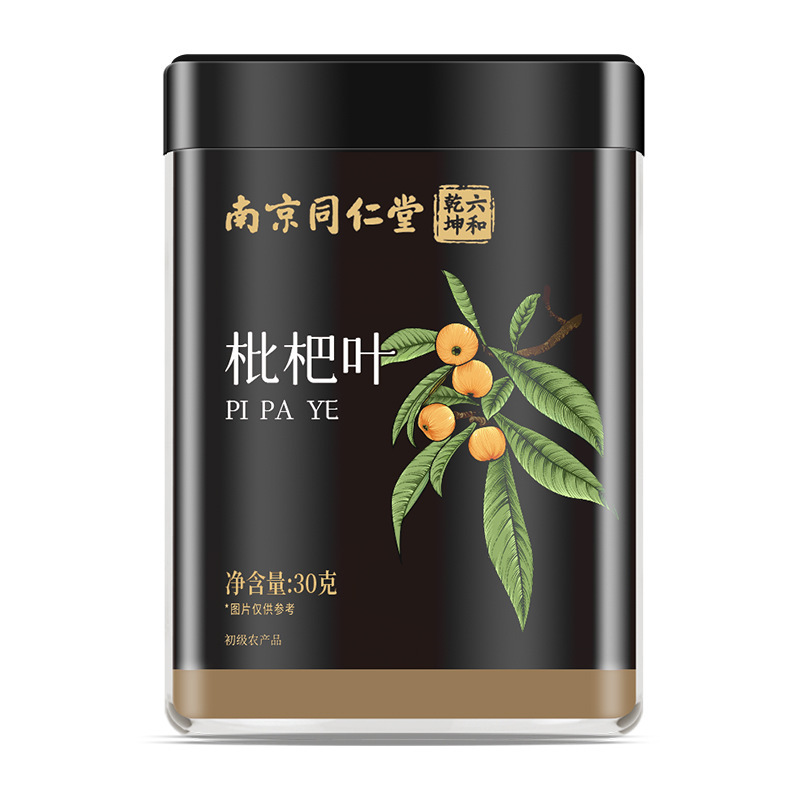
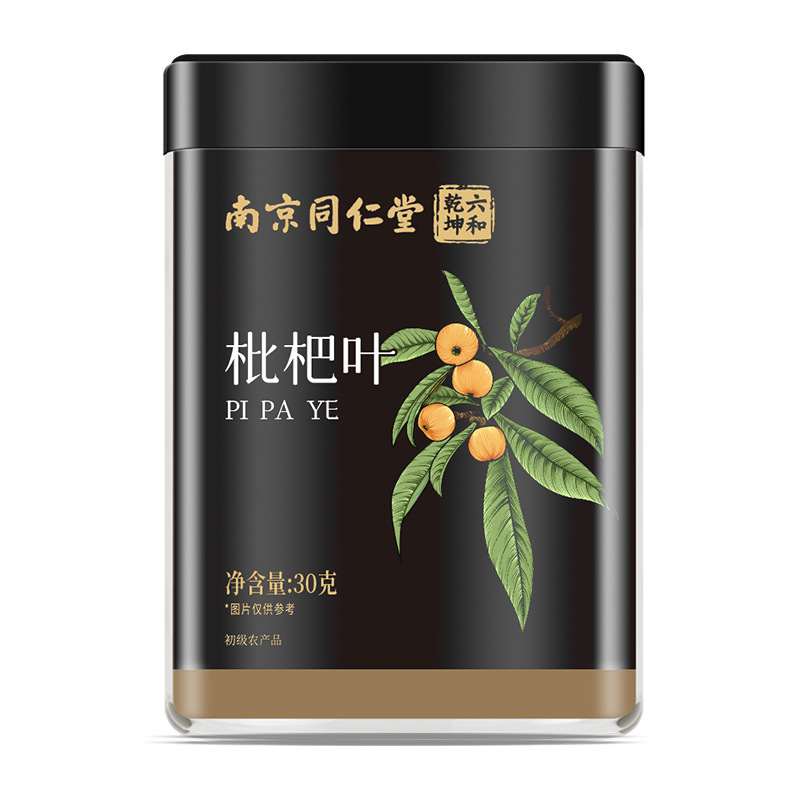
Dried Loquat Leaf Herbal Tea 30g Jar Pi Pa Ye Traditional Chinese Herbal Wellness Tea
$6.74
9999 in stock
Description
Dried Loquat Leaf, known in TCM as Pi Pa Ye (枇杷叶), from Eriobotrya japonica, is the dried leaf of the loquat tree. In TCM theory it is traditionally associated with the Lung and Stomach channels, with a bitter flavor and slightly cool nature. Traditionally used in decoctions and daily teas, it is commonly prepared alone or with other herbs. This 30g jar offers dried, sun-dried leaves for traditional herbal preparation.
Key Selling Points
- Dried Loquat Leaf (Pi Pa Ye 枇杷叶) from Eriobotrya japonica
- Sun-dried processing preserves natural leaf character
- Traditionally associated with the Lung and Stomach channels in TCM
- Bitter flavor and slightly cool nature in TCM theory
- 30g jar suitable for decoctions and daily herbal teas
Quality & Sensory
The dried leaves are typically dull green to brownish-green with a leathery, slightly brittle texture. They have a mild, earthy, hay-like aroma. When brewed or decocted, the liquid is typically pale amber with a mildly bitter, slightly astringent taste.
Technical Specifications
| Product Type | Dried Herbal Leaf |
|---|---|
| Chinese Name | 枇杷叶 |
| Pinyin | Pi Pa Ye |
| Botanical Name | Eriobotrya japonica |
| Plant Part | Leaf |
| Net Weight | 30g |
Usage Scenarios
- Brewed as a simple herbal tea
- Added to traditional decoctions
- Combined with other herbs in soup or congee
- Used in seasonal herbal tea blends
Traditional Uses
In TCM theory, Pi Pa Ye is traditionally used in decoctions, often combined with herbs such as Sang Bai Pi or Mai Dong. It is also simmered in soups or congee for seasonal wellness. Folk practice commonly prepares it as a daily tea, sometimes with honey or rock sugar to soften its bitter taste.
FAQ Q&A
Q: What is this product?
A: It is dried Loquat Leaf (Pi Pa Ye 枇杷叶) from Eriobotrya japonica, sold as a 30g jar of sun-dried leaves.
Q: What is its traditional value?
A: In TCM theory it is associated with the Lung and Stomach channels, with a bitter flavor and slightly cool nature.
Q: How is it commonly prepared?
A: It is typically brewed as a tea or simmered in decoctions, soups, or congee, sometimes with honey or other herbs.
Additional information
| Weight | 0.24 kg |
|---|---|
| Dimensions | 10 × 10 × 12 cm |
Related products
-
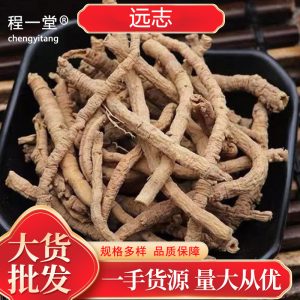
Dried Polygala Root Yuan Zhi 500g Traditional Chinese Herb for Decoction
Price range: $18.87 through $24.54 -
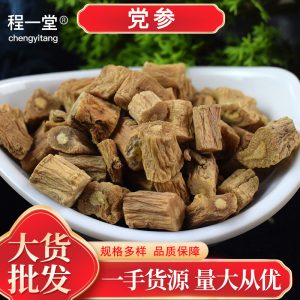
Dried Codonopsis Root Slices Dang Shen 500g Bulk Supply for Soups and Herbal Decoctions
Price range: $10.28 through $18.06 -
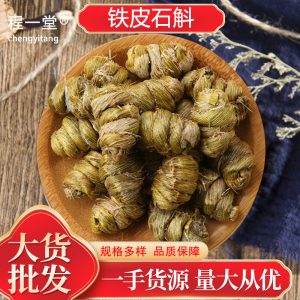
Tie Pi Shi Hu Dried Dendrobium Stems 500g Huoshan Fengdou for Soup and Tea
Price range: $35.88 through $108.80 -

Dried Huang Jing Slices Polygonatum Rhizome Chicken Head Huang Jing 500g Bulk Herbal Tea and Soup Ingredient
Price range: $9.14 through $18.87
Reviews
There are no reviews yet.