
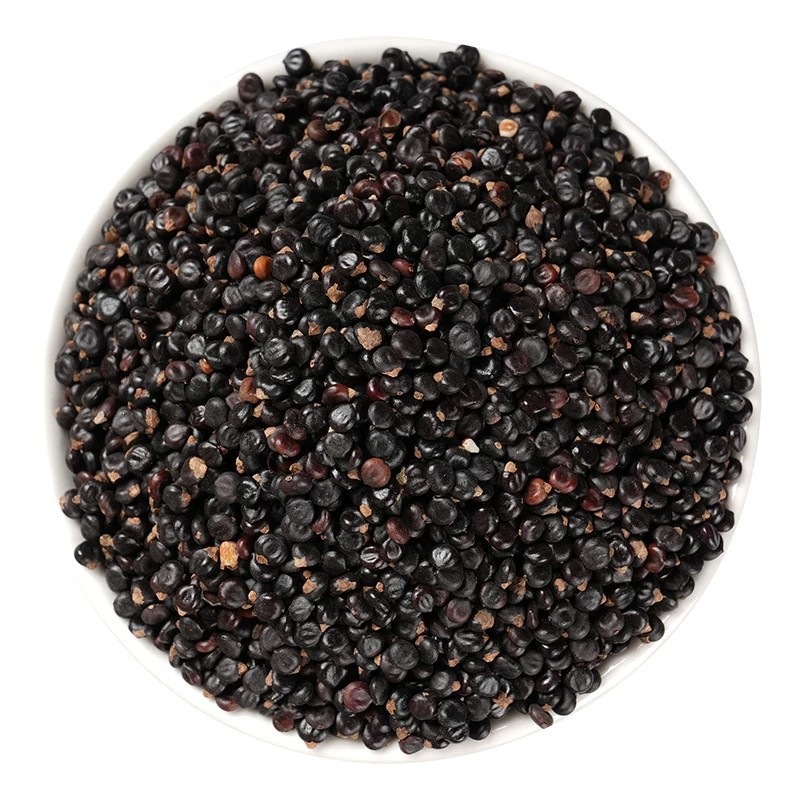
Dried Shui Hong Hua Zi Polygoni Orientalis Fruit for Herbal Tea Decoction
Description
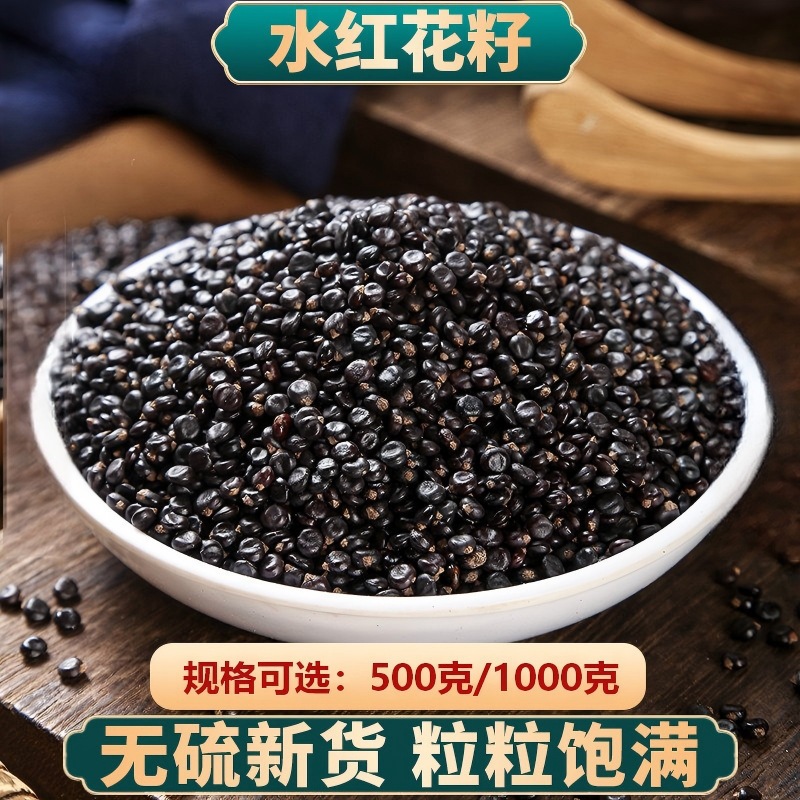
Dried Shui Hong Hua Zi (水红花子), pinyin Shui Hong Hua Zi, is the dried fruit of Polygonum orientale, also known as Prince's Feather. In TCM theory it is traditionally associated with the Liver and Stomach channels, with a slightly cold nature and salty, slightly pungent flavor. Traditionally used in decoctions and teas. Store in a cool, dry place and use as a gentle herbal infusion.
Key Selling Points
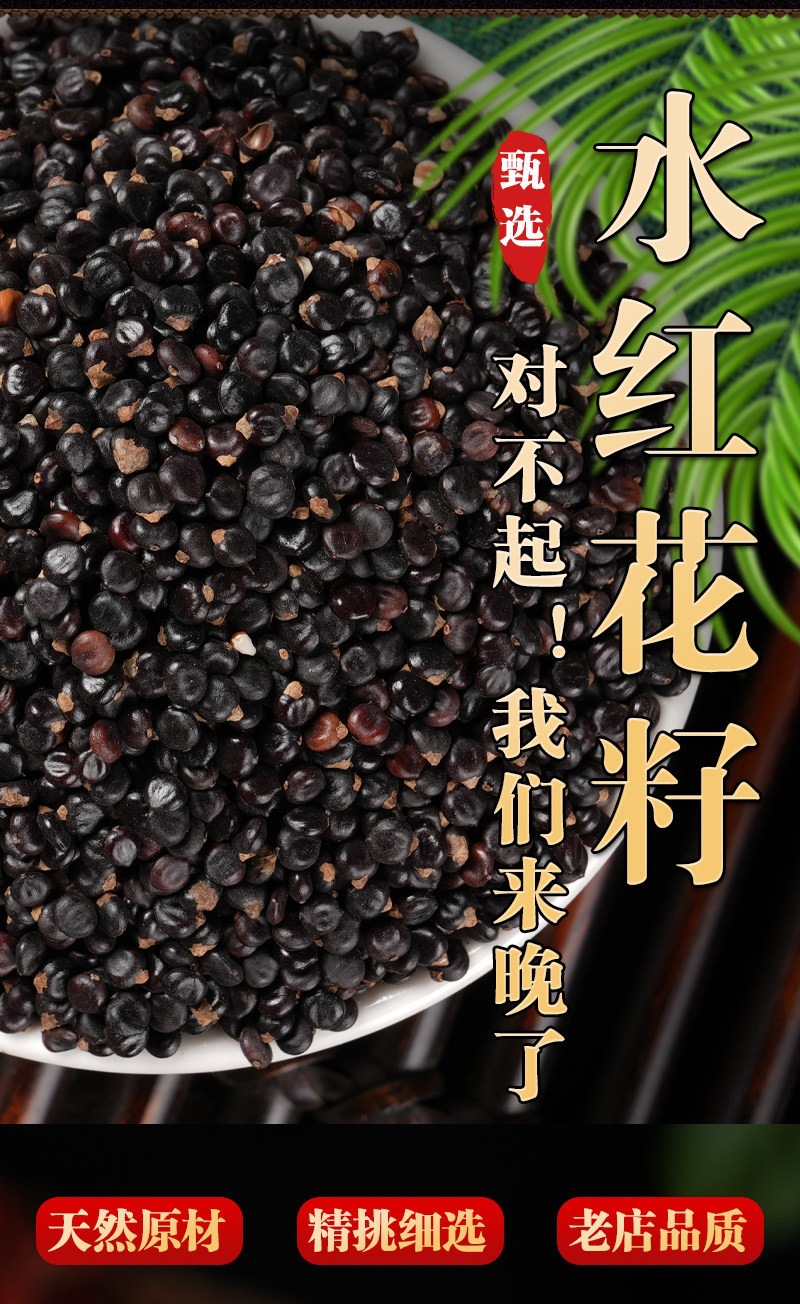
- Dried fruit of Polygonum orientale, known in TCM as Shui Hong Hua Zi (水红花子)
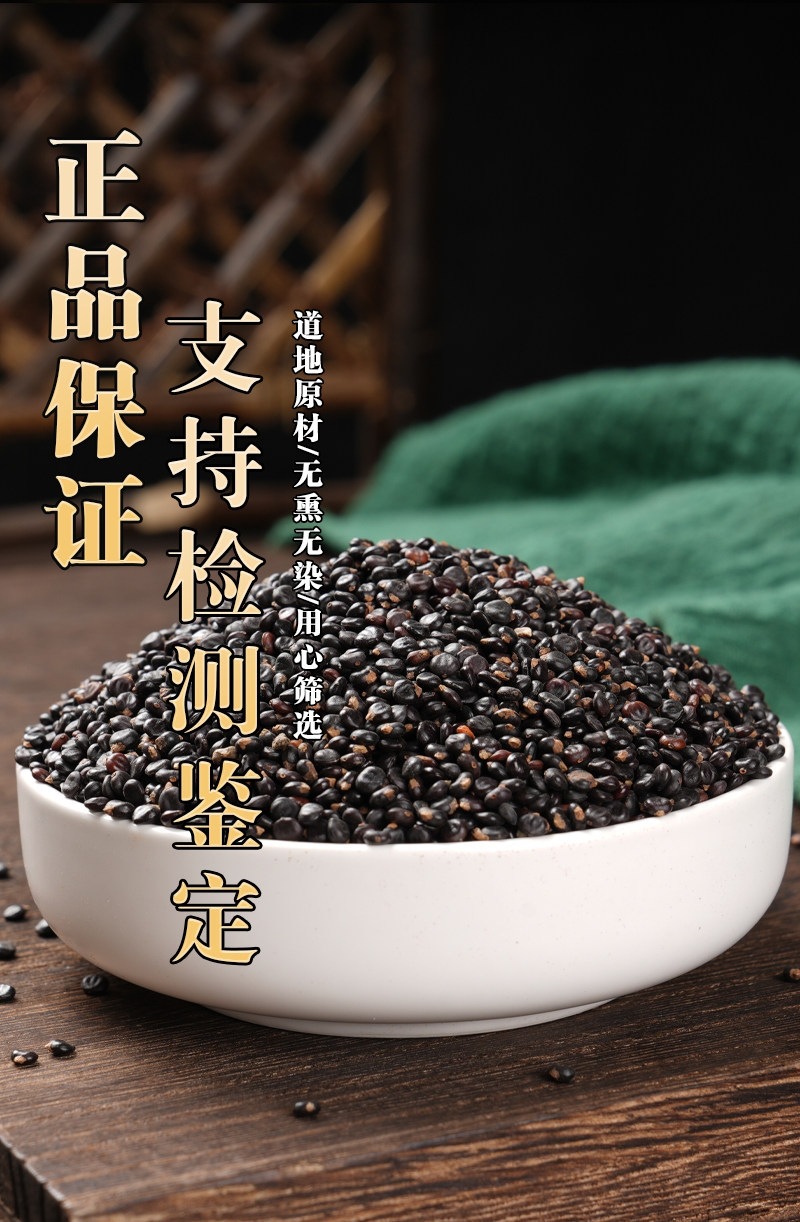
- Sulfur-free new-crop herb sourced from Hebei, China
- Sun-dried processing preserves natural color and aroma
- Traditionally associated with the Liver and Stomach channels in TCM theory
- Canned packaging for convenient storage and daily tea preparation
Quality & Sensory
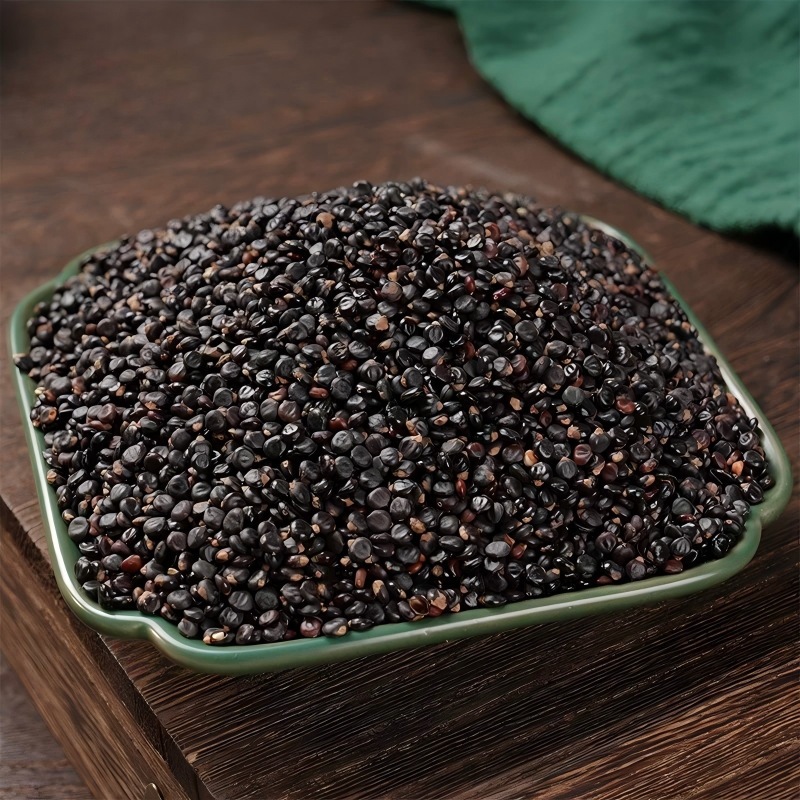
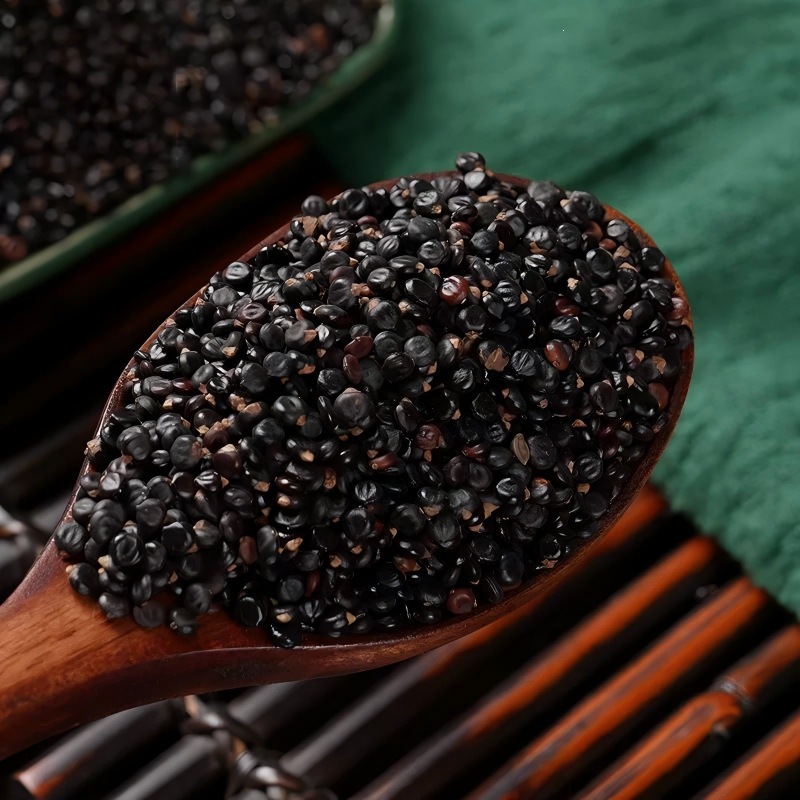
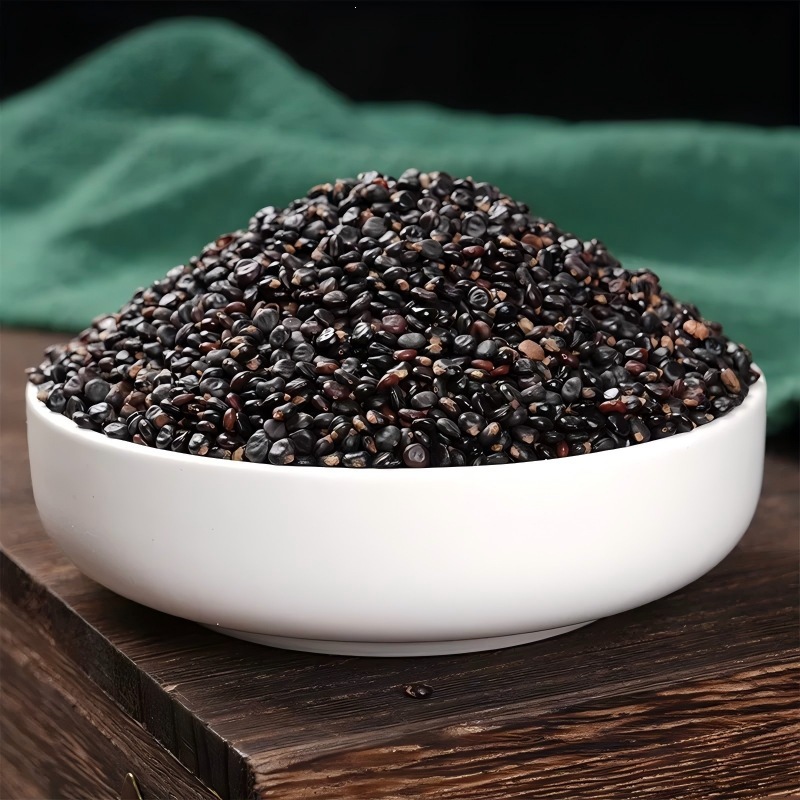
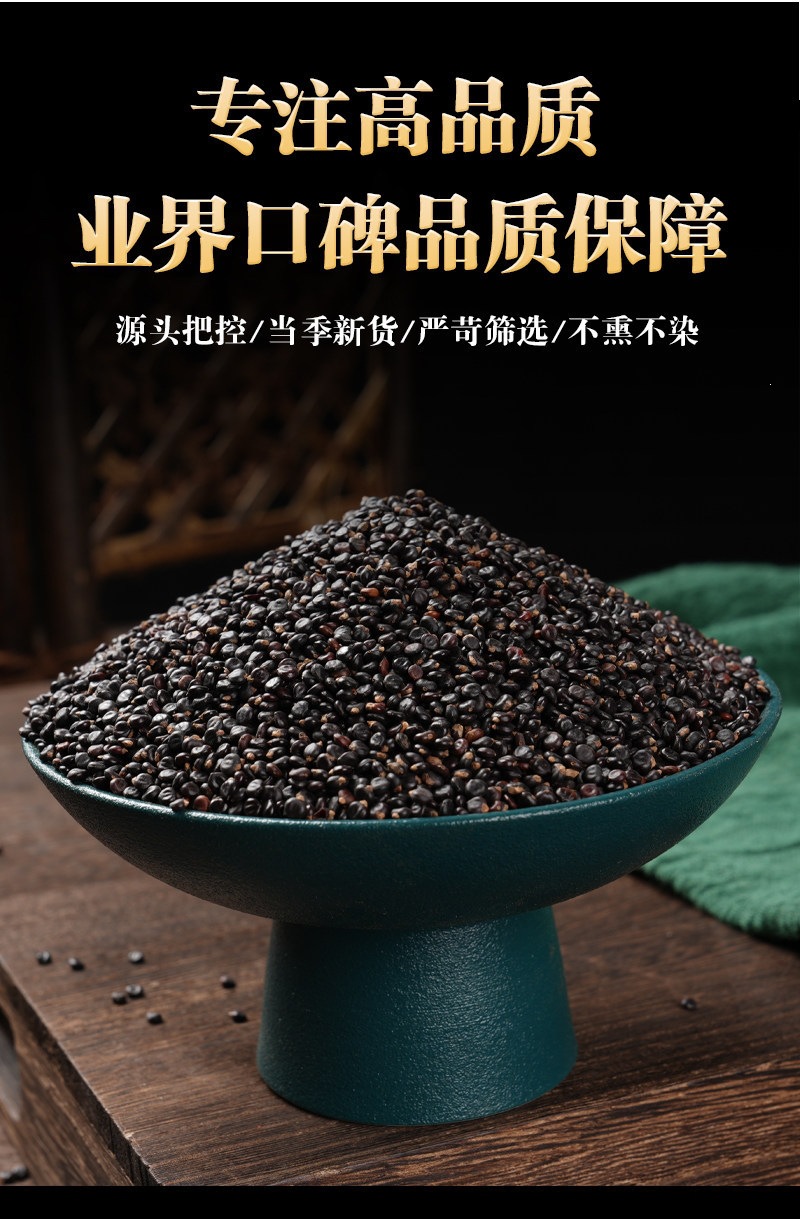
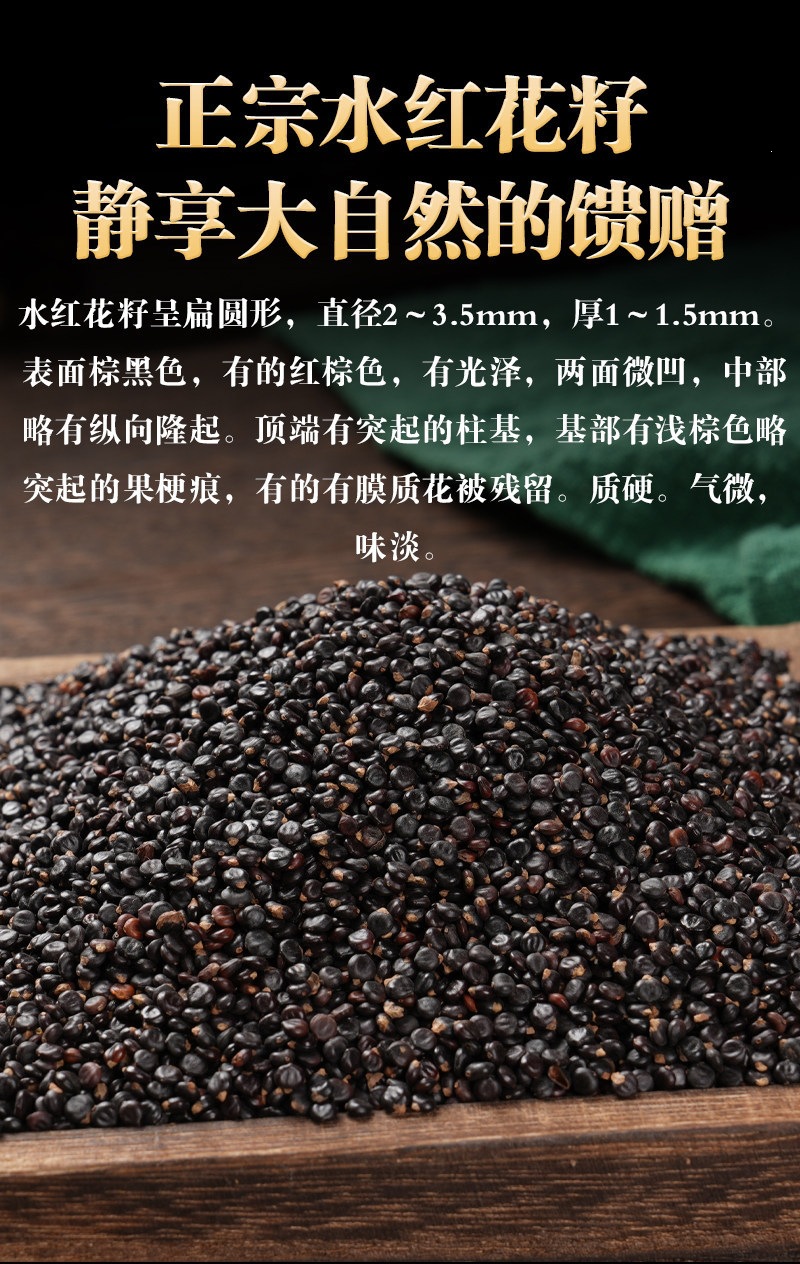
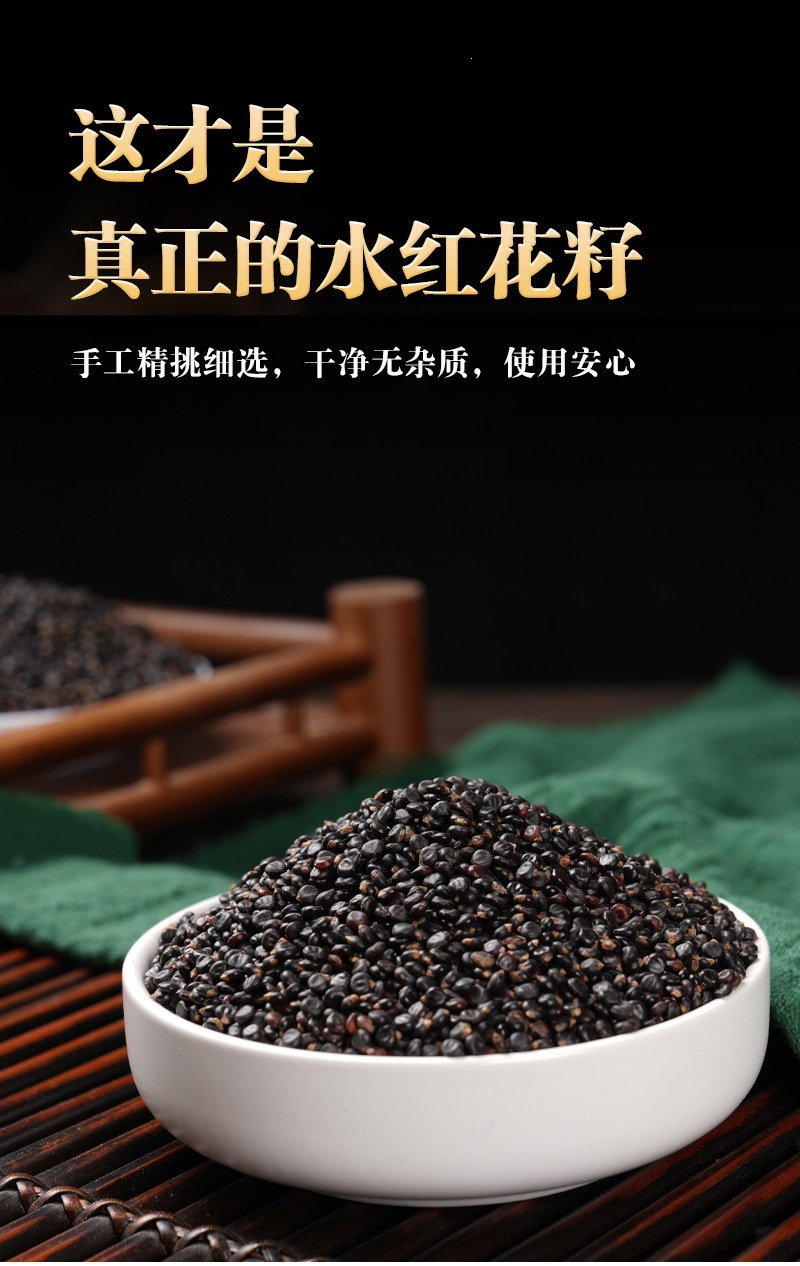
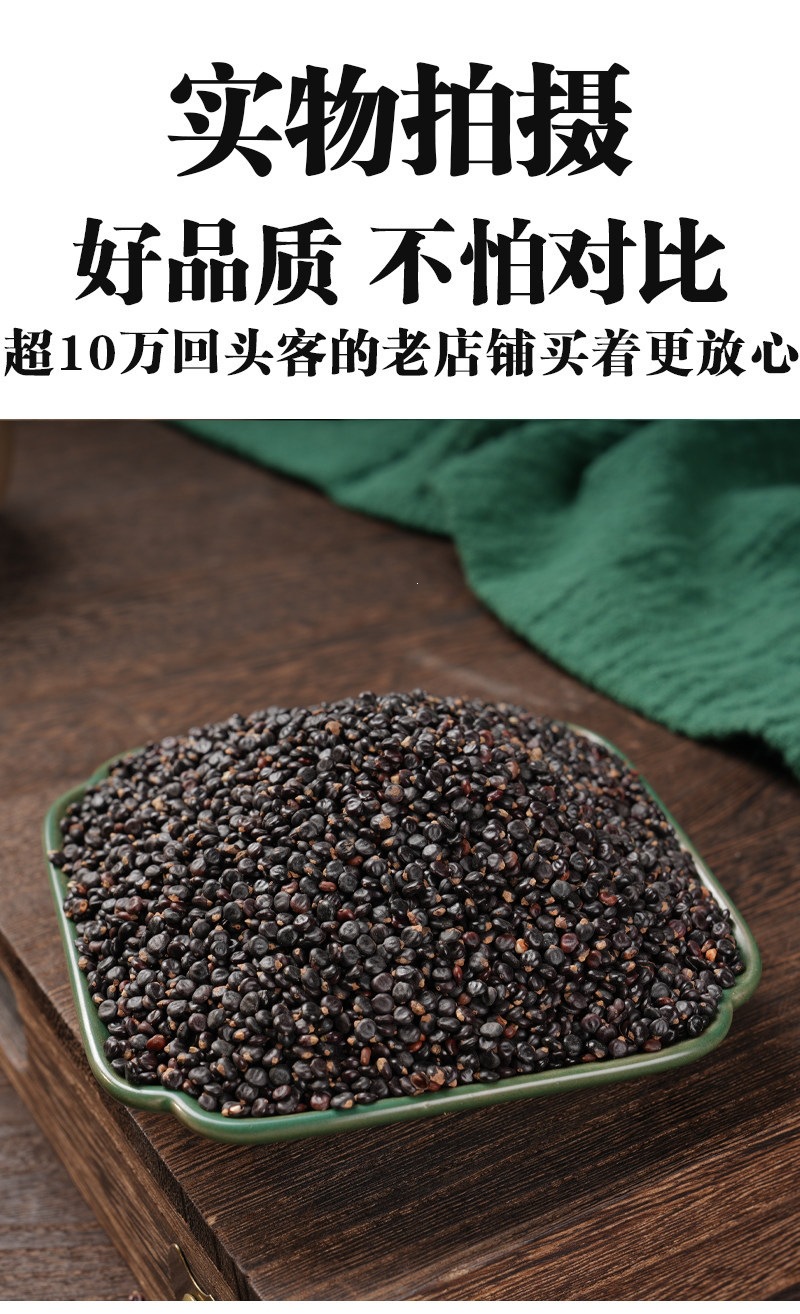
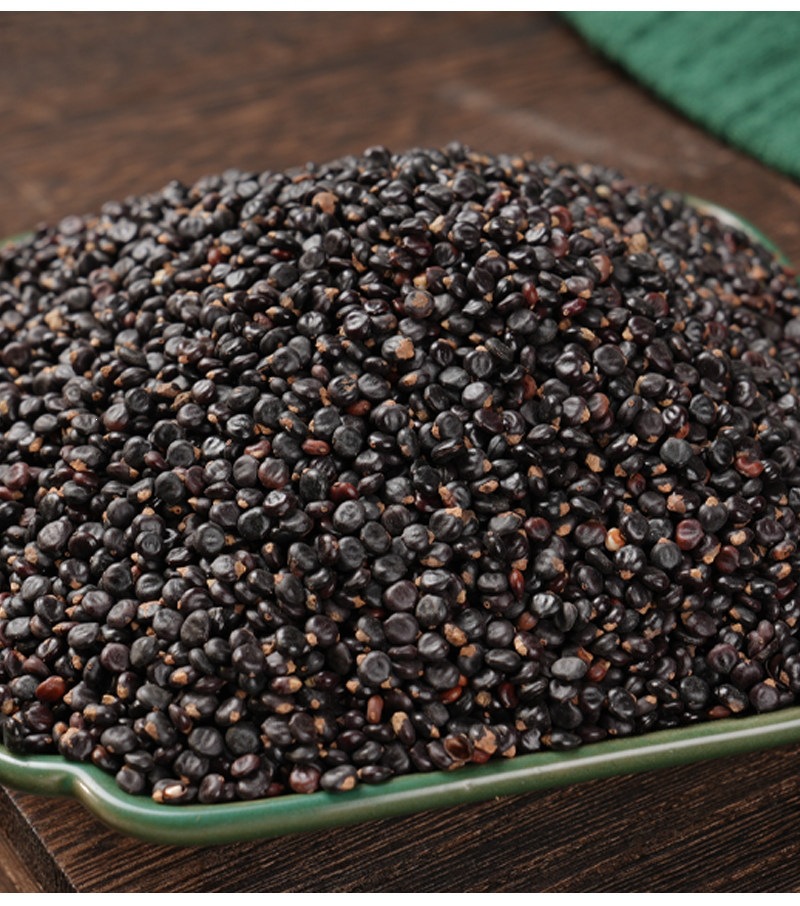
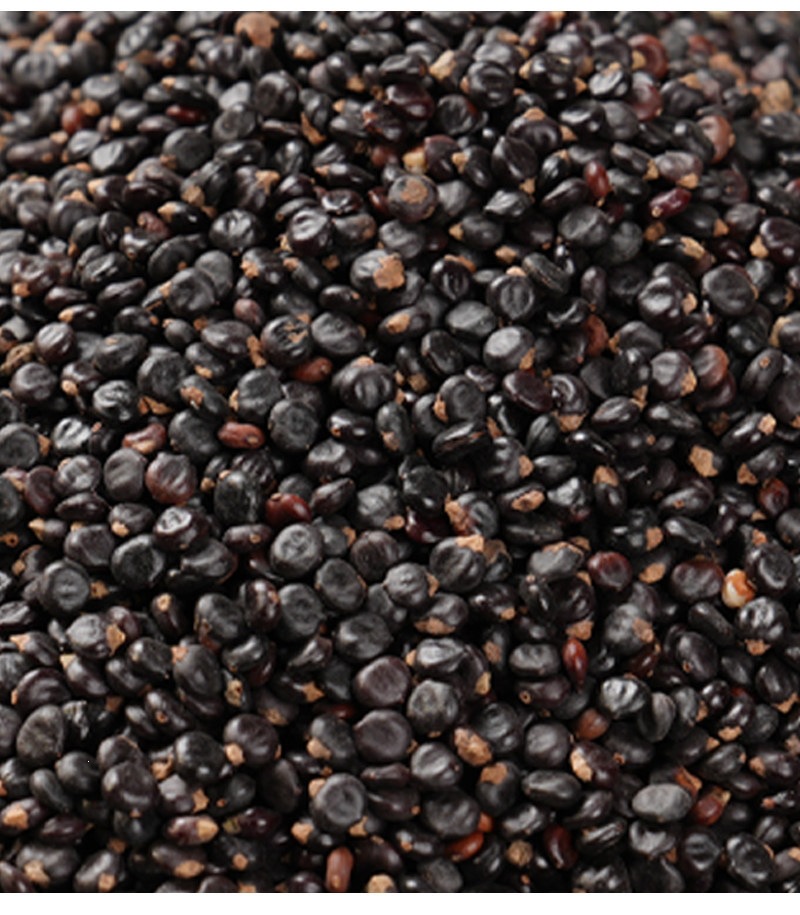
The dried fruits are typically small, dark reddish-brown to nearly black, with a firm, slightly wrinkled texture. They have a mild, earthy herbal aroma. When brewed or decocted, the liquid is typically light amber with a subtle, slightly bitter and astringent taste.
Technical Specifications
| Product Type | Dried Herbal Fruit |
|---|---|
| Chinese Name | 水红花子 |
| Pinyin | Shui Hong Hua Zi |
| Botanical Name | Polygonum orientale |
| Plant Part | Dried Fruit |
| Origin | Hebei, China |
Usage Scenarios
- Daily herbal tea by steeping in hot water
- Added to decoctions with other herbs
- Included in seasonal soup or congee recipes
- Used in traditional herbal foot soak blends
Traditional Uses
In TCM theory, Shui Hong Hua Zi is traditionally used in decoctions for its dispersing and transforming properties. It is often paired with herbs such as Shan Zha or Chen Pi in digestive blends. Folk practice includes simmering the fruit in water for tea or adding it to congee. It is also used in external foot soak preparations in some regional traditions.
FAQ Q&A
Q: What is Shui Hong Hua Zi?
A: It is the dried fruit of Polygonum orientale, known in TCM as Shui Hong Hua Zi (水红花子).
Q: What is its traditional value?
A: In TCM theory it is associated with the Liver and Stomach channels and is traditionally used for its dispersing and transforming properties.
Q: How is it commonly prepared?
A: It is typically steeped in hot water for tea or simmered in decoctions with other herbs.
Additional information
| Model | 新货水红花子180克 1罐, 新货水红花子180克 2罐, 新货水红花子500克 1罐, 新货水红花子500克 2罐, 新货水红花子500克 3罐, 新货水红花子500克 4罐 |
|---|
Related products
-
Dried Raspberry Fruit Fu Pen Zi 500g Whole Berries for Herbal Tea and Wine Infusion
Price range: $14.00 through $16.44 -
Taizishen Dried Pseudostellaria Root TCM Herbal Tea and Soup Ingredient 500g Bulk Pack
Price range: $10.28 through $15.63 -
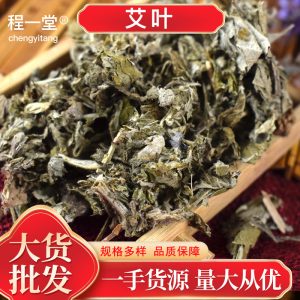
Dried Mugwort Leaf Ai Ye 500g Chinese Herbal Bath Foot Soak and Smoke Cleansing Herb
Price range: $4.77 through $5.25 -
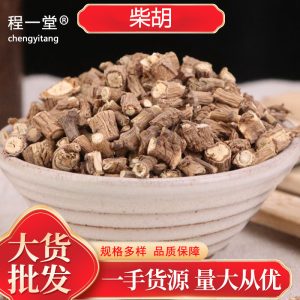
Chai Hu Bupleurum Root Dried Herb 500g Traditional TCM Decoction Herb
Price range: $9.14 through $16.44
Reviews
There are no reviews yet.