
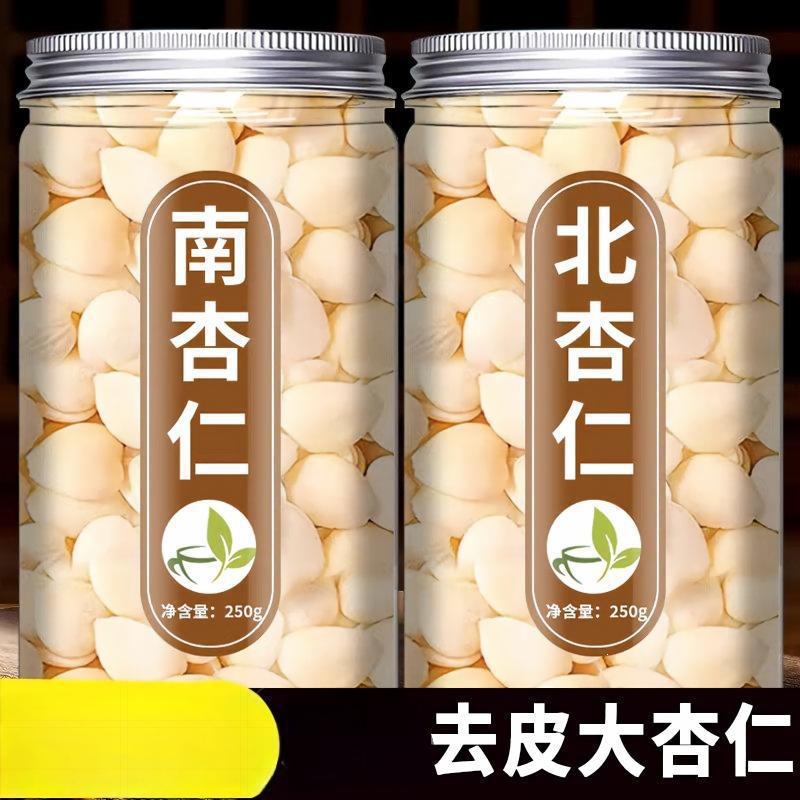
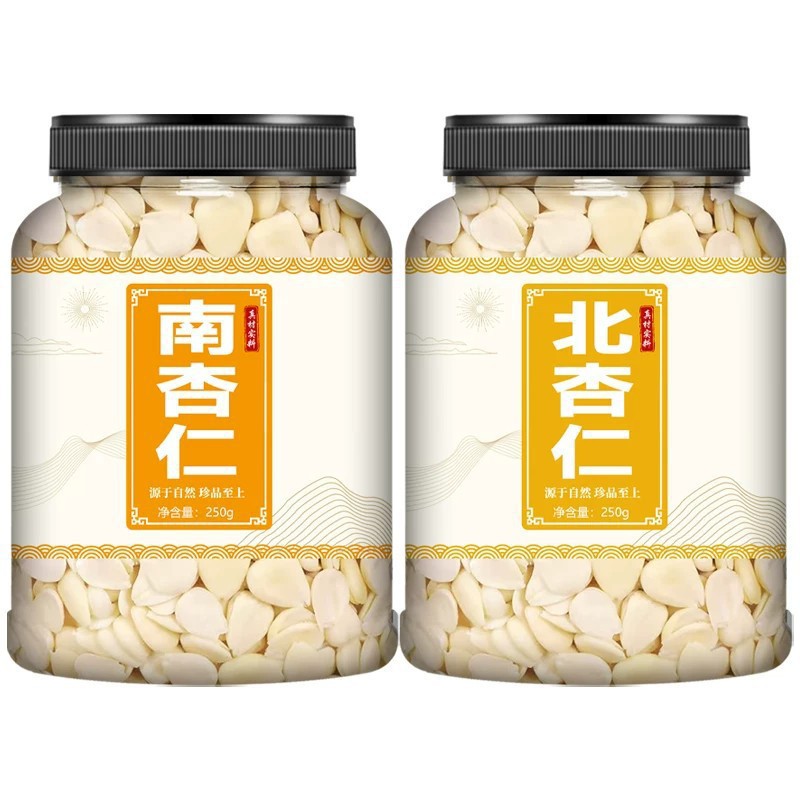
Peeled South and North Apricot Kernel Slices for Soy Milk Soup and Congee 250g x 2 Jars
Description
Peeled Apricot Kernel Slices, known in TCM as Xing Ren (杏仁), from Prunus armeniaca. These dried kernel slices are a traditional food-grade ingredient used in Chinese kitchens and herbal preparations. In TCM theory, apricot kernel is associated with the Lung channel, with a mild nature and sweet-bitter flavor. Traditionally used in small culinary amounts for soups, congee, and soy milk. Store in a cool dry place.
Key Selling Points
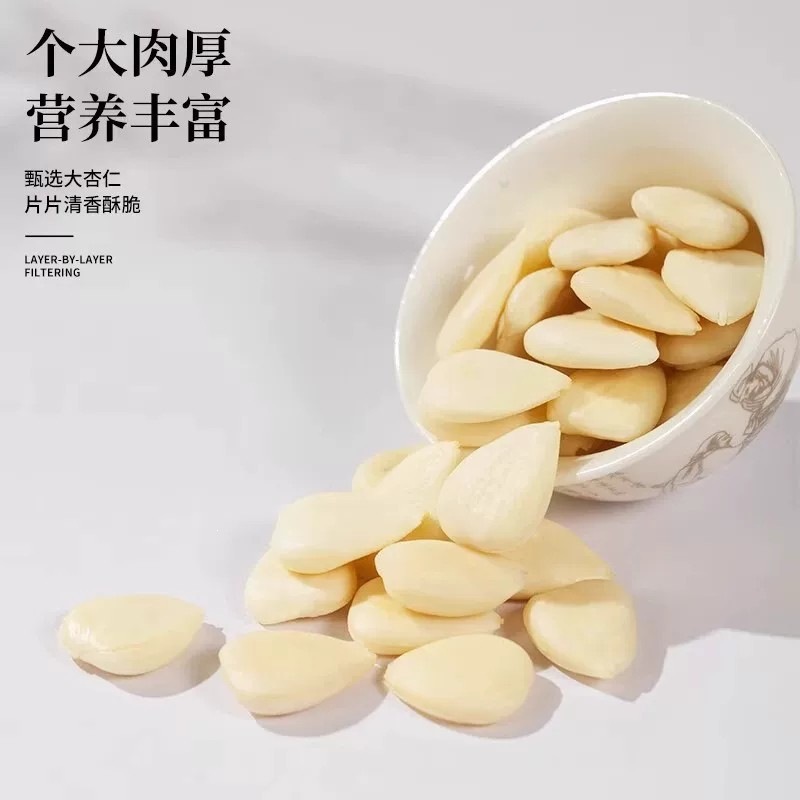
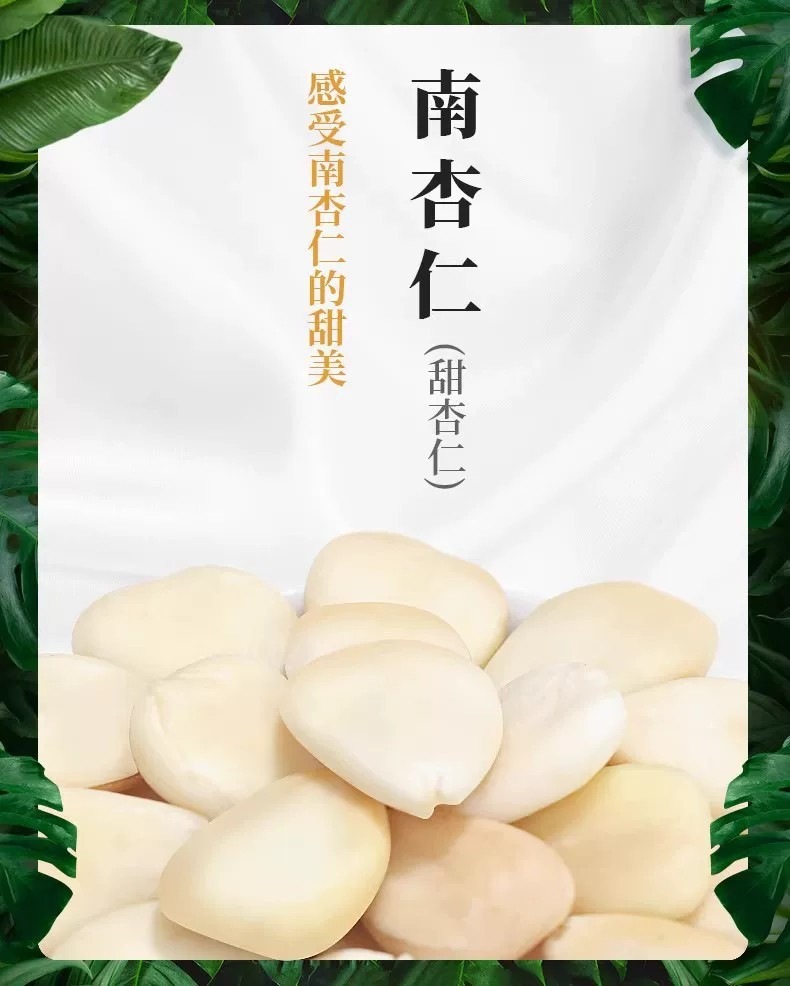
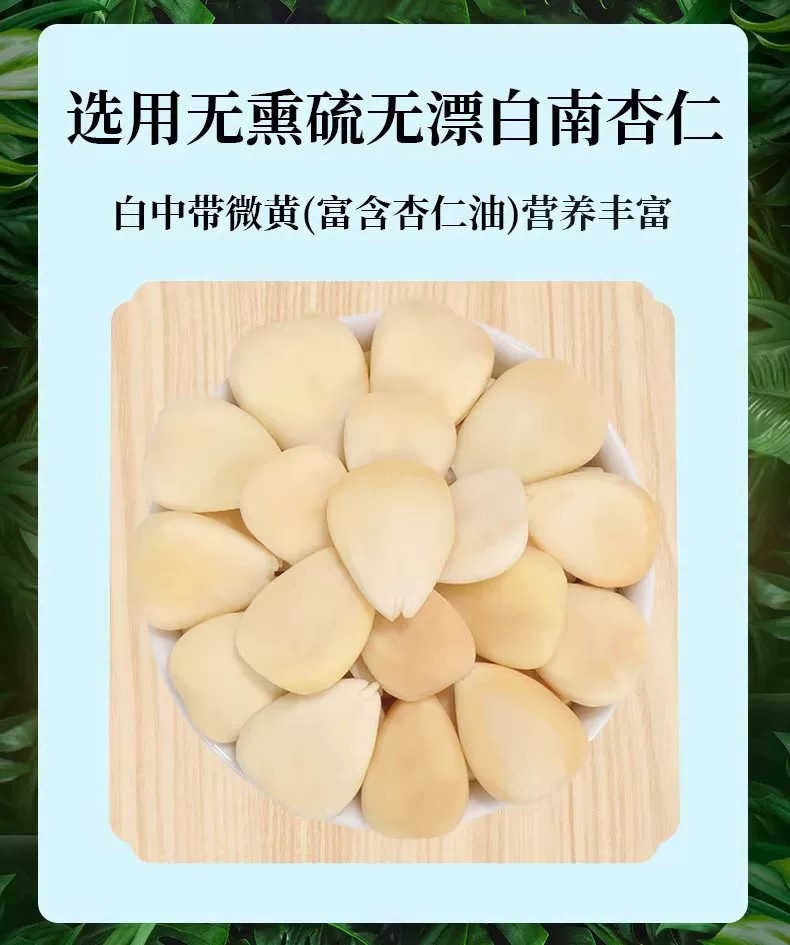
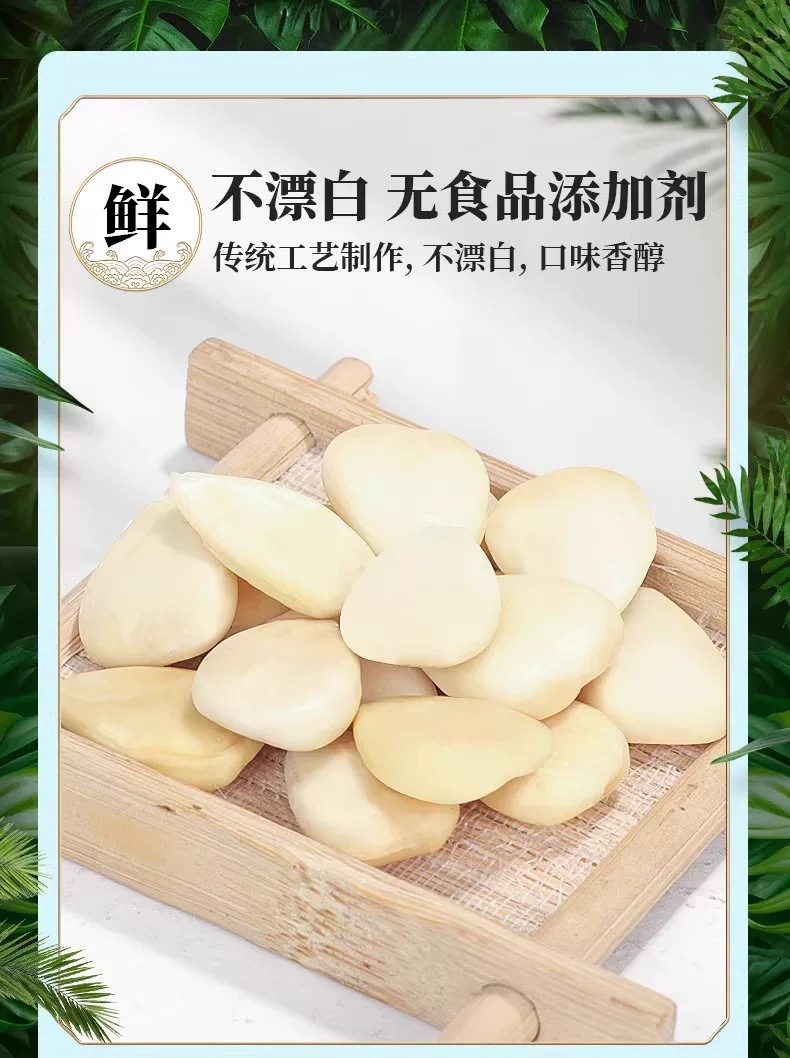
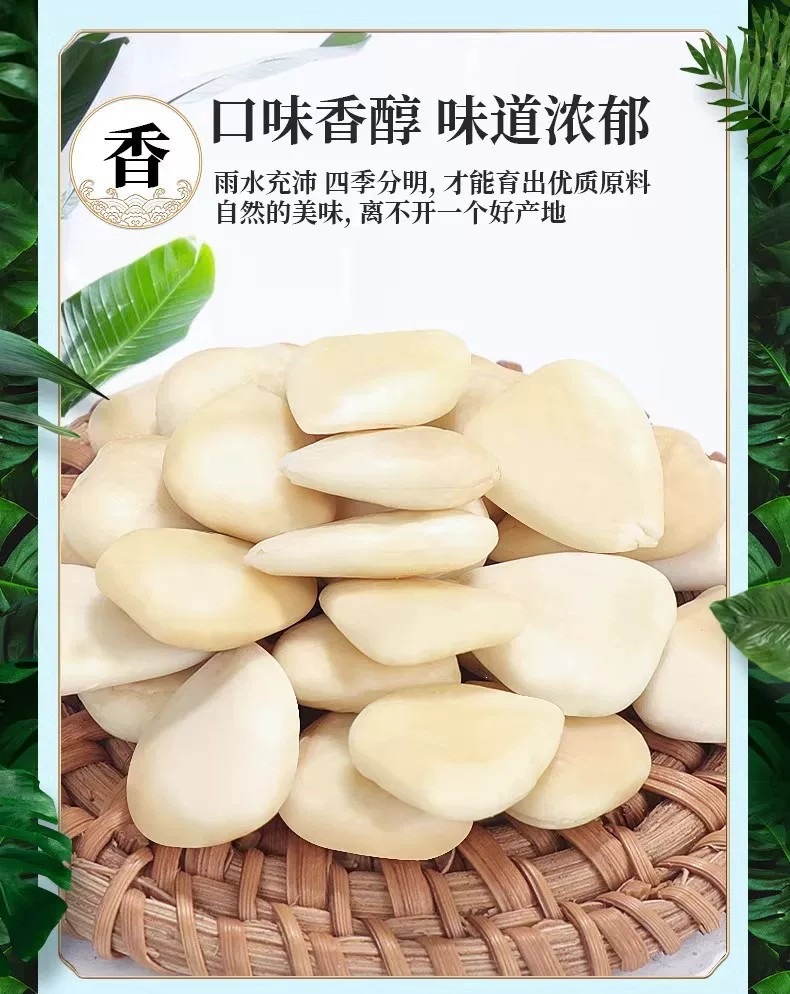
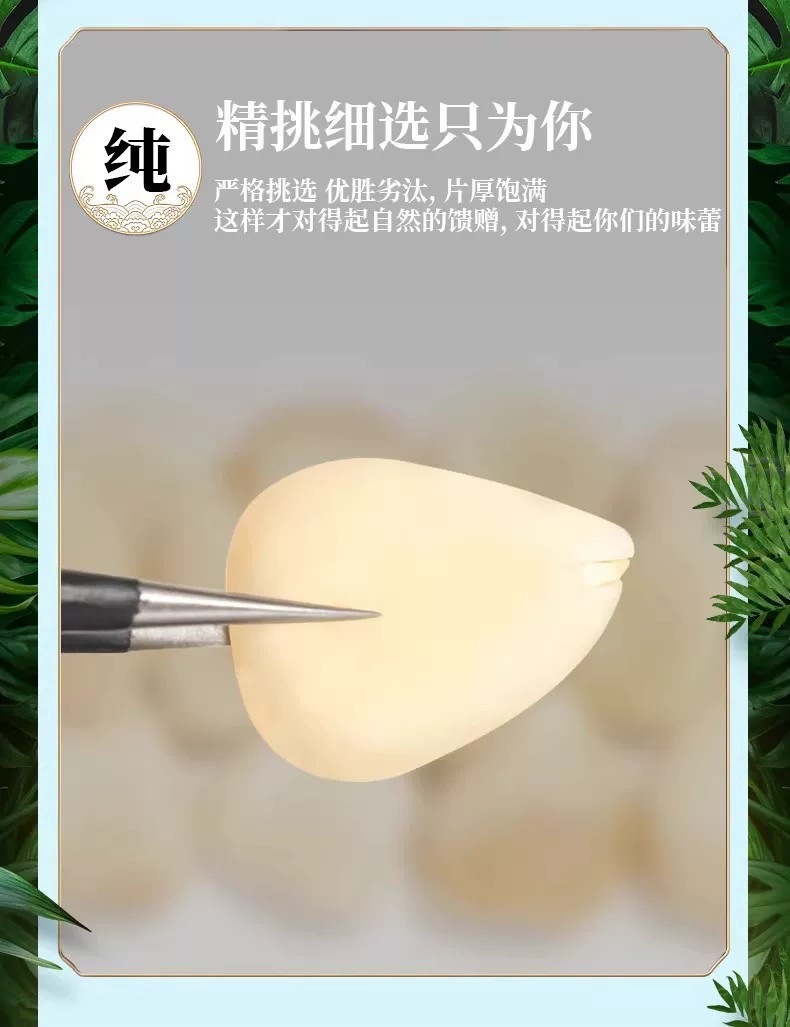
- Peeled apricot kernel slices with skins removed for smoother texture
- Known in TCM as Xing Ren (杏仁) from Prunus armeniaca
- Dried and sun-cured for stable shelf life
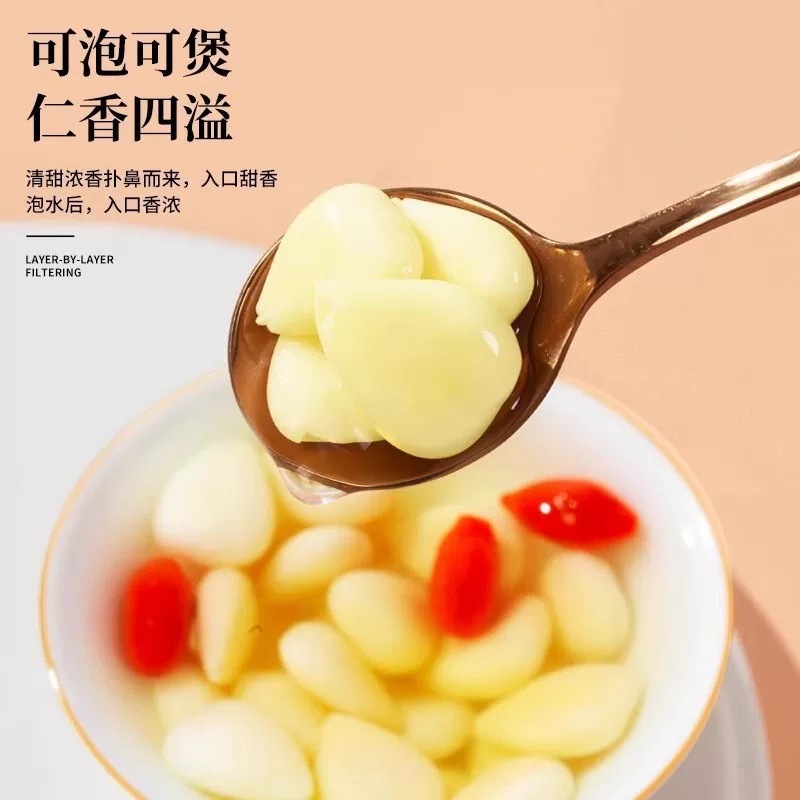
- Traditional ingredient for soups, congee, and soy milk
- Two 250g jars for convenient home storage
Quality & Sensory
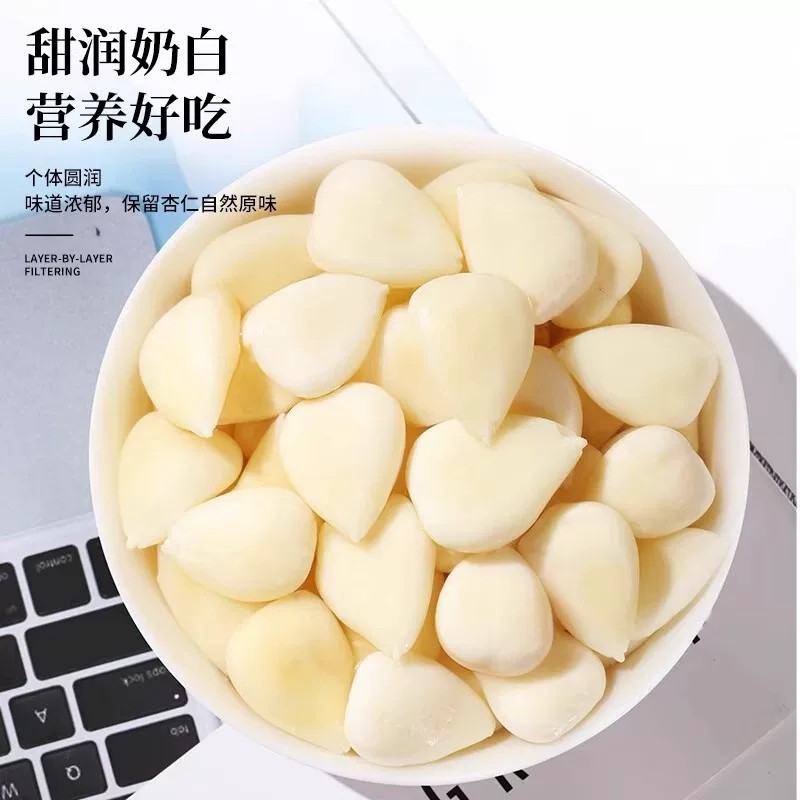
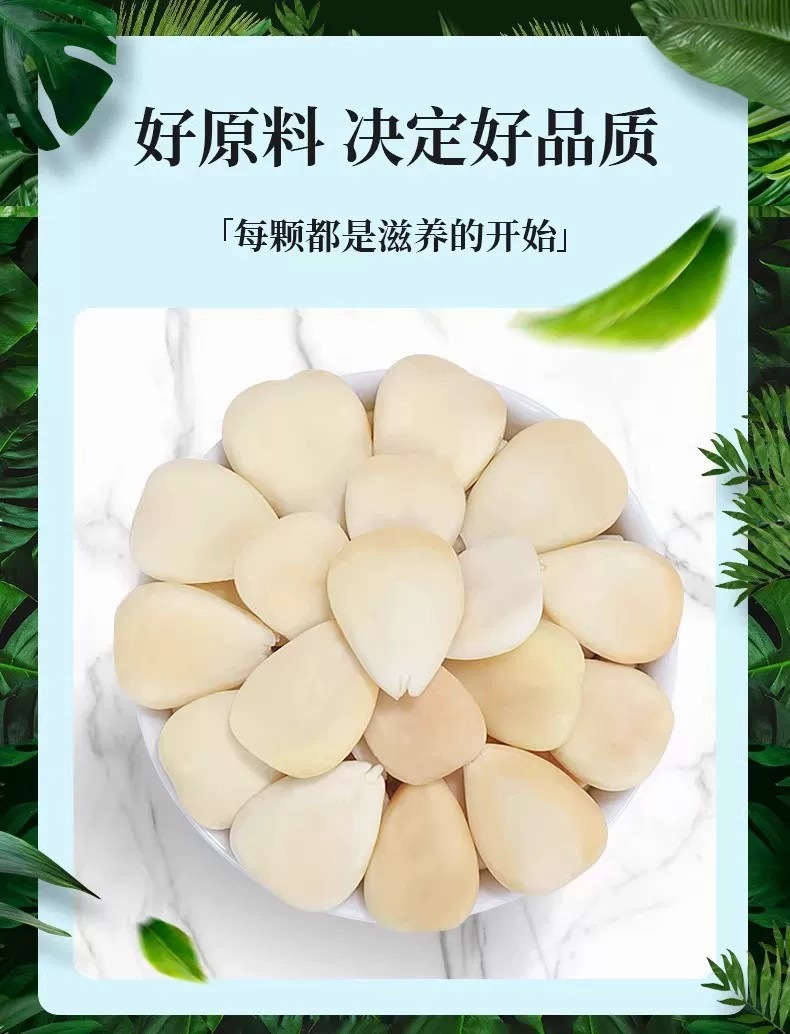
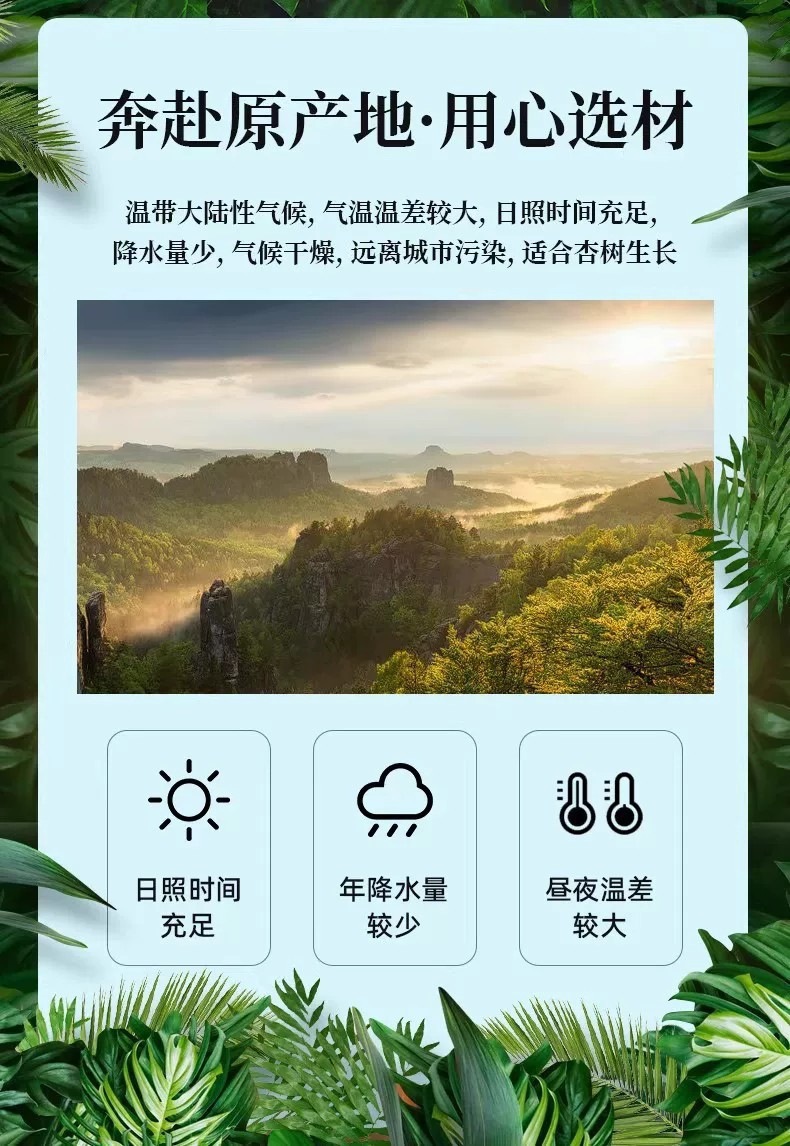
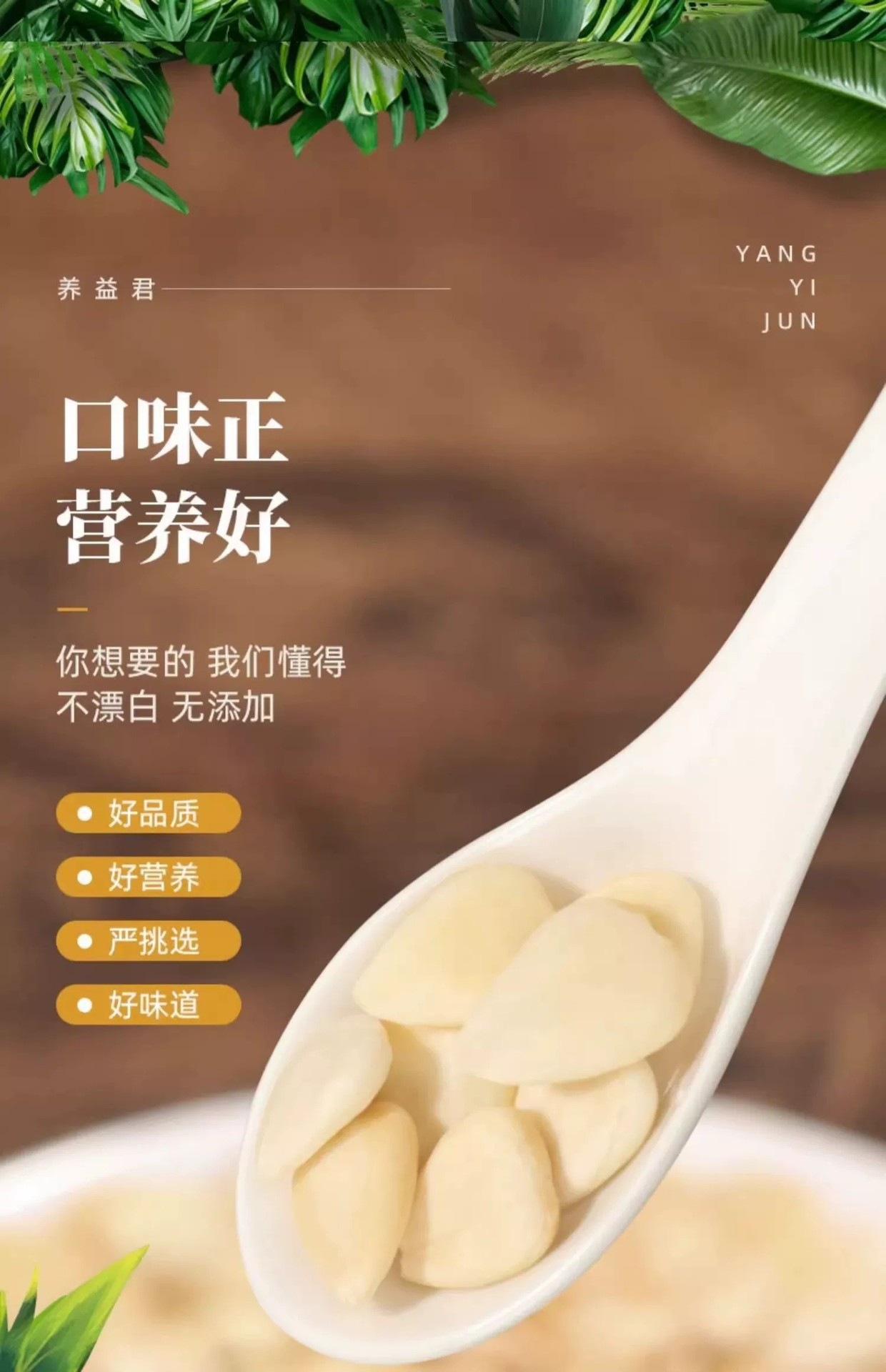
The slices are typically off-white to pale cream in color with a firm, slightly waxy texture. They have a mild, faintly nutty aroma. After soaking or cooking, they soften and taste gently sweet and nutty, blending well into soups, congee, and soy milk.

Technical Specifications
| Product Type | Dried peeled apricot kernel slices |
|---|---|
| Chinese Name | 杏仁 |
| Pinyin | Xing Ren |
| Botanical Name | Prunus armeniaca |
| Plant Part | Kernel |
| Net Weight | 250g per jar, 2 jars total |
Usage Scenarios
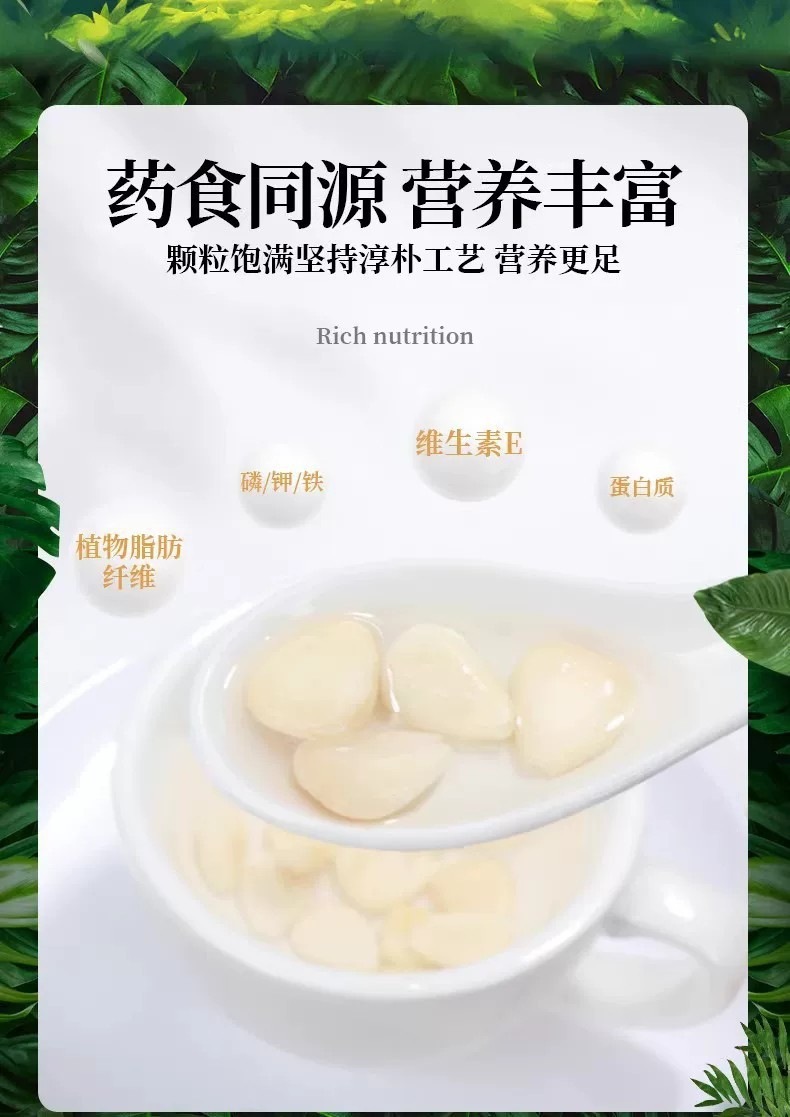
- Added to soy milk during blending
- Simmered in soups
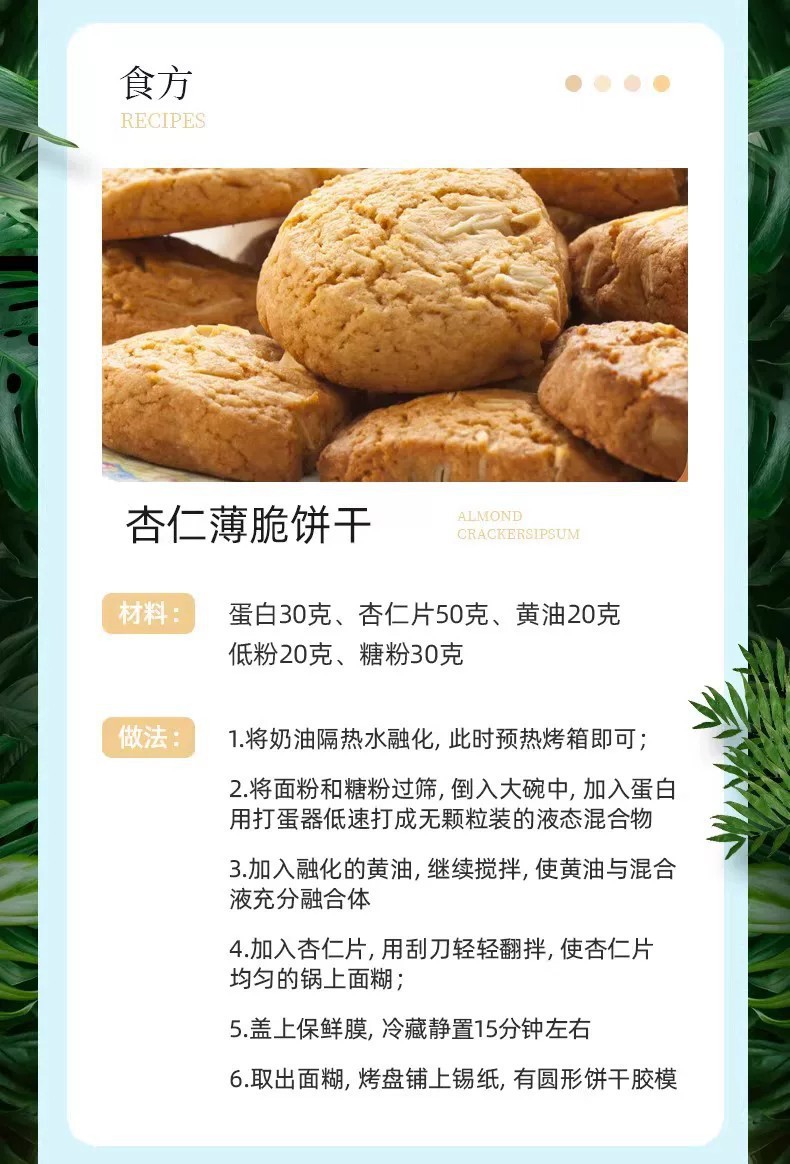
- Cooked into congee
- Used in traditional sweet soups
Traditional Uses
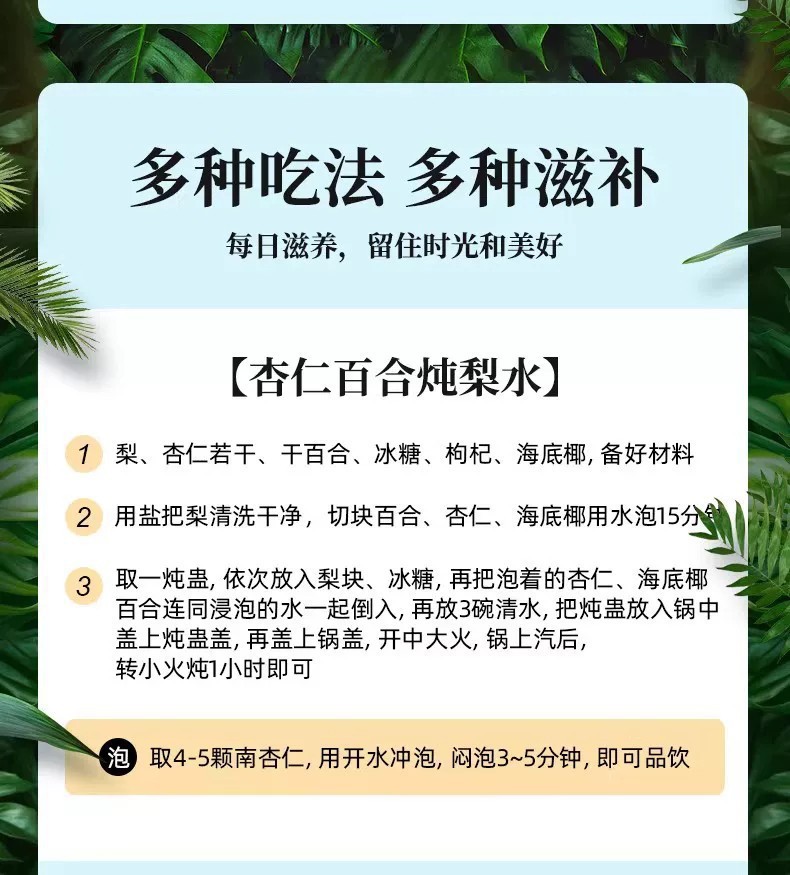
In TCM and folk practice, apricot kernel is traditionally used in small culinary amounts in soups, congee, and sweet dessert soups. It is often paired with ingredients such as lily bulb or snow pear in seasonal preparations. Traditional methods typically involve soaking, peeling, and cooking thoroughly before consumption.
FAQ Q&A
Q: What is this product?
A: It is dried, peeled apricot kernel slices, known in TCM as Xing Ren (杏仁), from Prunus armeniaca.
Q: What is its traditional value?
A: In TCM theory, apricot kernel is associated with the Lung channel and has a mild nature with a sweet-bitter flavor. It is traditionally used in small culinary amounts.
Q: How is it commonly prepared?
A: It is typically soaked, then simmered in soups or congee, or blended into soy milk. Cook thoroughly before eating.
Additional information
| Model | 1罐 去皮北杏仁 250g 1罐, 2罐 去皮南杏仁 去皮北杏仁500克 1组, 2罐 去皮北杏仁 250g 2罐, 3罐 去皮北杏仁 250g 3罐, 4罐 去皮北杏仁 250g 4罐, 1罐 去皮南杏仁 250g 1罐, 2罐 去皮南杏仁 250g 2罐 |
|---|
Related products
-

Dried Huang Jing Slices Polygonatum Rhizome Chicken Head Huang Jing 500g Bulk Herbal Tea and Soup Ingredient
Price range: $9.14 through $18.87 -
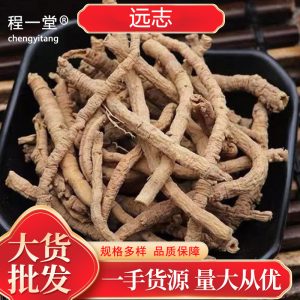
Dried Polygala Root Yuan Zhi 500g Traditional Chinese Herb for Decoction
Price range: $18.87 through $24.54 -
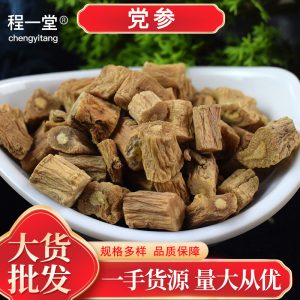
Dried Codonopsis Root Slices Dang Shen 500g Bulk Supply for Soups and Herbal Decoctions
Price range: $10.28 through $18.06 -
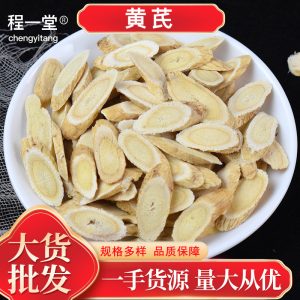
Astragalus Root Slices Huang Qi 斜片 Dried Herb for Decoction Soup and Tea 500g
Price range: $6.06 through $19.51
Reviews
There are no reviews yet.