
Dried Gu Ya Sprouted Rice Grain Traditional Chinese Herbal Decoction Pieces 500g New Crop
Price range: $5.51 through $29.46
Description
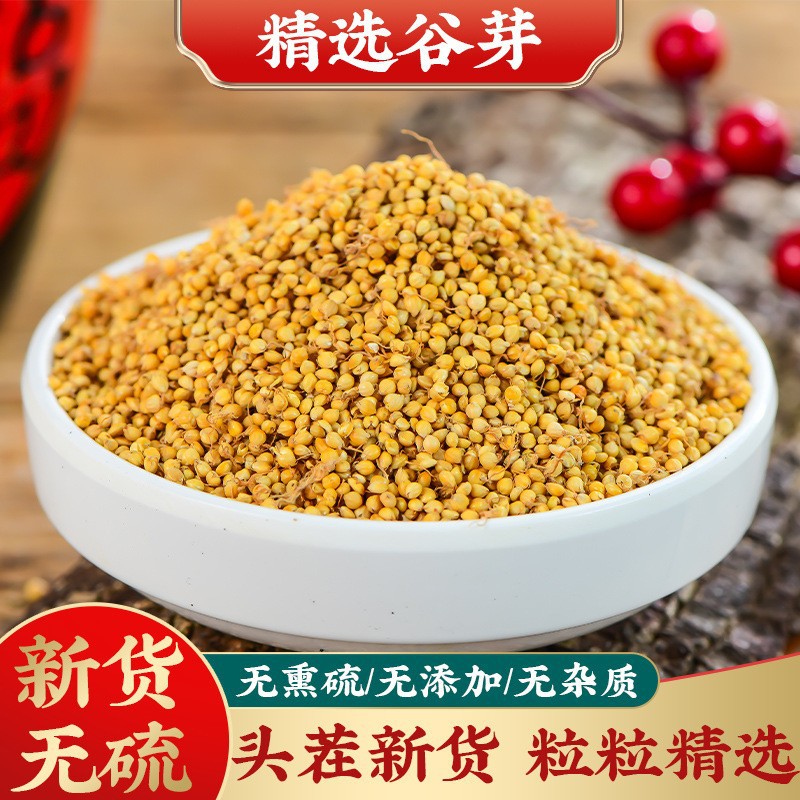
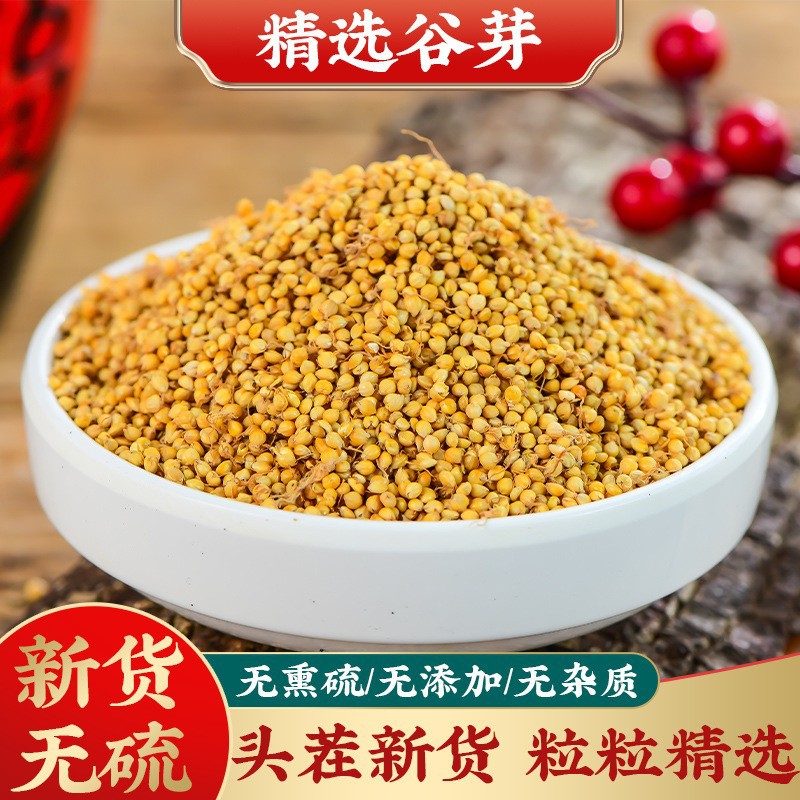
Dried Gu Ya (谷芽), also known as sprouted rice grain, is the dried sprouted grain of Oryza sativa. In TCM theory it is sweet in flavor and neutral in nature, entering the Spleen and Stomach channels. Traditionally used to support gentle digestion and harmonize the middle burner. This new-crop herb is naturally sun-dried and suited for decoctions, congee, and daily herbal teas.
Key Selling Points
- Identified in TCM as Gu Ya (谷芽), the dried sprouted grain of Oryza sativa
- New-crop herb from Anhui, China, naturally sun-dried
- Sweet and neutral in TCM nature, entering the Spleen and Stomach channels
- Traditional herb used in decoctions, congee, and herbal teas
- Sold as a 500g raw herb decoction piece
Quality & Sensory
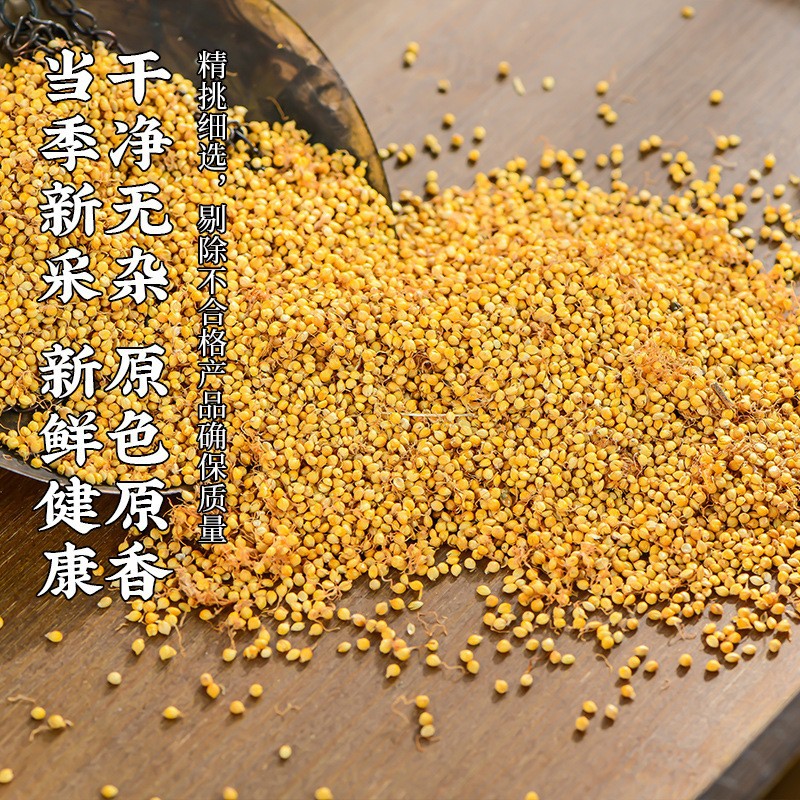
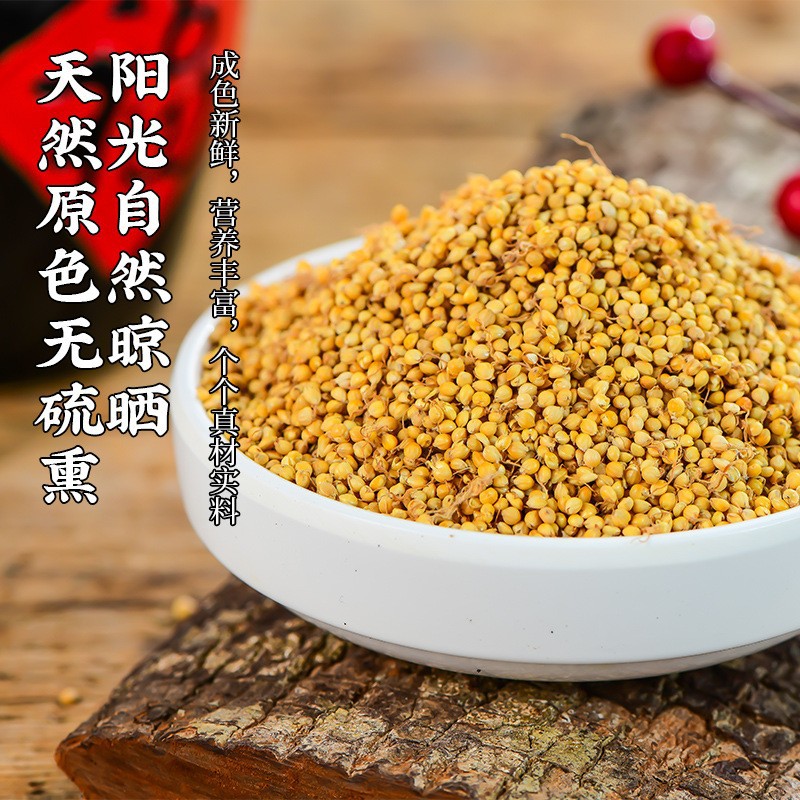
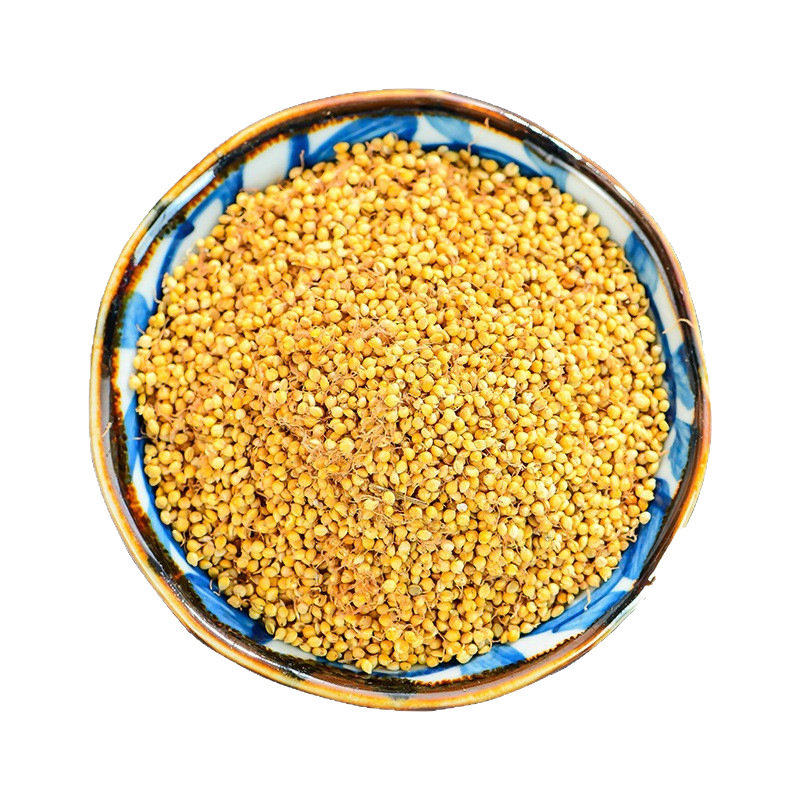
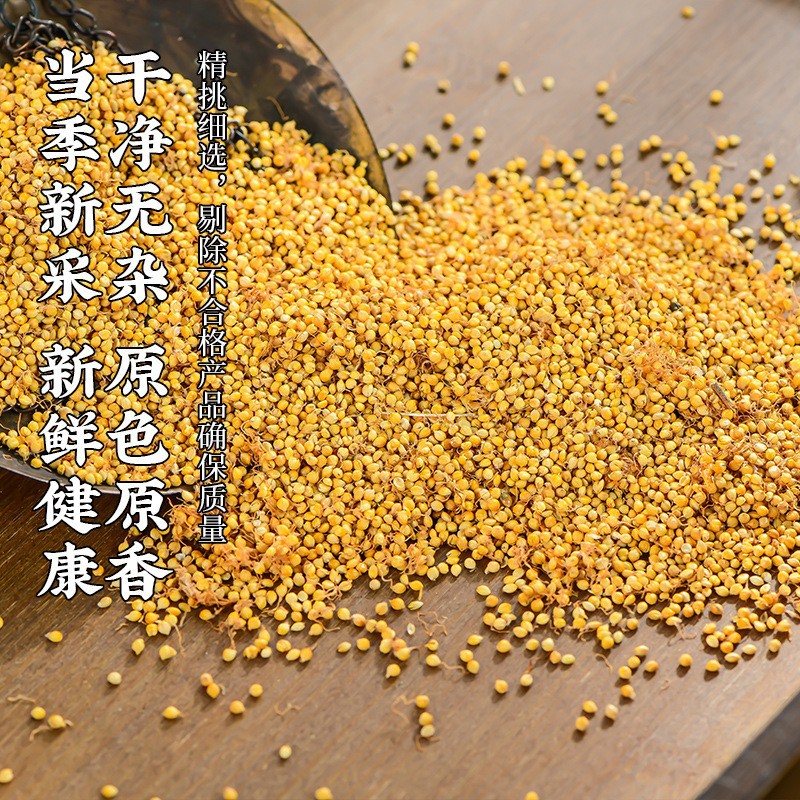
Typically light yellow to pale brown in color with a dry, granular texture and a mild, slightly sweet grain aroma. After decocting, the liquid is usually pale and gently sweet with a soft cereal note. Batch appearance may vary slightly with natural sun-drying.
Technical Specifications
| Product Type | Dried sprouted grain decoction piece |
|---|---|
| Chinese Name | 谷芽 |
| Pinyin | Gu Ya |
| Botanical Name | Oryza sativa |
| Plant Part | Sprouted grain |
| Net Weight | 500g |
Usage Scenarios
- Simmered in traditional herbal decoctions
- Cooked into rice or grain congee
- Brewed as a mild daily herbal tea
- Added to soup or culinary grain preparations
Traditional Uses
In TCM theory, Gu Ya is traditionally used to support gentle digestion and harmonize the Spleen and Stomach. It is commonly decocted alone or paired with Shan Zha and Mai Ya in classic digestive formulas. Folk practice also simmers it into congee or light teas for seasonal meals and everyday wellness routines.
FAQ Q&A
Q: What is Gu Ya?
A: Gu Ya (谷芽) is the dried sprouted grain of Oryza sativa, used as a traditional Chinese herbal decoction piece.
Q: What is its traditional value?
A: In TCM theory it is sweet and neutral, entering the Spleen and Stomach channels, and is traditionally associated with gentle digestive support.
Q: How is it commonly prepared?
A: It is typically simmered in decoctions, cooked into congee, or brewed as a mild herbal tea. Follow guidance from a qualified practitioner.
Additional information
| Weight | N/A |
|---|---|
| Dimensions | N/A |
| Model | 谷芽250克, 谷芽500克, 谷芽1000克, 谷芽10公斤 |
Related products
-
Taizishen Dried Pseudostellaria Root TCM Herbal Tea and Soup Ingredient 500g Bulk Pack
Price range: $10.28 through $15.63 -
Deer Antler Slices Lu Rong 鹿茸片 Dried Slices for Wine Infusion and Soup 100g Wax Slices Pack
Price range: $68.29 through $92.59 -
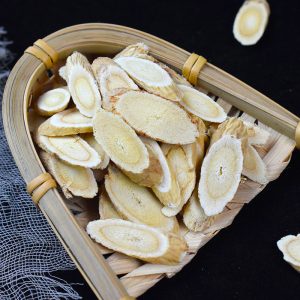
Astragalus Root Slices Huang Qi 500g Dried Herb for Soups and Teas
Price range: $7.36 through $22.11 -
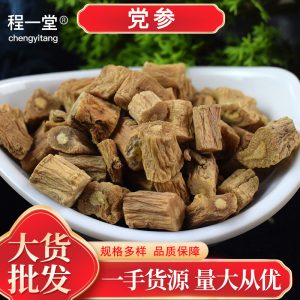
Dried Codonopsis Root Slices Dang Shen 500g Bulk Supply for Soups and Herbal Decoctions
Price range: $10.28 through $18.06
Reviews
There are no reviews yet.