
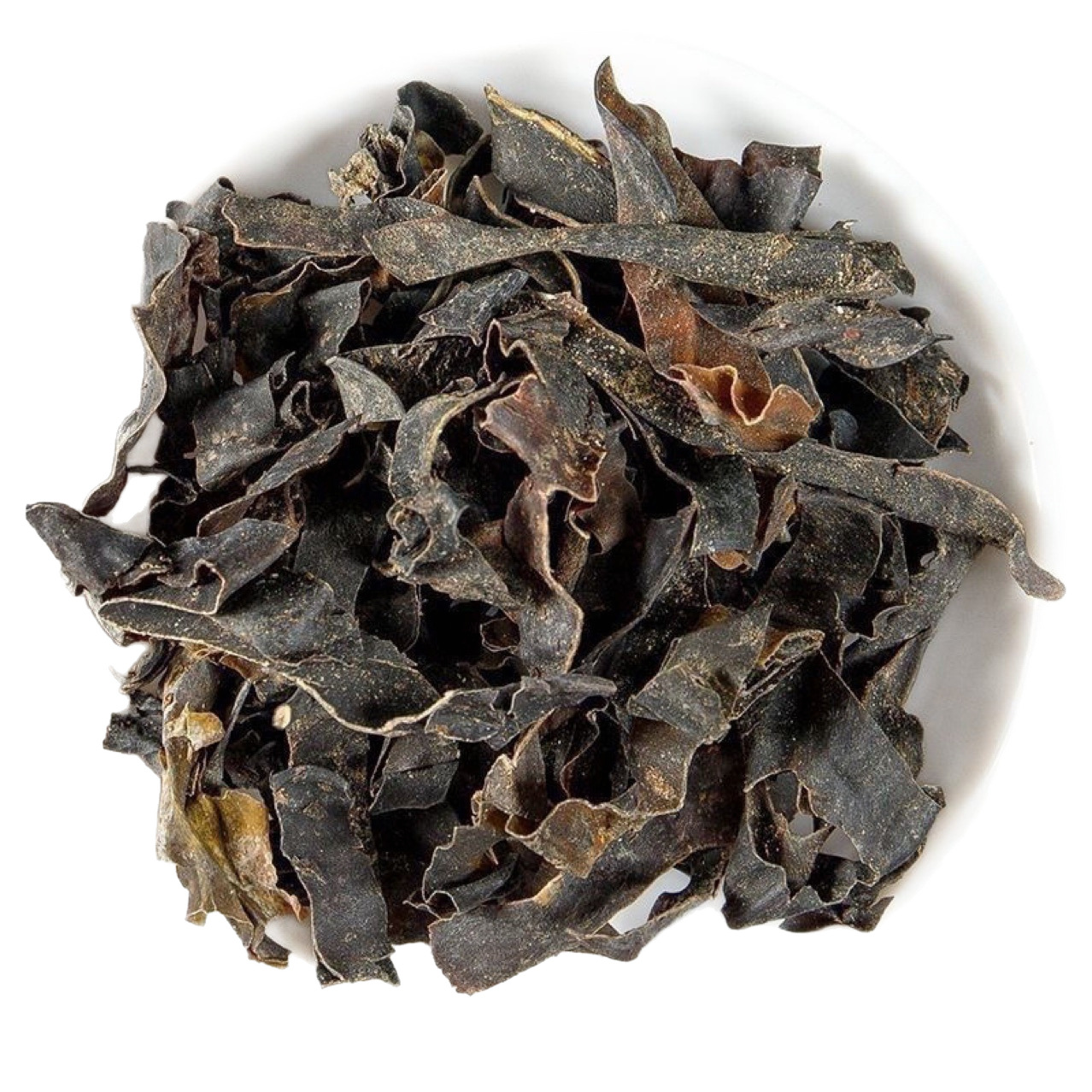
Dried Kelp Kun Bu 500g Seaweed Strips for Tea and Soup Traditional Chinese Herbal
Price range: $5.71 through $37.80
Description
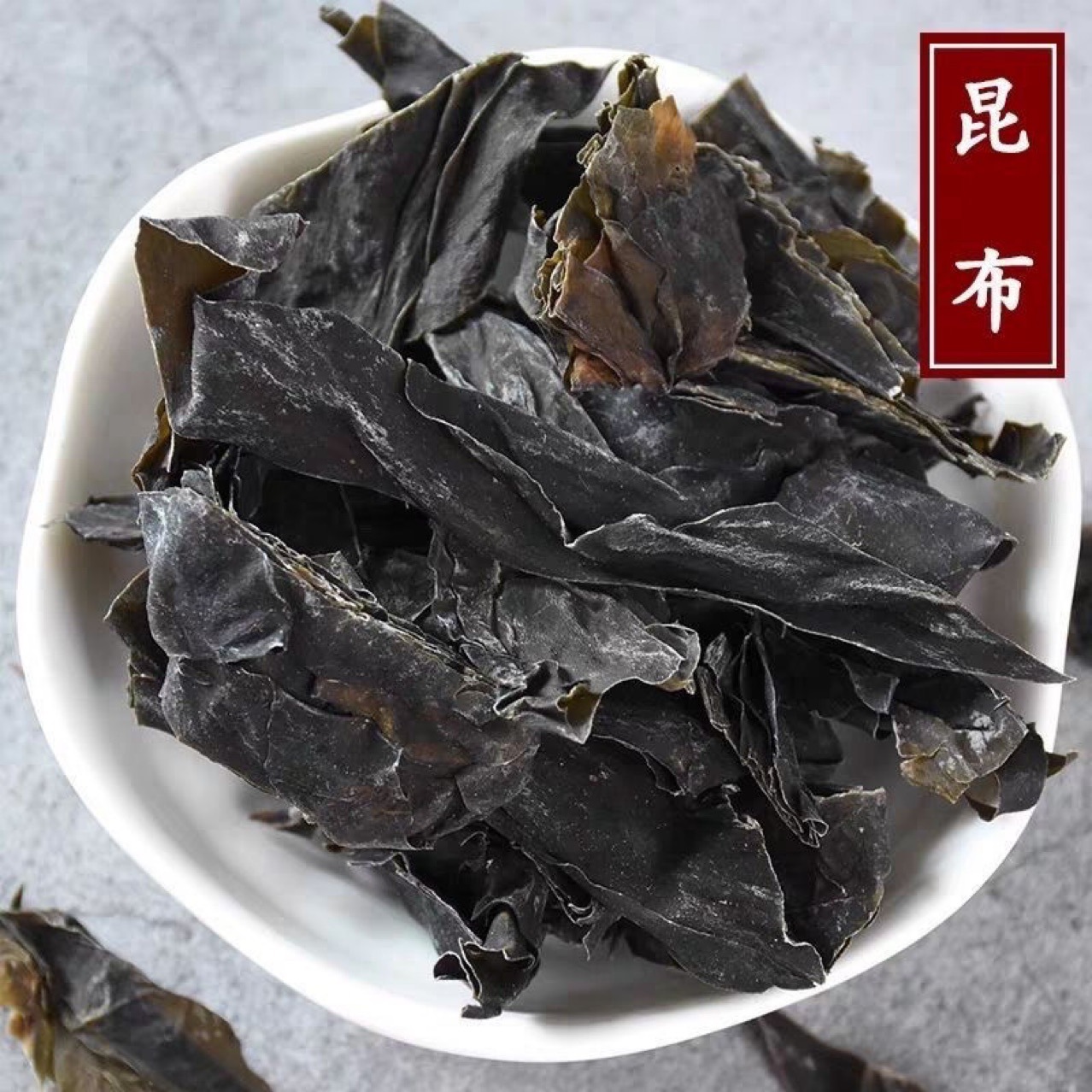
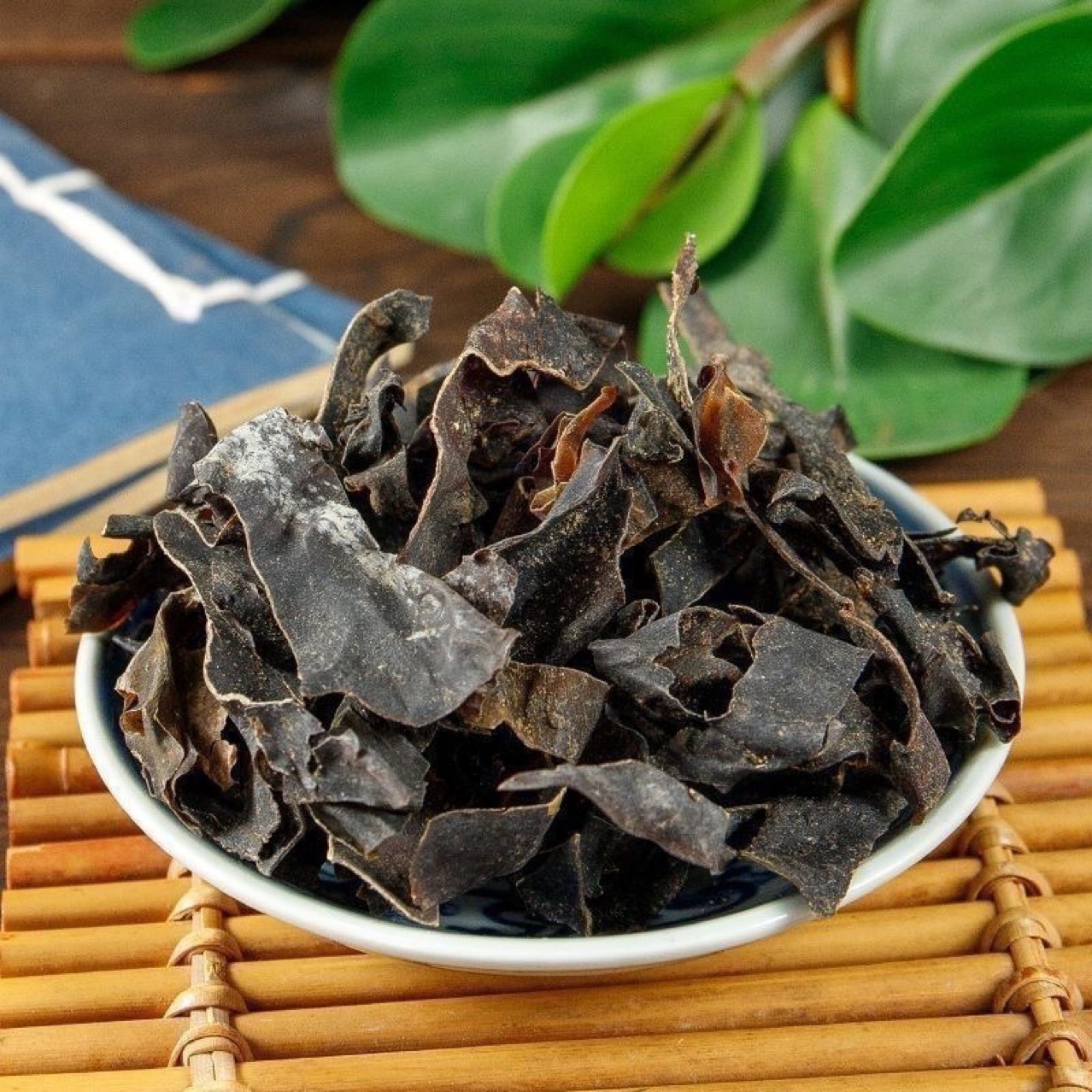
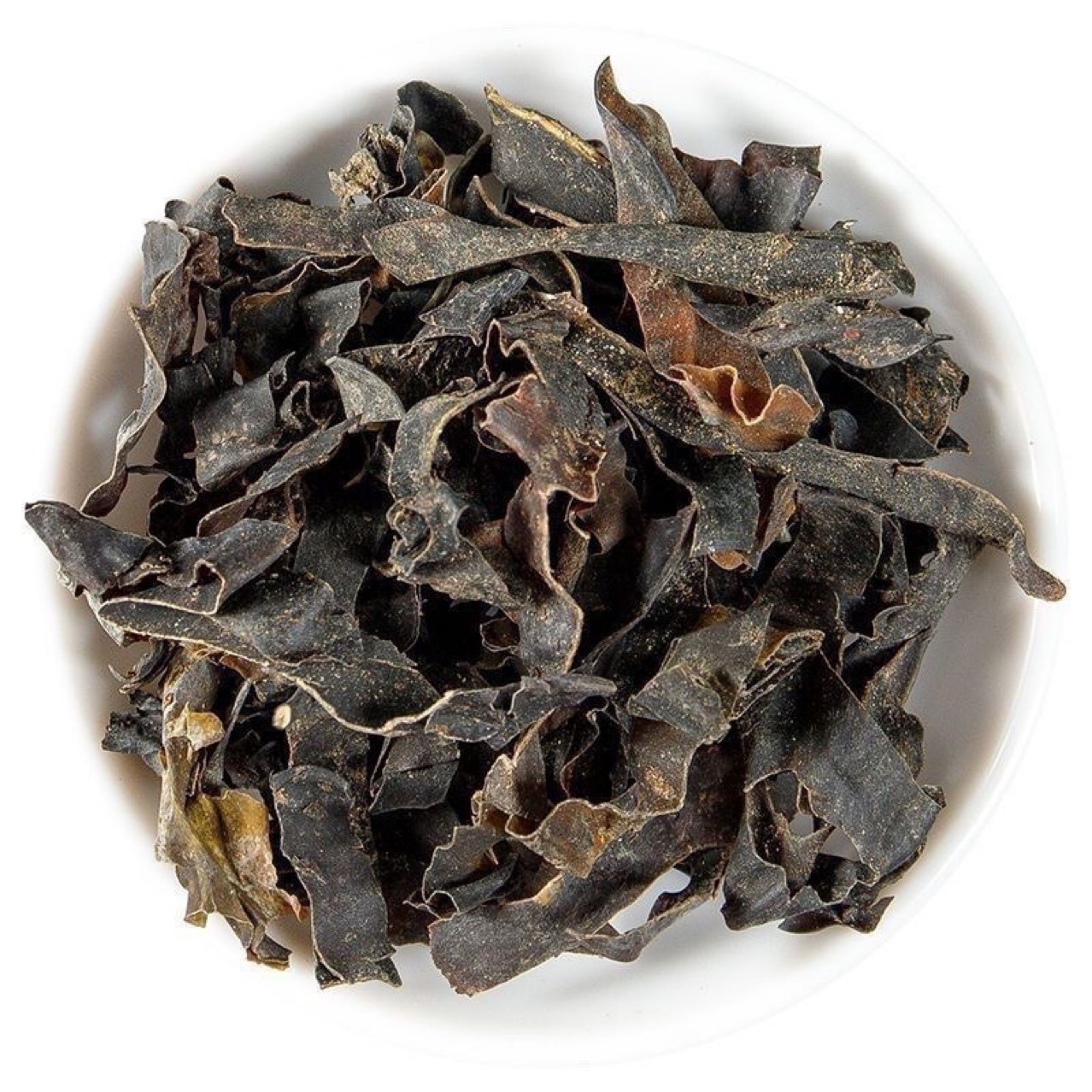
Dried Kelp, known in TCM as Kun Bu (昆布), is the dried thallus of Saccharina japonica and related kelp species. In TCM theory it is salty in flavor and cold in nature, traditionally associated with the Kidney and Liver channels. Traditionally used in decoctions and soups, it is a common seaweed ingredient in Chinese herbal cooking and daily tea preparations.
Key Selling Points
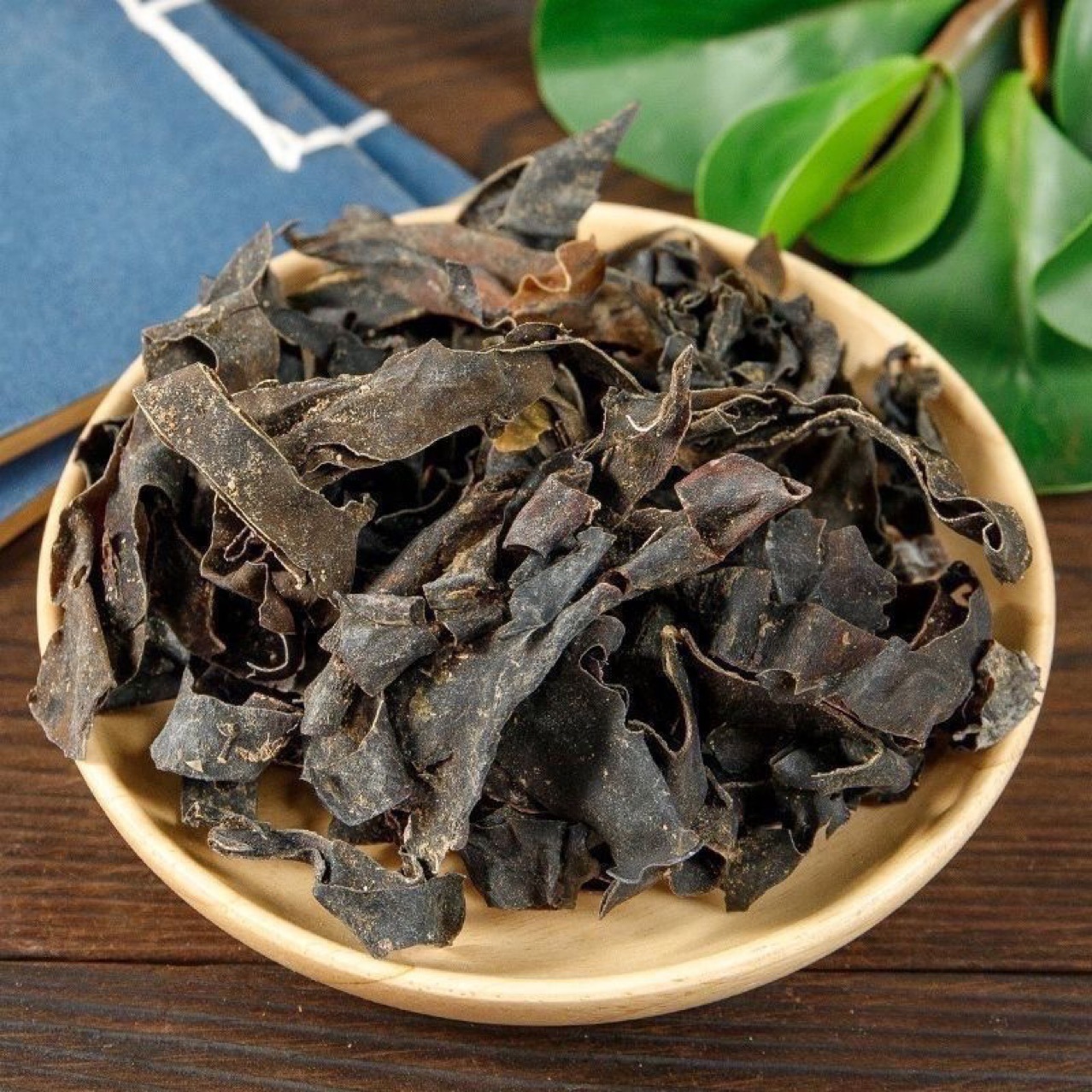
- Dried kelp strips from Saccharina japonica and related kelp species
- Known in TCM as Kun Bu (昆布) with salty flavor and cold nature
- Sun-dried processing for a natural seaweed texture
- 500g net weight suitable for tea, soup, and decoction use
- Traditional seaweed ingredient in Chinese herbal cooking
Quality & Sensory
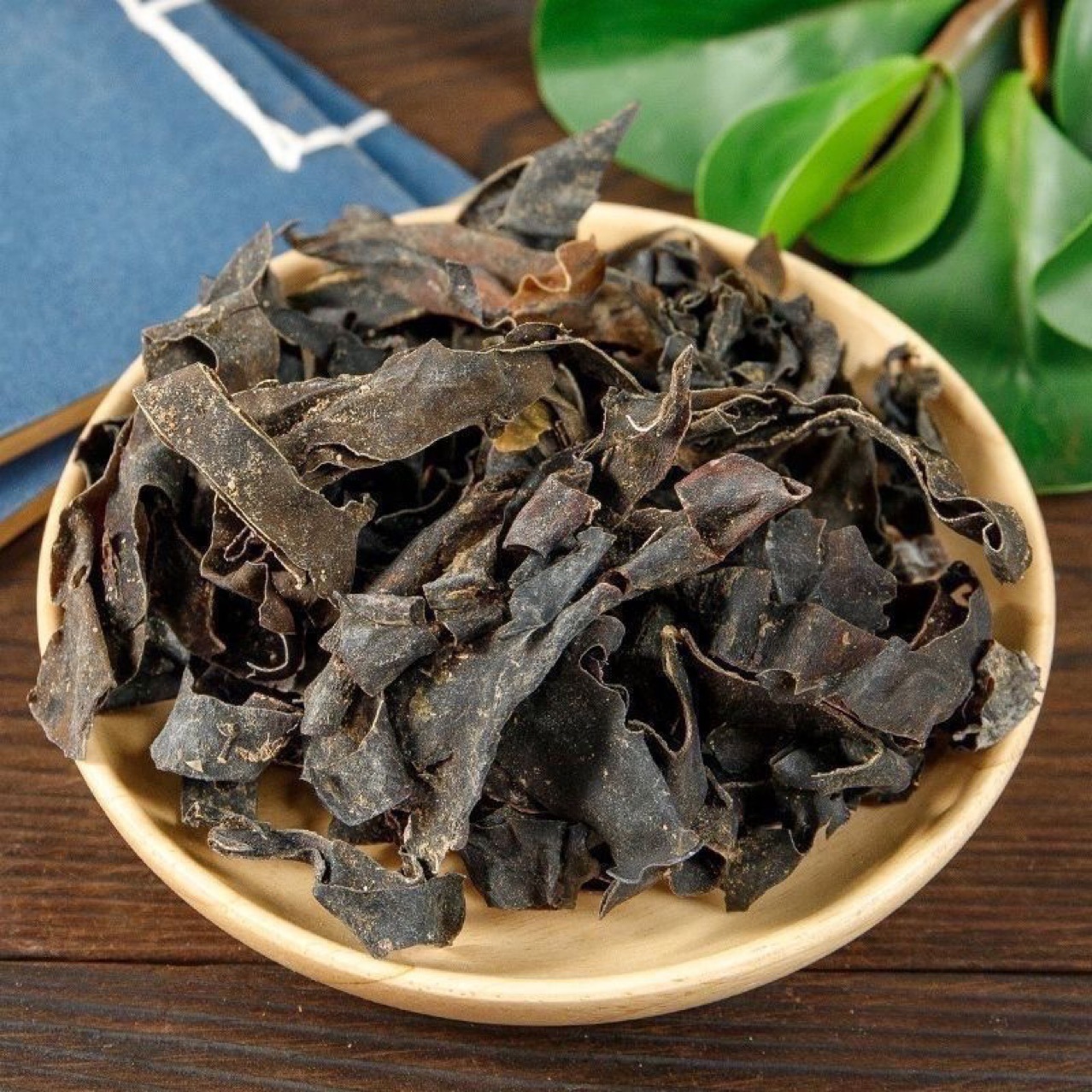
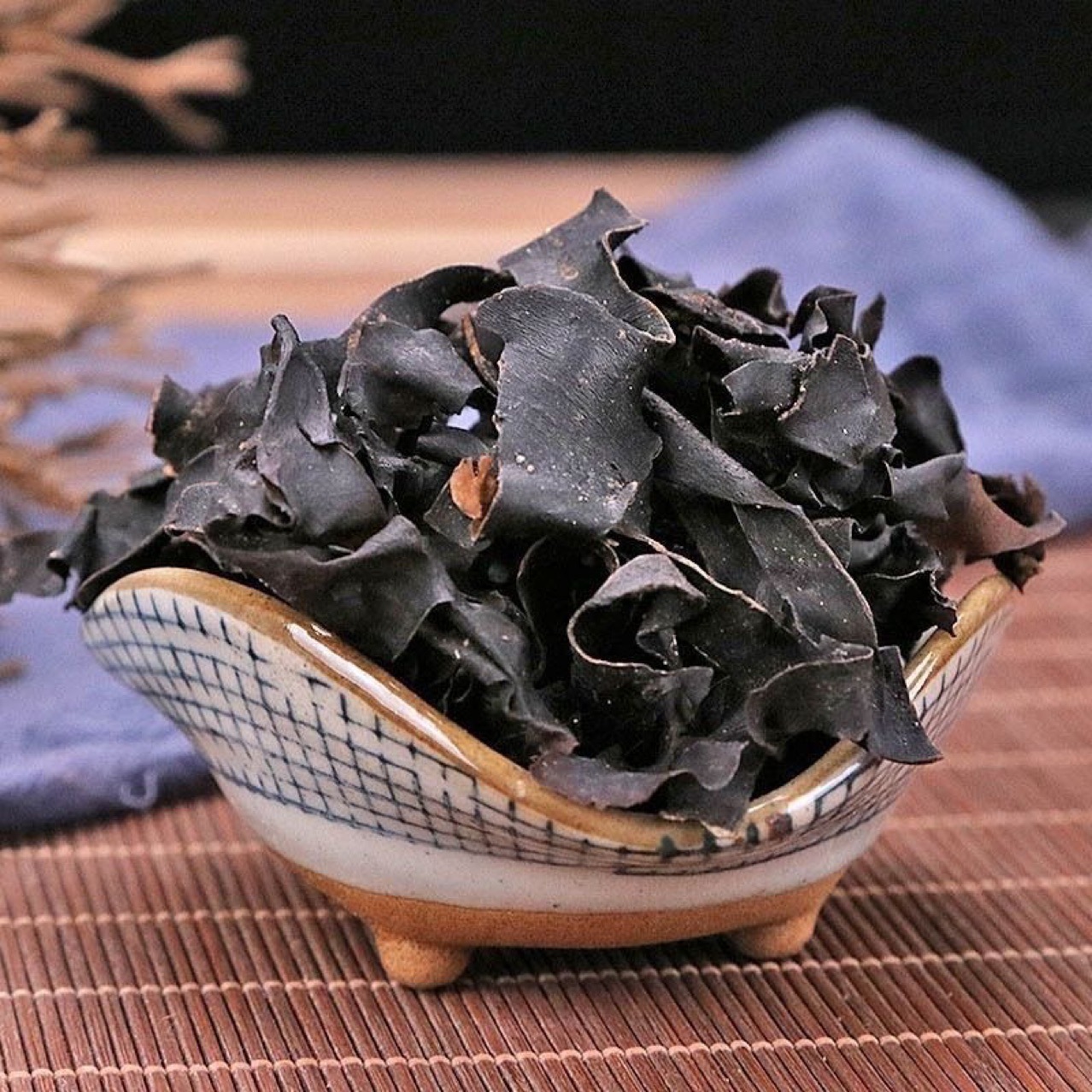
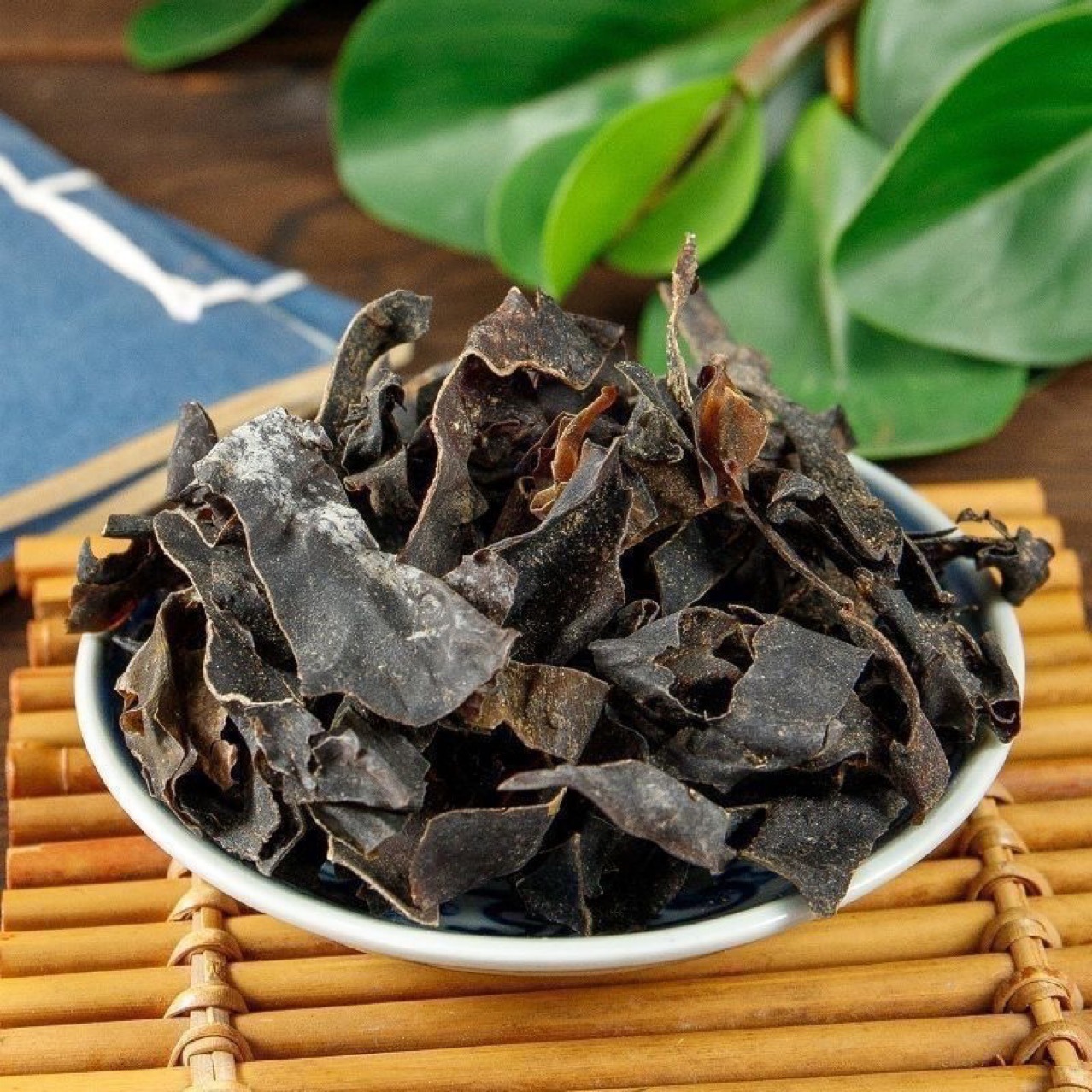
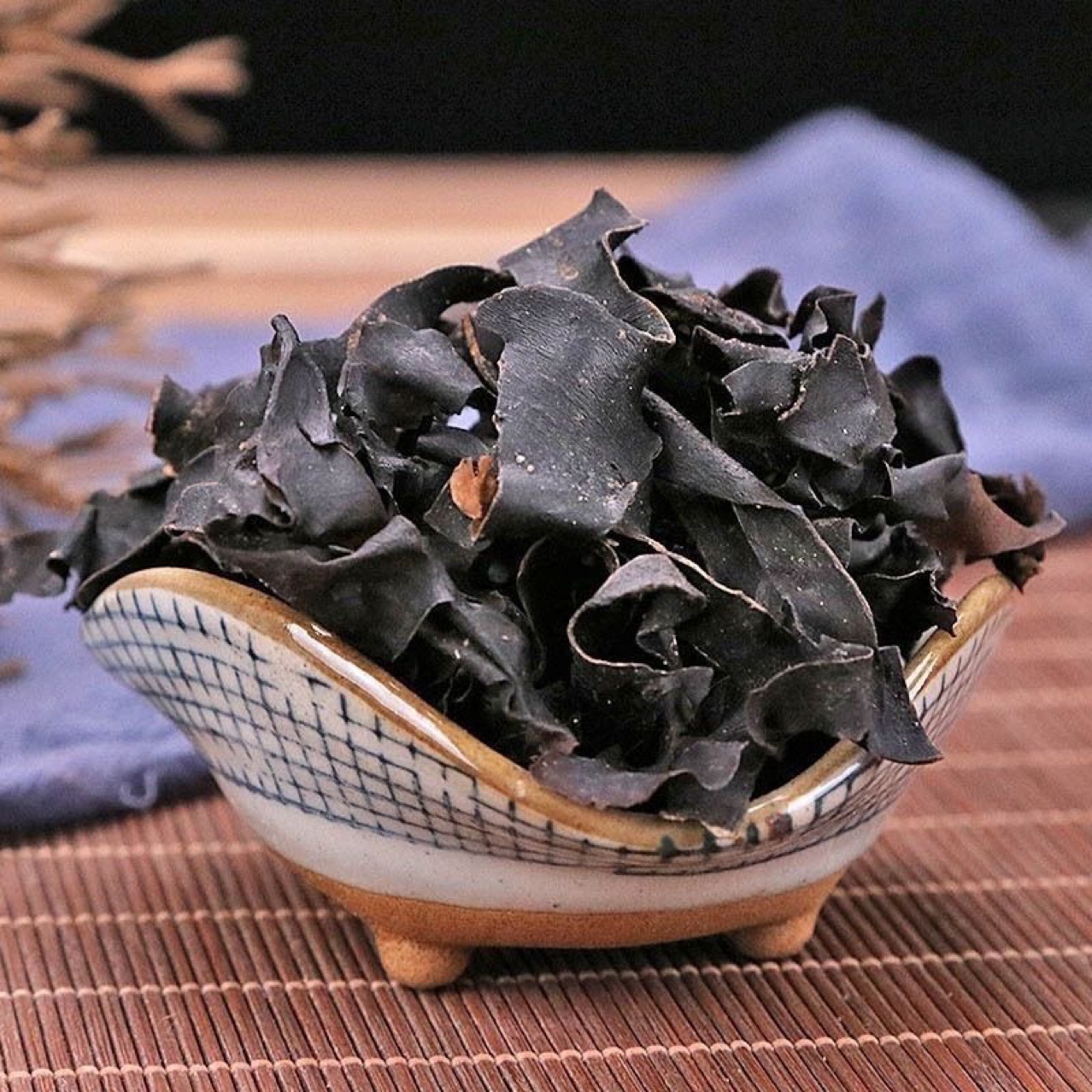
The dried kelp typically shows a dark green to brown color with a firm, leathery texture and a distinct marine aroma. When brewed or simmered, it softens and releases a mild salty seaweed taste. Batch characteristics may vary slightly with harvest and drying conditions.
Technical Specifications
| Product Type | Dried kelp strips |
|---|---|
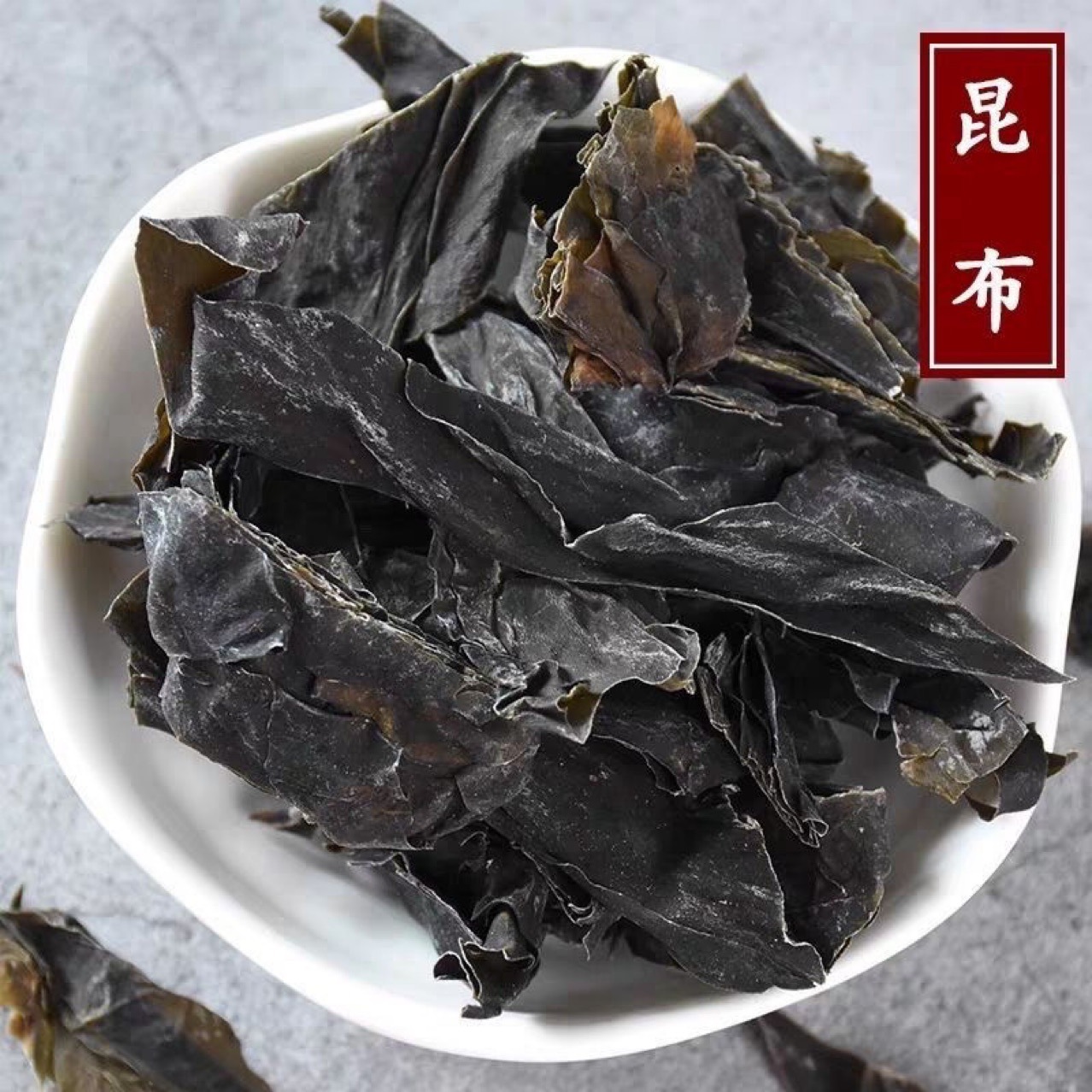
| Chinese Name | 昆布 |
| Pinyin | Kun Bu |
| Botanical Name | Saccharina japonica |
| Plant Part | Dried thallus |
| Net Weight | 500g |
Usage Scenarios
- Simmered in traditional herbal soups
- Brewed as a simple seaweed tea
- Added to congee during cooking
- Used in decoctions with other herbs
- Used as a culinary seaweed ingredient
Traditional Uses
In TCM and folk practice, Kun Bu is traditionally used in decoctions and soups, often paired with other herbs in formulas. It is also simmered in congee or brewed as a daily tea. Traditional preparation usually involves rinsing, soaking, and simmering until softened.
FAQ Q&A
Q: What is this product?
A: It is dried kelp strips, known in TCM as Kun Bu (昆布), from Saccharina japonica and related kelp species.
Q: What are its traditional characteristics?
A: In TCM theory Kun Bu is salty in flavor and cold in nature, traditionally associated with the Kidney and Liver channels.
Q: How is it commonly prepared?
A: It is typically rinsed, soaked, and then simmered in soups, decoctions, or congee, or brewed as a simple tea.
Additional information
| Weight | N/A |
|---|---|
| Dimensions | N/A |
| Model | 昆布250克, 昆布500克, 昆布1000克, 昆布10公斤 |
Related products
-

Dried Raspberry Fruit Fu Pen Zi Whole Berries for Herbal Tea and Wine Infusion 500g
Price range: $15.63 through $18.06 -
Fritillaria Bulb Chuan Bei Mu Dried Chinese Herbal Bulbs for Decoction and Traditional Use 500g
Price range: $18.06 through $94.21 -
Yi Zhi Ren Dried Alpinia Oxyphylla Fruit 500g Traditional Herbal Tea and Decoction Ingredient
Price range: $11.74 through $13.36 -
Dried Dodder Seed Tu Si Zi Whole Herb 500g Bulk Chinese Herbal Ingredient
Price range: $7.04 through $7.52
Reviews
There are no reviews yet.