
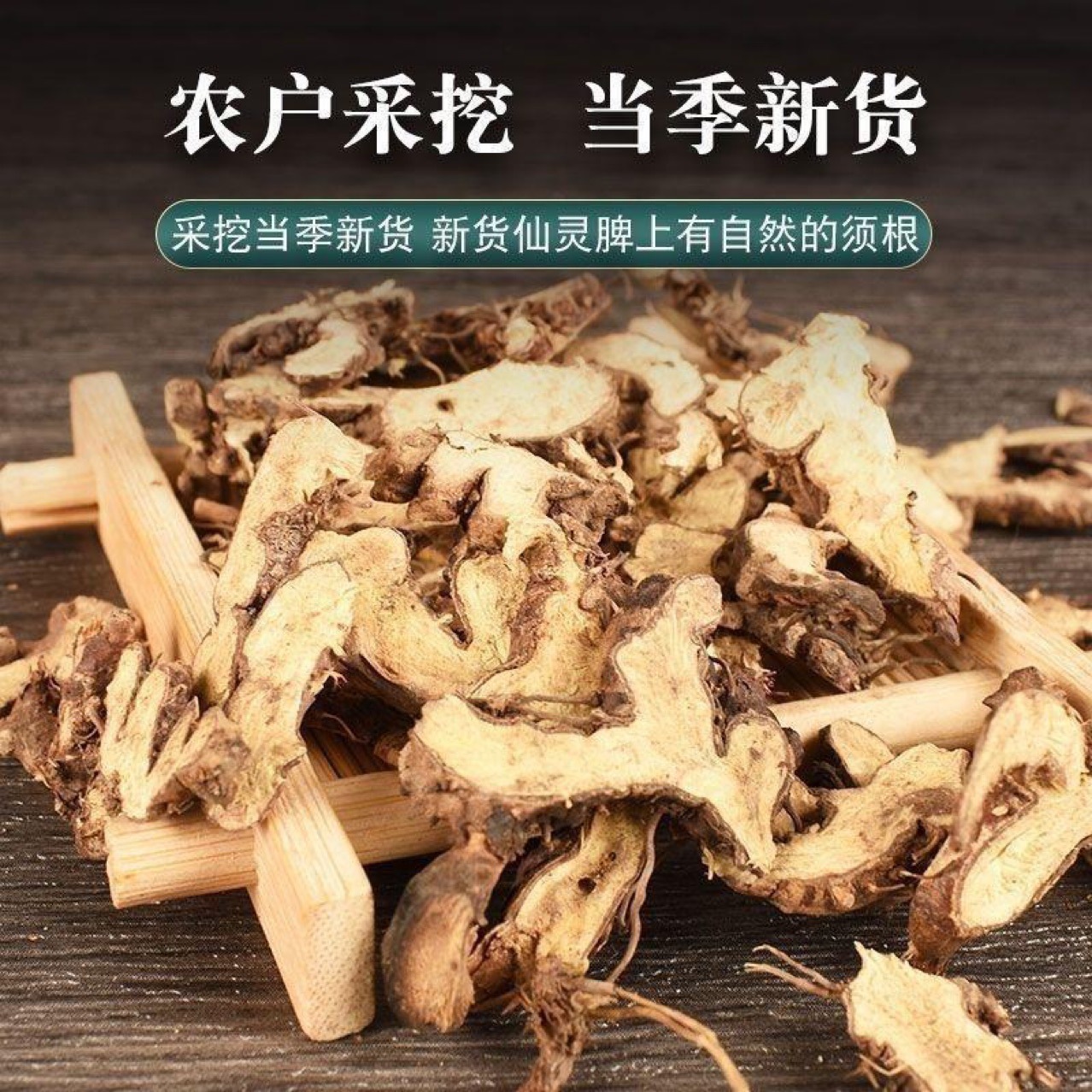
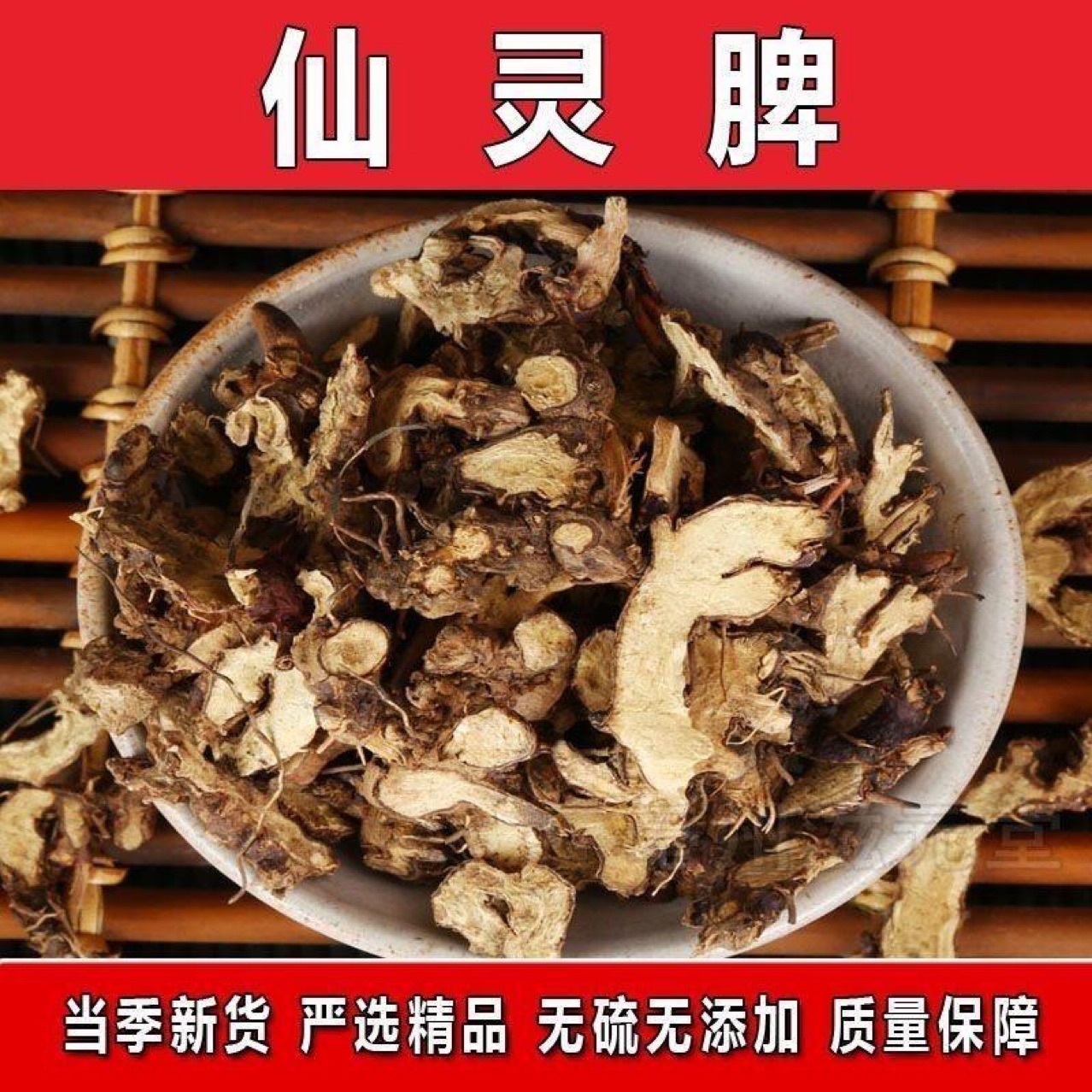
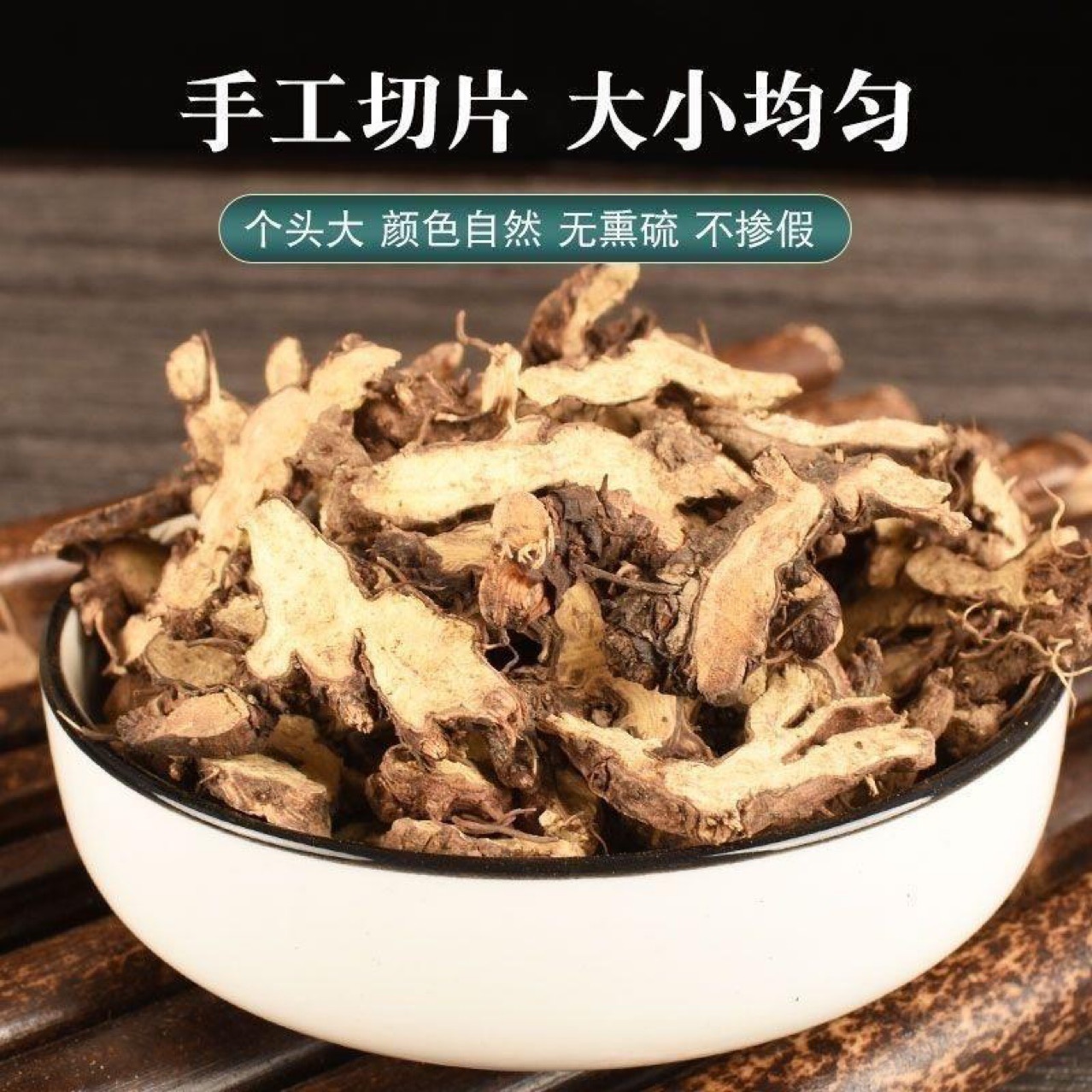
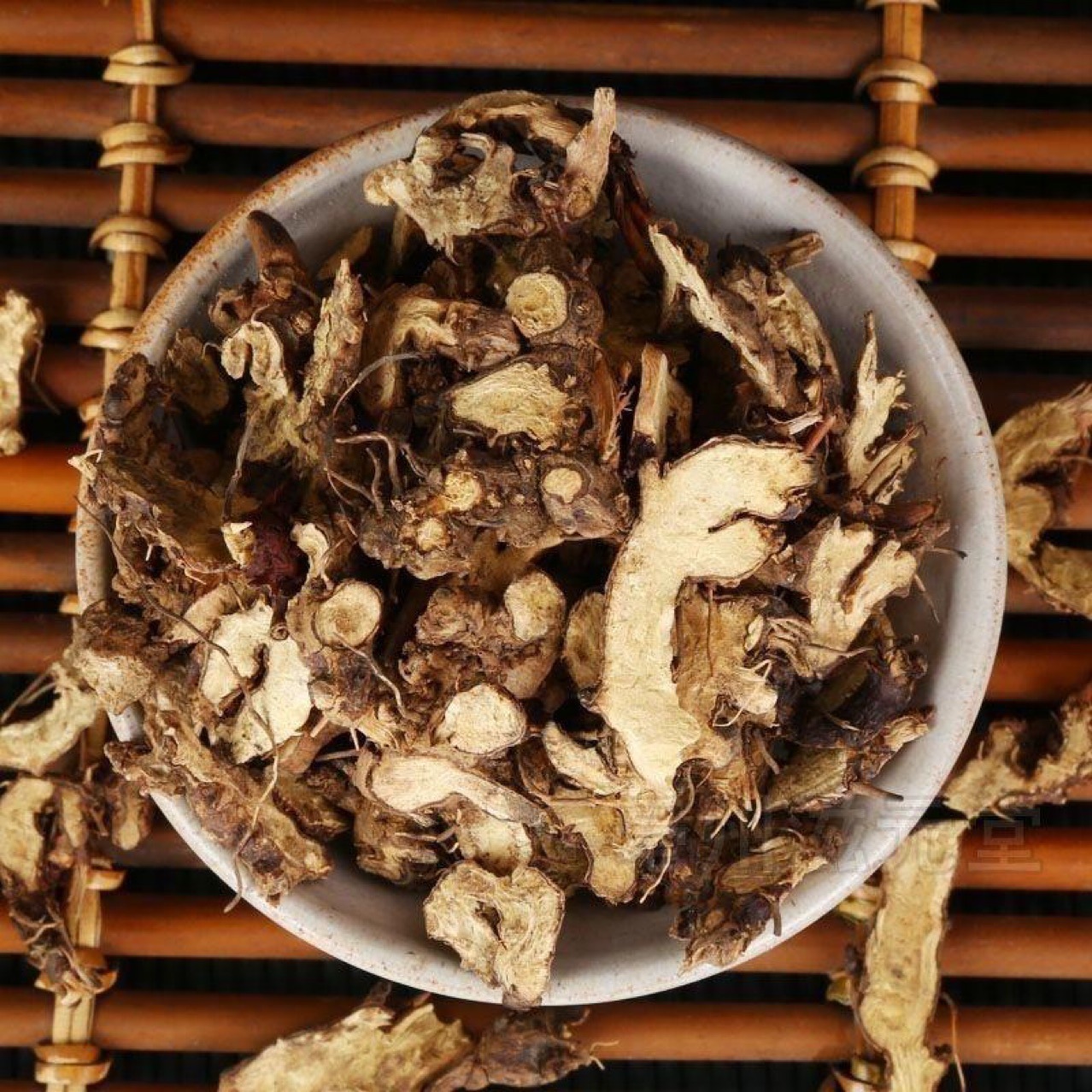
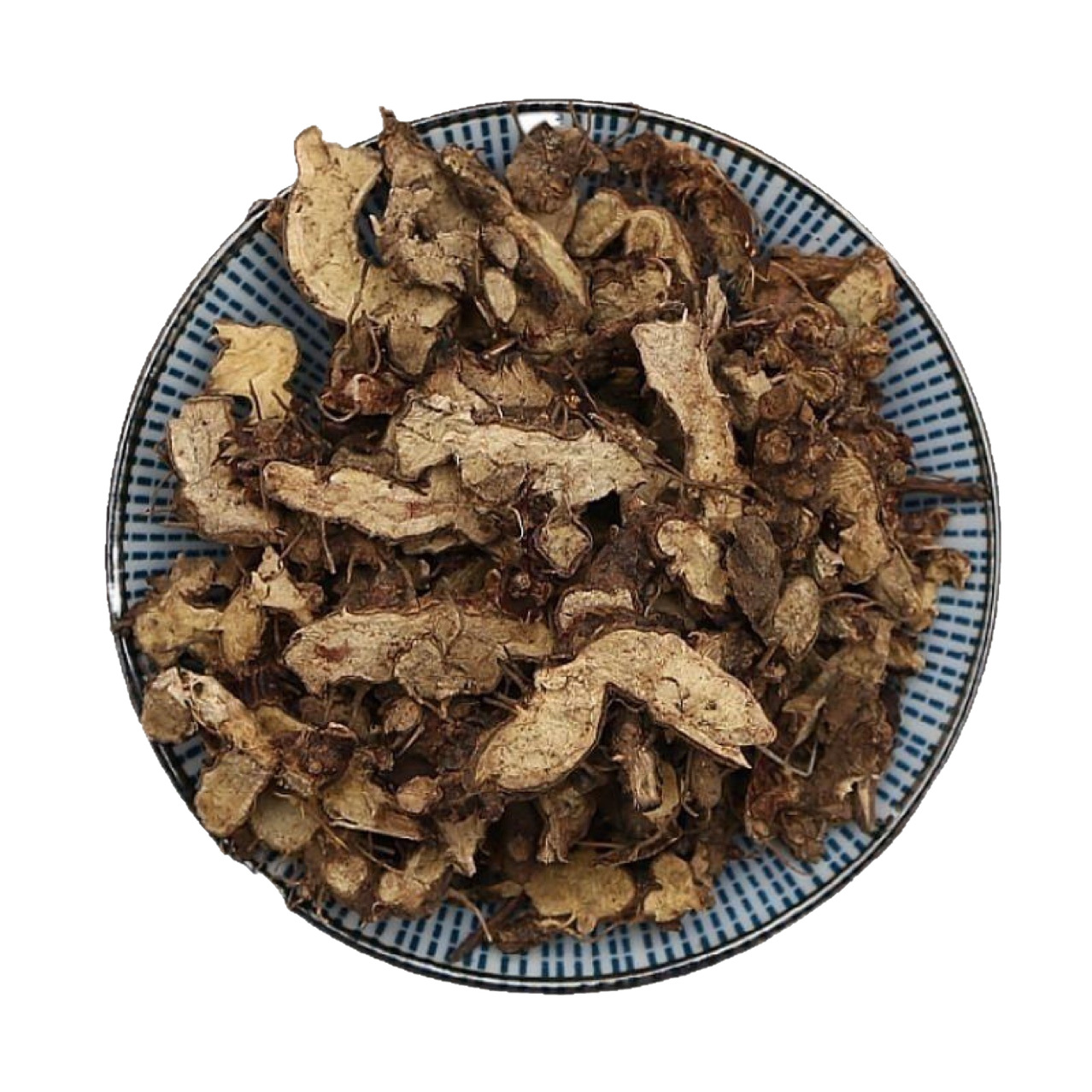
Dried Epimedium Root Xian Ling Pi Yin Yang Huo Herbal Tea and Wine Making 500g
Price range: $7.80 through $116.96
Description
Dried Epimedium Root, known in TCM as Xian Ling Pi (仙灵脾) or Yin Yang Huo (淫羊藿), from Epimedium species. This sun-dried root is a traditional Chinese herbal ingredient used in decoctions, teas, and infused wines. In TCM theory, it is associated with warm, sweet, and pungent properties entering the Liver and Kidney channels. Traditionally used to support yang and strengthen bones. Store in a cool, dry place.
Key Selling Points
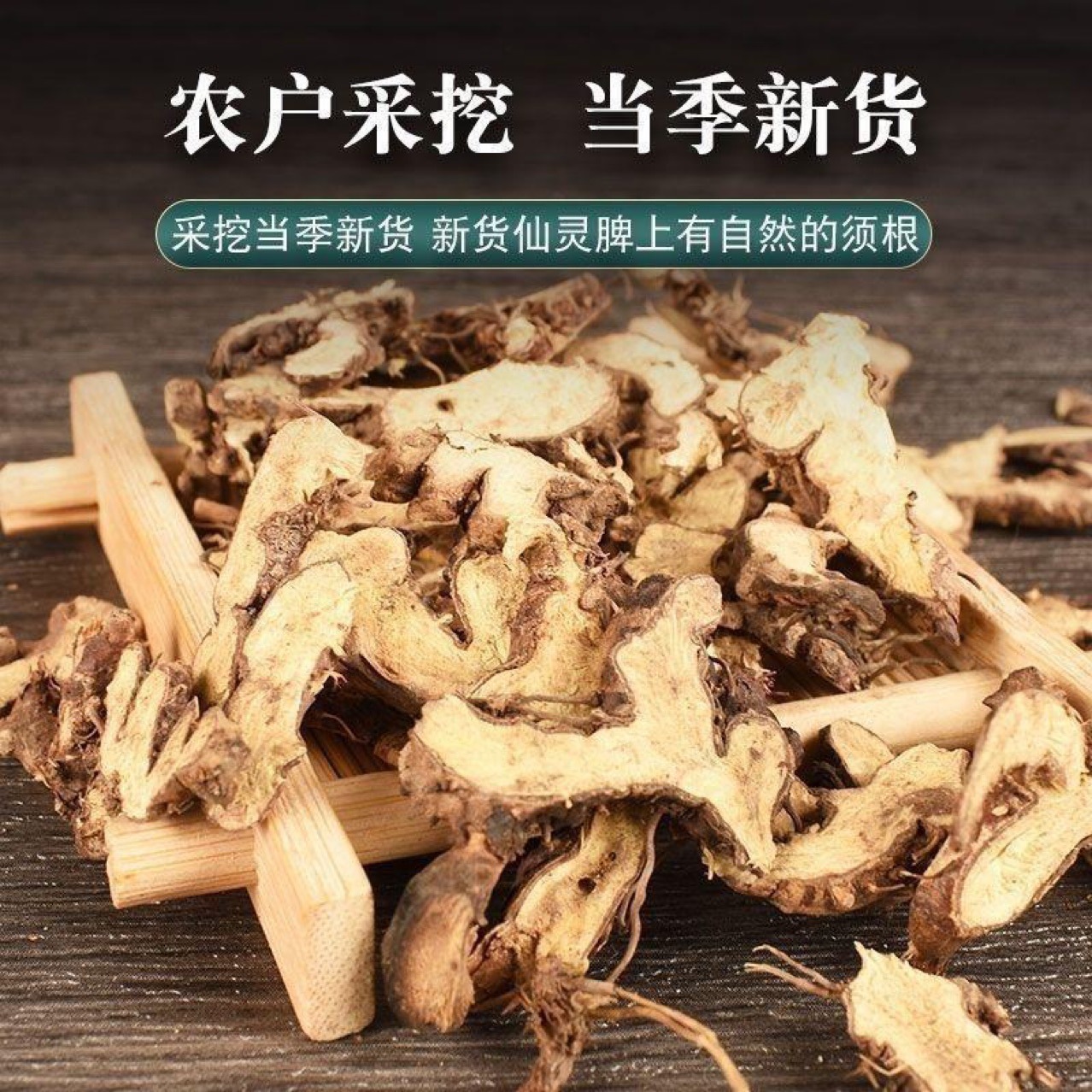
- Identified in TCM as Xian Ling Pi (仙灵脾) and Yin Yang Huo (淫羊藿)
- Sun-dried root from Gansu origin
- Traditional herb for decoctions, teas, and infused wines
- 500g net weight food-grade agricultural product
- Warm, sweet, and pungent TCM properties entering Liver and Kidney channels
Quality & Sensory
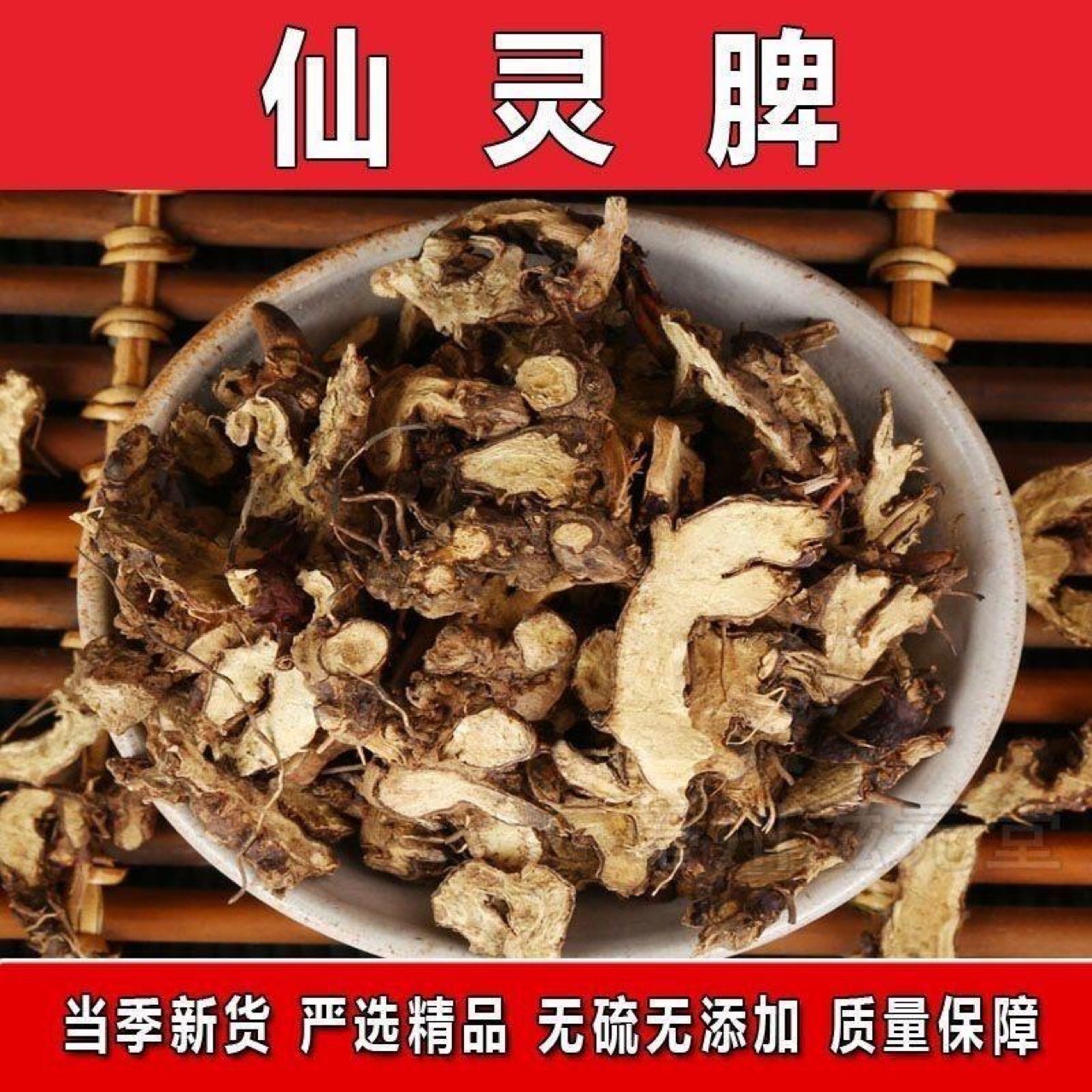
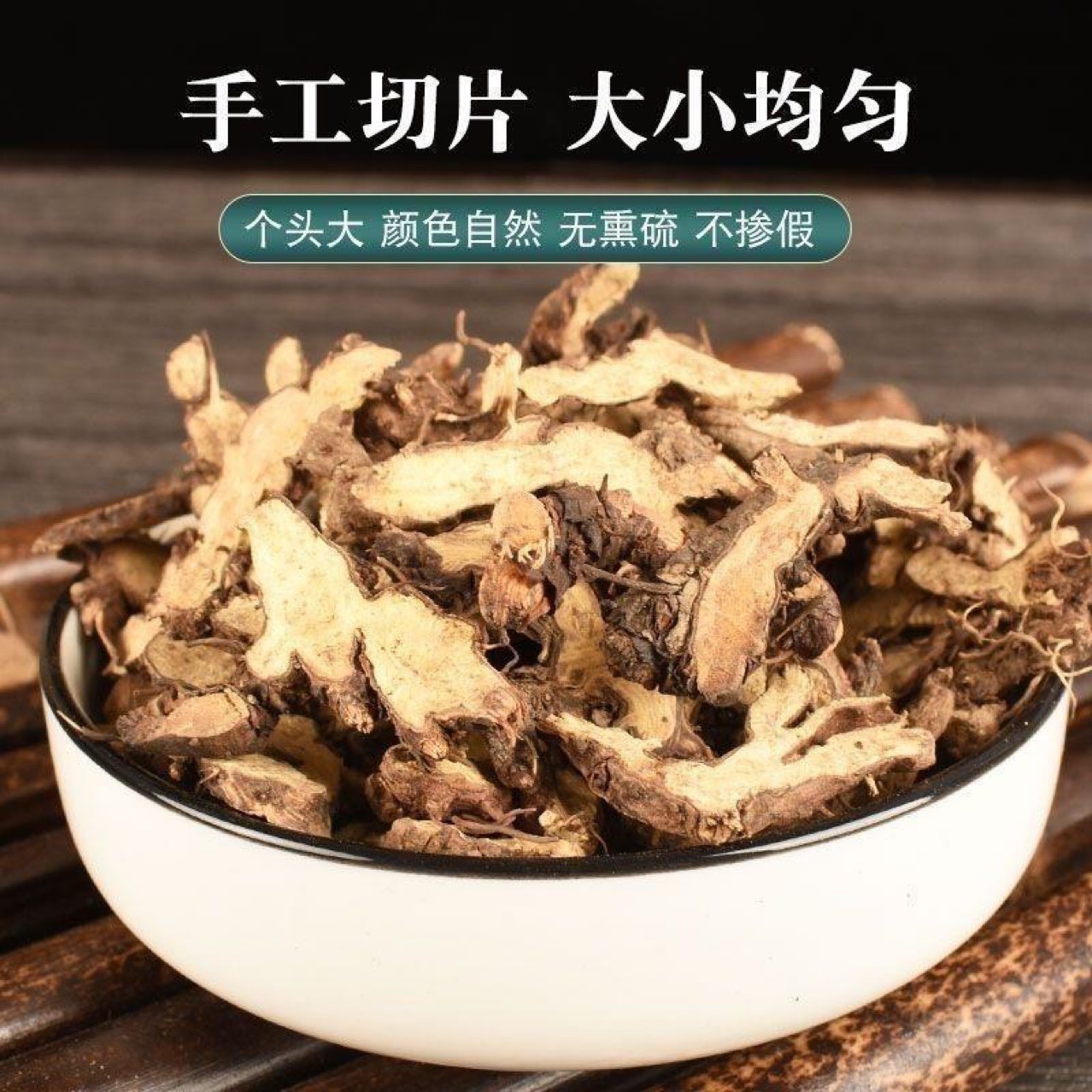
The dried root typically appears brownish-yellow with a fibrous, woody texture and a mild earthy aroma. When decocted or steeped, it yields a light amber infusion with a subtly sweet and slightly bitter taste. Characteristics may vary by batch.
Technical Specifications
| Product Type | Dried Herbal Root |
|---|---|
| Chinese Name | 仙灵脾 / 淫羊藿 |
| Pinyin | Xian Ling Pi / Yin Yang Huo |
| Botanical Name | Epimedium spp. |
| Plant Part | Root |
| Net Weight | 500g |
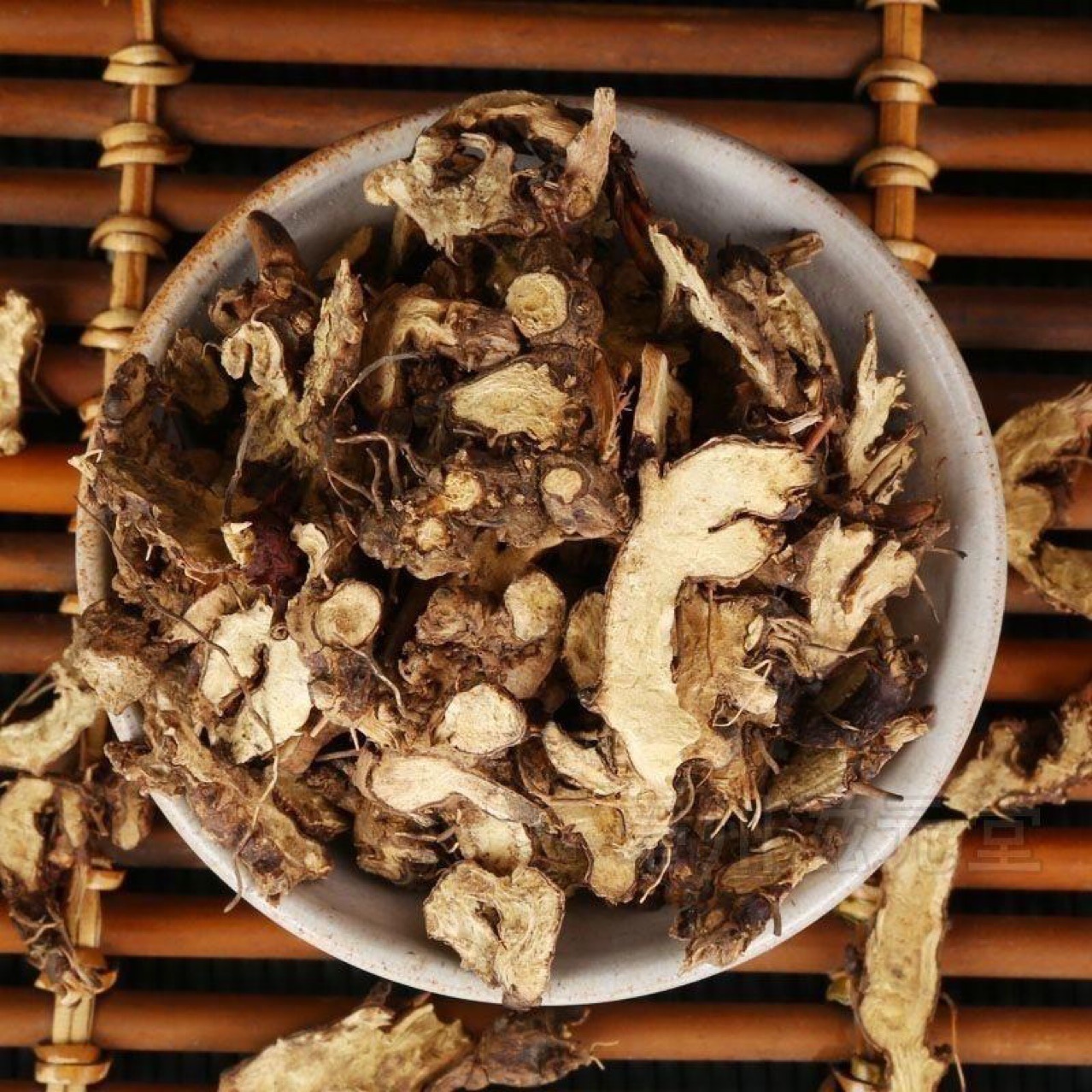
Usage Scenarios
- Herbal decoction
- Herbal tea
- Infused wine
- Soup
- Congee
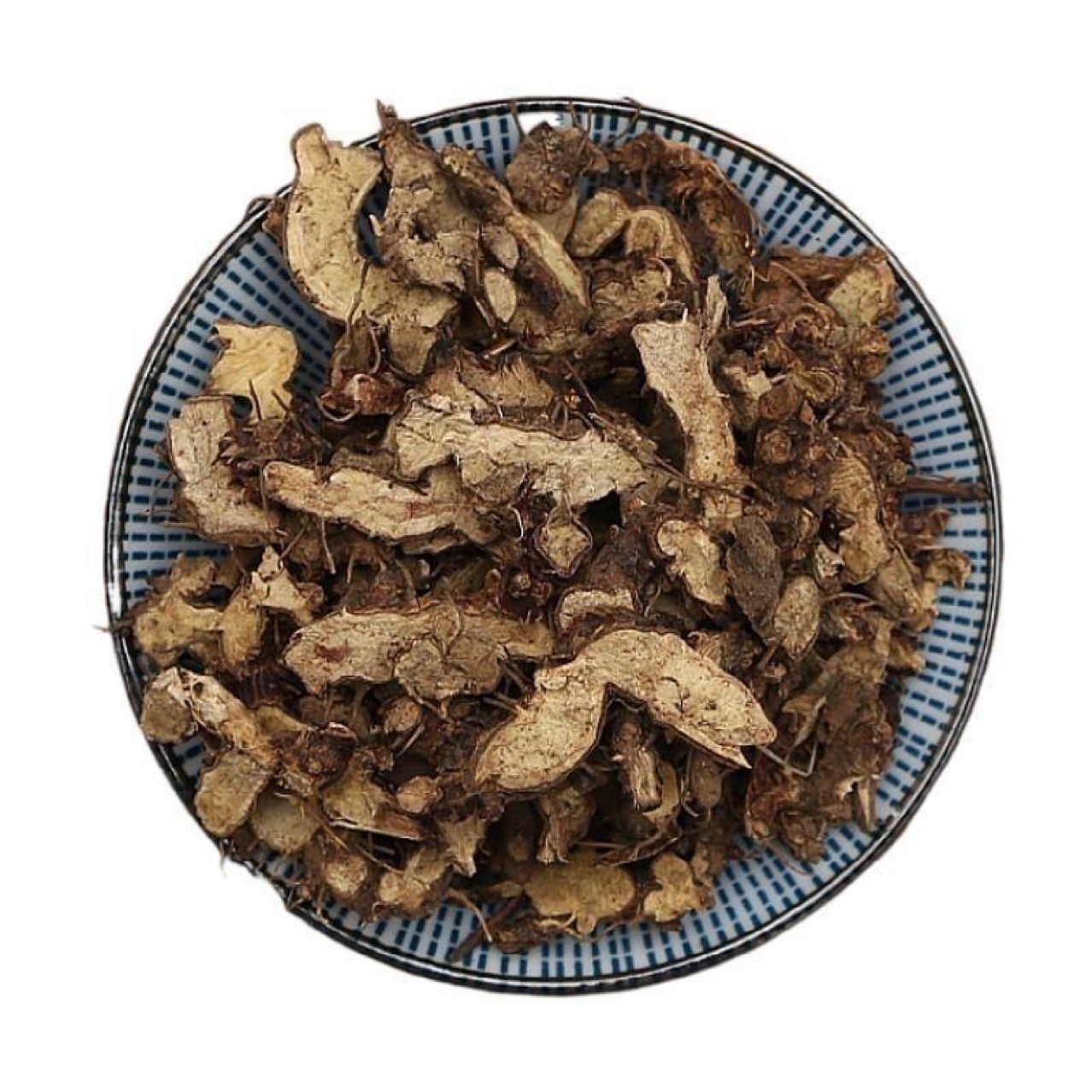
Traditional Uses
In TCM theory, Xian Ling Pi is traditionally used in decoctions to support yang and strengthen bones and tendons. It is often paired with herbs such as Rou Cong Rong or Gou Qi Zi in formulas. Folk practice includes steeping in wine or tea for daily wellness, and adding to soups or congee for seasonal nourishment.
FAQ Q&A
Q: What is this product?
A: It is dried Epimedium root, known in TCM as Xian Ling Pi (仙灵脾) or Yin Yang Huo (淫羊藿), sold as a 500g food-grade agricultural product.
Q: What are its traditional characteristics?
A: In TCM theory, it is considered warm, sweet, and pungent, entering the Liver and Kidney channels, and is traditionally associated with supporting yang and strengthening bones.
Q: How is it commonly prepared?
A: It is typically decocted, steeped as tea, infused in wine, or added to soups and congee. Consult a qualified practitioner for personalized guidance.
Additional information
| Weight | N/A |
|---|---|
| Dimensions | N/A |
| Model | 仙灵脾250克, 仙灵脾500克, 仙灵脾1000克, 仙灵脾10公斤 |
Related products
-

Fritillaria Bulb Chuan Bei Mu Dried Chinese Herbal Bulbs for Decoction and Traditional Use 500g
Price range: $18.06 through $94.21 -

Dried Huang Jing Slices Polygonatum Rhizome Chicken Head Huang Jing 500g Bulk Herbal Tea and Soup Ingredient
Price range: $9.14 through $18.87 -
Chai Hu Bupleurum Root Dried Herb 500g Traditional TCM Decoction Herb
Price range: $9.14 through $16.44 -
Astragalus Root Slices Huang Qi 斜片 Dried Herb for Decoction Soup and Tea 500g
Price range: $6.06 through $19.51
Reviews
There are no reviews yet.